Attractions and Places To See around Sankt Quirin - Top 20
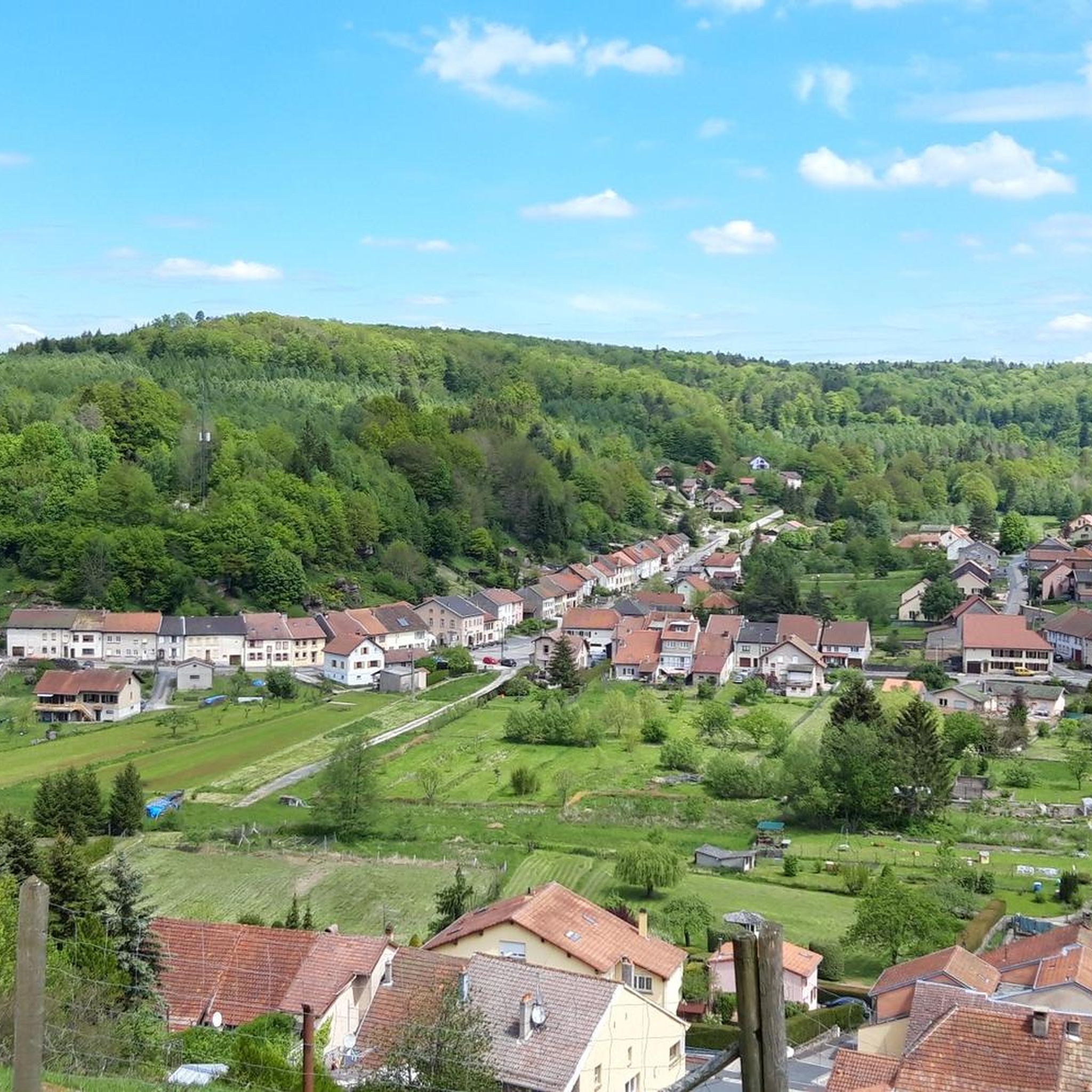
Best attractions and places to see around Sankt Quirin include a mix of historical sites, natural monuments, and scenic viewpoints. This region, primarily referring to the commune in France, is known for its rich historical and natural heritage within the Vosges mountains. Visitors can explore ancient ruins, impressive waterfalls, and unique rock formations, providing diverse opportunities for outdoor activities and cultural discovery.
Best attractions and places to see around Sankt Quirin
- The most popular attractions is Donon Temple, a man-made monument that is a cult site in the Bruche Valley. This site offers sublime views and has a rich history, with archaeological finds and Celtic and Roman cult sites on the Donon plateau.
- Another must-see spot is Nideck Waterfall, a 25-meter high waterfall cascading from a volcanic rock wall. It is embedded in well-preserved nature with extensive walking and hiking trails, offering freshness and shade.
- Visitors also love Ruins of Nideck Castle, an impressive historical site with views over the forests of the upper Bruchetal. Located on a steep rhyolite rock, it is situated immediately above the Nideck Waterfall.
- Sankt Quirin is known for its historical sites, natural monuments, and scenic summits. The region offers a variety of attractions to see and explore, from ancient temples and castle ruins to waterfalls and mountain viewpoints.
- The attractions around Sankt Quirin are appreciated by the komoot community, with over 650 upvotes and more than 800 photos shared.
Last updated: August 16, 2026
Donon Temple
Highlight • Monument
Translated by Google •
Tip by

Nideck Waterfall
Highlight • Other
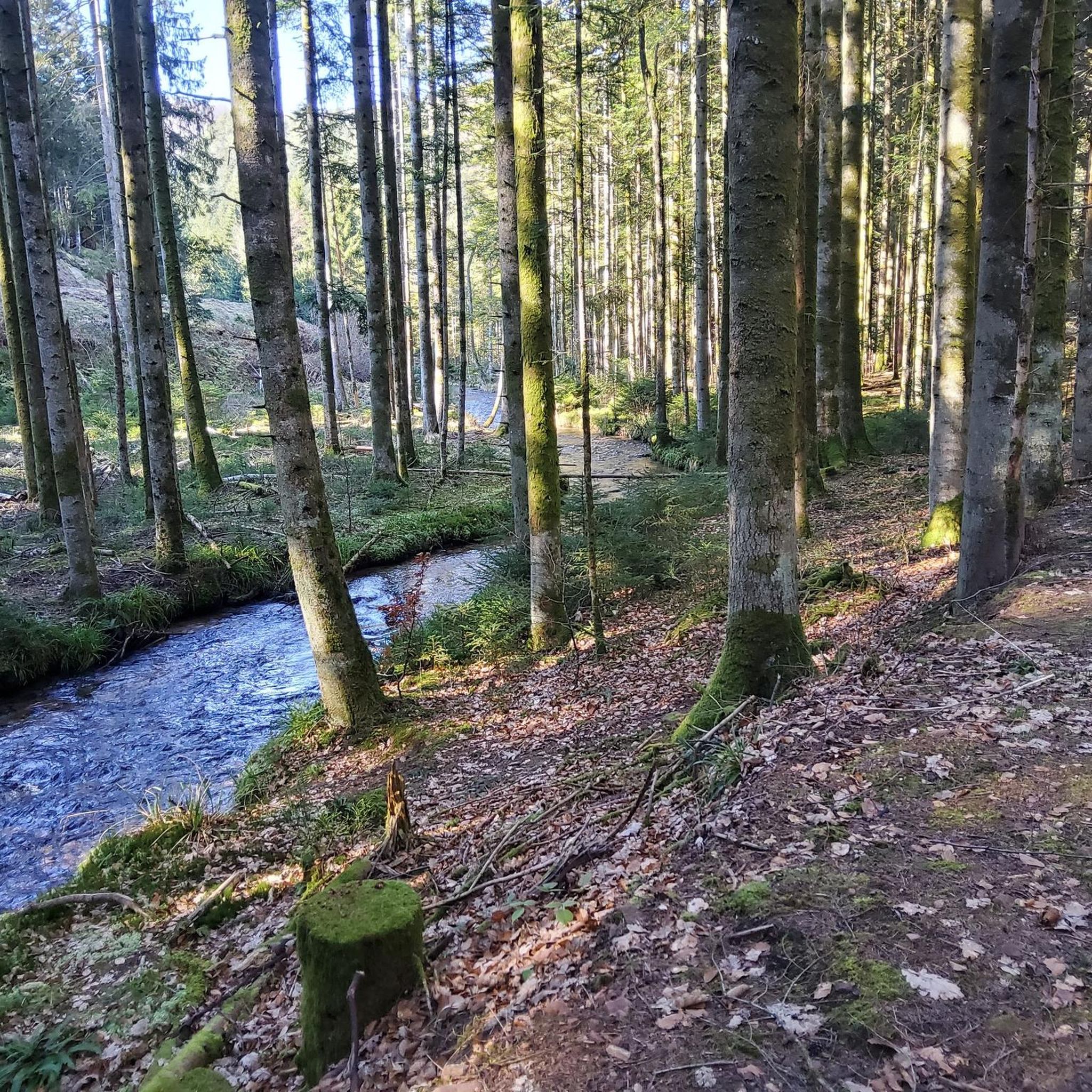
Extensive walking and hiking trails are available to visitors here, which offer freshness and shade, especially in summer. The legend of the giants of Nideck Castle gives the place a special atmosphere, which is further enhanced by the wilderness and the forest.
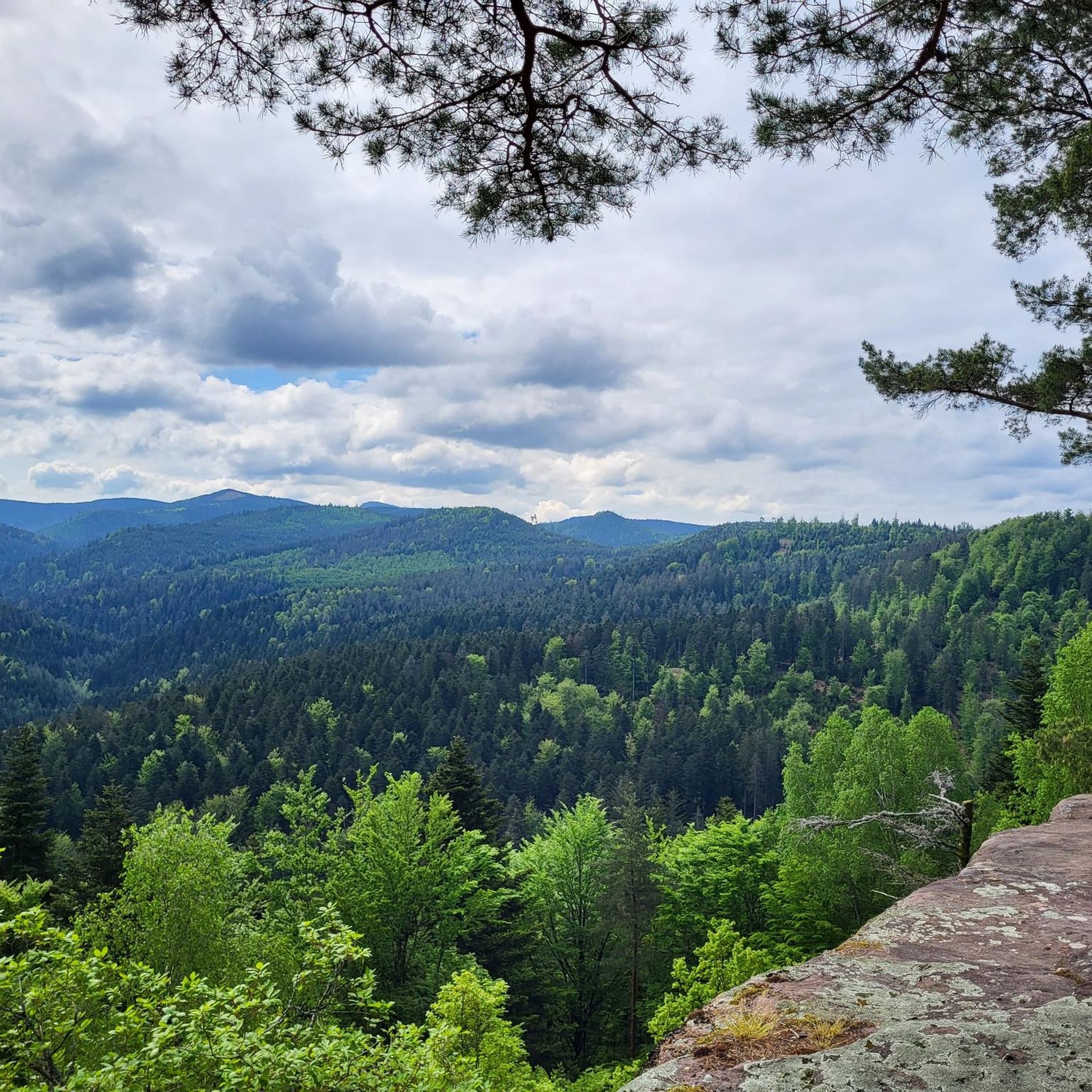
The mountaintop itself offers exceptional views of the Bruche Valley. Extra paths have been laid out for easy access to the waterfall.
Even if the waterfall mutates into a small trickle in summer, the charm and attraction of this romantic place remains unchanged.
Access: RD 218, hiking trail opposite the "Maison forestière du Nideck"
visit.alsace/en/218006759-the-waterfall-of-nideck
Translated by Google •
Tip by

Sign up now to discover places like this
Get recommendations on the best single tracks, peaks, & plenty of other exciting outdoor places.
Sign up for free
Ruins of Nideck Castle
Highlight • Castle
Translated by Google •
Tip by

Schneeberg Summit
Highlight • Summit
Translated by Google •
Tip by

Stone Gate
Highlight • Natural Monument
Translated by Google •
Tip by
Sign up for free to discover even more attractions around Sankt Quirin.
Sign up for free
Already have an account?
Start today with a free account
Your next adventure awaits.
Login or Signup
Tips from the Community

Great rock formation along the way
1
1

The waterfall is beautiful, the site is secure and accessible to all
2
0


Beautiful rock gate made of red sandstone... From here the path continues up to the Rocher de Mutzig... it's best to come at off-peak times, then you have the rock to yourself...
2
0
Nice climb on the narrow path to Porte de Pierre
1
0
Beautiful waterfall, although it has relatively little water in the summer... Lots of people always gather in the adjacent stream bed, as it is a nice, shady place for a break...
2
1
It is worth climbing the steep steps of the ruins to the top of the remains of the tower... From the top you have a wonderful view over the wooded hills of the Vosges...
2
0

The castle ruins in the natural area, which have been listed as a historical monument since 1898, are not the remains of one but of two castles. The lower castle (Unternideck) was probably built in the first half of the 13th century. Today, the square keep and a fortified wall that separated the residential building can still be seen. The keep shows a change in the structure that indicates an interruption in construction (formats and unevenness of the stones, structure of the vaults...). The upper castle (Obernideck) was probably built in the 14th century. Its ruins are less well preserved, only a few heavily restored walls can still be seen. A castle on the Nideck was first mentioned in 1264. Sire Burckart lived here at that time. From 1336, the castle was a fief of the Diocese of Strasbourg and was then given to the citizens of Strasbourg. The inhabitants of both castles concluded several truces, especially in 1393 and 1422. These "peace treaties", which bear witness to the history of the place, laid down the rules for coexistence, supplies and armament of the fortress. From the 15th century onwards, the castle changed hands several times in successive attacks. The castle was finally destroyed in 1636 in the Thirty Years' War. Text of the information board
2
0
Frequently Asked Questions
What are some unique historical landmarks to explore in Sankt Quirin?
Beyond the well-known Donon Temple and Ruins of Nideck Castle, Sankt Quirin is home to a distinctive Priory Church, originally from the 13th century and rebuilt in Baroque style, featuring unique onion bulb domes. You can also visit the Chapel of Glassmakers, a lovely Rococo building with folk art stained glass.
Where can I find impressive natural sights and viewpoints around Sankt Quirin?
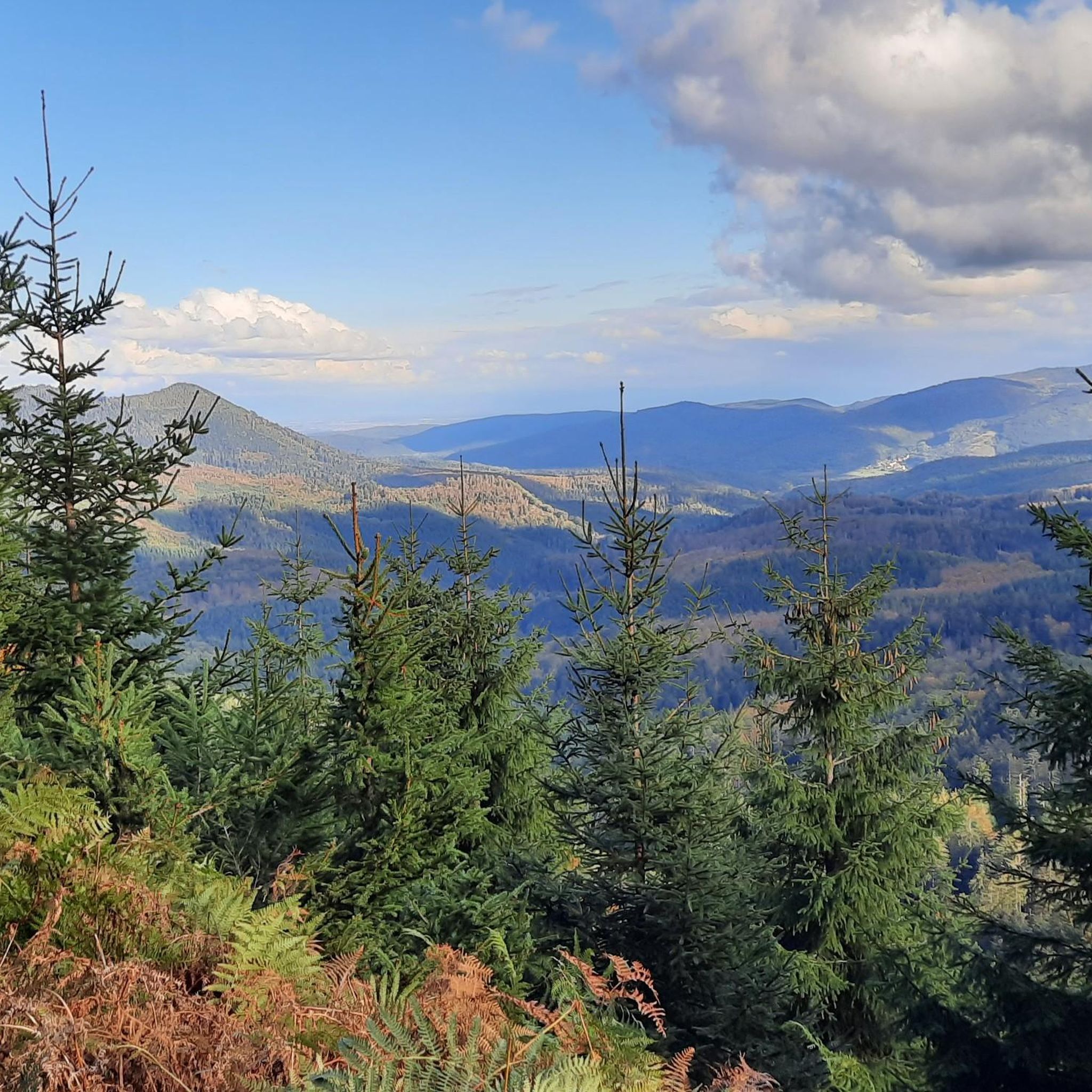
The region offers several stunning natural features. The Nideck Waterfall cascades 25 meters from a volcanic rock wall, surrounded by extensive walking trails. For panoramic views, head to the Schneeberg Summit, which offers superb vistas of the Champ du Feu plateau and the Mossig valley. The Donon Temple site also provides sublime views across the Vosges.
Are there any ancient or archaeological sites in the Sankt Quirin area?
Yes, Sankt Quirin has a rich heritage dating back to the Gallo-Roman era. You can explore the archaeological remains at the La Croix Guillaume site in the forest, which shows traces of ancient housing, economic activities, and worship. The Donon Temple itself is built on a site with Celtic and Roman cult origins.
What kind of forest landscapes can I expect to see around Sankt Quirin?
The area surrounding Sankt Quirin is characterized by massive forest landscapes, including the state forests of Abreschviller, Walscheid, and Saint-Quirin. These forests, ranging from 300 to 1,000 meters above sea level, feature a mix of coniferous and deciduous trees, offering numerous scenic walks and a refreshing environment.
What hiking opportunities are available near Sankt Quirin's attractions?
The region around Sankt Quirin is excellent for hiking. You can find extensive walking and hiking trails near the Nideck Waterfall and Ruins of Nideck Castle. For more structured routes, explore the Running Trails around Sankt Quirin, which include routes like the 'Source of the Red Saar – Donon Temple loop' and 'Lampertstein Rock loop'.
Are there options for mountain biking or road cycling around Sankt Quirin?
Absolutely. Sankt Quirin offers diverse terrain for cyclists. For mountain biking, check out the MTB Trails around Sankt Quirin, with routes such as the 'Chapelle-Haute de Saint-Quirin loop'. Road cyclists can explore the Road Cycling Routes around Sankt Quirin, including challenging loops like 'Col du Donon – Chapelotte Pass'.
What do visitors particularly enjoy about the Donon Temple?
Visitors appreciate the Donon Temple for its rich history as a Celtic and Roman cult site and the sublime views it offers across the Bruche Valley and the Vosges. It's considered a must-visit for its historical significance and scenic beauty, providing a unique blend of cultural discovery and natural splendor.
What makes the Nideck Waterfall a popular spot, and when is the best time to visit it?
The Nideck Waterfall is popular for its dramatic 25-meter cascade from a volcanic rock wall and the romantic, wild atmosphere of its surroundings. It's recommended to visit after rain or during spring snowmelt for the most impressive flow. While charming year-round, it can be less spectacular in summer when water levels are low. Weekday visits are suggested to avoid crowds.
Are there family-friendly attractions or activities in Sankt Quirin?
The natural areas around Sankt Quirin, particularly the extensive walking and hiking trails near the Nideck Waterfall, offer refreshing and shaded paths suitable for families. The legend of the giants of Nideck Castle also adds an imaginative element for younger visitors. Many forest walks around the village are also accessible for families.
What is the significance of Sankt Quirin as a pilgrimage village?
Sankt Quirin is a historic pilgrimage village, known for housing relics of St. Quirin in its Priory Church. Five annual processions take place, with the pilgrimage on Ascension Day being particularly notable, often accompanied by a bustling fair in the village streets. This tradition highlights the village's deep cultural and religious roots.
Are there any unique natural rock formations to discover?
Yes, you can discover the Stone Gate, an impressive and unique red sandstone rock formation that resembles a natural arch. It's an ideal spot for a short break and can be combined with a tour to the nearby Rocher de Mutzig.
What are some lesser-known or 'hidden gems' around Sankt Quirin?
Beyond the main highlights, explore the 'miraculous fountain' below the priory, attributed with healing powers for skin diseases. The Chapel of Glassmakers in Lettenbach is another charming Rococo building with unique folk art stained glass. The Gallo-Roman site of La Croix Guillaume also offers a glimpse into the region's ancient past.
What are the best times of year to visit Sankt Quirin for outdoor activities?
Spring and autumn are generally ideal for outdoor activities in Sankt Quirin, offering pleasant temperatures for hiking and cycling through the forest landscapes. Spring provides lush greenery and fuller waterfalls, while autumn brings vibrant foliage. Summer offers warmth and shade in the extensive forests, though popular spots like the Nideck Waterfall can be crowded on weekends.
Most popular routes around Sankt Quirin
Most popular attractions around Sankt Quirin

Get inspired with the komoot mobile app


Explore more
Still not found the Highlight you’re looking for? See guides of the top attractions in other regions:
