Attractions and Places To See around Arbérats-Sillègue - Top 18
Best attractions and places to see around Arbérats-Sillègue include a blend of historical landmarks, cultural sites, and natural features in the Pyrénées-Atlantiques department of southwestern France. The commune is characterized by its rolling terrain and historical depth, with some structures dating back to the 12th century. Visitors can explore ancient houses, religious buildings, and recreational areas. The region offers opportunities to discover local heritage and natural landscapes.
Best attractions and places to see around Arbérats-Sillègue
- The most popular attractions is…
Last updated: May 26, 2026
The Bridge of the Legend
Highlight • Bridge
Formerly called "Pont Maïor", then "Pont de l'Hôpital" (it came out near the hospital for pilgrims of Saint Jacques de Compostelle), the old fortified bridge is now …
Translated by Google •
Tip by

Gibraltar Stele
Highlight • Monument
Translated by Google •
Tip by

Sign up now to discover places like this
Get recommendations on the best single tracks, peaks, & plenty of other exciting outdoor places.
Sign up for free
Chapelle de Soyarza
Highlight • Religious Site
Translated by Google •
Tip by

Pont de la Légende and Monréal Tower, Sauveterre-de-Béarn
Highlight • Bridge
Translated by Google •
Tip by
Viellenave bridge and mill
Highlight • Bridge
Translated by Google •
Tip by

Sign up for free to discover even more attractions around Arbérats-Sillègue.
Sign up for free
Already have an account?
Start today with a free account
Your next adventure awaits.
Login or Signup

Tips from the Community

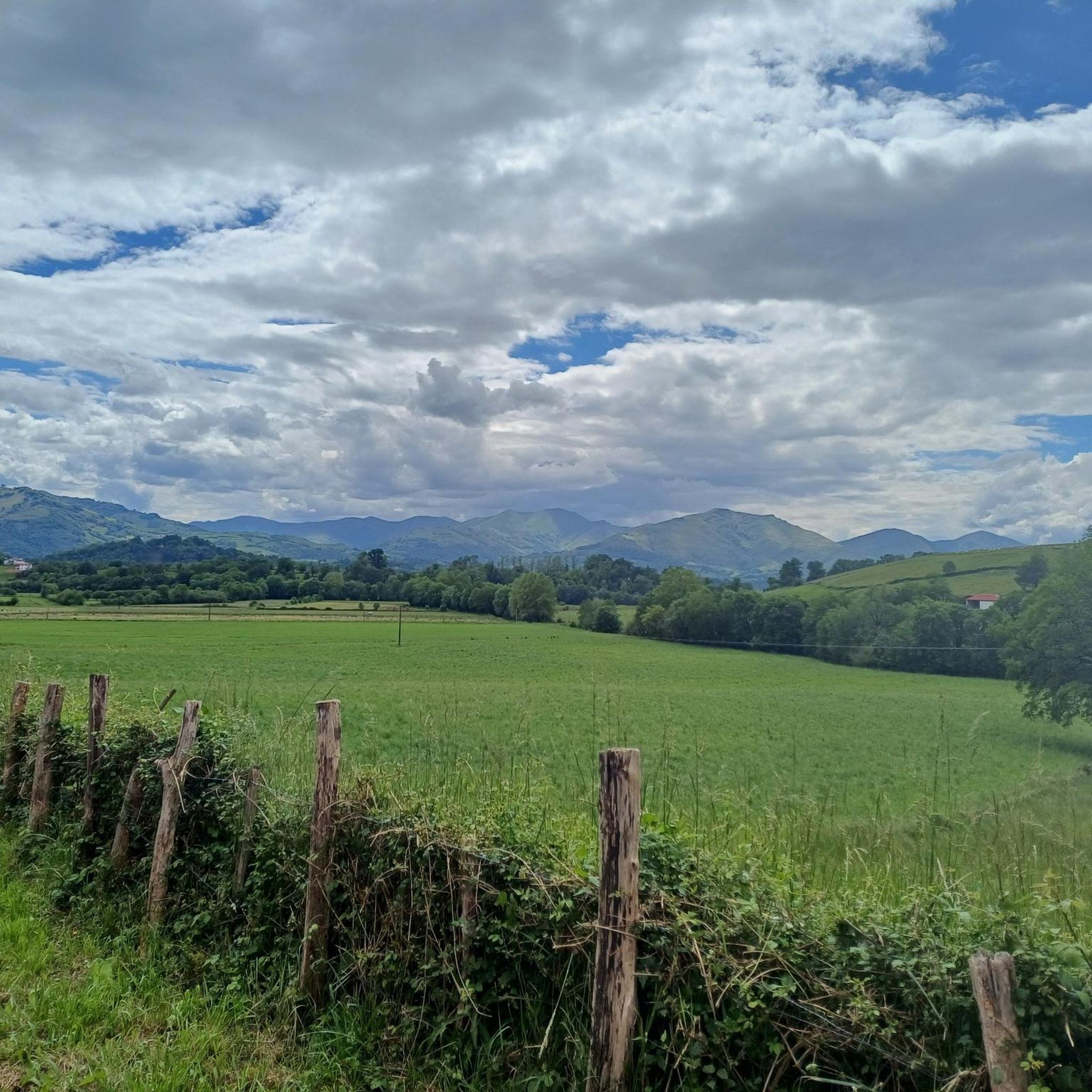
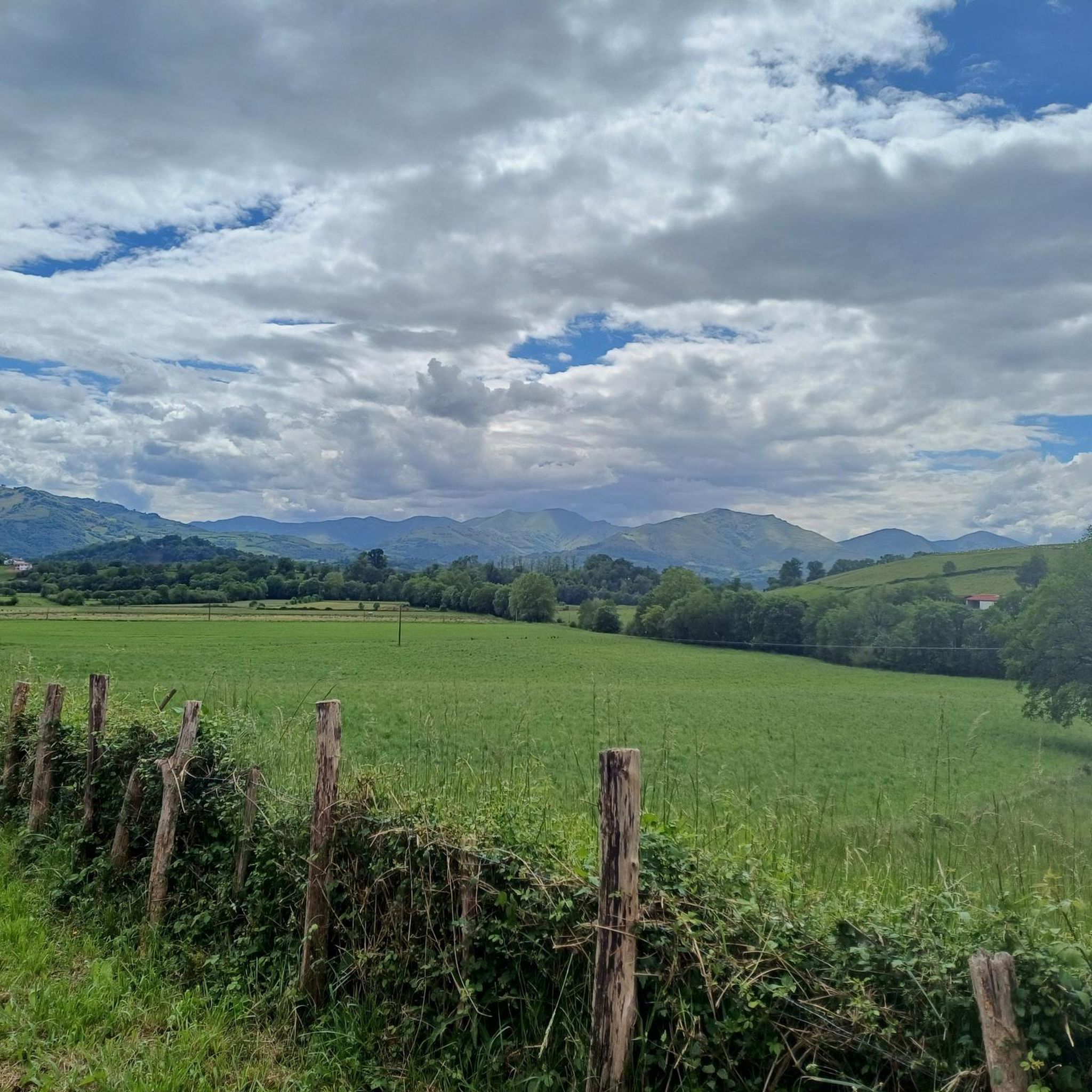
beautiful view, there is water and, if necessary, a rainproof place (for a maximum of 2 people), it is on the Way of St. James and you often meet other hikers or cyclists
0
0


Between Saint-Palais and Ostabat, three French Ways of St. James meet at a particularly beautiful stele, which lead together to Saint-Jean-Pied-de-Port. Via Podiensis / Voie du Puy-en-Velay Via Lemovicensis / Voie de Vezelay Via Touronensis / Voie de Tours
1
0

Near Ostabat, the Gibraltar Stele marks the spot where the three great routes to Santiago meet.
3
0

The so-called Roman bridge is mentioned from the 12th century, and was rebuilt in the 18th century. It has four arches over the Bidouze; The mill is attached to the bridge of Viellenave, and is quoted from the twelfth century. It was rebuilt in the 17th century: millstones, bread oven, dam, under restoration since 2002. https://fr.wikipedia.org/wiki/Viellenave-sur-Bidouze
3
0
In the small hamlet of Gibraltar, a special cross stone marks the point where the Camino from Tours, Vezelay and Le Puy meet. From here they continue together.
0
0

Superb view of the ruins on the transparent water.
0
0
Frequently Asked Questions
What historical landmarks can I explore in Arbérats-Sillègue?
Arbérats-Sillègue is rich in history. You can visit the historic Château d'Arbérats, which has roots dating back to the 12th century. The village also features approximately 80 ancient houses, some with histories traceable to the 12th century, offering a glimpse into the region's past. Additionally, the 17th-century Église Saint-Laurent and the ancient Chapelle de Sillègue are significant religious heritage sites.
Are there any notable natural attractions or viewpoints in the area?
While Arbérats-Sillègue is known for its historical depth, you can find natural beauty and viewpoints. The commune is situated within the Bidouze Valley, characterized by rolling terrain. For panoramic views, visit Chapelle de Soyarza, located at an altitude of 290 meters, offering a 360° view of the Pyrenees.
What cultural sites are important in Arbérats-Sillègue?
Beyond its churches, Arbérats-Sillègue has several cultural sites. The Fronton at Arbérats is a significant Basque pelota court, central to local sporting traditions. The commune also features two cemeteries with numerous discoidal steles and funerary crosses, reflecting local traditions. A renovated former school building now serves as a festival hall, hosting community events, including the significant EHZ Festival (Euskal Herria Zuzenean) which celebrates Basque culture.
Are there family-friendly attractions around Arbérats-Sillègue?
Yes, several attractions are suitable for families. The The Bridge of the Legend is a historical site with a captivating local legend that can engage children. The Roman-era Pit has been transformed into a leisure park, providing a unique recreational space. Additionally, adjacent to the new fronton, you'll find a dedicated pétanque area and a football field for recreational activities.
What outdoor activities can I do near these attractions?
The region around Arbérats-Sillègue offers various outdoor activities, particularly cycling and mountain biking. You can find numerous routes for different skill levels. For mountain biking, explore trails like the 'Gibraltar Stele – Chapelle de Soyarza loop from Amendeuix-Oneix' which is moderate, or more challenging options. For gravel biking, routes like 'Kleines Legohaus – Saint-Palais loop' are available. You can find more details on these routes in the MTB Trails around Arbérats-Sillègue, Gravel biking around Arbérats-Sillègue, and Cycling around Arbérats-Sillègue guides.
Are there hiking trails near Arbérats-Sillègue attractions?
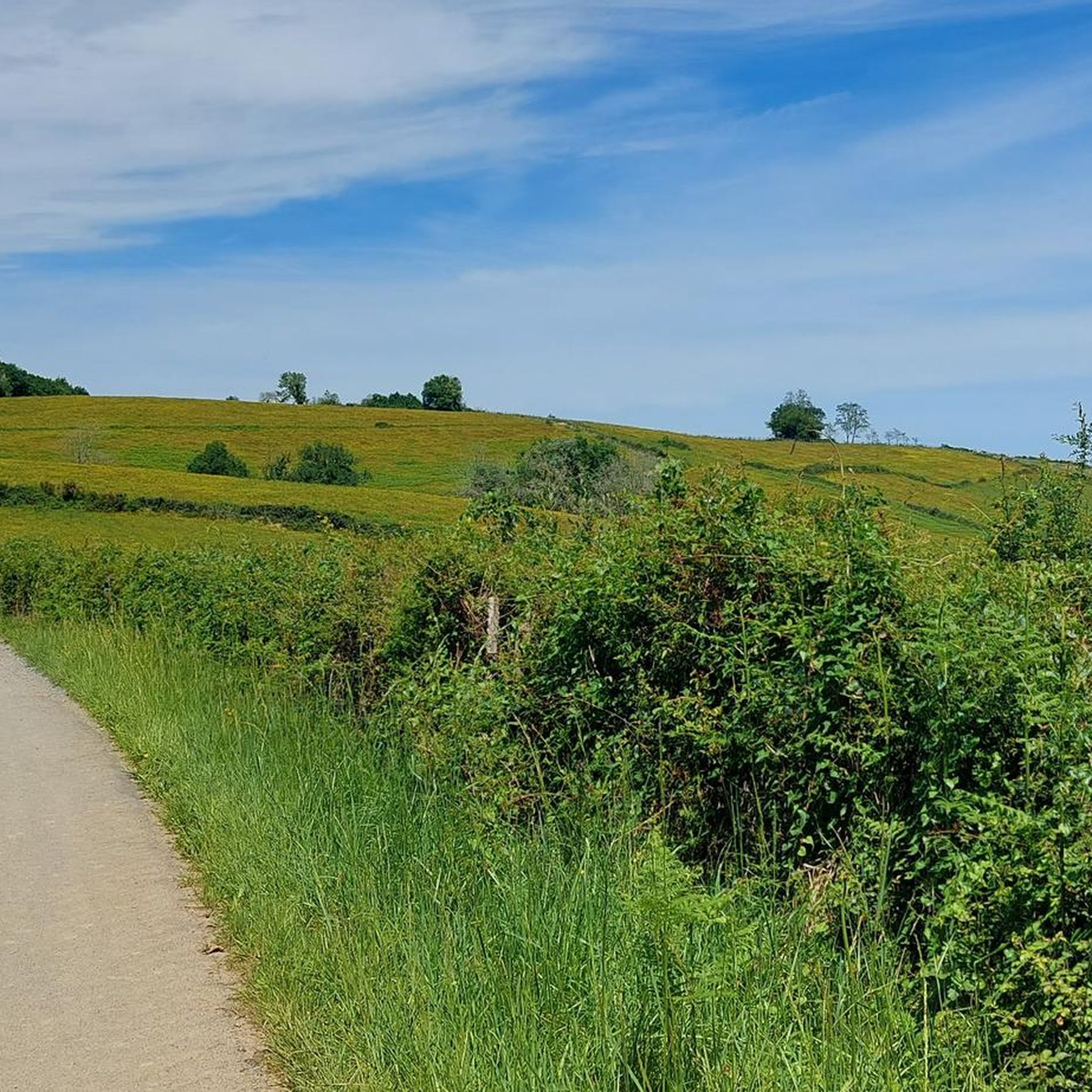
While specific hiking trails directly linked to the attractions are not detailed, the region's rolling terrain within the Bidouze Valley is suitable for walking. The Chapelle de Soyarza is noted to be on the GR65, with both ascent and descent being steep and rocky, offering a rewarding hike with great views. Many cycling routes also offer scenic paths that can be adapted for walking.
What is the significance of the Gibraltar Stele?
The Gibraltar Stele, located near Ostabat, marks a historically significant spot where the three great French routes of the Way of St. James (Via Podiensis, Via Lemovicensis, and Via Touronensis) converge before continuing together towards Saint-Jean-Pied-de-Port. It's a beautiful and symbolic landmark for pilgrims and history enthusiasts.
What is the story behind The Bridge of the Legend?
The The Bridge of the Legend, formerly known as 'Pont Maïor,' is steeped in local folklore. Its current name refers to the legend of Sancie, Viscountess of Béarn, who in 1170 was subjected to an 'ordeal by water' at this bridge to prove her innocence after a tragic event. Miraculously, she survived, proving her innocence and giving the bridge its legendary status.
What do visitors enjoy most about the attractions around Arbérats-Sillègue?
Visitors appreciate the blend of historical depth and natural beauty. The panoramic views from Chapelle de Soyarza are frequently praised for their 360° perspective of the Pyrenees. The historical significance and captivating legend of The Bridge of the Legend also make it a popular spot. The overall charm of the ancient houses and cultural sites contributes to a rich visitor experience.
Is there a 'Roman bridge' in the area?
Yes, the Viellenave bridge and mill is often referred to as a 'Roman bridge,' though it is mentioned from the 12th century and was rebuilt in the 18th century. It features four arches over the Bidouze river. Adjacent to it is a mill, also dating back to the 12th century, which is currently undergoing restoration.
What is the best time to visit Arbérats-Sillègue for outdoor activities?
Given its location in southwestern France, the spring (April-June) and autumn (September-October) months generally offer pleasant weather for outdoor activities like cycling and walking, with milder temperatures and beautiful landscapes. Summers can be warm, while winters are cooler but may still offer opportunities for exploration depending on conditions.
Most popular routes around Arbérats-Sillègue

Get inspired with the komoot mobile app


Explore more
Still not found the Highlight you’re looking for? See guides of the top attractions in other regions:
