Attractions and Places To See around Mézilhac - Top 20
Best attractions and places to see around Mézilhac include a blend of natural beauty, historical landmarks, and cultural insights within the wider Monts d'Ardèche region. This area in the Ardèche department of France is characterized by its volcanic geology and rural architecture. Visitors can explore numerous natural sites, including volcanic summits and waterfalls, alongside cultural points of interest. The region is part of the UNESCO-recognized Monts d'Ardèche Geopark, known for its rich natural identity.
Best attractions and places to see…
Last updated: July 6, 2026
Mount Gerbier de Jonc
Highlight • Summit
Translated by Google •
Tip by

Ray-Pic Waterfall
Highlight • Waterfall
Translated by Google •
Tip by

Sign up now to discover places like this
Get recommendations on the best single tracks, peaks, & plenty of other exciting outdoor places.
Sign up for free
Tchier de Borée
Highlight • Monument
Translated by Google •
Tip by

Montivernoux Climb
Highlight • Climb
Translated by Google •
Tip by

Suc de Sara
Highlight • Mountain Hut
Translated by Google •
Tip by
Sign up for free to discover even more attractions around Mézilhac.
Sign up for free
Already have an account?
Start today with a free account
Your next adventure awaits.
Login or Signup
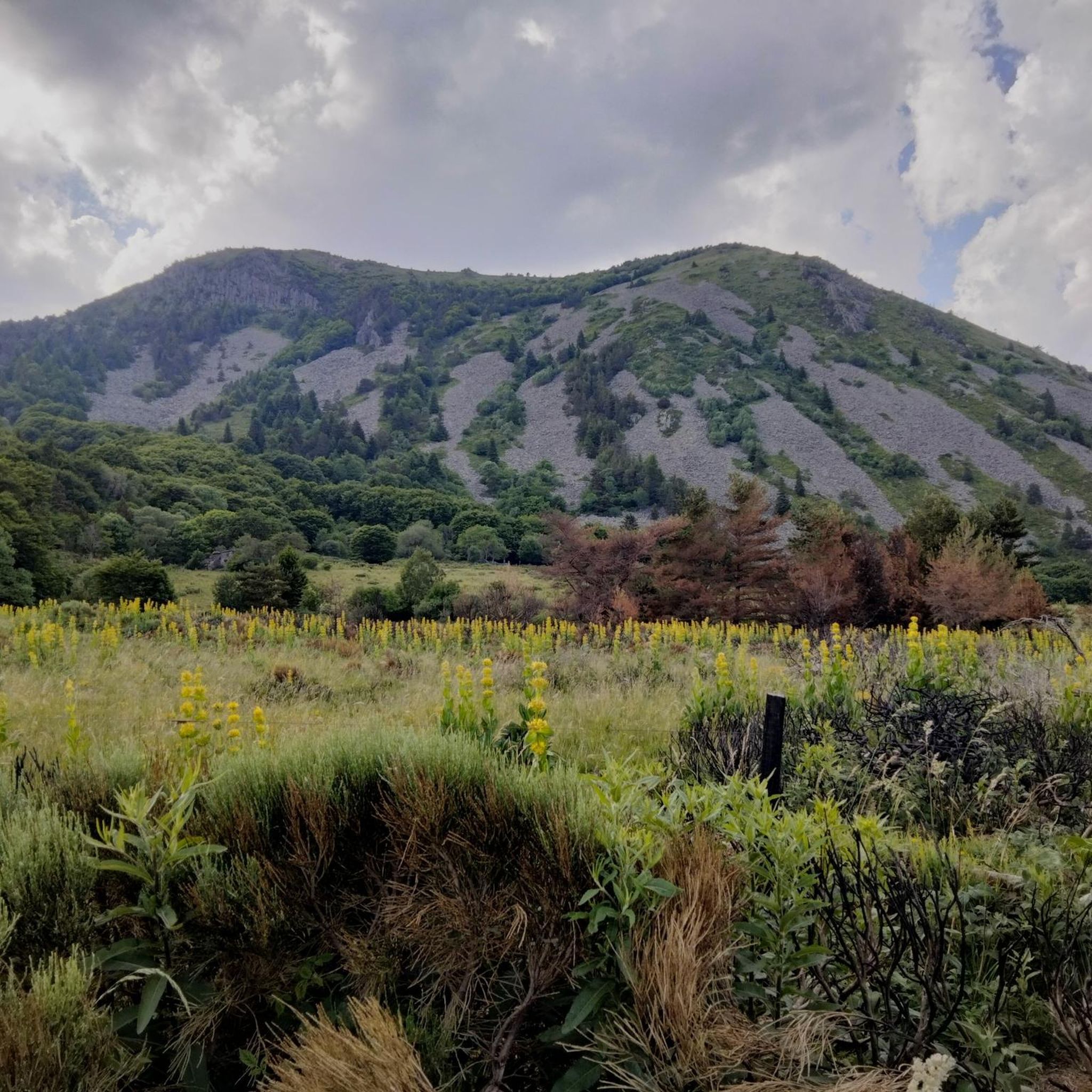

Tips from the Community

The Tchier de Borée is a contemporary artwork situated in the heart of the volcanic landscapes of the Boutières region. Created in 2008 by Fabienne Versé and Serge Boyer, this megalithic installation comprises 70 standing stones arranged in a circle 80 meters in diameter. Each stone bears a symbol or message: runes, astrological signs, natural elements (air, water, fire, earth), winds, mythology… The word “Tchier” (from the local dialect) means “pile of stones”: a tribute to stone, time, and the memory of the land. https://www.montagnedardeche.com/patrimoine-culturel/tchier-de-boree-2634/
0
0

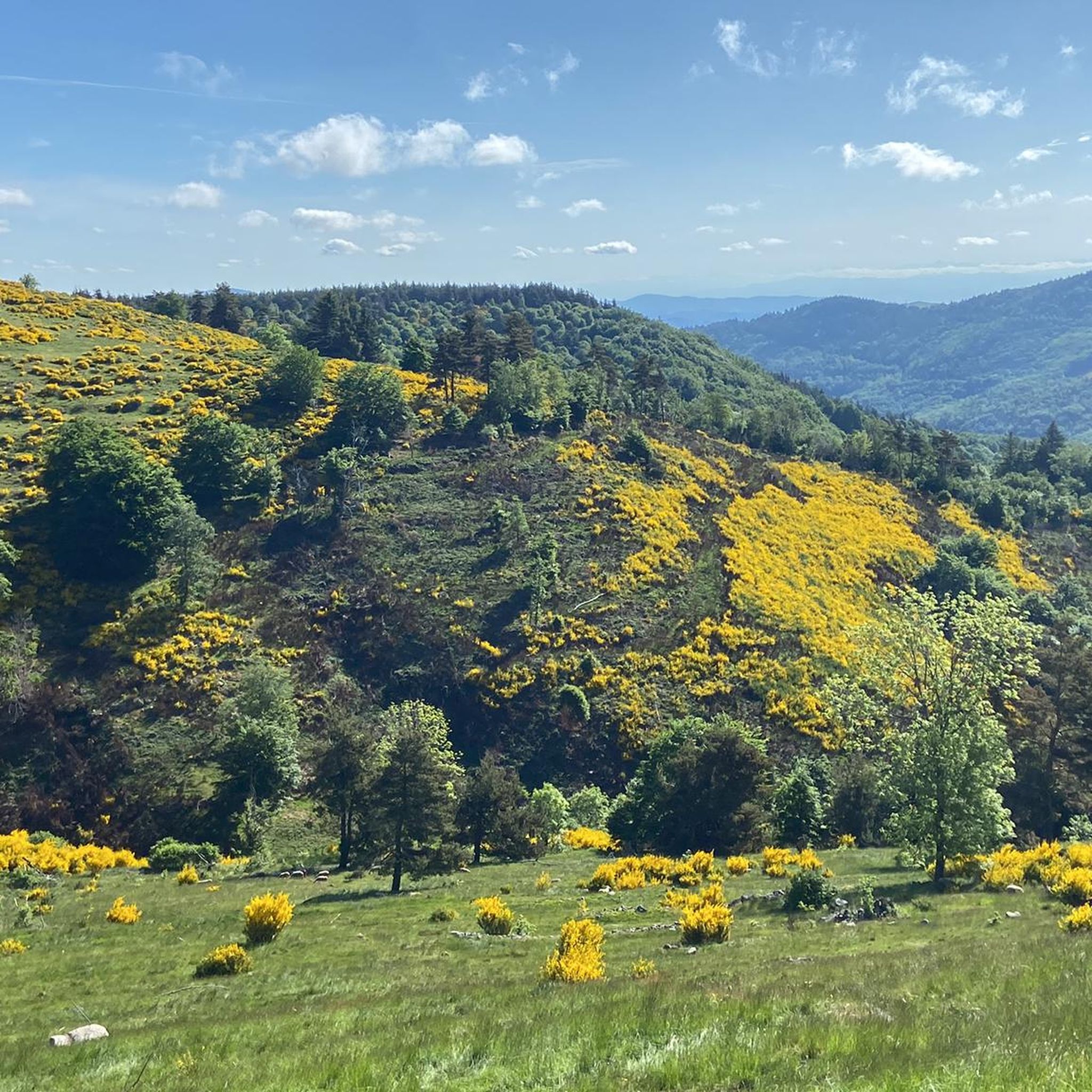
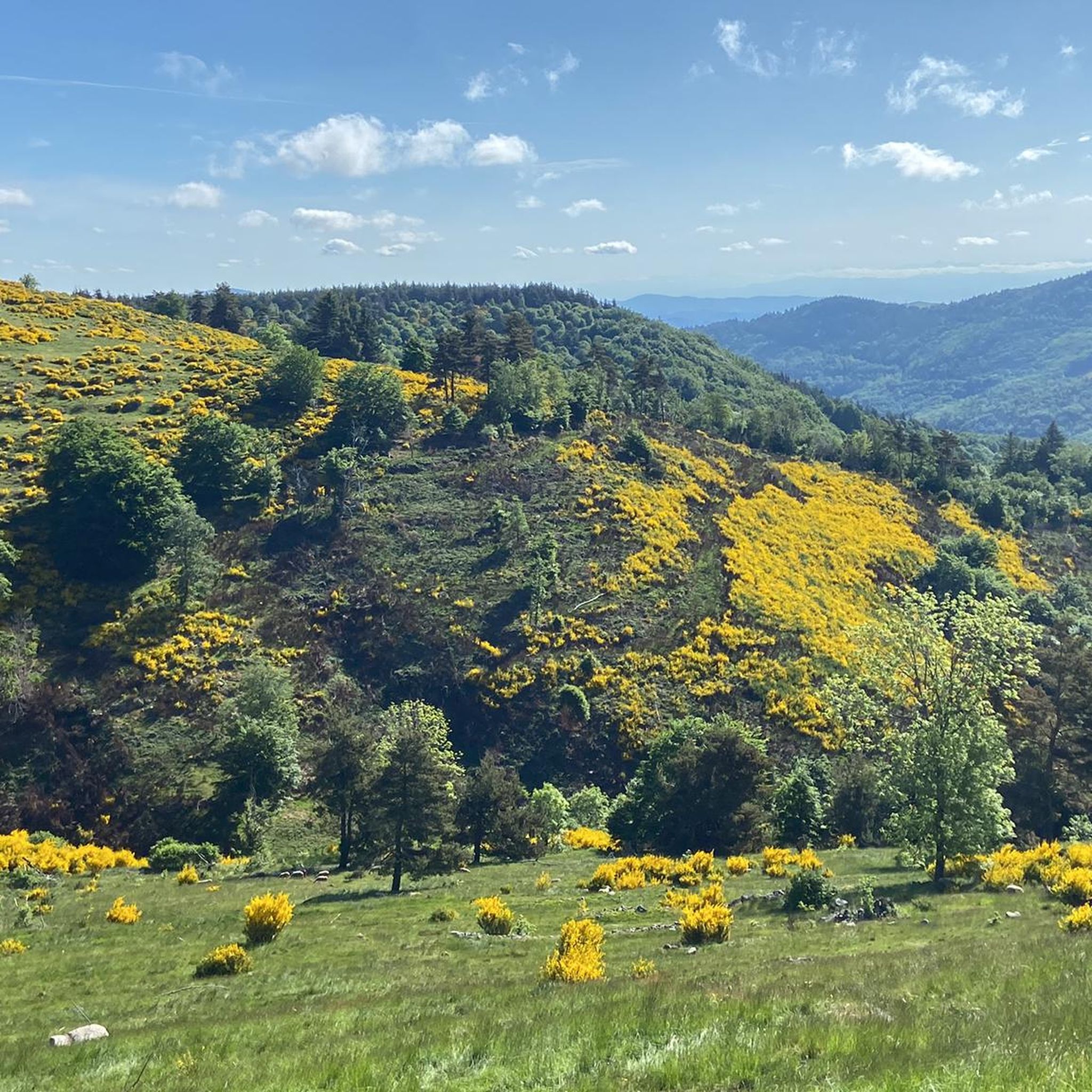
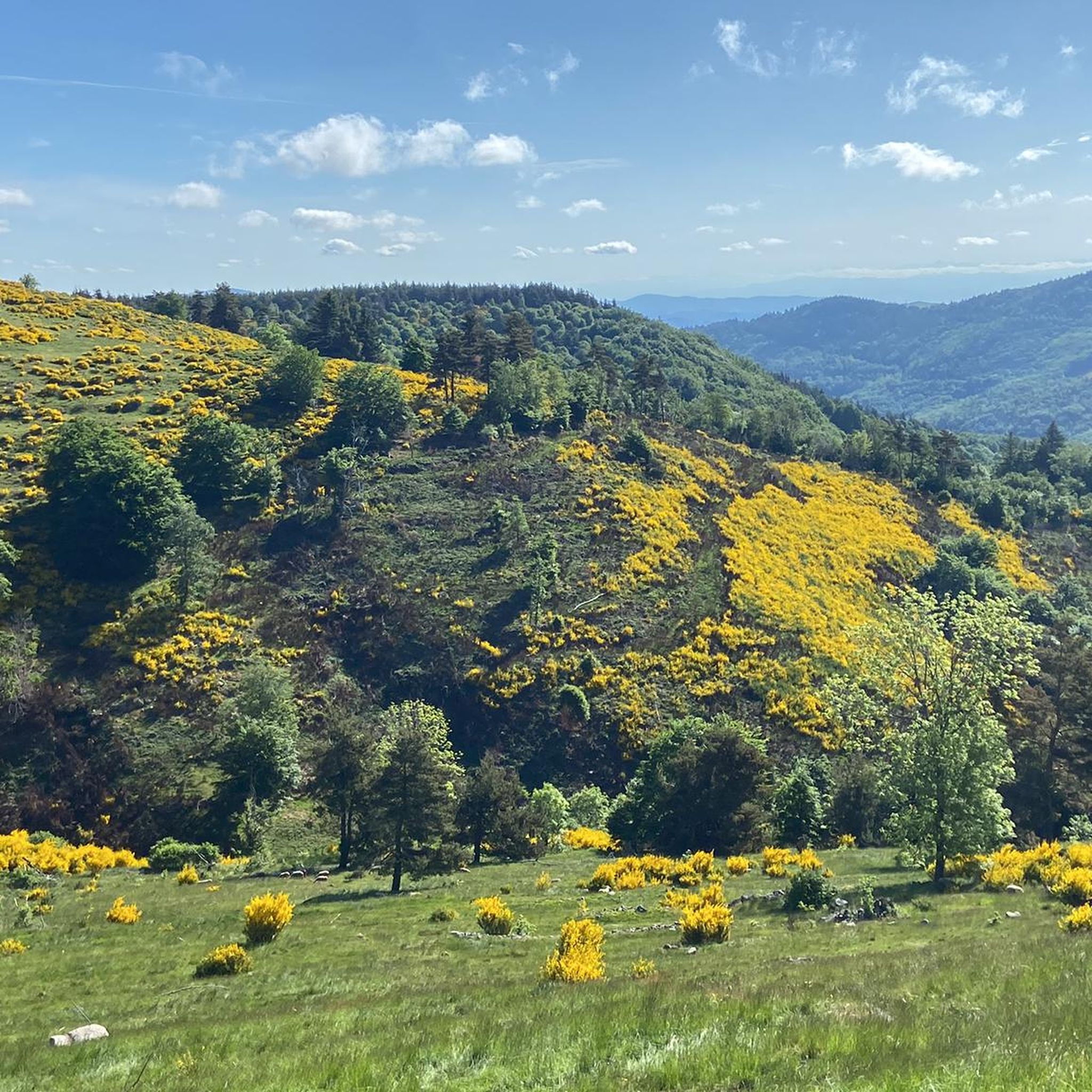
One of the most beautiful viewpoints in the region with the village of Borée, at the foot of the Sucs and Mont Mézenc
0
0

Mont Gerbier-de-Jonc is one of the highest peaks of the Monts d'Ardèche in the south-eastern Massif Central. The mountain itself is a striking, extinct volcanic cone with a good view over the Massif Central. The ascent and descent require some fitness and good footwear. There are a few short climbing rocks that cannot be avoided. But the view is worth it.
0
0

Contemporary work by Fabienne and Serge Boÿer: Glypheins sculptors. 70 stones engraved with symbols, myths of the country of Boutières, allegory. The cultural history of the high country of Boutières is told through nine themes: memory, reflection and philosophers, secrets and desires, travelers and pilgrims, astronomers and cartographers.
0
0

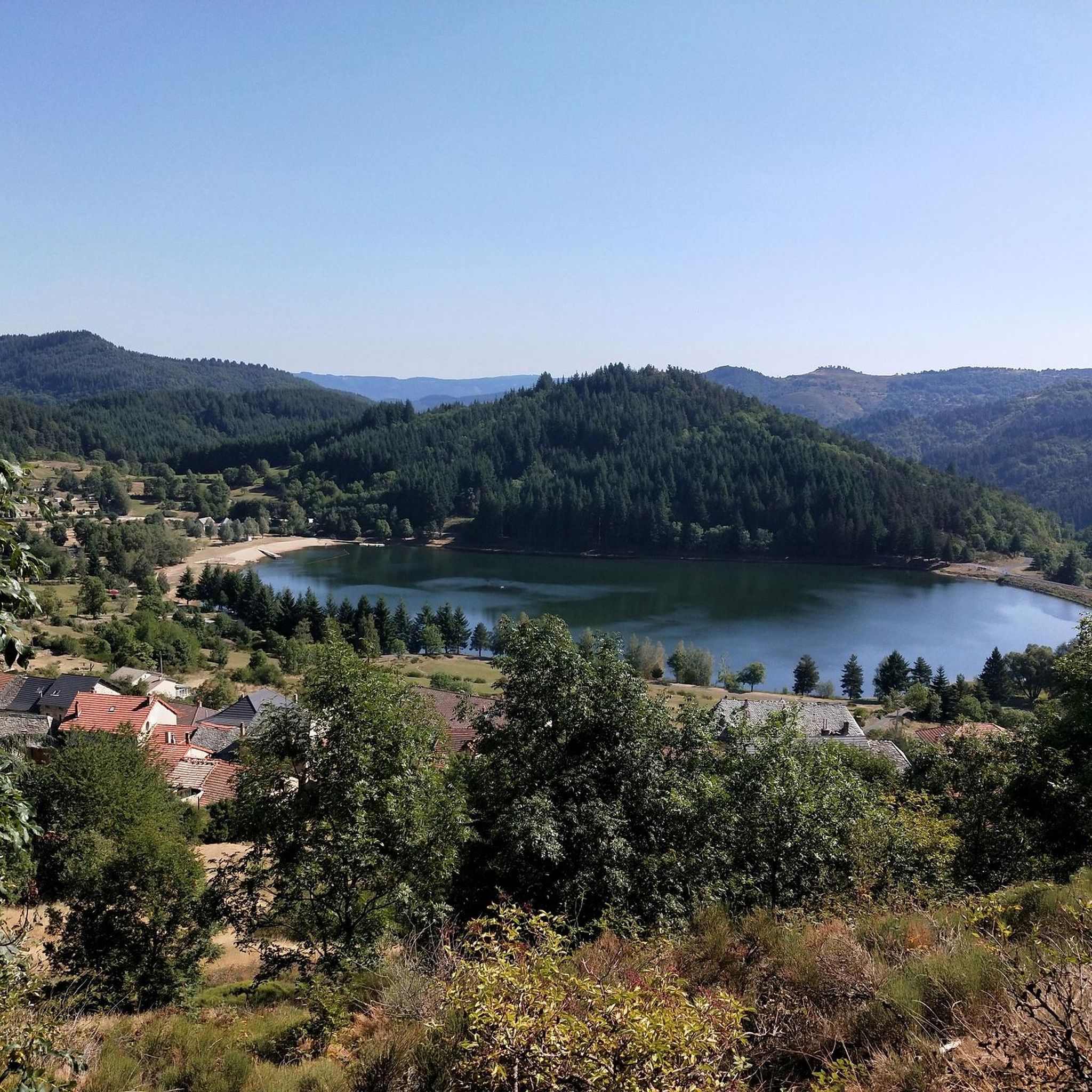
Unfortunately, swimming is forbidden
2
0

The Suc de Sara is a summit of volcanic origin located at 1,521 m. No surface volcanic activity has taken place on this peak, but it was created as a result of an underground magma chamber 6-8 million years ago. Fragments of concentric rings are all that remain to suggest its existence. From this summit, the view is magnificent.
2
0
The Suc de Sara is a summit of volcanic origin located at 1,521 m. No surface volcanic activity has taken place on this peak, but it was created as a result of an underground magma chamber 6-8 million years ago. Fragments of concentric rings are all that remain to suggest its existence. From this summit, the view is magnificent.
2
0
The Ray-Pic waterfall is a natural waterfall and a natural volcanic site. The amazing rock formations of this 60-meter waterfall follow a lava flow that forms a cascade of basalt columns.
3
0
Frequently Asked Questions
What natural landmarks can I explore around Mézilhac?
The region around Mézilhac is rich in natural volcanic features. You can visit Mount Gerbier de Jonc, a prominent volcanic summit and the official source of the Loire River, offering magnificent views. Another must-see is the Ray-Pic Waterfall, a stunning natural volcanic site with basalt columns formed by ancient lava flows. The Suc de Sara is another volcanic summit offering panoramic views, formed from an underground magma chamber millions of years ago.
Are there any historical or cultural sites to visit in Mézilhac?
Yes, Mézilhac offers several cultural and historical points of interest. You can explore the neo-Romanesque churches of Mézilhac and Sardiges, dating back to the mid-19th century. The Monument des atomistes commemorates a 1971 plane crash, and the vestiges of old Glacières de Mézilhac show how ice was preserved until the early 20th century. The restored communal Bread Oven of Sardiges also provides a glimpse into local history.
What are some family-friendly activities or attractions near Mézilhac?
Many natural sites are suitable for families. The ascent of Mount Gerbier de Jonc is recommended for families, offering a fun climb and rewarding views. The Tchier de Borée, an artistic site with carved stones, is also categorized as family-friendly and offers superb views.
Where can I find hiking trails around Mézilhac?
Mézilhac is an excellent base for hiking. You can find various trails, including moderate loops like the Col des Quatre Vios loop or the Col de Mézilhac loop. For an easier option, consider the Suc de Montivernoux loop. You can find more details and routes on the Hiking around Mézilhac guide.
Are there options for road cycling near Mézilhac?
Absolutely, the mountainous terrain around Mézilhac is popular for road cycling. There are challenging routes such as the Lachamp-Raphaël – Col de Mézilhac loop or the Col de Mézilhac – Col du Gerbier de Jonc loop. These routes often feature significant climbs and offer stunning landscapes. Explore more options on the Road Cycling Routes around Mézilhac guide.
What kind of views can I expect from the summits around Mézilhac?
The volcanic summits in the Mézilhac area offer magnificent panoramic views. From Mount Gerbier de Jonc, you can see over the Massif Central. The Suc de Sara provides a breathtaking 360-degree view. The Montivernoux Climb also offers views of the Tanargue massif and the Ardèche plateau.
Is Mézilhac part of a larger natural park?
Yes, Mézilhac is situated within the Monts d'Ardèche Geopark, a UNESCO-recognized area. This geopark is renowned for its unique volcanic geology, rural architecture, and rich natural identity, featuring numerous 'geosites' and around 50 extinct volcanoes.
Are there any unique artistic installations in the Mézilhac area?
Yes, the area features the Glypheins sculptors' work by Fabienne and Serge Boÿer. This contemporary art project consists of 70 stones engraved with symbols and myths of the Boutières region, exploring themes like memory, philosophers, and astronomers. You can find a notable example at Tchier de Borée.
What are the local tips for visiting Mount Gerbier de Jonc?
Visitors recommend wearing comfortable shoes with a sturdy profile for the climb. There's a one-way ascent and descent route. It's a popular spot, especially on weekends, but the effort is rewarded with terrific views. It's also a great activity with children due to the narrow path and some light climbing sections.
Can I swim at the Ray-Pic Waterfall?
While the Ray-Pic Waterfall is a spectacular natural site, swimming is unfortunately forbidden to preserve its natural beauty and for safety reasons.
What is the best time of year to visit Mézilhac for outdoor activities?
The region is generally best enjoyed during the warmer months, from late spring to early autumn, for hiking, cycling, and exploring natural sites. During these times, the weather is typically pleasant for outdoor activities, and the views are clear. However, the volcanic landscape can offer unique beauty in other seasons too.
Are there any specific monuments commemorating local history?
Yes, the Monument des atomistes at the entrance of Mézilhac commemorates the 21 victims of a military plane crash that occurred in the village on January 21, 1971. It was inaugurated in 1972 and lists the names of those from the Atomic Energy Center who perished.
Most popular attractions around Mézilhac

Get inspired with the komoot mobile app


Explore more
Still not found the Highlight you’re looking for? See guides of the top attractions in other regions:
