Attractions and Places To See around San-Giuliano - Top 20
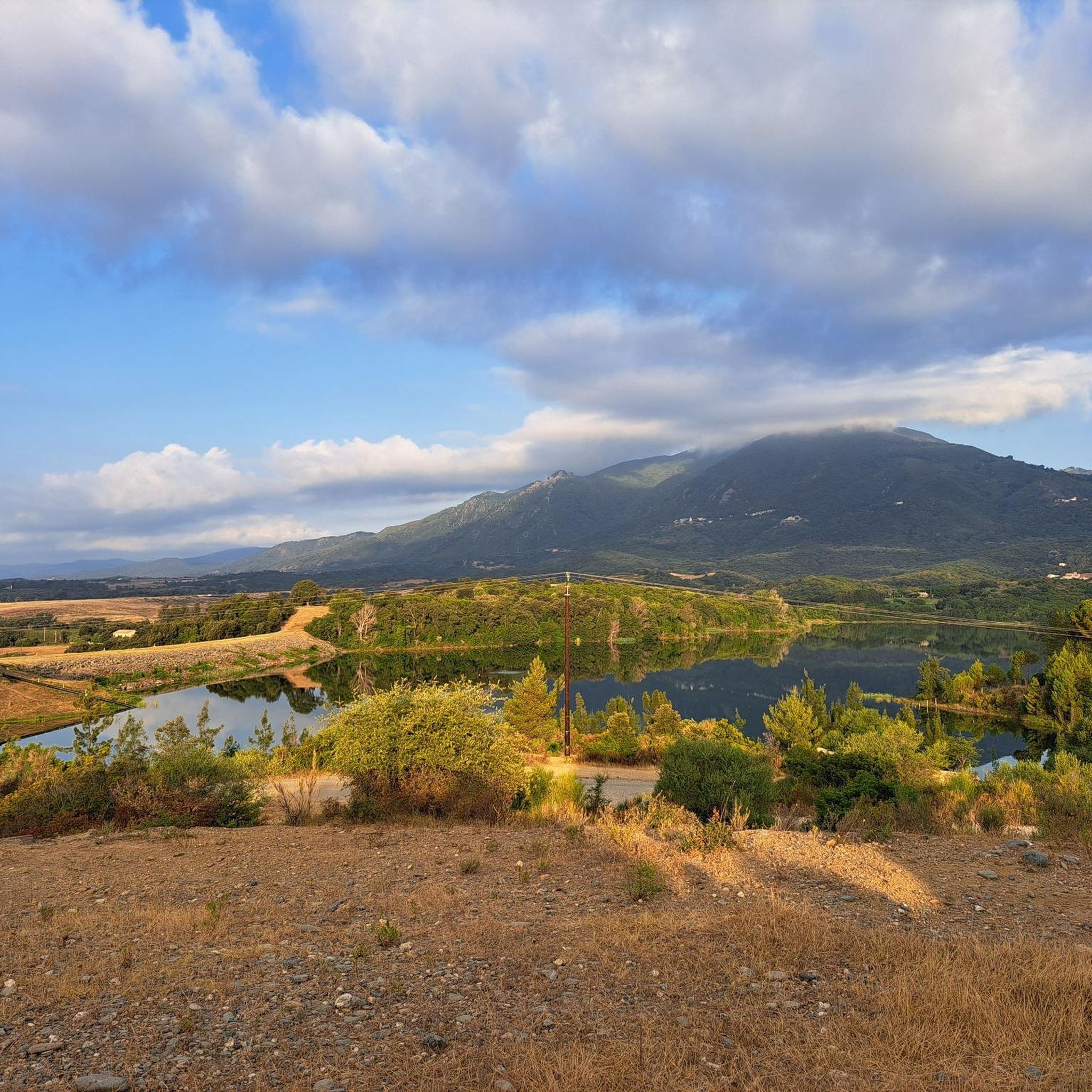
Best attractions and places to see around San-Giuliano are primarily located in Corsica, offering a mix of natural beauty and historical sites. The region features several waterfalls, gorges, and historical structures like ancient bridges and churches. Visitors can explore settlements nestled in the mountains, providing views over the coastal plain. This area is characterized by its rugged landscapes and cultural heritage.
Best attractions and places to see around San-Giuliano
- The most popular attractions is Ucelluline Waterfall, a waterfall that…
Last updated: July 2, 2026
Genoese bridge
Highlight • Historical Site
Translated by Google •
Tip by

Bucatoggio Waterfall
Highlight • Waterfall
Translated by Google •
Tip by
Sign up now to discover places like this
Get recommendations on the best single tracks, peaks, & plenty of other exciting outdoor places.
Sign up for free
Ucelluline Waterfall
Highlight • Waterfall
Translated by Google •
Tip by

Cervione
Highlight • Settlement
The …
Translated by Google •
Tip by

San Nicolao Church
Highlight • Other
Translated by Google •
Tip by

Sign up for free to discover even more attractions around San-Giuliano.
Sign up for free
Already have an account?
Start today with a free account
Your next adventure awaits.
Login or Signup
Tips from the Community

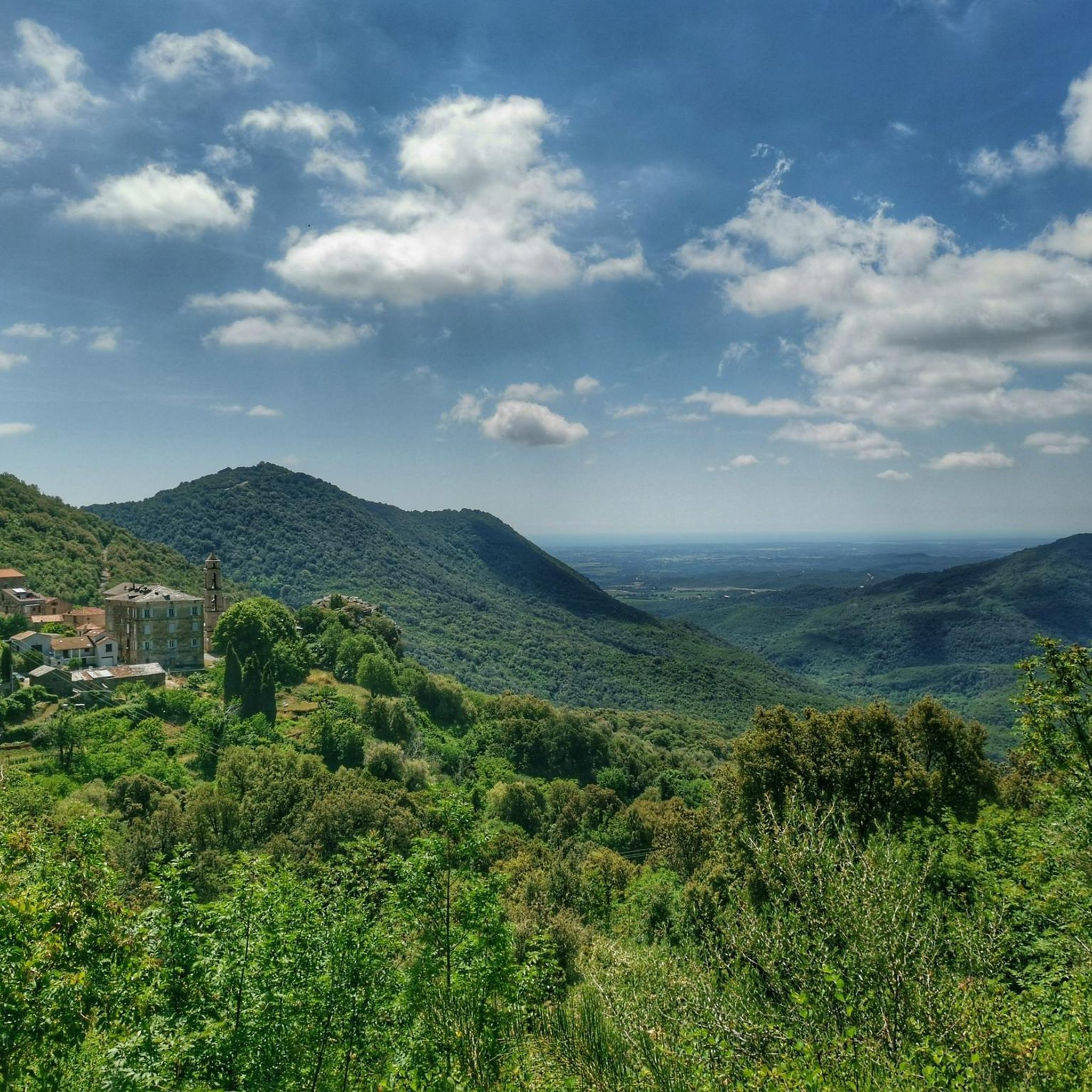
This church is one of the Baroque buildings found in Corsica. It is recognizable from afar with its distinctive bell tower, visible amidst the natural forest setting of the Costa Verde massif.
0
0

The church was begun at the beginning of the seventeenth century and completed in 1717. In 1740, embellishment works were carried out. The wall paintings were painted by Luigi Pollero in 1810. The main façade consists of two levels delimited by cornices and surmounted by a triangular pediment with three acroteria. On the first level, on either side of the portal, there are two niches that house the statues of Saint Nicholas and Saint Peter. The church ends in a semicircular apse. The bell tower rises at the junction of the apse and the right side façade. It has five floors that end in a dome surmounted by a cross. The interior consists of a nave and five richly decorated side chapels. On either side of the altar there are caryatid angels. Building dating from the first quarter of the 17th century (?), mentioned in the report of the pastoral visit of Msgr. Marliani, Bishop of Mariana and Accia, in 1646. It was restored in 1686 with the collaboration of master masons Lorenzo Chiglione and Giovanni Filippi. Rebuilt in 1717 and 1740. Main door dating from 1766. Painted decoration (investigated in the Palissy database) carried out by the painter Luigi Polleri in 1810, as shown by the date on the inside of the building. Restored in 1896.
1
0

This church has a special location. Every time I cycled past it I just had to stop for a moment. Very beautiful. 👍🏻
0
0

The suggested route is basically manageable even for inexperienced hikers. In my opinion, you should definitely wear sturdy (ankle-high) shoes if you want to go further than the bathing area. The bridge is a fun way to start, the waterfall is of course (in August) completely crowded, the rest area at the chapel is pleasant and the view and landscape in general is great. The way back on the road is relatively risky with the Corsican traffic.
0
0
Beautiful old stone bridge. You can swim underneath. Next to it is a small ruin.
0
0
You can either go up next to the bridge or go down diagonally opposite and swim if you want. There is a tunnel on the other side of the bridge.
2
1

Frequently Asked Questions
What are the main natural attractions around San-Giuliano?
The San-Giuliano area, located in Corsica, is renowned for its beautiful waterfalls and gorges. You can visit the Ucelluline Waterfall, which flows through a gorge-like valley and offers magnificent views over the coastal plain. Another must-see is the Bucatoggio Waterfall, a natural monument featuring a small lake, located further up the hill from the main path.
Are there any historical sites to explore near San-Giuliano?
Yes, the region offers several historical sites. The Genoese bridge is a notable historical landmark situated near a small grove and an upstream waterfall. Additionally, the San Nicolao Church, dating back to the 17th century, is a significant historical and architectural site with a rich past of construction and restoration, offering nice views and an old cemetery.
What kind of outdoor activities can I do around San-Giuliano?
San-Giuliano is excellent for various outdoor activities, especially cycling and mountain biking. You can explore numerous routes, such as the 'Chiatra – Alesani Dam loop' for cycling or the 'Ucelluline Waterfall – San-Nicolao loop' for mountain biking. For more detailed routes, check out the Cycling around San-Giuliano, Gravel biking around San-Giuliano, and MTB Trails around San-Giuliano guides.
Are there any charming settlements or villages to visit in the area?
Absolutely. The settlement of Cervione is a beautiful place to visit. It embraces the slopes of the Monte San Petrone massif, offering commanding views over the eastern plain. Cervione also features cafes and restaurants, and its surrounding area is popular for scenic cycle routes with views of old, pre-Corsican mountain villages.
What do visitors enjoy most about the Ucelluline Waterfall?
Visitors particularly enjoy the scenic journey to the Ucelluline Waterfall, which involves a narrow, winding mountain road with magnificent views of the coastal plain and the sea. The waterfall itself, flowing in several cascades through a gorge-like valley, is a highlight, and some tips suggest it's possible to bathe in the upper part of the Gumpe.
What should I know before visiting Bucatoggio Waterfall?
When planning a visit to the Bucatoggio Waterfall, it's important to wear appropriate footwear. Hiking boots are recommended to reach the waterfall, especially if you plan to explore further up the hill where a bigger waterfall is located. The site features a beautiful waterfall with a small lake.
Can I find cafes or restaurants in the San-Giuliano region?
Yes, the region offers options for dining. For instance, the settlement of Cervione has several cafes and restaurants where you can take a break and enjoy the local atmosphere after exploring the area.
What kind of views can I expect around San-Giuliano?
The San-Giuliano area is rich in panoramic views. From the journey to the Ucelluline Waterfall, you can enjoy magnificent vistas over the coastal plain to the sea. The settlement of Cervione also offers beautiful views of the old, pre-Corsican mountain villages and dominates the eastern plain.
Are there any specific tips for visiting the Genoese bridge?
Visitors to the Genoese bridge often mention its beauty and the adjacent forest, where you might find hazelnuts. There's also a small, beautiful grove behind it. Some tips suggest that while the bridge itself is lovely, continuing further in that specific direction might not be as rewarding.
What is the best time to visit San-Giuliano for outdoor activities?
While specific seasonal tips are not available, the region's natural beauty, including waterfalls and mountain settlements, suggests that spring and early summer would be ideal for enjoying the lush landscapes and comfortable temperatures for hiking and cycling. Autumn is also attractive for cycle routes due to the changing colors of the leaves, particularly around Cervione.
What is the significance of San Nicolao Church?
The San Nicolao Church is a historically significant landmark in the region. Begun in the early 17th century and completed in 1717, it underwent embellishment works and restorations over the centuries, including wall paintings by Luigi Polleri in 1810. Its main façade, bell tower, and richly decorated interior with five side chapels make it a notable example of local religious architecture.
Most popular routes around San-Giuliano
Most popular attractions around San-Giuliano

Get inspired with the komoot mobile app


Explore more
Still not found the Highlight you’re looking for? See guides of the top attractions in other regions:
