Attractions and Places To See around Récicourt - Top 14
Best attractions and places to see around Récicourt are primarily centered on its profound historical significance, particularly regarding World War I. Located in the Meuse department of the Grand Est region in northeastern France, Récicourt serves as a base for exploring numerous WWI battlefields and memorials. The area features preserved sites that offer insight into the conflict, including former villages and fortifications. This region provides a factual look at a pivotal period in history.
Best attractions and places to see…
Last updated: July 1, 2026
Cumières-le-Mort-Homme
Highlight • Other
It was in February 1916 that the heaviest fighting took place. …
Translated by Google •
Tip by

Mort-Homme Memorial
Highlight • Monument
Translated by Google •
Tip by

Sign up now to discover places like this
Get recommendations on the best single tracks, peaks, & plenty of other exciting outdoor places.
Sign up for free
Ravin du Génie Open-Air World War I Museum
Highlight • Historical Site
Translated by Google •
Tip by

Sister Jeanne Gérard Memorial +1794
Highlight • Monument
Translated by Google •
Tip by

Vauquois Hill
Highlight • Other
Translated by Google •
Tip by
Sign up for free to discover even more attractions around Récicourt.
Sign up for free
Already have an account?
Start today with a free account
Your next adventure awaits.
Login or Signup





Tips from the Community

This hill in the Argonne was the scene of fierce mine warfare between French and German forces during WWI. From 1915 to 1918, both sides dug extensive tunnel networks under the hill, causing hundreds of explosions and thousands of deaths. Today, impressive craters, trenches and underground passages can be seen – a poignant reminder of life and fighting underground.
7
0
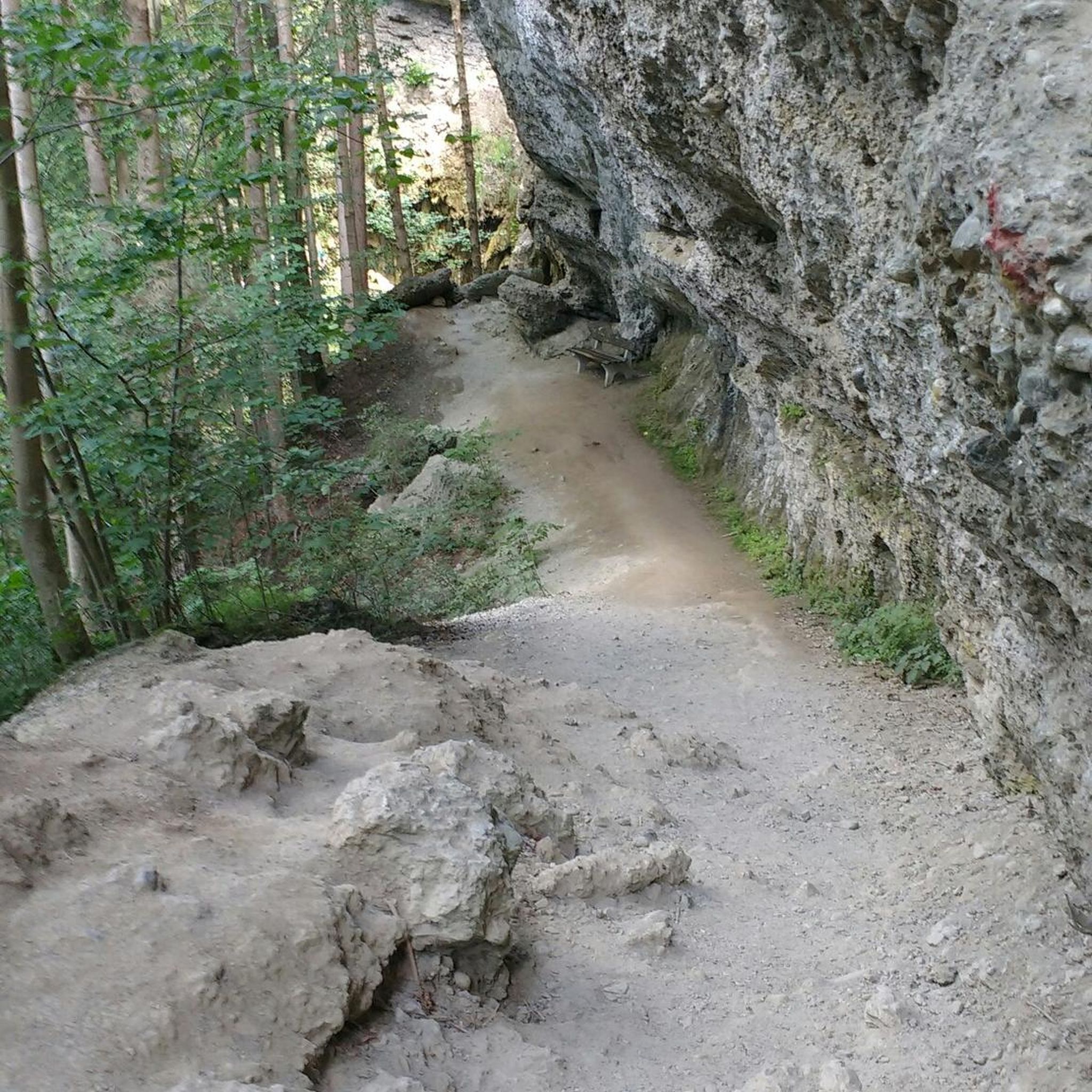
Ravin du Génie: Located in the woods of Lachalade, less than 1.2 km from the front line, this ravine was an important logistical camp for the French engineers during WWI. Soldiers found rest there, and equipment was stored for mine warfare in the Argonne. Today it is an open-air museum with the remains of barracks, warehouses and trenches – a tangible reminder of daily life behind the front. Free access with information panels.
7
0

Villages détruits, Cumières-le-Mort-Homme is one of the nine villages that were destroyed during the Battle of Verdun. Historical context: Nine villages: Beaumont-en-Verdunois, Bezonvaux, Cumières-le-Mort-Homme, Douaumont, Fleury-devant-Douaumont, Haumont-près-Samogneux, Louvemont-Côte-du-poivre, Ornes and Vaux-devant-Damloup. They were all in the “Red Zone” of the front line in the Battle of Verdun. The villages were wiped off the map and never rebuilt. Erected chapels remind passers-by of this war horror. Triggered to the disappeared villages? Click through to https://www.landofmemory.eu/nl/sites-historiques/vernielde-dorpen/#:~:text=Vernielde%20dorpen,-In%20de%20Maasstreek&text=Deze%20dorpen%20zijn%20Beaumont%2Den,geveegd%20en%20never%20weer%20opopbouw.
4
1
At this location, you are standing in front of the memorial of Blessed Jeanne Gérard, a nun with the Daughters of Charity of Saint Vincent de Paul, who devoted her life to the sick and the poor and met a tragic end. In fact, she was beheaded during the Terror. Jeanne Gérard was the first of the four nuns to be guillotined on 25 June 1794. In 1920, they were all beatified by Pope Pius X. Historical context: Because Jeanne Gérard refused to take the constitutional oath, she was arrested and transferred to Cambrai in 1794, where she was guillotined. She was beatified in 1920 and given the title of ‘Blessed’. A monument was erected in Cumières in her memory in 1960. A bas-relief of her image is still visible.
3
0
The German offensive to conquer Verdun began in February 1916. In early March, the fighting took place on the heights of Mort-Homme. The French put up a heroic resistance under a torrent of fire. In this sector, 10,000 poilus died. Monument du Mort-Homme, by sculptor Jacques Froment-Meurice. The soldier's skeleton detaches itself from its shroud and lets out its cry of victory. On one arm, he carries a flag, the symbol of the nation for which he sacrificed himself, and on the other arm, he waves the torch of victory. At the foot of the monument, the phrase "They have not passed" recalls the sacrifice of French fighters for the possession and preservation of this observation hill on the left bank of the Meuse. The village of Cumières, declared a "dead village for France", became Cumières le Mort-Homme in 1922. In memory of the village, the Saint-Rémi chapel was built with the stones of the old church, in the middle of an enclosure, preceded by a monument to remind us that there was a peaceful village here. More information on https://www.tourisme-verdun.com/decouverte/post/site-du-mort-homme
1
0

https://verdun1916.eu/?p=7570 The hill of Vauquois (Butte de Vauquois), about 25 kilometers northwest of Verdun, is 295 meters high and was, due to its location, an excellent vantage point for those who wanted to defend the northern Argonne, together with the hill of Les Eparges, which is about the same distance southeast of Verdun. The Germans had already captured the village of Vauquois and the hill without a fight in September 1914. The village and the hill were immediately fortified. Caves and underground passages were cut and dug in the limestone soil. The total length of the passages was no less than 15 km. With loopholes one could cover a large area, and one could count on artillery support from Cheppy and Montfaucon. It was an excellently built defense line. The French were keen to recapture this hill, partly because Verdun was threatened by it. First Battles for Vauquois The French attacked on 28 October 1914 without artillery support, and ran straight into a barrage of bullets and shells. Within an hour the attackers were out of action. The next day there was another attack, but this time with artillery support. It was another failure on this well-defended position. Until the end of February, attacks were made repeatedly on the village and the hill, with or without artillery support. The losses were enormous, especially on the French side.
1
0

Cumières-le-Mort-Homme (with the predestined name) is one of the eight completely destroyed villages in the red zone of Verdun. It was in February 1916 that the heaviest fighting took place. 10,000 hairy people died in this sector. In 1922, the town was declared a "dead village for France". Two kilometers in the woods of the hill, you find the statue of the sculptor Jacques Froment-Meurice which is related to the event.
3
0

During the First World War a 'mine war' literally pulverized the hill: the mine craters on the Butte de Vauquois. A monument marks the site of the old destroyed village.
1
0
Frequently Asked Questions
What historical sites related to World War I can I visit near Récicourt?
The area around Récicourt is rich in WWI history. You can visit sites like Cumières-le-Mort-Homme, one of the villages completely destroyed during the Battle of Verdun. Another significant site is the Ravin du Génie Open-Air World War I Museum, which was a logistical camp for French engineers. Additionally, Vauquois Hill offers insight into intense mine warfare.
Are there any memorials or monuments dedicated to the soldiers of WWI near Récicourt?
Yes, the Mort-Homme Memorial is a prominent monument commemorating the French soldiers who fell on the Mort-Homme hill in 1916. In the broader Verdun area, you can also find the Douaumont Ossuary, the Verdun Memorial, and the Montfaucon American Monument, all dedicated to the memory of those who fought in WWI.
What are some lesser-known historical sites or 'hidden gems' around Récicourt?
Beyond the major battlefields, the Ravin du Génie Open-Air World War I Museum in the woods of Lachalade is a unique site. It preserves the remains of barracks, warehouses, and trenches from a French logistical camp, offering a tangible reminder of daily life behind the front lines. Another interesting spot is the Sister Jeanne Gérard Memorial +1794, which commemorates a nun who was guillotined during the Terror.
What is the significance of Mort-Homme hill in the context of WWI?
Mort-Homme hill was a crucial strategic position during the Battle of Verdun. It saw some of the heaviest fighting in February 1916, resulting in significant casualties. The Mort-Homme Memorial stands as a tribute to the French soldiers of the 69th Division who defended this key position.
Are there family-friendly attractions around Récicourt?
While many sites are historically significant, places like the Mort-Homme Memorial and the Sister Jeanne Gérard Memorial +1794 are categorized as family-friendly, offering educational opportunities. The open-air museums and preserved trenches can also be engaging for older children interested in history, providing a factual look at the past.
What natural features can I explore near Récicourt?
While Récicourt itself is a small town, the broader Meuse department offers natural beauty. The Forêt de la Reine (Queen's Forest) is about 60 km away, providing opportunities for nature lovers. The Ravin du Génie Open-Air World War I Museum is also set within a forest, combining history with a natural setting.
What outdoor activities, like hiking or cycling, are available near Récicourt?
The Récicourt area offers various outdoor activities. You can find numerous hiking trails, including easy loops like the 'Hiking loop from Vauquois' or more challenging routes like 'In Argonne Meusienne — loop from Neuvilly-en-Argonne'. For cyclists, there are routes such as the 'Verdun Memorials and Monuments – Porte Saint Paul loop from Béthelainville'. You can explore more options on the hiking guide and cycling guide for Récicourt.
Are there easy hiking trails suitable for all skill levels near Récicourt?
Yes, there are easy hiking options available. For instance, the 'Hiking loop from Vauquois' is an easy 4.5 km trail. Another easy option is the 'Magnificent view loop from Les Islettes', which is about 3.5 km. These trails provide accessible ways to explore the local landscape. More details can be found in the hiking guide for Récicourt.
Can I find mountain biking trails in the Récicourt area?
Absolutely. The region offers several mountain biking trails. Easy routes include the 'Cumières-le-Mort-Homme loop from Esnes-en-Argonne' and a 'Mountainbike loop from Nixéville-Blercourt'. For more options, check the MTB Trails guide for Récicourt.
What do visitors find most impactful about the WWI sites near Récicourt?
Visitors often describe the WWI sites as profoundly moving and educational. The preserved battlefields, such as Cumières-le-Mort-Homme, and the detailed open-air museums like Ravin du Génie, offer a stark and tangible reminder of the conflict. The sheer scale of the events and the sacrifice commemorated at sites like the Mort-Homme Memorial leave a lasting impression, providing a factual and somber look at history.
Are there any towns with historical architecture worth visiting near Récicourt?
Yes, Bar-le-Duc, located approximately 41 km south of Récicourt, is known for its well-preserved medieval and Renaissance architecture in its upper town. It offers a different historical perspective compared to the WWI sites, showcasing centuries of French heritage.
What is a 'dead village for France' and where can I see one?
A 'dead village for France' refers to one of the nine villages completely destroyed during the Battle of Verdun that were never rebuilt. Cumières-le-Mort-Homme is one such village, declared 'dead for France' in 1922. Visiting these sites offers a poignant understanding of the devastation of WWI, with chapels and monuments often marking their former locations.

Get inspired with the komoot mobile app


Explore more
Still not found the Highlight you’re looking for? See guides of the top attractions in other regions:
