The best walks and hikes around Brocourt-En-Argonne
3.8
(23)
105
hikers
5
hikes
Hiking around Brocourt-En-Argonne offers exploration within the natural region of Argonne, characterized by its dense forest massif, wooded ridges, and deep valleys. The area features a network of ponds and rivers, contributing to a diverse landscape shaped by "gaize" geology. This setting provides varied terrain for outdoor activities, from extensive woodlands to riverine paths.
Best hiking trails around Brocourt-en-Argonne
- The most popular hiking route is In Argonne Meusienne — loop from Neuvilly-en-Argonne, a difficult 16.8 miles (27.0 km) trail…
Last updated: June 25, 2026
1
hikers
27.0km
07:18
370m
370m
Hard hike. Very good fitness required. Easily-accessible paths. Suitable for all skill levels.
4.5
(2)
15
hikers
Moderate hike. Good fitness required. Easily-accessible paths. Suitable for all skill levels.

Sign up for free
3.8
(4)
12
hikers
11.3km
03:04
160m
160m
Moderate hike. Good fitness required. Easily-accessible paths. Suitable for all skill levels.
3.5
(4)
13
hikers
5.63km
01:29
50m
50m
Easy hike. Great for any fitness level. Easily-accessible paths. Suitable for all skill levels.
5
hikers
Moderate hike. Good fitness required. Easily-accessible paths. Suitable for all skill levels.
Our route recommendations are based on thousands of hikes, rides, and runs completed by other people on komoot.
Start today with a free account
Your next adventure awaits.
Login or Signup
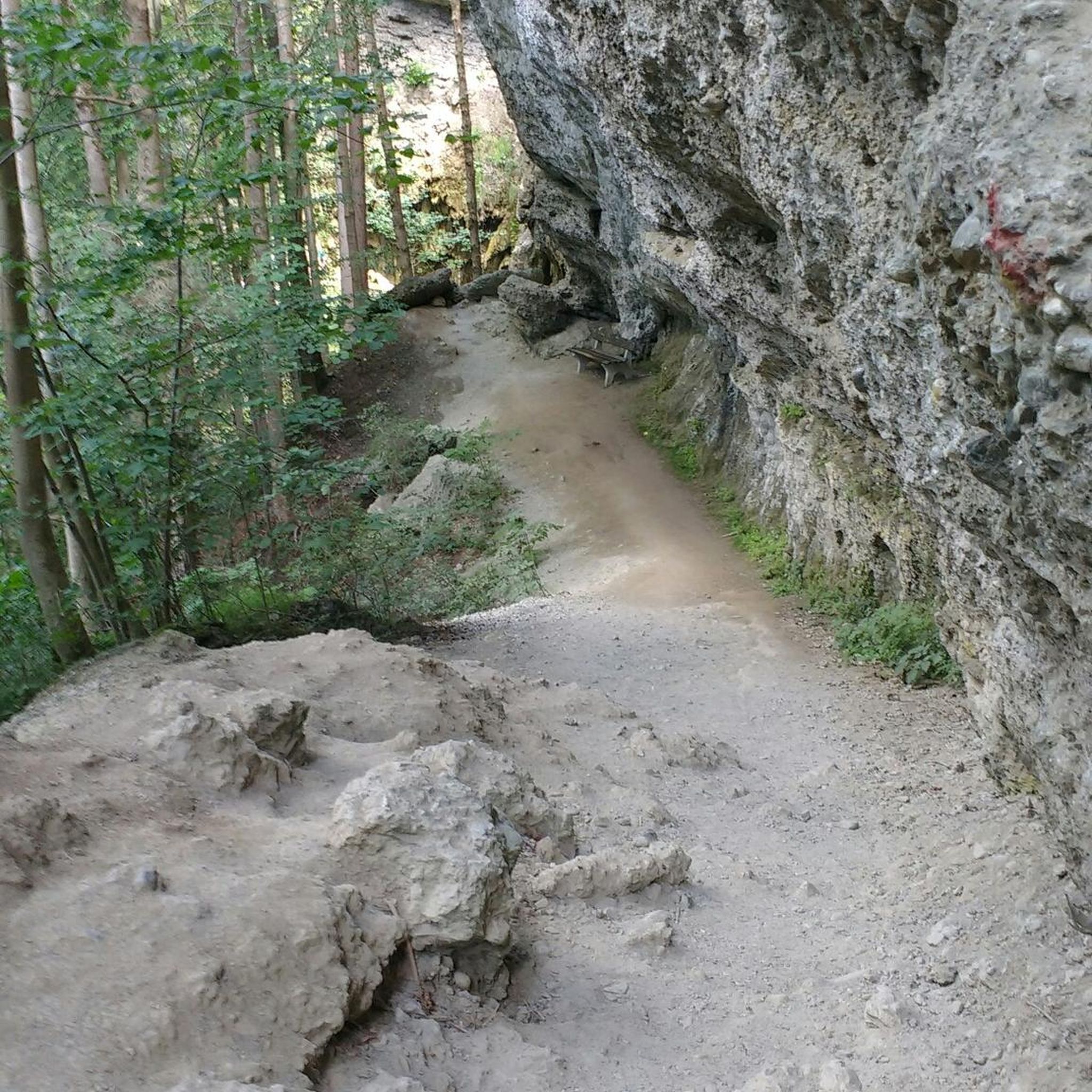

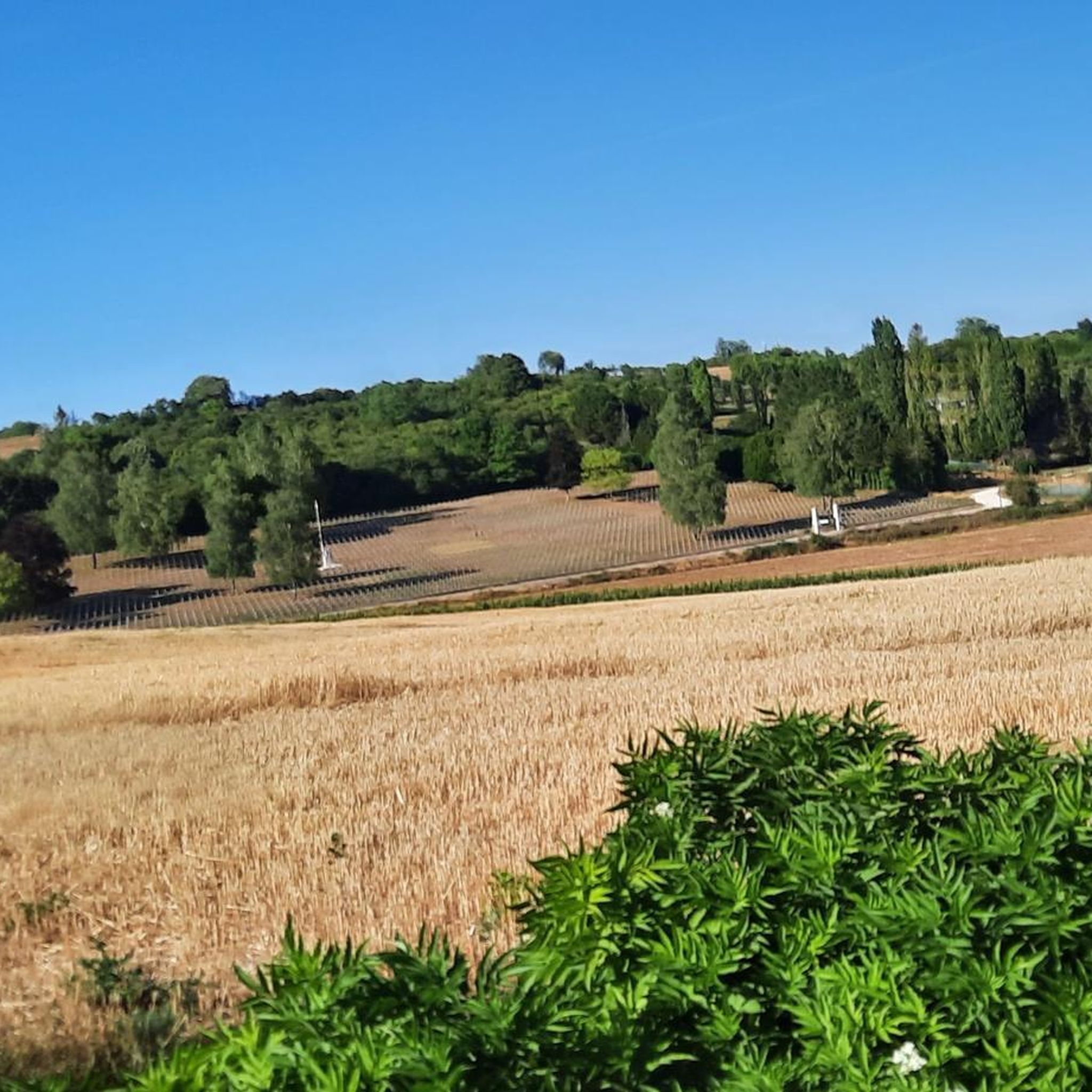

Tips from the Community

https://verdun1916.eu/?p=5031 The Kaisertunnel is part of a series of three tunnels. In the north the Ortlieb tunnel, in the middle the Kaisertunnel and in the south, closest to the front line, the Verbindungs- or Bataillonstunnel. The Kaisertunnel was the first to be built by the Prussian infantry in late 1915, early 1916, with the intention of connecting the Meurisson valley with the front. The tunnel is 350 m long, but with all the adjacent rooms and side tunnels the length becomes 455 m. A characteristic of the Kaisertunnel, but also of other German tunnels, is the S-bend that is made halfway. This is not only to prevent an enemy who has penetrated from shooting through the entire tunnel, but especially to break the shock wave of a possible explosion. French tunnels are generally straight. The work on the Kaisertunnel started as purely manual work, but after an electrical system was installed in the southern part of the tunnel, drilling machines were also used. Water supply in the tunnel was possible from a nearby source in the Meurissonsdal. In the southern end of the tunnel, in a corridor that descends to the west, the former passage to the Verbindungs or Bataillonstunnel can still be seen. The connection has collapsed over a length of several dozen meters. In the northern part of the Kaisertunnel, a hospital with an operating room was created. Injured people could go to bed here very extremes. The remains of the many facilities (first aid station with operating room, the telephone exchange, electricity station, etc.) are still visible today.
0
0

The exterior is completely fenced, the entrance is no longer even visible, although apparently a historical monument. A shame to leave this site abandoned...
0
0

The Hermitage of Saint-Rouin is a modern chapel built on the site of an ancient hermitage where Saint-Rouin, founder of the Beaulieu-en-Argonne abbey, lived in the 7th century. The chapel, designed by the architect and Dominican friar L.-B. Rayssiguier, is a striking example of concrete architecture with geometric shapes and colorful stained glass windows. You can admire the minimalist interior and the altar made of sandstone blocks, as well as the 17th century altarpiece of the Assumption located in the enclosure. The Hermitage of Saint-Rouin is a place of pilgrimage and celebration every year on September 17, the feast day of Saint-Rouin. You can also enjoy the natural beauty of the surrounding forest and the panoramic views from the hilltop. The Hermitage of Saint-Rouin is a hidden gem that will inspire you with its history and art.
3
2
The Forester Cemetery is dedicated to soldiers who died during the First World War. Located in the heart of the Argonne forest, this cemetery is home to 2,000 tombs, including ten of Garibaldians. The particularity of this place is that each grave is decorated with a hydrangea bush, creating a colorful contrast with the greenery of the forest. You can also explore the nearby sites of Haute Chevauchée, such as the Ossuary Monument, the Génie Ravine and the Kaiser Tunnel, where you can learn more about the battles that took place in the region. A hike in the surrounding area is sure to immerse you in the history and beauty of Argonne.
3
1
If you are looking for a historic and adventurous hike in the Argonne Forest, you can explore the Kaiser Tunnel near Lachalade. This tunnel was built by the German army during the First World War to allow the movement of troops and supplies without being detected by the enemy. The tunnel is approximately 350 meters long and has various facilities such as a hospital, kitchen and generator room. You can access the tunnel through the north entrance or the south entrance, both of which are classified as historical monuments. The tunnel has been closed to the public since 2012 for security reasons, but you can still admire its impressive structure and imagine the life of the soldiers who went through it. The Kaiser Tunnel is part of a network of other tunnels and trenches that you can also visit in the region.
2
1

In the 7th century, Beaulieu-en-Argonne already had an abbey, founded by a Scottish monk, Saint-Rouin, who gave his name to the village church. Part of the abbey still remains, including an old oak press from the 13th century, of impressive dimensions: it is one of the largest in Europe and weighs 30 tonnes! Next to it, a fresco represents the village as it was in 1789. Outside, there are some traces of the ancient walls of the abbey.
1
0
Built between 1954 and 1961, the Saint-Rouin hermitage was erected in the heart of the Argonne forest according to plans drawn up by Father Rayssiguier, Dominican, disciple of Le Corbusier and co-author of the Vence chapel. For further information, contact the Association "Les Amis de Saint-Rouin".
1
0

Monument and at the same time memorial, founded in World War I... always up to date!
1
0
Frequently Asked Questions
How many hiking trails are available around Brocourt-En-Argonne?
There are 4 hiking trails documented on komoot around Brocourt-En-Argonne. These routes offer a variety of experiences within the natural region of Argonne.
What kind of terrain can I expect on hikes around Brocourt-En-Argonne?
The terrain around Brocourt-En-Argonne is characterized by dense forest massifs, wooded ridges, and deep valleys. You'll encounter paths alongside rivers like the Cousances and Ruisseau de la Fontaine, and a network of ponds, all shaped by the unique "gaize" geology of the Argonne region.
Are there hiking trails suitable for different fitness levels?
Yes, the area offers trails for various fitness levels. You can find 1 easy route, 1 moderate route, and 2 difficult routes, ensuring options for both casual walkers and experienced hikers.
What are some notable natural features or landmarks to see while hiking?
The Argonne region is rich in natural beauty and historical sites. You can explore the dense forest, discover deep valleys, and encounter numerous ponds. Historic sites like the Saint-Rouin Hermitage are accessible via trails such as the Saint-Rouin Hermitage loop from Beaulieu-en-Argonne. The region also holds historical significance from the Great War, with nature having reclaimed sites like mine craters.
Are there any circular hiking routes available?
Yes, many routes in the area are circular. For example, you can explore the heart of the Argonne Meusienne on the In Argonne Meusienne — loop from Neuvilly-en-Argonne, or visit historical sites on the Beaulieu-en-Argonne Abbey – Saint-Rouin Hermitage loop from Beaulieu-en-Argonne.
What do other hikers enjoy most about hiking in Brocourt-En-Argonne?
The area is highly rated by the komoot community, with an average score of 4.5 stars from over 10 reviews. Hikers often praise the quiet woodlands, the diverse natural features, and the sense of a wild and authentic escape offered by the Argonne forest.
Is Brocourt-En-Argonne a good destination for family-friendly hikes?
While the guide lists 2 difficult routes, there is 1 easy route and 1 moderate route available, which could be suitable for families depending on their experience and the children's age. The natural setting of dense forests and valleys offers a great environment for outdoor exploration.
What is the best time of year to go hiking in this region?
The Argonne region, with its dense forests and varied landscapes, is beautiful throughout many seasons. Spring and autumn offer pleasant temperatures and vibrant colors, while summer provides lush greenery. Winter hiking is also possible, though conditions may vary.
Are there any picturesque villages or cultural stops along the hiking routes?
Yes, the region features picturesque villages with traditional half-timbered houses and local stone churches. Beaulieu-en-Argonne, for instance, is a hilltop village offering breathtaking views and is a starting point for trails leading to sites like the Saint-Rouin Hermitage. It also boasts a historical 13th-century oak wine press.
Are there any longer, more challenging hikes for experienced trekkers?
Yes, for experienced trekkers, there are challenging options. The In Argonne Meusienne — loop from Neuvilly-en-Argonne is a difficult 16.8-mile (27.0 km) trail, and the Saint-Rouin Hermitage loop from Rarécourt is another difficult route spanning over 27 km with significant elevation gain.
Most popular routes around Brocourt-En-Argonne

Get inspired with the komoot mobile app


Explore more
Browse the best Hikes in other regions.
