The best road cycling routes around Saint-Maixme-Hauterive
4.5
(16)
211
riders
133
rides
Road cycling routes around Saint-Maixme-Hauterive traverse the diverse landscapes of the Eure-et-Loir department within the Centre-Val de Loire region of France. The area features rolling hills and varied terrain, particularly within the Perche region, offering dynamic experiences with inclines and descents. Cyclists can also explore the serene Forêt de Châteauneuf and quiet country roads that wind through picturesque countryside and charming villages.
Best road cycling routes around Saint-Maixme-Hauterive
- The most popular road cycling route is Saint Peter's Church – Church…
Last updated: November 2, 2026
4
riders
Easy road ride. Mostly well-paved surfaces and easy to ride.
5.0
(2)
6
riders
Easy road ride. Mostly well-paved surfaces and easy to ride.

4
riders
45.6km
01:48
210m
210m
Easy road ride. Mostly well-paved surfaces and easy to ride.
3
riders
81.1km
03:20
470m
470m
Moderate road ride. Good fitness required. Mostly well-paved surfaces and easy to ride.
5
riders
48.6km
01:56
250m
250m
Easy road ride. Mostly well-paved surfaces and easy to ride.
Get access to more routes and recommendations from other explorers.
Already have an account?
Our route recommendations are based on thousands of hikes, rides, and runs completed by other people on komoot.
Start today with a free account
Your next adventure awaits.
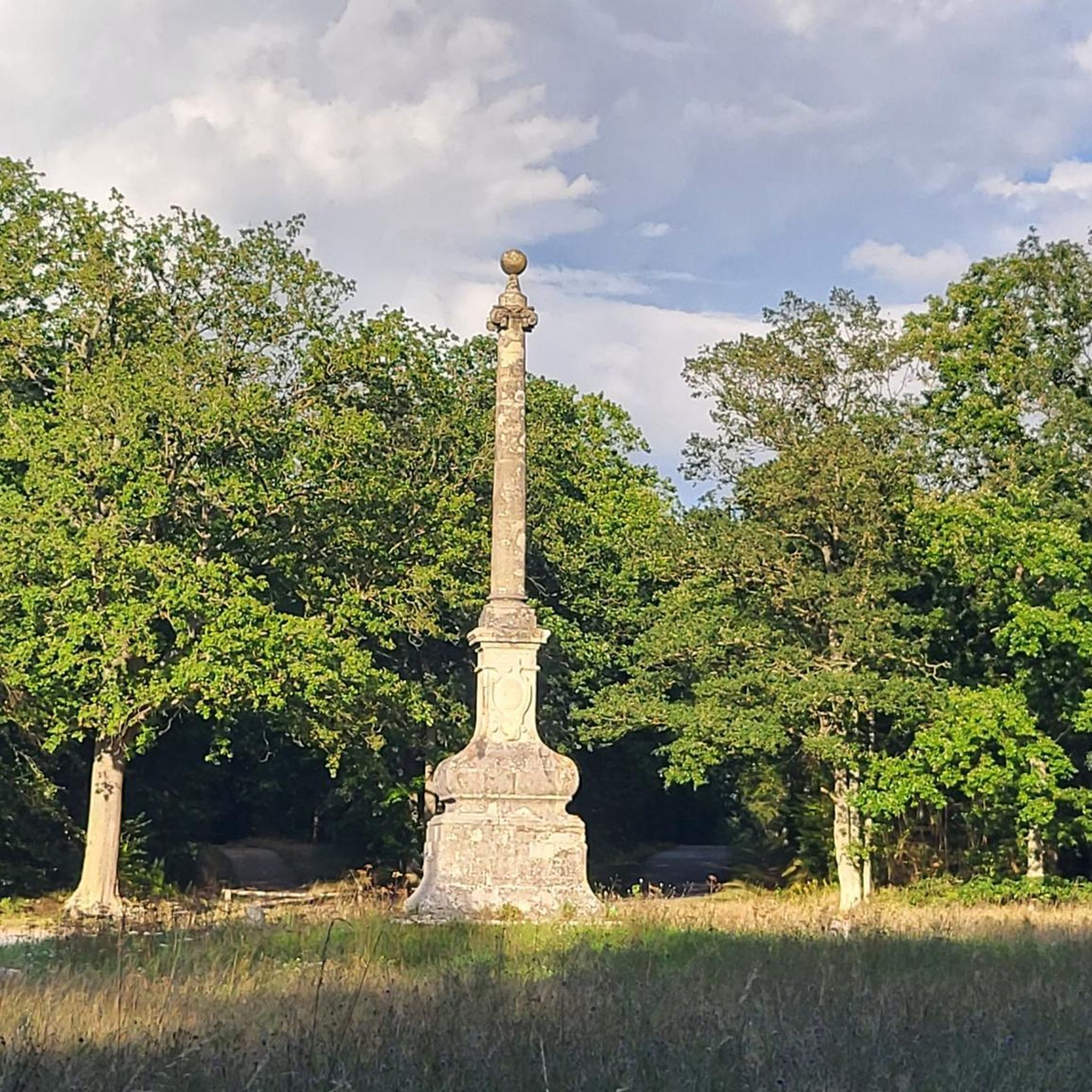
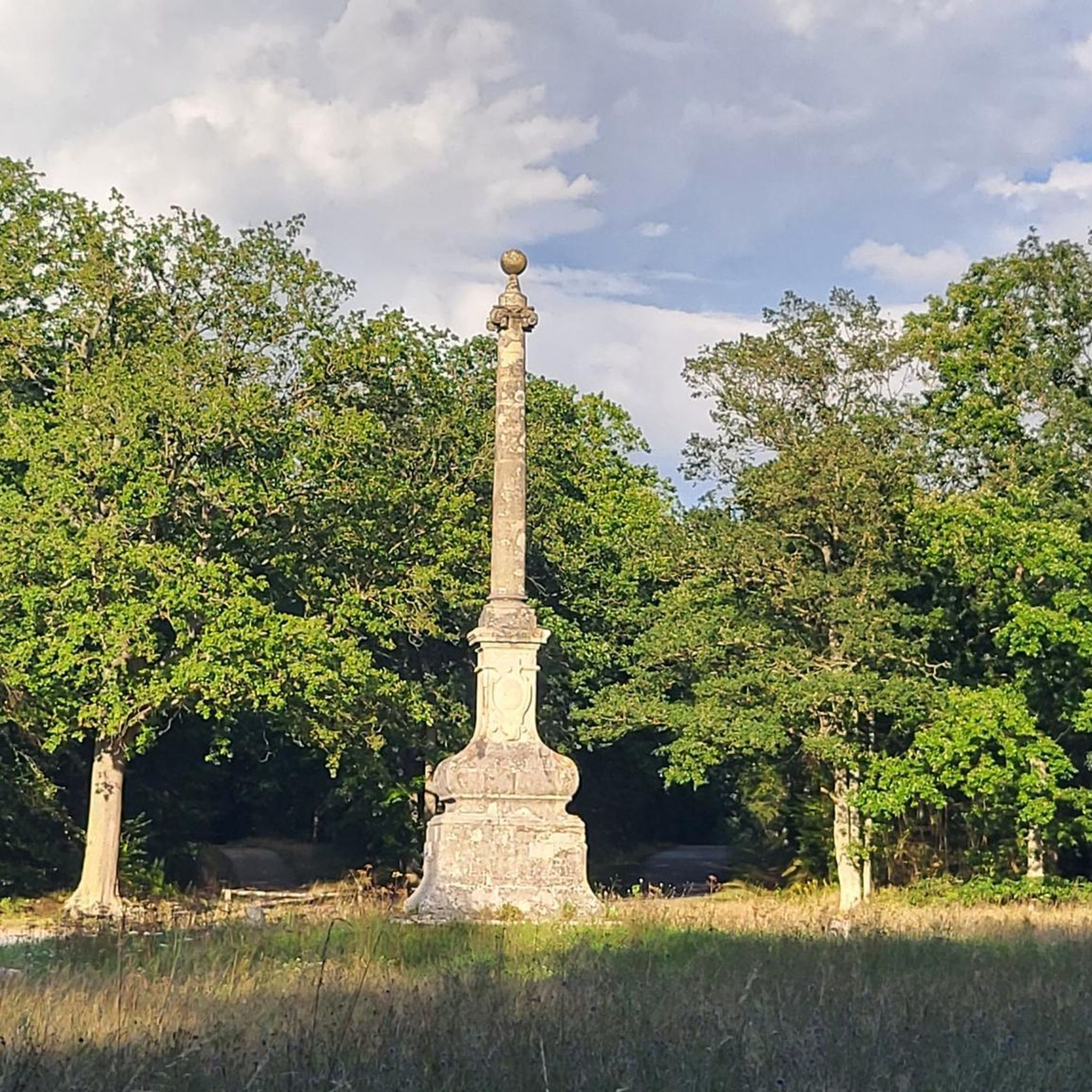

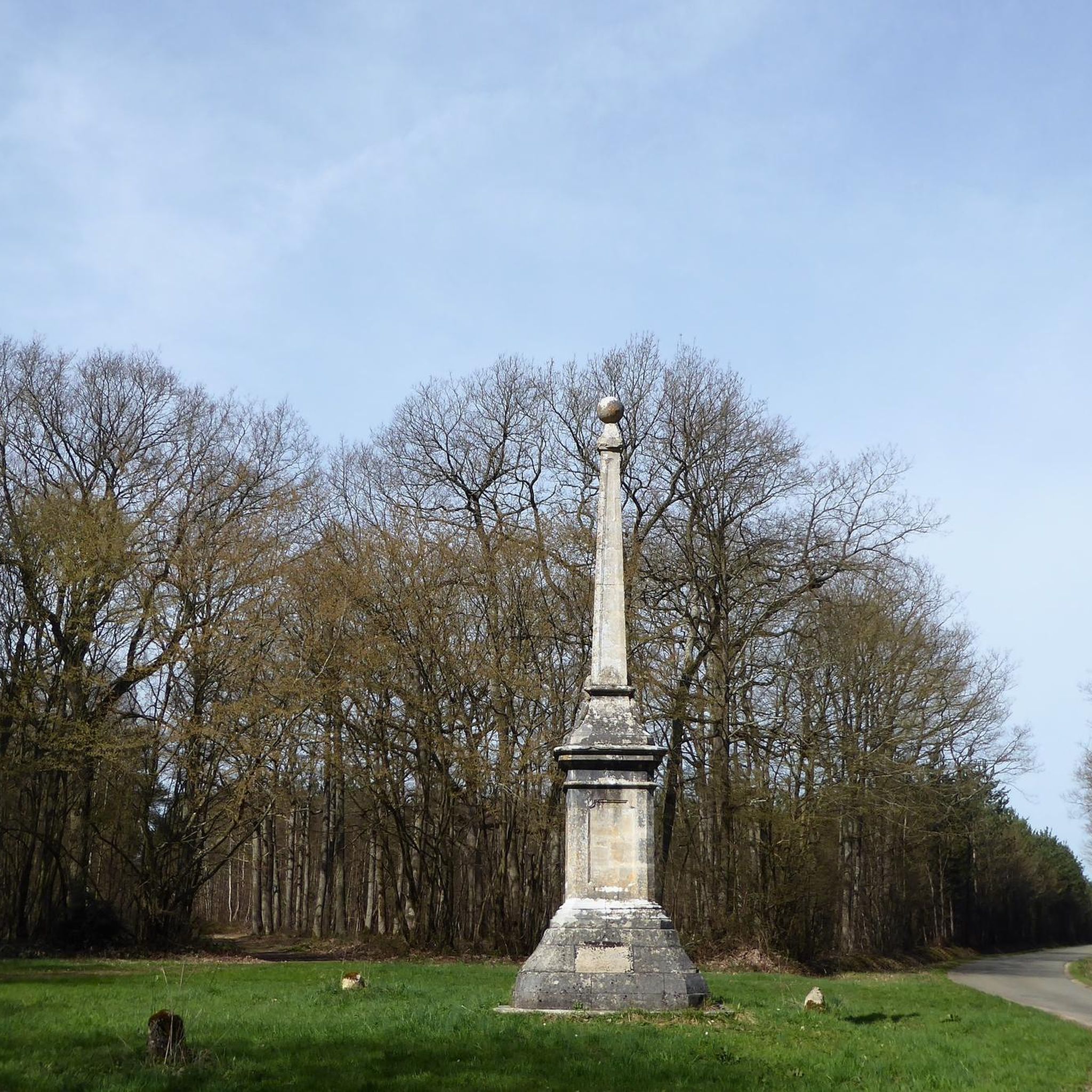

Tips from the Community

Very nice
0
0
Very good for taking photos
0
0

The Saint-Sulpice church of Écublé is a religious monument located in the commune of Tremblay-les-Villages, in the Centre-Val de Loire region. Although its existence is attested, the available sources do not specify its construction period or the significant stages of its history. Its architecture and its role in the local community thus remain to be studied in more detail from complementary archives. Parish churches like Saint-Sulpice of Écublé traditionally played a central role in the life of the villages in the Centre-Val de Loire region. They served as places of worship, but also as gathering points for community events, reflecting the social and religious organization of rural populations through the centuries. Their presence often testifies to the historical and cultural anchoring of the territories they serve.
0
0

The Saint Germain church is located in the heart of the village of Digny in Eure et Loir. It is composed of a large, semicircular wooden nave and a bell tower built of Grison and flint masonry topped by a slate-covered bell tower. Time has taken its toll and caused significant deterioration. Leakage has been observed in the bell tower roof, bays, gutters, and the saddlebag, damaging the framework. Stones are missing or weakened on all the bell tower facades, particularly due to rusty metal elements that are causing them to split. The buttresses are also damaged. Major framework and roofing work on the bell tower was already underway in 2023. Your support has been essential. Today, for the second phase, the work concerns the four facades of the Bell Tower with the restoration of the masonry on the eight buttresses, the creation of the plasterwork, structural work on the bag and the restoration of the bays around the louvers.
0
0
Located on the banks of the Blaise River, southwest of Dreux in the prestigious Crécy-Couvé district, the Marquise de Pompadour's residence from 1746 to 1757, the seigneury of Saulnières came under the Marquise's ownership in 1754. Some remarkable elements of the church's furnishings are undoubtedly due to the generosity of this patron of the arts. The Saint-Pierre church, built on the heights of the commune of Saulnières, is believed to have originally been the church of a Benedictine convent, which ceded it to its inhabitants in 1571 after the sack of their place of worship in 1562, during the First Battle of Dreux. While the cartularies of Saint-Père, Beaulieu, and Belhomer mention the town from the first half of the 12th century, we have no documents on the church before its transfer to the commune. The building (34 m by 11.5 m), oriented, with a single nave of four bays extended by a choir bay, ends with a three-sided chevet extended along the axis by a sacristy. The walls are made of cobblestone and grison rubble, while the twelve buttresses are sandstone. The steeply pitched roof is covered with tiles, and, practically in its center, stands a bell tower with a hexagonal base crowned by a spire of the same shape. The western door is framed by two buttresses: it is surmounted by a rose window that probably dates from the 19th-century construction campaign. In the south wall, at the level of the first bay, a blocked, semicircular-arched entrance door suggests a Romanesque construction. From the second bay, light streams in generously through eight openings: semicircular arches for those in the nave and Gothic-style for the four choir bays; a fifth, axial, was blocked when the altarpiece was installed. The 16th-century stained-glass windows were destroyed during a bombing raid during the Second World War; only a few elements, listed as Historic Monuments, remain in the sacristy. The vault, covered with shingles, must have been painted, as evidenced by the hallmark decorated with black and white diamonds and chevrons, likely from the 16th century. The great simplicity of the architecture is offset by the relative richness of the furnishings. The late 15th-century stone statues representing Saint Barbara, a religious figure without attributes, and two angels from the same period constitute a fine example of Gothic sculpture, albeit lacking the two angels purchased in the early 20th century for the Louvre, where they are now on display. The choir's layout could date back to the time of Madame de Pompadour: the doors, open on either side of the central section, are surmounted by two painted and gilded wooden statues, Saint Peter and Saint Sebastian. The central section is crowned by God the Father, and the canvas depicts Saint Peter freed from his chains by an angel. A fragmentary funerary liter is still visible inside and outside. In 2003, the Sauvegarde de l'Art Français (French National Art Foundation) granted €10,000 in aid to help repair the structure and roof of the building, whose condition had been aggravated by the 1999 storm.
0
0
The parish church of Saint-Remy de Vérigny, located in the current new commune of Mittainvilliers-Vérigny, has been documented in the archives since 1126 as being dependent on the abbey of Saint-Père in Chartres. Its construction probably followed shortly after this date, as evidenced by the use of grison for both the buttresses and the frames of certain bays and the large west portal with a grison roller. The proximity of the manor and then the castle of Vérigny, owned by the prestigious families of O and Vieuville until the early years of the 18th century, encouraged donations and legacies in favor of the parish church. It is to Charles II of O that we owe the construction of the north aisle as well as the family chapel in the right bay of the choir, on the north side. The ribbed vaults and the hanging keystones sculpted with little angels evoke the creations of the second quarter of the 16th century such as those of the church of Bérou-la-Mulotière. If the only vestiges of stained glass windows preserved date from the
0
0
The church dates from the 11th century. The nave is separated from the side aisles by pointed arches supported by square piers. Two stained glass windows have been listed as historical monuments as objects since 1908. They contain elements from the 16th century, the preserved fragments of which are reused, notably in the form of macedonia. They were in fact destroyed in 1940 and reassembled in 1959 in the tympanums of bays no. 3 and 5. A 17th century wooden statue, perhaps representing Saint Paul, is also listed as a historical monument as objects.
0
0
Frequently Asked Questions
How many road cycling routes are available around Saint-Maixme-Hauterive?
There are over 130 road cycling routes available around Saint-Maixme-Hauterive, offering a wide range of options for different preferences and skill levels.
What is the typical terrain like for road cycling in the Saint-Maixme-Hauterive area?
The region offers diverse terrain, characterized by rolling hills and varied landscapes, especially within the Perche region. You'll find both challenging inclines and enjoyable descents, along with quiet country roads winding through picturesque countryside and serene sections through the Forêt de Châteauneuf.
Are there road cycling routes suitable for beginners or those looking for an easy ride?
Yes, Saint-Maixme-Hauterive offers a good selection of easy road cycling routes. For example, the Château de Fontaine-la-Guyon – Vérigny Castle loop from Jaudrais is an easy 45.5 km path that passes historical châteaux and tranquil rural settings.
What historical landmarks can I discover along the road cycling routes?
The area is rich in history. You can cycle past the historic Château de Senonches, the Notre-Dame Church of Senonches with its 12th-century tower, or the impressive Château de Maillebois. The Rond du Roi also marks the boundaries of former royal hunting grounds.
Are there any routes that offer scenic viewpoints or natural features?
Absolutely. Many routes traverse the picturesque countryside, offering 'jaw-dropping backdrops' and scenic views. The Forêt de Châteauneuf provides a refreshing natural environment with serene woodland paths. The area transitions between the Thymerais cereal plateau and the peaceful Blaise valley, ensuring varied forest and rural scenery.
What do other road cyclists enjoy most about cycling in Saint-Maixme-Hauterive?
The area is highly rated by the komoot community, with an average score of 4.3 stars. Reviewers often praise the combination of rolling hills, quiet country roads, and the opportunity to explore the serene Forêt de Châteauneuf, making for a dynamic and enjoyable cycling experience.
Are there any moderate road cycling routes for those seeking a bit more challenge?
Yes, for a moderate challenge, consider the Château de Fontaine-la-Guyon – Church of Saint Stephen loop from Châteauneuf-en-Thymerais. This 55.4 km route offers a good balance of distance and elevation gain, taking you through varied landscapes.
Is Saint-Maixme-Hauterive connected to any larger regional or national cycling networks?
Yes, the region is part of a broader network of cycling routes. The renowned Veloscenic cycle route, which connects Paris to Mont-Saint-Michel, passes through Eure-et-Loir, offering excellent sections for both day rides and multi-day trips. You can find more information on the Veloscenic route at tourisme28.com.
What is the best time of year for road cycling in Saint-Maixme-Hauterive?
The region's green landscapes and tranquil rural settings are particularly enjoyable during spring, summer, and early autumn. These seasons typically offer pleasant weather conditions, ideal for exploring the rolling hills and quiet country roads.
Are there many circular road cycling routes available?
Yes, many of the road cycling routes around Saint-Maixme-Hauterive are designed as loops, allowing you to start and finish in the same location. An example is the Notre-Dame Church of Senonches – Château de Senonches loop from Châteauneuf-en-Thymerais, a 48.9 km ride.
Can I find routes that pass through the Forêt de Châteauneuf?
Absolutely. The Forêt de Châteauneuf is a significant natural attraction in the area, and several road cycling routes incorporate sections through its serene woodland alleys. This provides a refreshing change of scenery and a chance to experience the local wildlife.
Most popular routes around Saint-Maixme-Hauterive
Most popular attractions around Saint-Maixme-Hauterive

Get inspired with the komoot mobile app


Explore more
Browse the best Road cycling routes in other regions.
