Attractions and Places To See around Véraza - Top 20
Attractions and places to see around Véraza, a commune in the Aude department of the Occitanie region in southern France, offer a tranquil immersion into the French countryside. Véraza provides a peaceful ambiance and traditional stone architecture. It serves as a strategic base for exploring the natural beauty, historical sites, and cultural heritage of the surrounding Occitanie region. The area is characterized by its rural setting within the Corbières Massif foothills.
Best attractions and places to see around Véraza
- The…
Last updated: July 6, 2026
Rennes-le-Château Village and Church
Highlight • Historical Site
This hilltop town has been famous since Father Saunière (village priest) undertook work at …
Translated by Google •
Tip by

Brau Peak
Highlight • Viewpoint
The snowy peaks of the Pyrenees are breathtaking to view without hindrance for as long as you want. Unwind completely on the Pic Du Brau.
Translated by Google •
Tip by

Sign up now to discover places like this
Get recommendations on the best single tracks, peaks, & plenty of other exciting outdoor places.
Sign up for free
Pech Cardou
Highlight • Summit
Translated by Google •
Tip by

Blanquette de Limoux
Highlight • Settlement
Translated by Google •
Tip by

Les Bains Doux – Ancient Thermal Baths
Highlight • Historical Site
Translated by Google •
Tip by

Sign up for free to discover even more attractions around Véraza.
Sign up for free
Already have an account?
Start today with a free account
Your next adventure awaits.
Login or Signup


Tips from the Community

Large section above Alet les Bains is fenced off and blocks the route - even slipping around the fence isn’t worth it as the ridiculously steep climb is up a boulder field and unrideable in the direction shown. Some parts of the route are really nice but (1) private land and (2) impassable section makes it a bad day out - avoid
0
0

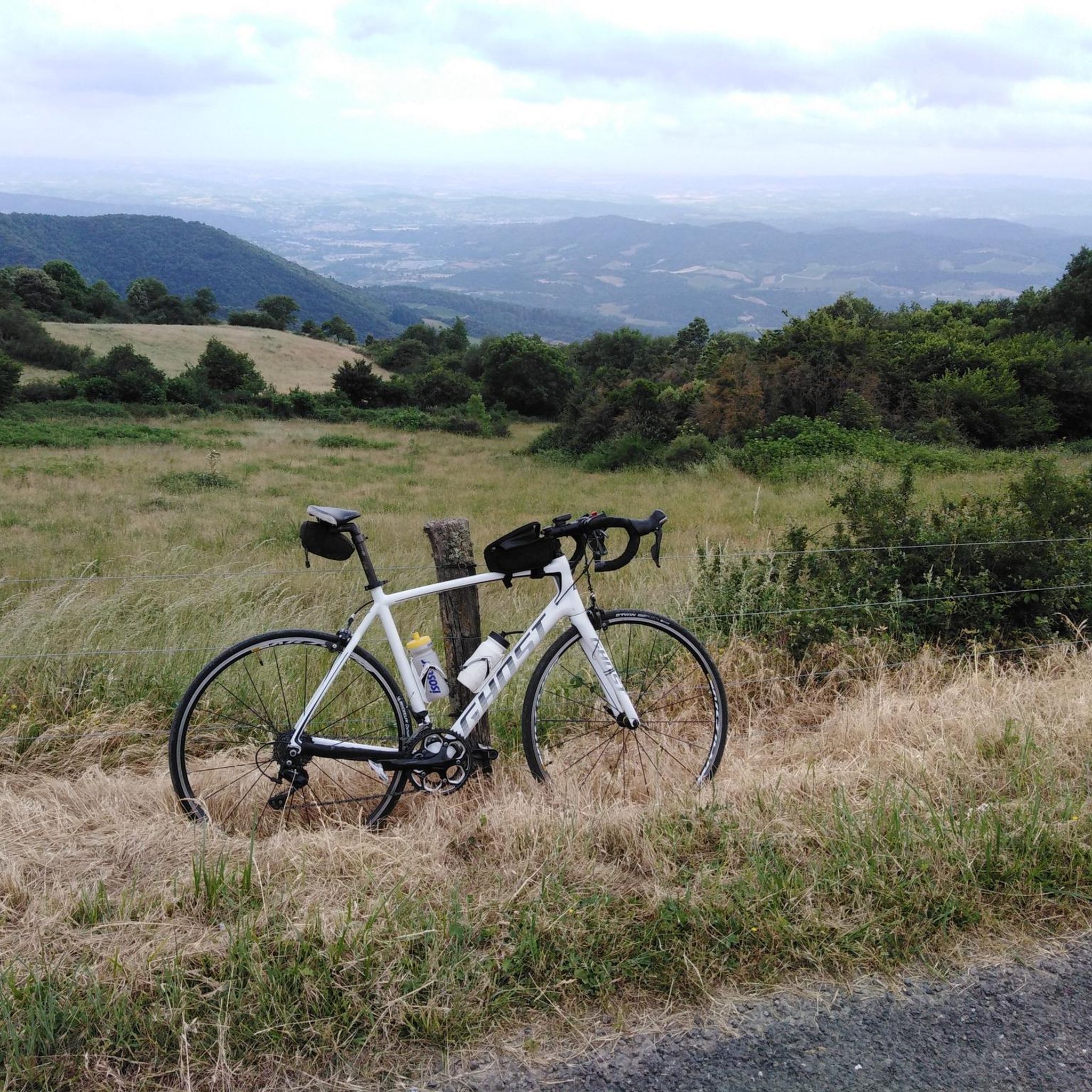
Somehow a magical place with a great view (for the altitude). Unfortunately, you can't see the Pech de Bugarach at this point because of the forest. However, you can see this peak earlier on the eastern ascent route. Caution! The direct route on the Komoot maps from the south is overgrown and barely visible. I wanted to take it on the descent at dusk and turned back. In contrast, the longer, partially signposted route, initially along wide tracks and finally along a path from the east, is clear and easy to follow.
4
0

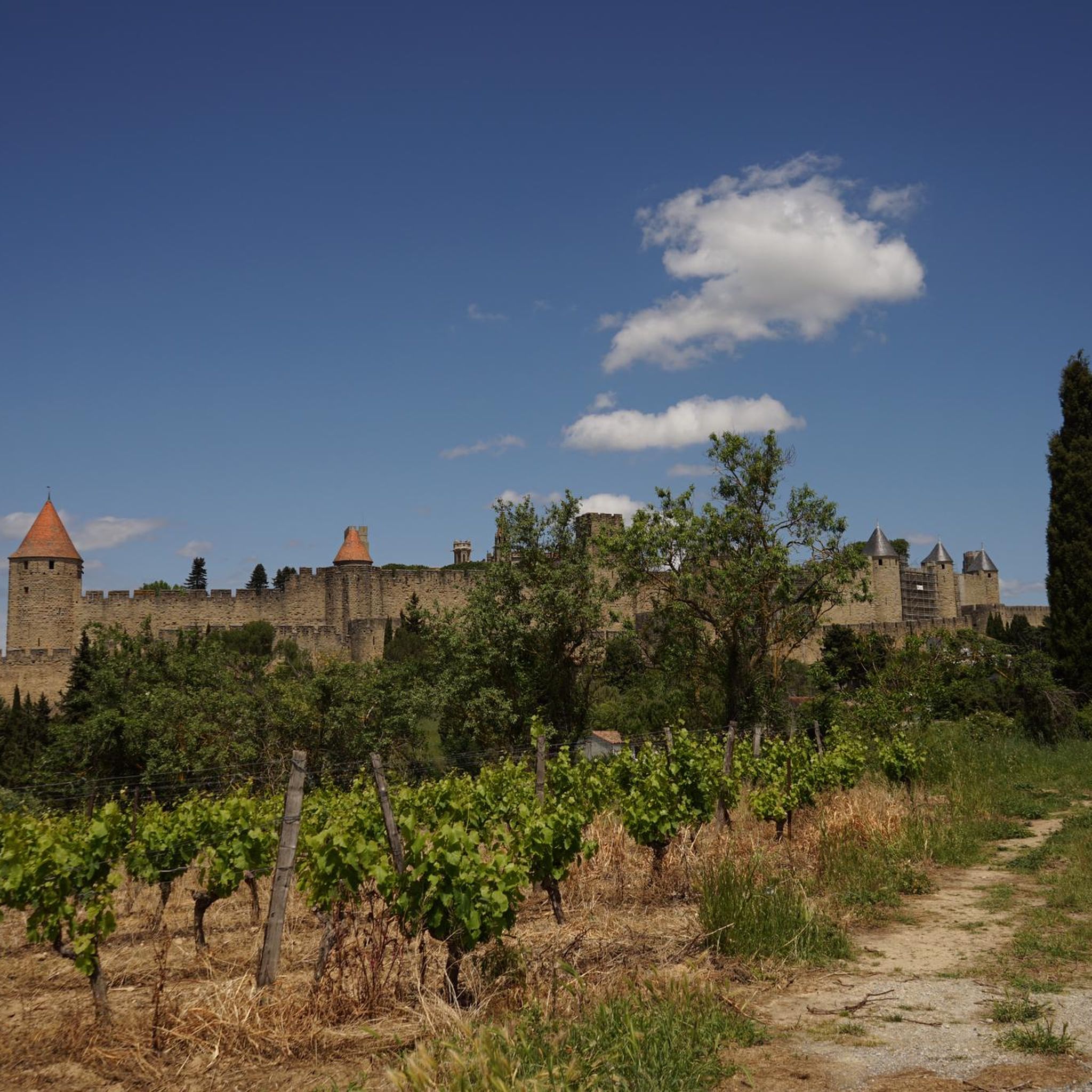
Located in the Corbières massif, Rennes-le-Château offers lovely views of the Corbières massif from its belvedere. This hilltop town has been famous since Father Saunière (village priest) undertook work at his expense, revealing a mysterious personal fortune. The media hype that followed placed the village at the heart of numerous more or less conspiracy theories and myths of forgotten treasures (ranging from a Gallic treasure from the Volques to the treasure of the Templars).
2
0
Located in the Corbières massif, Rennes-le-Château has been famous since the Abbé Saunière (village priest) undertook work at his own expense, thus revealing a mysterious personal fortune. The ensuing media frenzy placed the village at the heart of many more or less conspiracy theories and myths of forgotten/supposed treasures (ranging from a Gallic treasure from the Volques to the Templar treasure). In any case, it offers pretty views of the Corbières massif from its belvedere.
0
0

Enter Limoux via a medieval bridge dating from the 14th century. The village offers lovely bars and cafes and views of the Pyrenees in the distance!
1
0

A bridge from the 14th century leads over the Aude into the beautiful city center with its arcades of the provincial capital of Limouxin. Of course we must have a glass of the famous Blanquette de Limoux sparkling wine here - the champagne method is said to have been invented here long before Champagne claimed it for itself.
0
0


Frequently Asked Questions
What natural attractions can I explore near Véraza?
Véraza is nestled in the foothills of the Corbières Massif, offering access to beautiful natural landscapes. You can find stunning viewpoints like Brau Peak, which provides panoramic views, including the snowy Pyrenees after a steep climb. Another notable summit is Pech Cardou, known for its great views and mystical atmosphere. The region also features impressive natural gorges such as Gorges de l'Orbieu, Gorges de la Pierre-Lys, and Gorges de Galamus, all within a short drive.
Are there historical sites or ancient ruins to visit around Véraza?
Yes, the area is rich in history. You can visit Rennes-le-Château Village and Church, famous for its mysteries and views of the Corbières massif. Another unique historical spot is Les Bains Doux – Ancient Thermal Baths, where you can find abandoned thermal baths and the possibility to bathe in hot spring waters. Further afield, the UNESCO World Heritage site of Cité de Carcassonne, a medieval fortress-town, is about 26 km away.
What is the significance of the Véraza culture?
Véraza is the namesake of the Véraza culture, a Chalcolithic archaeological culture that existed between 3500 and 2000 BC across northern Catalonia and parts of southern France. This ancient culture was responsible for erecting many megalithic monuments in the wider region, highlighting the area's deep prehistoric roots. While specific sites within the commune are not widely advertised for public viewing, its historical importance to the region's prehistory is notable. You can learn more about it on Wikipedia.
Can I find Cathar castles in the vicinity of Véraza?
Absolutely. The region is renowned for its Cathar history and features several impressive castles. Notable examples include Château de Puilaurens, Château de Termes, and Château de Peyrepertuse, all located within 20-25 km of Véraza. These castles offer a glimpse into the dramatic past of southern France and are often situated in breathtaking mountain locations.
Are there opportunities for hiking or cycling near Véraza?
Yes, Véraza is an excellent base for outdoor activities. For hiking, you can explore routes like the 'Crossing water loop from Serres' or the 'Pierre Droite loop from Alet-les-Bains'. Cyclists can enjoy tours such as the 'Aude and Espéraza – Rennes-les-Bains loop from Luc-sur-Aude'. You can find more detailed routes and guides for hiking, cycling, and running around Véraza on komoot.
What unique villages or towns are worth visiting nearby?
Several charming villages and towns are easily accessible from Véraza. Rennes-le-Château, just 7 km away, is a mysterious hilltop village with lovely views. Alet-les-Bains, about 4 km distant, is a pleasant village to explore. Further afield, Limoux (around 11 km) is known for its medieval bridge, charming cafes, and as the home of Blanquette de Limoux, a sparkling wine. You can enter Limoux via a medieval bridge dating from the 14th century.
What do visitors enjoy most about the attractions around Véraza?
Visitors frequently highlight the stunning panoramic views from peaks like Brau Peak, often mentioning the breathtaking sight of the snowy Pyrenees. The mystical atmosphere of places like Pech Cardou and the historical intrigue of Rennes-le-Château are also highly appreciated. The possibility of bathing in hot spring waters at Les Bains Doux is another unique experience that visitors enjoy.
Are there any family-friendly activities around Véraza?
While Véraza itself offers a tranquil rural escape, the surrounding region provides options for families. Exploring the medieval bridge and enjoying the cafes in Limoux can be a pleasant outing. Many of the natural sites, such as the Gorges, offer opportunities for scenic walks suitable for families, depending on the specific trail difficulty. The Cité de Carcassonne, with its impressive fortifications, is also a captivating historical site for all ages.
What is the best time of year to visit Véraza for outdoor activities?
The Occitanie region, where Véraza is located, generally enjoys a Mediterranean climate. Spring (April to June) and autumn (September to October) are often considered the best times for outdoor activities like hiking and cycling. During these seasons, the weather is typically mild and pleasant, avoiding the intense heat of summer and the cooler, potentially wetter conditions of winter. This allows for comfortable exploration of the natural landscapes and historical sites.
Are there any megalithic monuments linked to the Véraza culture in the region?
Yes, the Véraza culture is strongly associated with the erection of megalithic monuments. While not directly within Véraza commune, examples like the Dolmen Lo Morrel dos Fados in Pépieux, Aude, are part of the broader regional heritage connected to this ancient culture. These monuments offer a tangible link to the prehistoric inhabitants of the area.
Where can I experience local culinary specialties like sparkling wine near Véraza?
Just 11 km from Véraza, the town of Limoux is famous for its sparkling wine, Blanquette de Limoux. Some even claim the champagne method was invented here. You can visit local wineries or enjoy a glass in one of the charming bars and cafes in Limoux, particularly around its medieval bridge, to experience this regional specialty.

Get inspired with the komoot mobile app


Explore more
Still not found the Highlight you’re looking for? See guides of the top attractions in other regions:
