Attractions and Places To See around Prats-Du-Périgord - Top 12
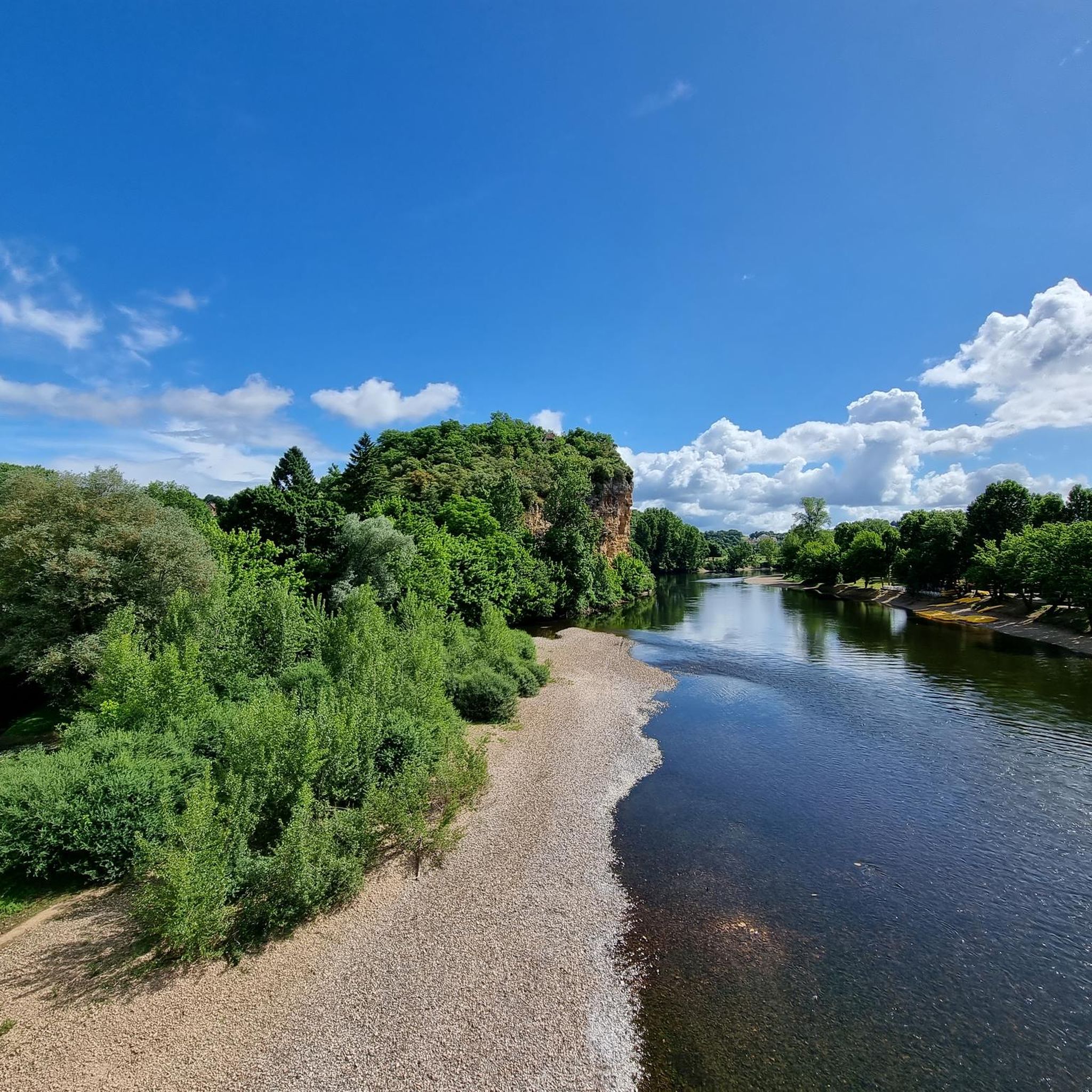
Best attractions and places to see around Prats-Du-Périgord include a tranquil village in the Dordogne department of Nouvelle-Aquitaine, France. The area is characterized by its historical appeal, traditional stone houses, and proximity to diverse natural landscapes. It is nestled amidst forests and the peaceful Céou Valley, offering a rich array of landmarks and cultural experiences. The region provides access to several classified "Most Beautiful Villages in France" and significant historical sites.
Best attractions and places to see around Prats-Du-Périgord
- The…
Last updated: November 1, 2026
Sauveterre-la-Lémance
Highlight • Settlement
The prehistoric "Le Martinet" site, located in the commune, gave its name to a prehistoric period called the Sauveterrian. This is what is known as an eponymous site.
Showing Translation
Tip by

Saint-Pompon
Highlight • Settlement
Translated by Google •
Tip by

Sign up now to discover places like this
Get recommendations on the best single tracks, peaks, & plenty of other exciting outdoor places.
Notre-Dame Church of Villefranche-du-Périgord
Highlight • Religious Site
Translated by Google •
Tip by

Pays-de-Belvès Town Centre
Highlight • Settlement
Translated by Google •
Tip by
Saint-Pardoux Church
Highlight • Historical Site
Translated by Google •
Tip by
Sign up for free to discover even more attractions around Prats-Du-Périgord.
Already have an account?
Start today with a free account
Your next adventure awaits.



Tips from the Community

The village owes its name to a saintly bishop of Naples from the 6th century, particularly revered by the Crusaders. The town is home to the Château de Saint-Pompon and the famous Sainte-Marie Fountain, located on the road leading to the neighboring commune of Daglan. The urban landscape is characterized by its traditional buildings with blonde stone facades and tiled roofs, typical of the Dordogne valley.
0
0
The Notre-Dame-de-l'Assomption church of Villefranche-du-Périgord is a 19th-century religious building located in the heart of the medieval bastide The current church was built between 1864 and 1865 based on plans by architect Paul Abadie, famous for being the architect of Sacré-Cœur de Montmartre. It features a neo-Romanesque style, replacing an older building damaged over the centuries by the Hundred Years' War and the Wars of Religion. The interior space is vast, bright, and sober, characterized by a clear nave lit by stained-glass windows.
0
0
SauveTerre Museum of Prehistory: A modern space that reconstructs the daily life, environment, and evolution of prehistoric populations following major excavations in the region. Le Site du Martinet: Classified as a historic monument, this open-air archaeological site is located less than a kilometer from the museum and can be discovered independently. Le Château des Rois Ducs: A dominant medieval fortress built at the end of the 13th century by Edward I, a witness to ancient Franco-English rivalries. L'Église Saint-Barthélemy: 12th-century Romanesque building located in the heart of the historic town, of which a magnificent original apse remains. La Croix du Chemin: A remarkable 15th-century wrought iron artwork classified as a Historic Monument.
0
0

Third church on the same site, consecrated in 1869. Special: the square floor plan
0
0

The facade is very beautiful Behind there is still a stone table with a bench and a corner where I think he was making a fire. We would manage to project ourselves at this time when it must have been teeming with people
0
0

This town changed its name in 2016. Formerly called Belvès, the town is now called Pays-de-Belvès. It is a grouping of municipalities between Belvès and Saint-Amand-de-Belvès, which explains this change.
1
0
This 11th century Romanesque church has some later elements, such as the door which is surmounted by a 14th century archivolt. There is nothing novel about the small arcaded bell tower which overlooks the whole. However, these modifications in no way alter the simple beauty of the building.
1
0
Sauveterre-la-Lémance is an interesting village in more ways than one. The prehistoric "Le Martinet" site, located in the commune, gave its name to a prehistoric period called the Sauveterrian. This is what is known as an eponymous site. The term Sauveterrian designates flint industries dating from the Mesolithic period, i.e., around 9,000 BC. It is a very interesting period for those who study prehistory, as it is a transitional period between the Paleolithic and the Neolithic, which is often little studied. At that time, very small arrowheads (microliths) were made. What is tiny is often not very impressive and does not attract crowds. Nevertheless, a great museum will teach you more about this period, and about the village. In addition to its museum and site, Sauveterre also has a very beautiful medieval castle, beautiful squares and streets, as well as a few shops.
2
0
Frequently Asked Questions
What historical landmarks can I visit in Prats-Du-Périgord and its surroundings?
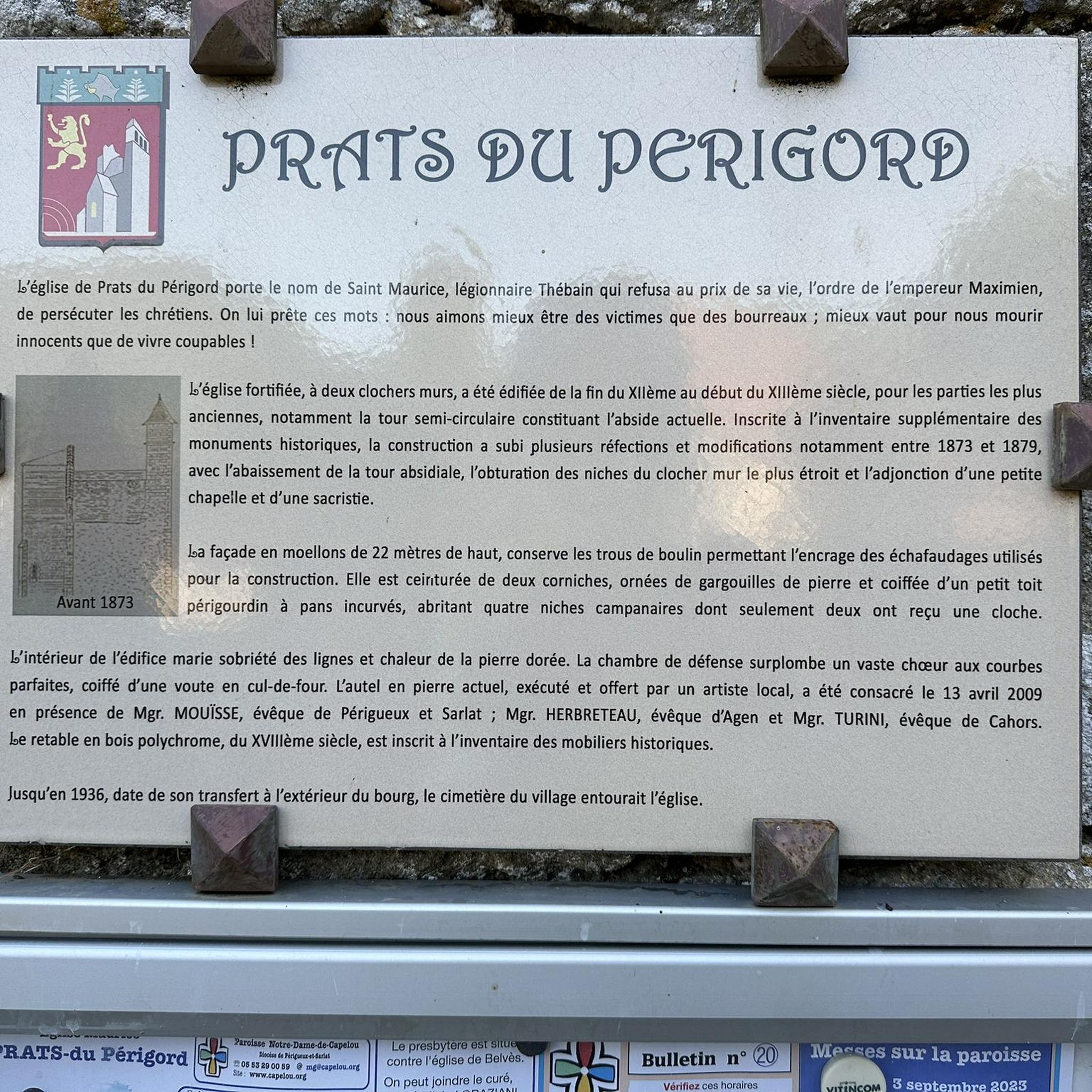
In Prats-Du-Périgord, you can explore the fortified 12th-century Église Saint-Maurice, known for its tall bell-wall. Nearby, Sauveterre-la-Lémance offers a prehistoric site and a beautiful fortified castle. The Pays-de-Belvès Town Centre is rich in historical monuments, and the 11th-century Romanesque Saint-Pardoux Church is also worth a visit.
Are there any 'Most Beautiful Villages in France' near Prats-Du-Périgord?
Yes, several villages classified among 'Les Plus Beaux Villages de France' are close by. These include Belvès, known for its lively atmosphere, Monpazier with its exceptional 13th-century bastide architecture, Castelnaud-la-Chapelle featuring the Château de Castelnaud, and the picturesque village of Domme.
What natural features can I explore around Prats-Du-Périgord?
The region offers the tranquil Céou Valley, described as one of the quietest parts of the Dordogne. Prats-Du-Périgord is also nestled amidst forests renowned for producing local chestnuts. For cultivated beauty, consider visiting the attractive Jardins de l'Albarède or the famous Jardins de Marqueyssac with their manicured boxwood and views over the Dordogne River.
What outdoor activities can I do near these attractions?
The area around Prats-Du-Périgord is excellent for various outdoor activities. You can find numerous routes for hiking, cycling, and mountain biking. Options range from easy loops to more challenging climbs, such as the Rue du Terriol in Belvès.
Are there family-friendly attractions around Prats-Du-Périgord?
Many of the villages and sites are suitable for families. Exploring the traditional stone houses and gardens in Prats-Du-Périgord itself is pleasant. The nearby 'Most Beautiful Villages' like Belvès and Monpazier offer charming environments. For a unique experience, consider horse-drawn carriage trips in Mazeyrolles with 'Le Périgord en Calèche'.
What are some unique cultural experiences or points of interest in the region?
Beyond historical sites, you can visit the beautifully restored Château des Milandes, famous for its association with Josephine Baker. The region is also known for its vibrant local markets in towns like Monpazier (Thursday), Villefranche-du-Périgord (Saturday), and Cazals (Sunday). During summer, some villages host evening markets with local dishes.
What is the best time to visit Prats-Du-Périgord for outdoor activities?
The spring and autumn months generally offer pleasant weather for outdoor activities like hiking and cycling, with comfortable temperatures and blooming landscapes or vibrant fall colors. Summer is also popular, especially for enjoying the village markets and longer daylight hours, though it can be warmer.
Can I find viewpoints or scenic spots near Prats-Du-Périgord?
While Prats-Du-Périgord itself offers views of the surrounding forests and the private castle, for panoramic vistas, the Jardins de Marqueyssac provide a Belvedere balcony overlooking the Dordogne River. Hot air balloon rides from Castelnaud-la-Chapelle or La Roque-Gageac also offer unique aerial perspectives of the valley and its castles.
Are there any hidden gems or less-known places to discover?
The village of Saint-Pompon is considered a very nice place and a worthwhile stop, offering a glimpse into the heart of Périgord Noir. Sauveterre-la-Lémance, with its prehistoric site and museum dedicated to the Sauveterrian period, offers a fascinating, less-crowded historical insight.
What kind of local architecture can I expect to see?
As you wander through Prats-Du-Périgord and the surrounding villages, you'll encounter numerous traditional stone houses, many with characteristic painted shutters and well-maintained gardens. The fortified Église Saint-Maurice in the village center is a prime example of the region's historical architectural style.
Where can I find charming small towns or villages nearby?
Besides the 'Most Beautiful Villages,' you can visit Villefranche-du-Périgord, a small and unspoiled bastide town surrounded by chestnut forests. Daglan is another small village in the south of the Dordogne department, and Saint-Pompon offers an attractive historic center.
Most popular routes around Prats-Du-Périgord

Get inspired with the komoot mobile app


Explore more
Still not found the Highlight you’re looking for? See guides of the top attractions in other regions:
