The best walks and hikes around Yrouerre
4.7
(84)
482
hikers
41
hikes
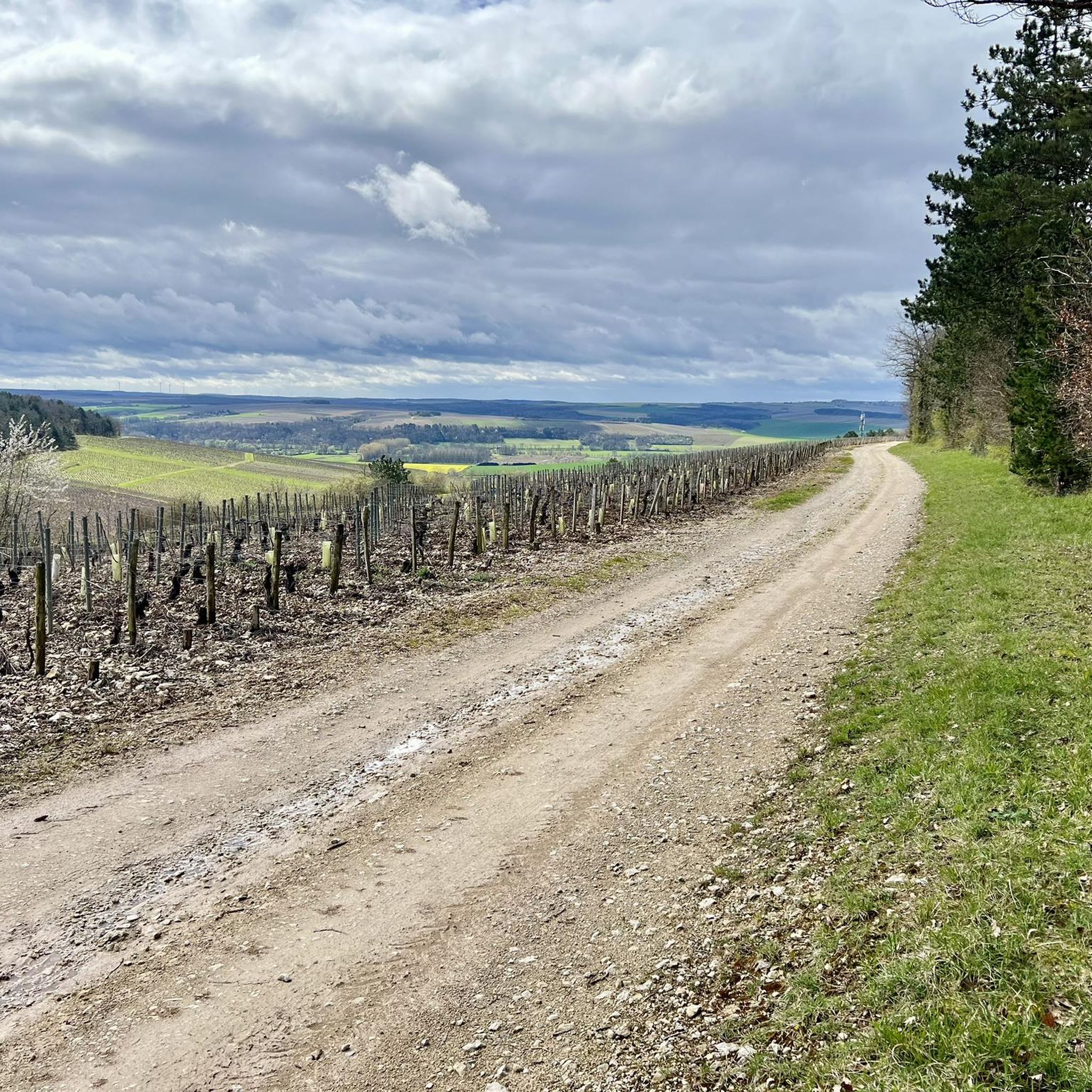
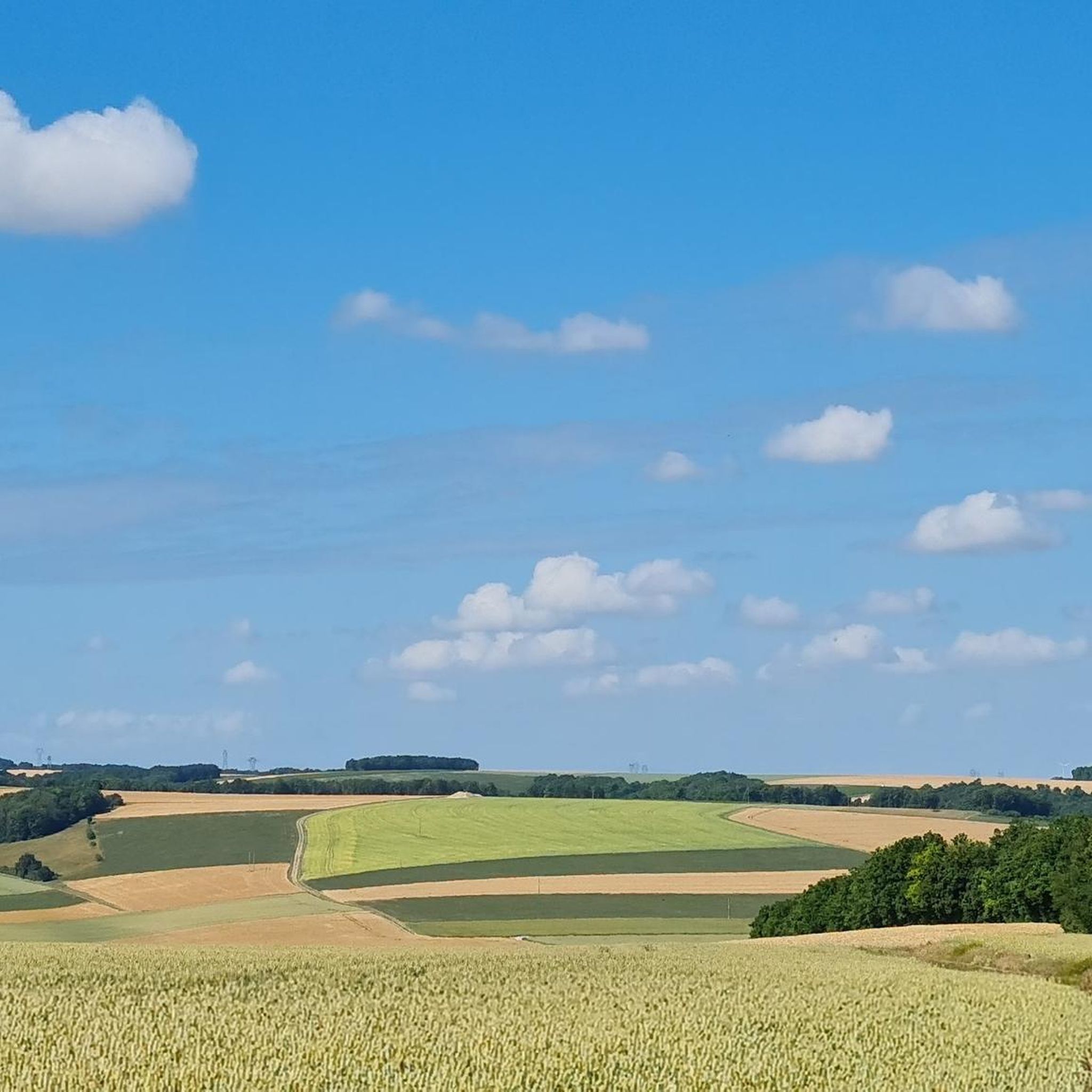
Hiking around Yrouerre offers access to the diverse landscapes of the Yonne department, characterized by unspoiled countryside, gentle river valleys, and rolling vineyards. The region features numerous forests and green spaces, providing varied terrain for exploration. Trails often border the famous Chablis vineyards and follow scenic paths along rivers and canals. The area's topography includes both flat sections and hilly landscapes, particularly near Auxerre.
Best hiking trails around Yrouerre
- The most popular hiking route is Hôtel-Dieu de Tonnerre – Tonnerre…
Last updated: July 4, 2026
4.2
(5)
19
hikers
13.7km
03:44
210m
210m
Moderate hike. Good fitness required. Easily-accessible paths. Suitable for all skill levels.
4.7
(3)
25
hikers
4.81km
01:15
30m
30m
Easy hike. Great for any fitness level. Easily-accessible paths. Suitable for all skill levels.

Sign up for free
3
hikers
21.9km
05:50
230m
230m
Hard hike. Very good fitness required. Easily-accessible paths. Suitable for all skill levels.
5.0
(1)
5
hikers
16.0km
04:19
200m
200m
Moderate hike. Good fitness required. Easily-accessible paths. Suitable for all skill levels.
5.0
(2)
4
hikers
13.1km
03:38
240m
240m
Moderate hike. Good fitness required. Easily-accessible paths. Suitable for all skill levels.
Get access to more routes and recommendations from other explorers.
Sign up for free
Already have an account?
Our route recommendations are based on thousands of hikes, rides, and runs completed by other people on komoot.
Start today with a free account
Your next adventure awaits.
Login or Signup


Tips from the Community

The Dionne pit is a karst source called the Vauclusian source, located in the city center of Tonnerre. It is fed by the infiltration of precipitation into the surrounding limestone plateau as well as by the losses of at least one river. The Dionne pit is remarkable for its flow and the size of its hydrogeological network which extends to more than 40 km. His presence is at the origin of the creation of the city of Tonnerre. An elaborate washhouse was built around the spring in the 18th century. Wikipedia
0
0

A real must-see - this round wash house around a turquoise green source is unique in its kind and well worth the detour.
0
0

The church in Tonnerre was dedicated to Saint Peter / “Saint-PIERRE”. Simon, nicknamed Peter (the word means "rock"), was a fisherman on the Sea of Galilee when he - together with his brother Andrew - was called by Jesus Christ to be "fishers of men". According to Catholic understanding, he is the supreme apostle, and the two millennia-long line of popes - currently Francis - are his successor. On statues and paintings, Peter is almost always depicted with two keys in his hand; this attribute refers to the biblical saying in Matthew: “I will give you the keys of the kingdom of heaven; Whatever you bind on earth will be bound in heaven, and whatever you loose on earth will be loosed in heaven” (Chapter 16, verse 19). Saint-Pierre is - together with Saint-Paul - also known as the “Princes of the Apostles”, their common feast day in the saints' calendar is on June 29th.
0
0

The Hotel Dieu is the work of Marguerite de Bourgogne. it is the longest medieval hospital in Europe. It was built in the XIII century.
0
1
The mystery of this pit is complete. The city was built around it.
0
2
We enjoyed a remarkable guided tour.
0
0

From the old stone bridge there is of course a beautiful view of the Armançon River. And a first look at the old town.
1
0
The Mühlengasse is a nice walking connection from the park with the train station there to the old town. A scenic view of the Mill Canal is included.
1
0
Frequently Asked Questions
How many hiking trails are available around Yrouerre?
Yrouerre provides access to a diverse network of over 40 hiking trails. These include 9 easy routes, 30 moderate options, and 3 more challenging paths, catering to various fitness levels and preferences.
What kind of terrain can I expect on hikes near Yrouerre?
The terrain around Yrouerre is quite varied, featuring unspoiled countryside, gentle river valleys, and rolling vineyards. You'll encounter paths along the Cure, Serein, and Yonne rivers, as well as trails through forests and green spaces. The region's geology includes ancient corallian limestone plateaus, and some routes offer views of these unique formations.
Are there any family-friendly hiking options in the Yrouerre area?
Yes, there are several family-friendly options. For a gentle stroll, consider the Saint Peter's Church – Notre-Dame Church loop from Tonnerre, an easy 3.0-mile (4.8 km) path that explores historic areas. The converted railway lines, such as the "Tacot de l'Yonne" or the Coulée Verte near Auxerre, also offer relatively flat and accessible routes suitable for families.
Can I bring my dog on the hiking trails around Yrouerre?
Many trails in the Yrouerre region are suitable for dogs, especially those that traverse natural landscapes like forests and riverbanks. However, it's always advisable to keep your dog on a leash, particularly in agricultural areas, near livestock, or in protected natural zones. Check local signage for any specific restrictions.
Are there circular hiking routes available near Yrouerre?
Yes, many of the trails around Yrouerre are designed as circular routes, allowing you to start and end at the same point. A popular moderate option is the Hôtel-Dieu de Tonnerre – Tonnerre Lock loop from Tonnerre, which covers 8.5 miles (13.7 km) and explores historical sites and waterways.
What natural attractions can I see along the hiking trails?
The region offers several notable natural attractions. You can explore the picturesque valleys between the Cure and Serein rivers, or discover the dramatic Fosse Dionne and the town of Tonnerre. The wider area is also known for its ancient geological formations and the prehistoric Caves of Arcy-sur-Cure, which are part of scenic routes like the Via Burgundia.
Are there any historical sites or landmarks to explore while hiking?
Absolutely. Many trails incorporate historical elements. For instance, the Hôtel-Dieu de Tonnerre – Tonnerre Lock loop from Tonnerre passes by significant historical sites. You can also visit the impressive Château de Tanlay or the charming medieval village of Noyers-sur-Serein, both accessible from nearby trails.
Are there long-distance hiking options near Yrouerre?
Yes, Yrouerre is situated near several significant long-distance trails. These include sections of the GR 13 and the GR 654, which is part of the historic Camino de Santiago (St. James Way). These paths offer opportunities for multi-day treks through the Burgundy countryside.
Can I hike through vineyards in the Yrouerre region?
Definitely. The region is famous for its vineyards, particularly around Chablis and Irancy. You can find trails that wind directly through these renowned wine-producing areas, offering beautiful views. A challenging option is the Old Mill of Chablis – Chablis Old Town loop from Chichée, which takes you through the vineyard landscapes.
What is the best time of year to hike around Yrouerre?
The Yrouerre region is enjoyable for hiking throughout much of the year. Spring and autumn offer pleasant temperatures and vibrant scenery, with blooming flowers or colorful foliage. Summer is also popular, though it can be warmer, making early morning or late afternoon hikes ideal. Winter can be beautiful for crisp walks, but some paths might be muddy or require appropriate gear.
What do other hikers say about the trails in Yrouerre?
The trails around Yrouerre are highly rated by the komoot community, with an average score of 4.6 stars from over 70 reviews. Hikers often praise the unspoiled countryside, the scenic river valleys, and the varied terrain that offers options for all ability levels.
Are there any unique hiking experiences, like trails on old railway lines?
Yes, the region offers unique trails on converted railway lines. The "Tacot de l'Yonne" provides a relatively flat path between Sainte-Vertu and Chablis, passing by old train stations. Similarly, the Coulée Verte near Auxerre is a 13-kilometer route along an old railway line, perfect for pedestrians and cyclists seeking an easy, scenic journey.
Most popular attractions around Yrouerre

Get inspired with the komoot mobile app


Explore more
Browse the best Hikes in other regions.
