Top 4 Mountain Passes around Laveissenet
Best mountain passes around Laveissenet are found in the Cantal region of France, a village serving as a gateway to the Monts du Cantal. The area is characterized by its volcanic terrain and offers access to various mountain passes. These passes connect glacial valleys and provide routes through the natural landscape. Laveissenet is situated near the Plomb du Cantal, the highest peak in the department.
Best mountain passes around Laveissenet
- The most popular mountain passes is Cabre Pass, a…
Last updated: May 13, 2026
Cabre Pass
Highlight • Mountain Pass
Translated by Google •
Tip by

Pertus Pass
Highlight (Segment) • Mountain Pass
Translated by Google •
Tip by

Sign up now to discover places like this
Get recommendations on the best single tracks, peaks, & plenty of other exciting outdoor places.
Sign up for free
Col d'Entremont (1,210 m)
Highlight • Mountain Pass
Translated by Google •
Tip by

Molède Pass
Highlight • Mountain Pass
Translated by Google •
Tip by

Grifoul Pass
Highlight • Mountain Pass
Translated by Google •
Tip by

Start today with a free account
Your next adventure awaits.
Login or Signup
Tips from the Community

Quite a climb up the valley. There's a bit more of a climb after this pass heading north, though.
0
0

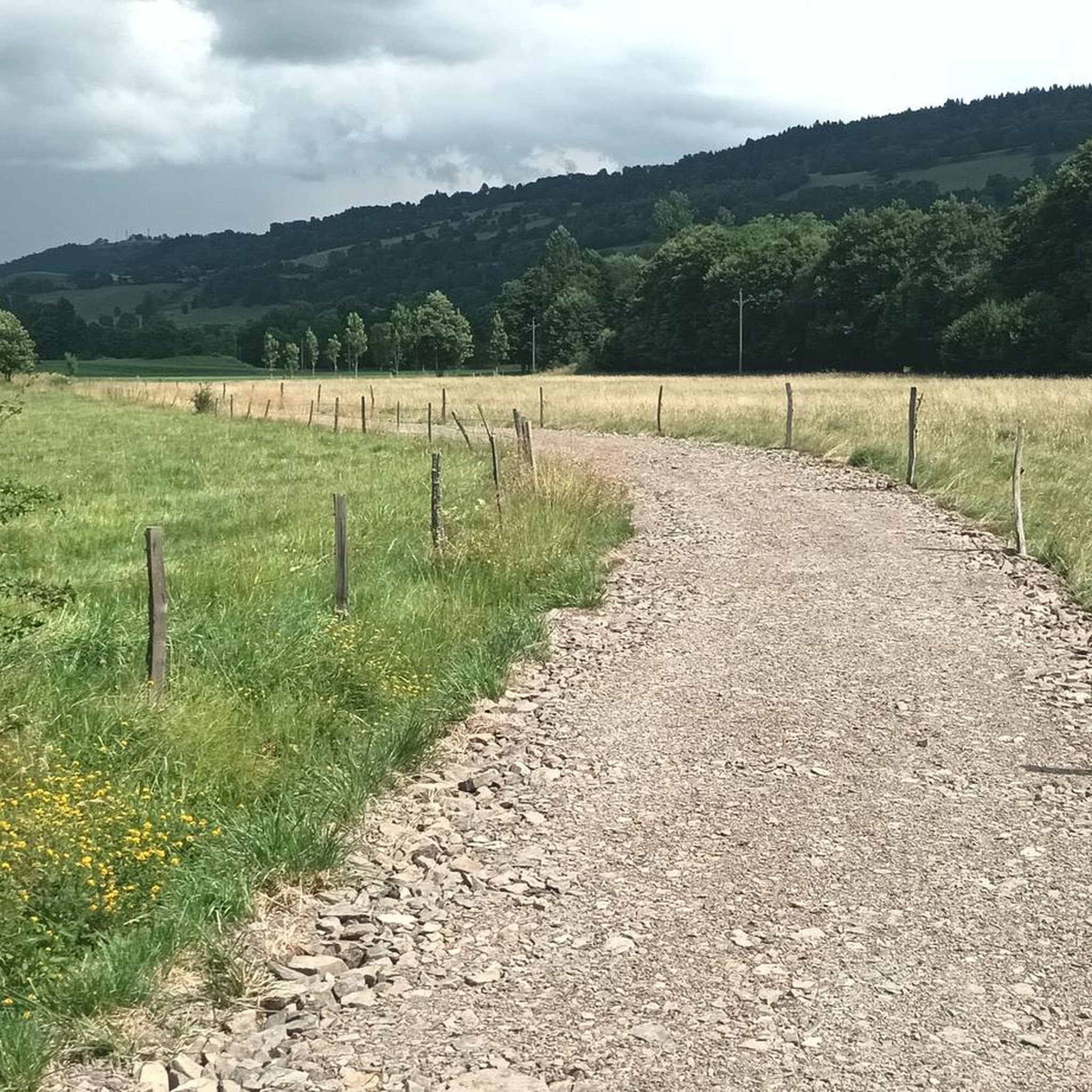
From Sagnette, stay on the D39. This climb is 2.4 kilometers long, with a positive elevation gain of 165 meters. The Col de La Griffoul from La Sagnette has an average gradient of 7%. Afterward, let yourself glide into the magnificent Brezons Valley.
0
0

A bit of an uphill climb but worth the effort
0
0

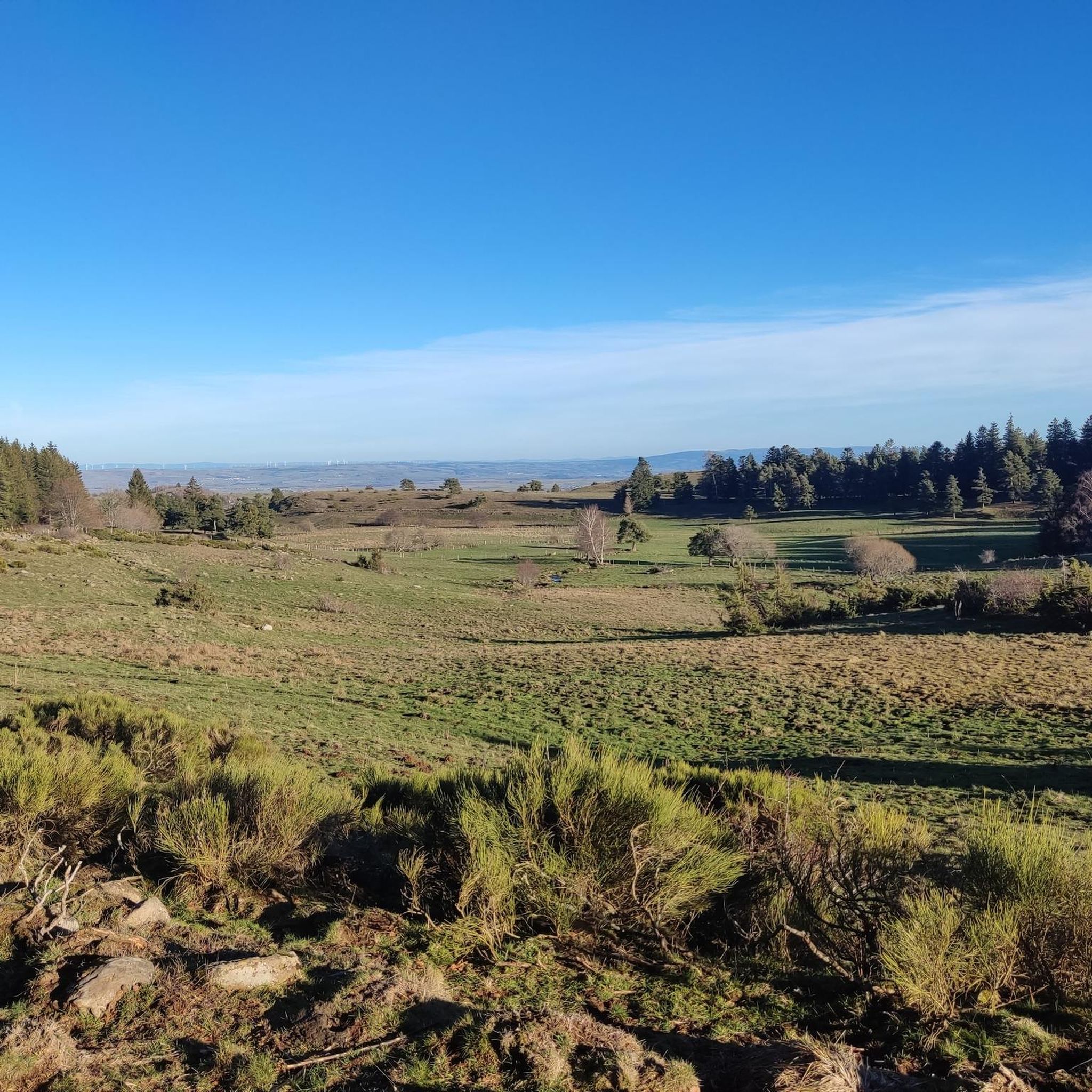
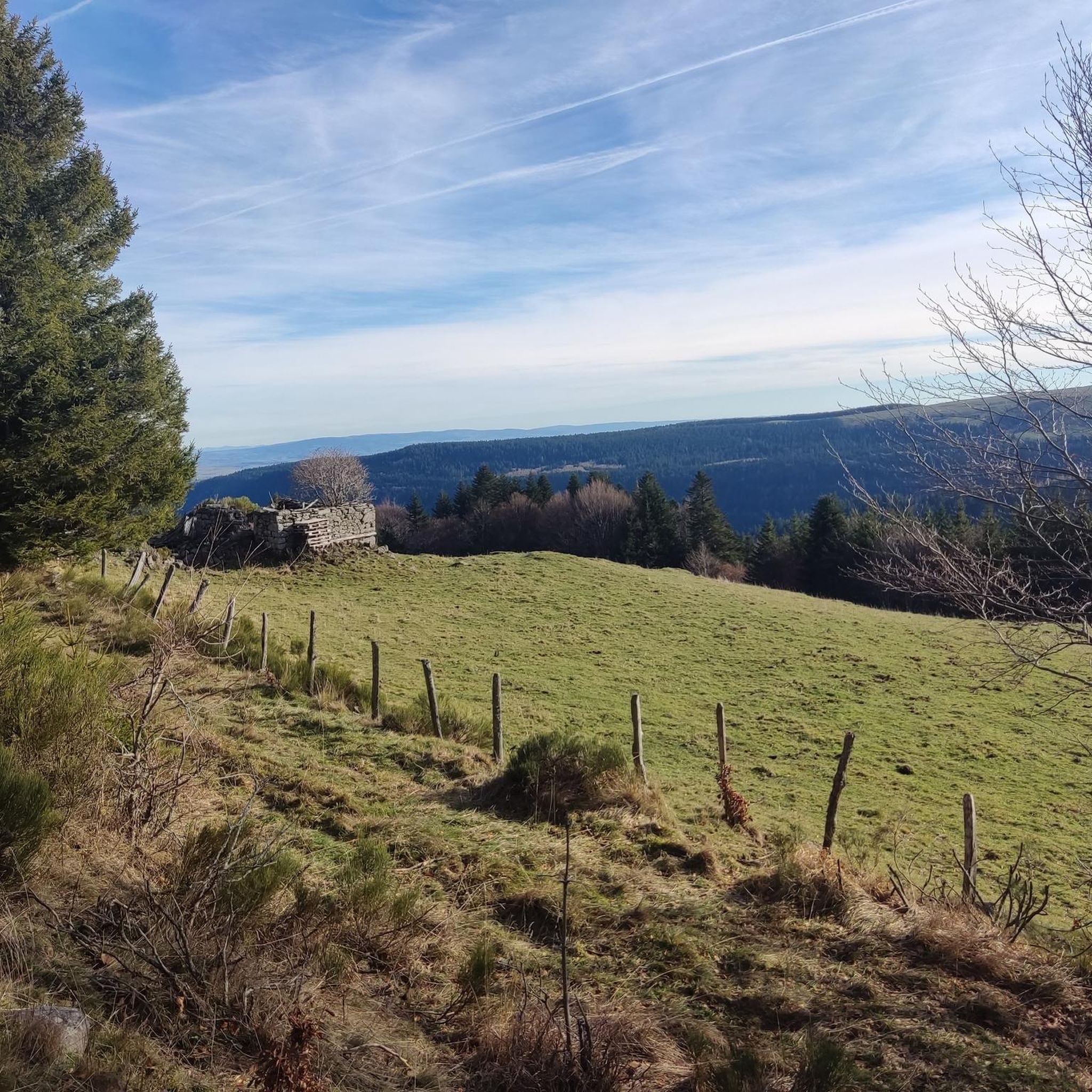
The Col de Cabre at an altitude of 1,526 meters allows you to pass from the Santoire valley to that of the Jordanne. It offers magnificent views of these valleys. It is also crossed by the GR 4 and 400 (Tour of the Cantal mountains) from Puy Bataillouse to Puy de Peyre-Arse.
1
0
The Col de Cabre at an altitude of 1,526 m allows you to pass from the Santoire valley to that of the Jordanne and therefore offers magnificent views of these valleys. It is also crossed by the GR400 (Tour des Monts du Cantal) from Puy Bataillouse to Puy de Peyre Arse.
0
0

Pardon the flowery language, but real dirt. The ascent is very irregular, incredibly difficult in the first kilometer, especially with luggage. It is however very beautiful, and the cows will accompany you in this ascent. If the climb is difficult, the descent is just as difficult and you will have to stay on the brakes in gradients of almost 11 percent. I invite you to stop on the side of the road, to take full advantage of this postcard setting.
1
0

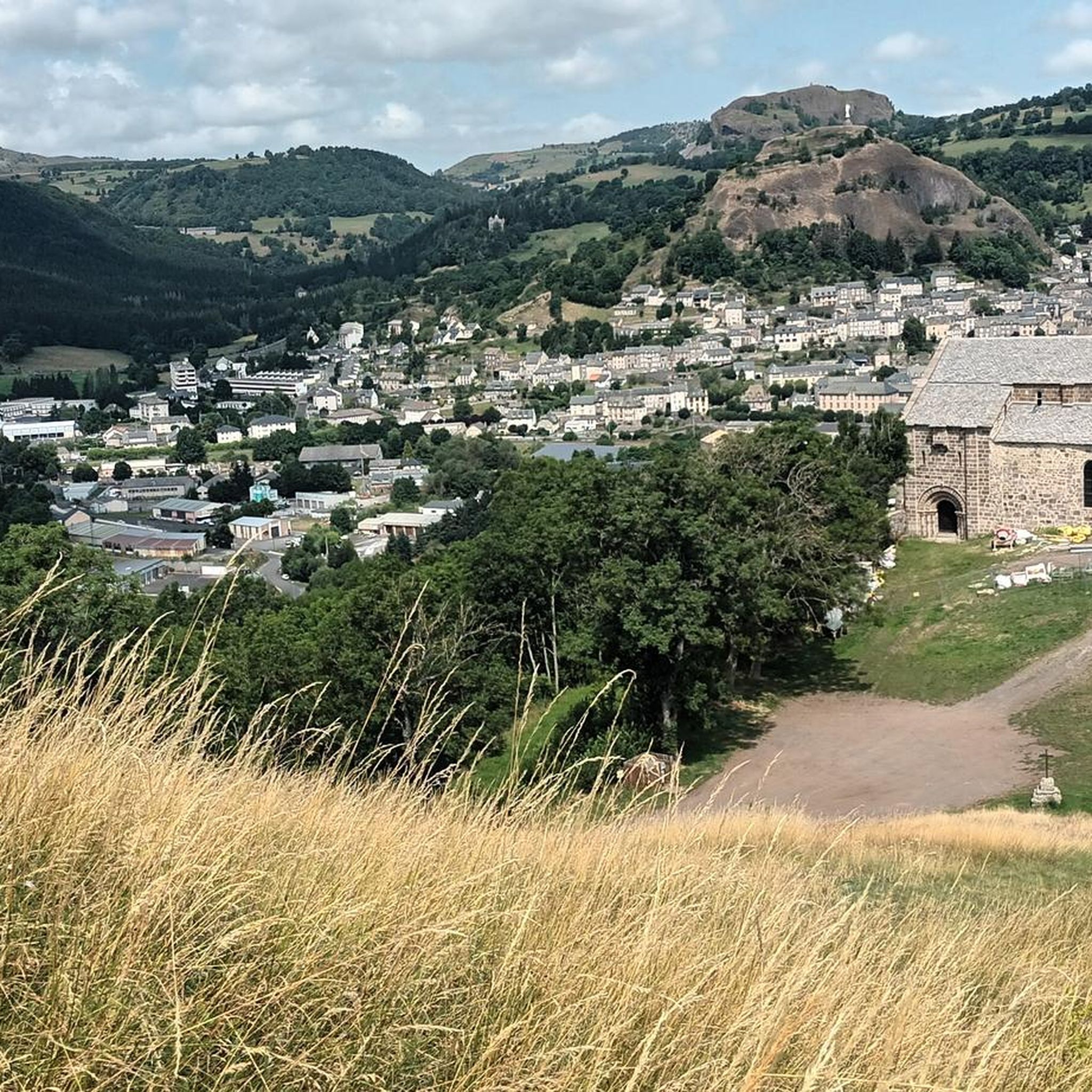
A pretty pass which joins the valleys of the Jordanne and the Cère on the Puy Mary.
1
0

The beautiful glacial valleys of the Jordanne and the Santoire meet at this pass which is between two river basins: the basin of the Garonne (the Jordanne) and that of the Loire (the Santoire). It offers a gentle flat area where it is good to take a break.
0
0
Frequently Asked Questions
What are some popular mountain passes to explore near Laveissenet?
Near Laveissenet, you can explore several notable mountain passes. The Cabre Pass is popular for its views of the Santoire and Jordanne valleys and is part of the GR 4 and GR 400 long-distance footpaths. Another significant pass is Pertus Pass, which connects the Jordanne and Cère valleys on the Puy Mary, offering views towards the peak. Additionally, Col d'Entremont (1,210 m) serves as a starting point for the climb towards Puy Mary.
What activities can I do at Col de Prat-de-Bouc?
Col de Prat-de-Bouc is a versatile recreational hub. In winter, it's ideal for Nordic and Alpine activities like cross-country skiing, downhill skiing (with access to Lioran ski resort), snowshoeing, and ski touring. During spring, summer, and autumn, it's a prime starting point for hiking, including trails to the Plomb du Cantal, and is integrated into long-distance footpaths like the GR400. Cycling is also popular, with an 8-km route from Murat and its inclusion in the Grande Traversée du Massif Central (GTMC) mountain bike route. Trail running and rock climbing are also available.
What natural features and wildlife can I observe at Col de Prat-de-Bouc?
Col de Prat-de-Bouc is an outstanding natural site known for its rich biodiversity. You can find flower-filled meadows beneath the Plomb du Cantal and spot rare species like the round-leaved sundew. It's a significant bird migration site in Auvergne, with over 163 bird species observed, including birds of prey, especially in autumn. The area is also home to marmots, mouflon sheep, and deer. For more details, you can visit the Hautes Terres Tourisme website.
When is the best time to visit the mountain passes around Laveissenet?
The best time to visit depends on your preferred activities. Spring, summer, and autumn are ideal for hiking, cycling, and trail running, with pleasant weather and vibrant landscapes. For winter sports like skiing and snowshoeing, the colder months are best, particularly at passes like Col de Prat-de-Bouc which offers dedicated winter facilities.
Are there family-friendly options for exploring mountain passes near Laveissenet?
Yes, the region offers options suitable for families. While specific passes may have varying difficulty, the general area around Laveissenet and Col de Prat-de-Bouc provides diverse activities. Col de Prat-de-Bouc, for instance, has a dedicated toboggan run in winter and numerous hiking trails of varying difficulty in warmer months, making it suitable for different family activity levels. Always check specific trail details for suitability.
What hiking opportunities are available near the mountain passes?
The mountain passes around Laveissenet offer extensive hiking opportunities. For example, Cabre Pass is crossed by the GR 4 and GR 400 long-distance footpaths. Col de Prat-de-Bouc is a starting point for trails to the Plomb du Cantal and is also part of the GR400, 4, and 465 long-distance footpaths. You can find various hiking routes, including moderate options like the 'Col de Prat de Bouc – Prés Longs Waterfall loop' or more challenging ones like the 'Murat - Prat-de-Bouc Pass Loop', by exploring hiking around Laveissenet.
Can I go cycling or mountain biking near these passes?
Yes, cycling and mountain biking are popular activities. Col de Prat-de-Bouc features an 8-km cycling route from Murat and is part of the mountain bike variant of the Grande Traversée du Massif Central (GTMC) route. You can find various gravel biking routes, including challenging loops like 'Col de Prat de Bouc – View of the Plomb du Cantal loop from Albepierre', by checking out gravel biking around Laveissenet.
What are the difficulty levels of trails around Laveissenet's mountain passes?
The difficulty levels vary significantly. Some passes, like Pertus Pass, can have quite steep sections, especially when ascending from Mandailles. Other areas, particularly around Col de Prat-de-Bouc, offer a range of trails from moderate to difficult, catering to different fitness levels. It's always recommended to check the specific route details before embarking on a trail.
Are there any viewpoints or panoramic spots at the mountain passes?
Many passes offer excellent viewpoints. Cabre Pass provides magnificent views of the Santoire and Jordanne valleys. From Pertus Pass, you can enjoy views towards Puy Mary. Col de Prat-de-Bouc, situated at the foot of the Plomb du Cantal, offers access to the highest points of the region with expansive 360° panoramic views from its summit.
What is the Molède Pass known for?
The Molède Pass, at an altitude of 1,329 meters, is appreciated for its beautiful views. It's considered a good spot for a stopover or a picnic, offering a tranquil setting amidst the natural landscape.
What is the elevation of the mountain passes in the Laveissenet region?
The mountain passes in the Laveissenet region vary in elevation. For example, Col d'Entremont is at 1,210 meters, Molède Pass is at 1,329 meters, and Cabre Pass is at 1,526 meters. Col de Prat-de-Bouc is situated at 1,392 meters, with access to the Plomb du Cantal, the highest peak in the department at 1,855 meters.
Are there facilities or amenities near Col de Prat-de-Bouc?
Yes, Col de Prat-de-Bouc is a well-equipped recreational area. It offers facilities for various winter and summer sports, including ski lifts and a toboggan run in winter. There are also well-maintained trails and infrastructure to support hiking, cycling, and other outdoor activities, ensuring a rewarding experience for visitors.
Most popular routes around Laveissenet
Most popular attractions around Laveissenet

Get inspired with the komoot mobile app


Explore more
See even more epic mountain passes by checking out these guides around Laveissenet:
