The best walks and hikes around Sencenac-Puy-De-Fourches
4.7
(235)
982
hikers
76
hikes
Hiking around Sencenac-Puy-De-Fourches offers diverse landscapes within the Périgord Vert, a part of the Dordogne region. The area is characterized by forests, rolling hills, and valleys, forming part of the Périgord-Limousin Regional Natural Park. Hikers can expect varied terrain, including limestone plateaus and paths alongside rivers. This region provides an extensive network of hiking trails suitable for various experience levels.
Best hiking trails around Sencenac-Puy-De-Fourches
- The most popular hiking route is Hike of the Abbaye de Brantôme, a 6.3…
Last updated: June 29, 2026
4.7
(52)
218
hikers
10.1km
02:46
150m
150m
Moderate hike. Good fitness required. Easily-accessible paths. Suitable for all skill levels.
4.4
(27)
123
hikers
11.5km
03:11
200m
200m
Moderate hike. Good fitness required. Easily-accessible paths. Suitable for all skill levels.

Sign up for free
4.9
(9)
46
hikers
6.01km
01:39
100m
100m
Easy hike. Great for any fitness level. Easily-accessible paths. Suitable for all skill levels.
4.6
(13)
28
hikers
Moderate hike. Good fitness required. Easily-accessible paths. Suitable for all skill levels.
5.0
(5)
17
hikers
8.50km
02:21
150m
150m
Moderate hike. Good fitness required. Easily-accessible paths. Suitable for all skill levels.
Get access to more routes and recommendations from other explorers.
Sign up for free
Already have an account?
Our route recommendations are based on thousands of hikes, rides, and runs completed by other people on komoot.
Start today with a free account
Your next adventure awaits.
Login or Signup
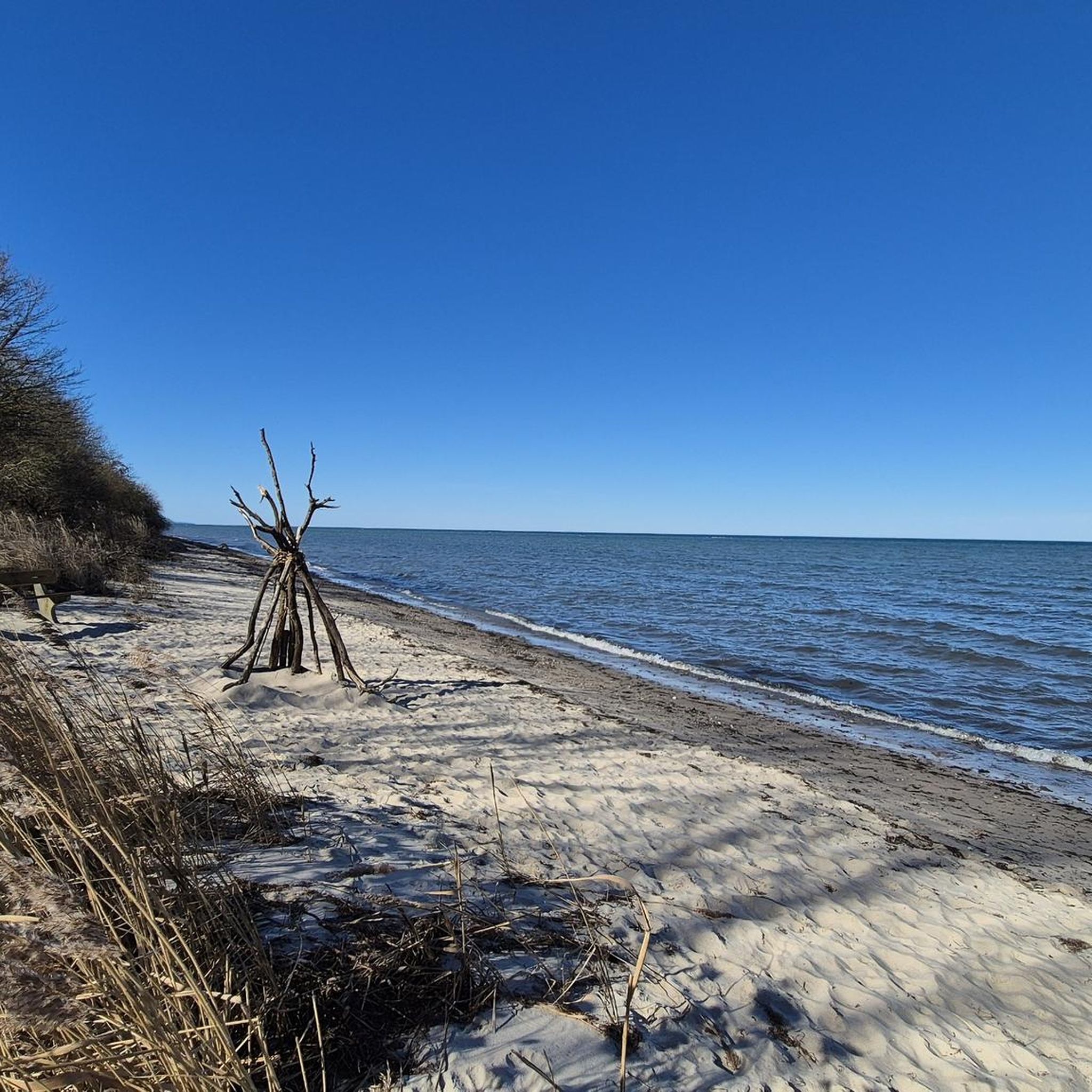

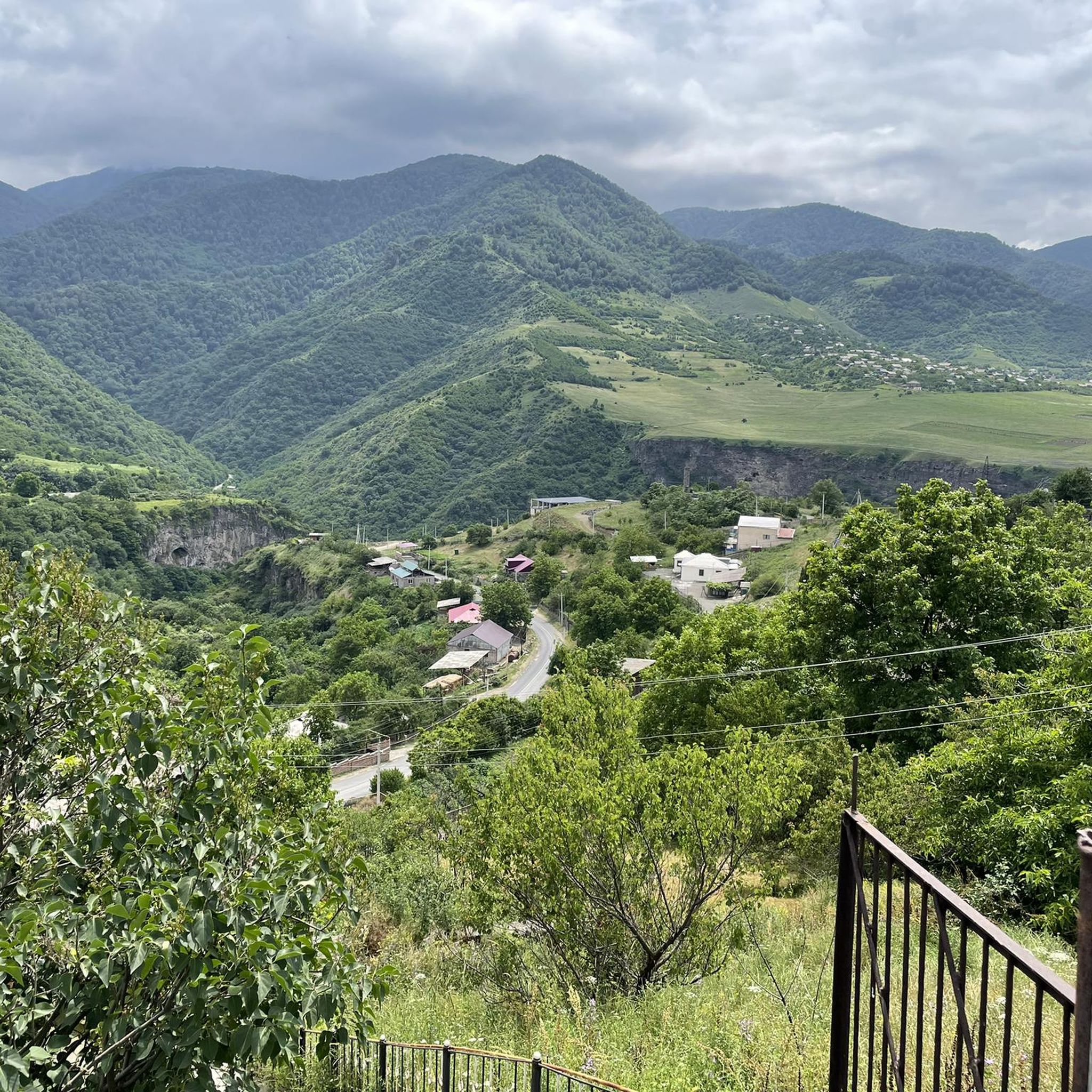
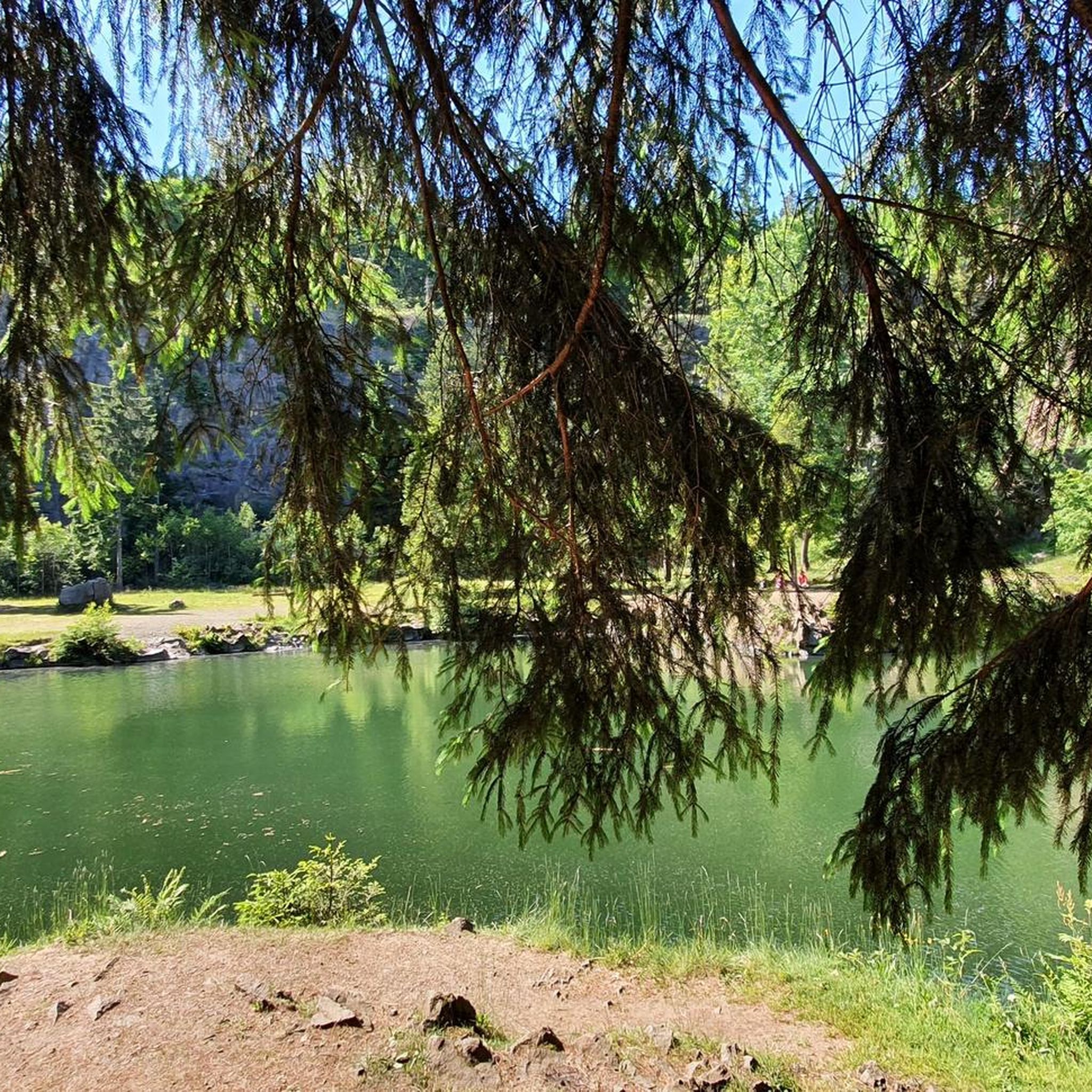

Tips from the Community

Beautiful path through a beautiful landscape
1
0
An interesting sculpture has been erected here.
1
0

very beautiful castle perched on a rock carved out by the waves
0
0

Why Visit the Château de Bourdeilles? Visit Bourdeilles for its medieval castle, partly renovated during the Renaissance. For its rich history: The castle, with its two distinct parts – medieval and Renaissance – offers a unique perspective on several centuries of French history. For its panoramas: The castle tower offers magnificent views of the surrounding countryside, a highlight for landscape lovers. For its architectural heritage: This castle combines the charms of a medieval fortress and the elegance of a Renaissance palace, a rarity that makes it a must-see destination in the Dordogne. The Château de Bourdeilles is a captivating visit, offering both an immersion in history and an appreciation of the region's landscapes. It is a place where one can travel through the centuries while enjoying the natural charm of the Dordogne.
1
0
Gardens and Panoramic Views: Terraced Gardens: Visitors can stroll through the terraced gardens surrounding the castle, where they can enjoy breathtaking views of the valley and the Dronne River. Viewpoint: The top of the medieval tower offers a spectacular view of the picturesque village of Bourdeilles and its surroundings, a panorama that is worth the climb. Visits and Activities: Guided Tours: Guided tours are offered to learn more about the history of the castle and the daily life of its inhabitants over the centuries. Family Activities: In addition to traditional tours, activities and entertainment are often organized, especially for children, such as workshops or outdoor games. Why Visit the Château de Bourdeilles? For its rich history: The castle, with its two distinct parts – medieval and Renaissance – offers a unique perspective on several centuries of French history. For its panoramas: The castle tower offers magnificent views of the surrounding countryside, a highlight for landscape lovers. For its architectural heritage: This castle combines the charms of a medieval fortress and the elegance of a Renaissance palace, a rarity that makes it a must-see destination in the Dordogne. The Château de Bourdeilles is a captivating visit, offering both an immersion in history and an appreciation of the region's landscapes. It is a place where you can travel through the centuries while enjoying the natural charm of the Dordogne.
2
0
The Château de Bourdeilles is one of the most impressive historical and architectural treasures of the Périgord, in the Dordogne. Located in the charming commune of Bourdeilles, it is actually two separate castles, reflecting different eras and styles. Château de Bourdeilles Highlights: Two Castles in One: The Medieval Castle: Dating back to the 13th century, this imposing fortress is a classic example of medieval defensive architecture. It features a 35-metre high watchtower that offers panoramic views of the Dronne Valley. The Renaissance Palace: Next to the medieval castle is an elegant 16th-century palace, built in the Renaissance style. Its magnificent rooms are decorated with period furniture and works of art, adding a refined contrast to the austerity of the medieval fortress. Magnificent Interiors: Renaissance Furniture: The palace contains one of the finest collections of Renaissance furniture in France. Each room offers a glimpse into the aristocratic lifestyle of the time. The Salle des Etats: This imposing room in the palace is particularly notable for its coffered ceiling and frescoes, which are examples of Renaissance art. History and Heritage: Bourdeille Family: For centuries, the château was the residence of the Bourdeille family, an influential noble family. Pierre de Bourdeille, better known as Brantôme, a writer and warrior, grew up here. Strategically Important Site: Perched above the Dronne River, the château played a crucial defensive role during medieval wars, particularly during the Hundred Years' War.
2
0

Nowadays, only very few mills are still in operation in their original function, but they appear to hikers and cyclists along the river as technical and historical monuments of an ancient craft tradition: Only through human ingenuity and the natural power of flowing water as driving energy, the heavy millstones inside were moved and so, for example, grain could be ground into flour (so-called grain mills) or oil could be pressed from fruits (e.g. olives) (so-called oil mills).
1
0
Abbey to visit, and its building just opposite, three floors of cultures, workshops, and exhibitions of painters, sculptors. The roof is remarkable for its complexity and its scale.
2
0
Frequently Asked Questions
How many hiking trails are available around Sencenac-Puy-De-Fourches?
There are over 75 hiking trails in the Sencenac-Puy-De-Fourches area, catering to various skill levels. This includes 30 easy routes, 42 moderate routes, and 5 more challenging treks.
What kind of landscapes can I expect to see while hiking in Sencenac-Puy-De-Fourches?
The Sencenac-Puy-De-Fourches area, located in the Périgord Vert, offers diverse landscapes. You can expect to hike through dense forests, rolling hills, and river valleys. The region is also known for its distinct limestone plateaus and is part of the Périgord-Limousin Regional Natural Park.
Are there any family-friendly hiking options in Sencenac-Puy-De-Fourches?
Yes, the region offers many family-friendly walks. For an easy and shorter option, consider the Brantôme Benedictine Abbey – Abbey Mill loop from Brantôme, which is just over 3 km long and takes about 45-50 minutes to complete. It's a gentle path suitable for all ages.
What are some notable attractions or landmarks I can see while hiking?
Many trails in the area lead past or offer views of historical sites. You can explore the Brantôme Benedictine Abbey and The Mill at Brantôme Abbey. Further afield, you might encounter the impressive Bourdeilles Castle. The region is also famous for its prehistoric caves, some of which are UNESCO World Heritage Sites.
What is the best time of year to go hiking in Sencenac-Puy-De-Fourches?
The Dordogne region, including Sencenac-Puy-De-Fourches, is generally pleasant for hiking from spring through autumn. Spring offers lush greenery and wildflowers, while autumn provides beautiful foliage. Summers are warm, making early mornings or late afternoons ideal for longer hikes. Winters are milder but some trails might be muddy.
Are there any circular hiking routes available?
Yes, many routes in the area are circular. A popular moderate option is the View of the Stone Bridge – Abbey Mill loop from Brantôme, which is 8.4 km long and offers scenic views. Another good choice is the Brantôme Benedictine Abbey – Viewpoint loop from Brantôme, a 10.8 km trail with varied terrain.
Is Sencenac-Puy-De-Fourches a dog-friendly hiking destination?
Generally, the Dordogne region is welcoming to dogs on trails, especially in natural areas. However, it's always recommended to keep dogs on a leash, particularly when passing through agricultural land or near wildlife. Check local signage for any specific restrictions in certain areas or nature reserves.
What do other hikers say about the trails in Sencenac-Puy-De-Fourches?
The hiking routes in Sencenac-Puy-De-Fourches are highly rated by the komoot community, with an average score of 4.7 stars from over 250 reviews. Hikers often praise the varied terrain, the beauty of the Périgord Vert, and the well-maintained paths that lead through forests, hills, and past historical sites.
Are there any long-distance hiking trails in the Sencenac-Puy-De-Fourches area?
While Sencenac-Puy-De-Fourches offers many day hikes, the broader Dordogne department boasts over 9,000 kilometers of well-maintained and signposted trails, including sections of longer GR (Grande Randonnée) routes. These can be accessed for extended treks, offering opportunities to explore the wider Périgord-Limousin Regional Natural Park.
Where can I find more information about hiking in the Dordogne region?
For additional resources and information about walks and hikes throughout the wider Dordogne Valley, you can visit the official tourism website: visit-dordogne-valley.co.uk. This can provide broader context on the region's extensive trail network.
Is public transport available to reach hiking trailheads in Sencenac-Puy-De-Fourches?
Public transport options directly to specific trailheads in Sencenac-Puy-De-Fourches may be limited, as is common in rural French areas. It is often more convenient to reach the region by car, which allows for greater flexibility in accessing various starting points. Some larger towns like Brantôme, which is a hub for several trails, might have more accessible transport links.
Are there any specific permits required for hiking in the Dordogne region?
Generally, no specific permits are required for hiking on public trails in the Dordogne region, including around Sencenac-Puy-De-Fourches. However, if you plan to enter private land or specific protected natural reserves, it's always advisable to check for any local regulations or access restrictions.
Most popular routes around Sencenac-Puy-De-Fourches
Most popular attractions around Sencenac-Puy-De-Fourches

Get inspired with the komoot mobile app


Explore more
Browse the best Hikes in other regions.
