The best cycling routes around Le Boullay-Les-Deux-Églises
4.6
(48)
235
riders
78
rides
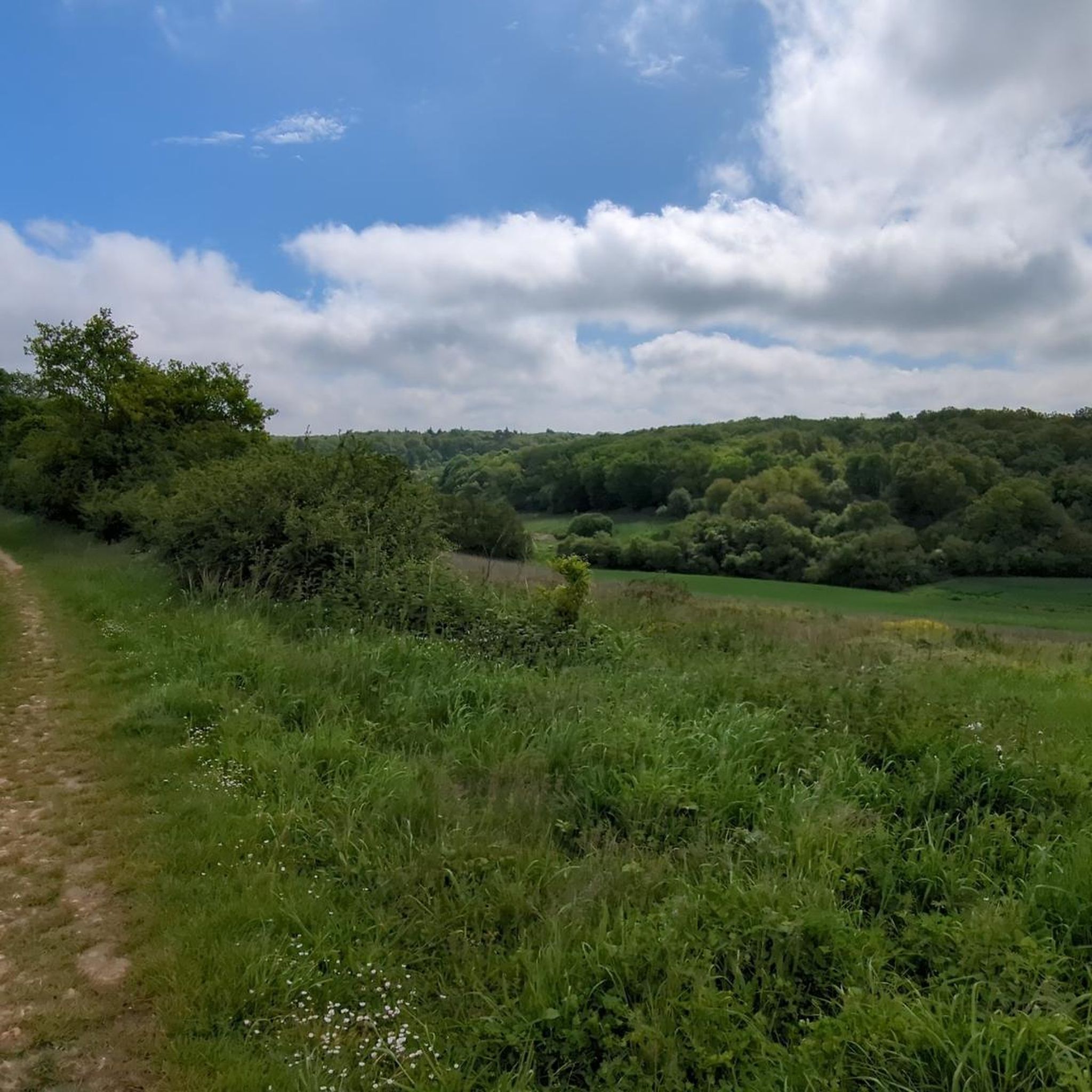
Touring cycling routes around Le Boullay-Les-Deux-Églises traverse tranquil rural landscapes characterized by an altered oceanic climate and minor watercourses. The commune, whose name derives from a Gaulish word for birch tree, features a natural heritage including a Natura 2000 site. The broader Eure-et-Loir department offers diverse cycling terrain, from the flat Beauce region to the rolling hills of the Perche, providing a scenic backdrop for cycling.
Best touring cycling routes around Le Boullay-Les-Deux-Églises
- The most popular touring cycling route is…
Last updated: July 2, 2026
5.0
(1)
20
riders
42.8km
03:09
210m
210m
Moderate bike ride. Good fitness required. Mostly paved surfaces. Suitable for all skill levels.
8
riders
Moderate bike ride. Good fitness required. Mostly paved surfaces. Suitable for all skill levels.

Sign up for free
2
riders
12.4km
00:43
70m
70m
Easy bike ride. Great for any fitness level. Mostly paved surfaces. Suitable for all skill levels.
4
riders
23.9km
01:49
170m
170m
Moderate bike ride. Good fitness required. Mostly paved surfaces. Suitable for all skill levels.
1
riders
16.8km
01:04
90m
90m
Easy bike ride. Great for any fitness level. Mostly paved surfaces. Suitable for all skill levels.
Get access to more routes and recommendations from other explorers.
Sign up for free
Already have an account?
Our route recommendations are based on thousands of hikes, rides, and runs completed by other people on komoot.
Start today with a free account
Your next adventure awaits.
Login or Signup
Tips from the Community

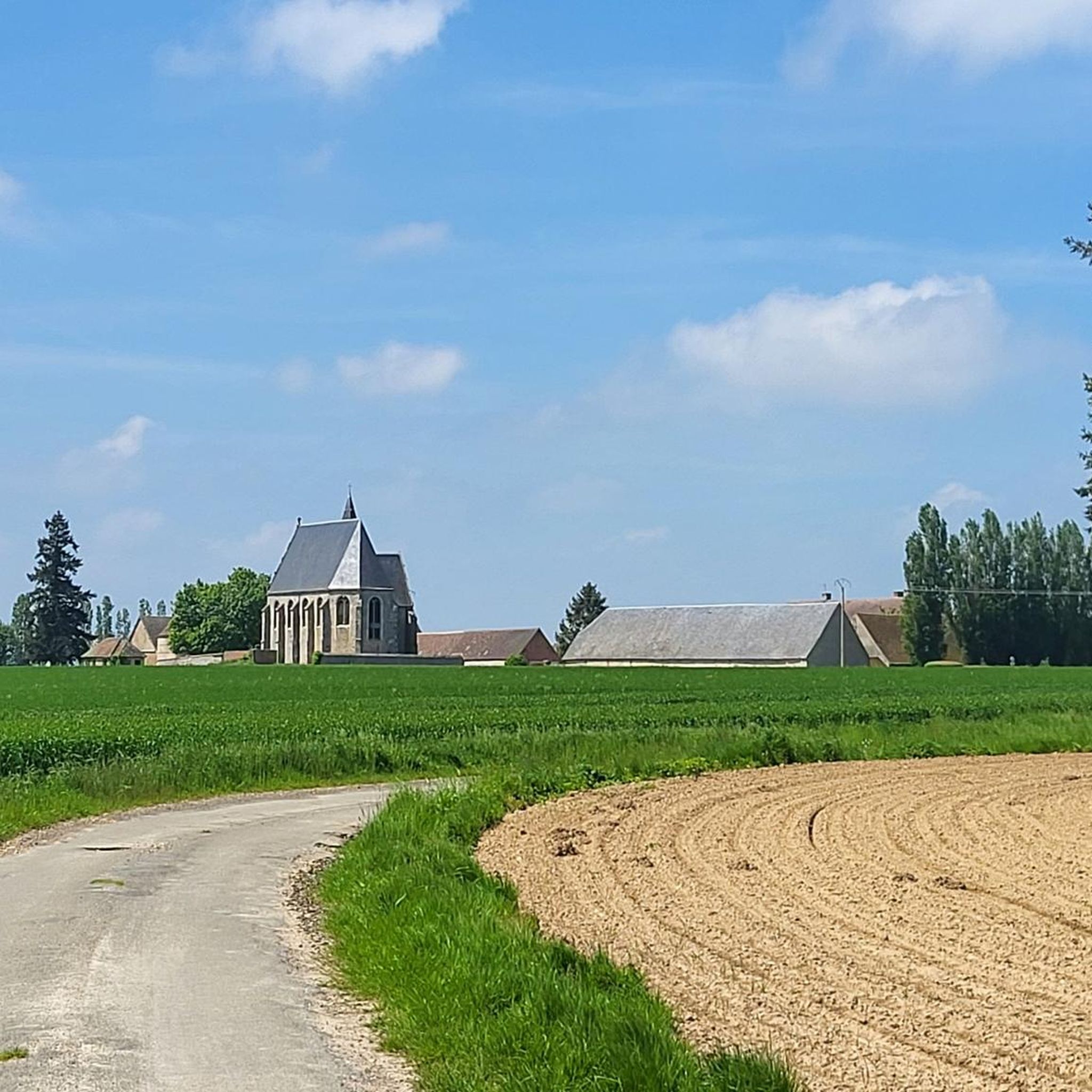
The Saint-Eloi Saint-Jean-Baptiste church in Crécy-Couvé is currently being restored. The spire of its bell tower, which was leaning dangerously, has been dismantled and is currently stored in the church awaiting restoration.
0
0

The Church of Saint-Éloi-Saint-Jean-Baptiste is believed to have originally been the chapel of the Château de Couvé, the first known mention of which dates back to 1215. This château belonged to the Abbey of Saint Père de Chartres. The layout of this chapel is currently unknown. Observing the architectural features of the current church allows us to place its construction between the 15th and 16th centuries. Improvement and modernization work were undertaken in the second half of the 18th century when Louis XV offered the Crécy estate to the Marquise de Pompadour: enlargement of the medieval windows, construction of an altarpiece forming a sacristy, a choir enclosure, and a gallery that could replace an older structure providing access to the attic. During this work, it is assumed that some of the bell tower's supports were removed to free up the nave and harmonize the interior spaces. After a prosperous period, the 19th and 20th centuries saw a slow deterioration of the building, despite some maintenance work being carried out on the roofs and other parts of the church that required it. It was only in 1901 that major work was undertaken, with the repair of the bell tower roof. This was followed in 1925 by work to consolidate the bell tower structures and repair the roofs of the western part of the nave. The bell tower and spire are tilting significantly to the south, linked to a failure of the old supports and the deterioration of the supporting structures, requiring urgent safety and restoration work.
0
0

The Rond du Roi are two pyramids which mark the limits of the former royal hunting domain. The pyramids date from the 18th century and are made of sandstone blocks. They are located at the intersection of forest roads, called Rond de France and Rond du Roi. This area offers plenty of woodland running trails with stunning views of the surrounding countryside.
2
0
The Rond des Quatres Barrières is a historic monument dating from the 18th century. It was built by the Duke of Penthièvre, owner of the neighboring castle of Châteauneuf-en-Thymerais. The Rond des Quatres Barrières is made up of four stone arches which form a circle, with a fountain in the center. It is located in the middle of the forest. The Rond des Quatres Barrières is the ideal place to visit during a running race.
2
0
The Rond du Roi are two pyramids that mark the boundaries of the former royal hunting grounds. The pyramids date from the 18th century and are made of blocks of sandstone. They are located at the intersection of forest roads, called the Rond de France and the Rond du Roi. This area offers pleasant walks in the woods, with some views of the surrounding countryside.
3
0
The Rond des Quatres Barrières is a historical monument dating from the 18th century. It was built by the Duke of Penthièvre, who owned the neighboring castle of Châteauneuf-En-Thymerais. The Rond des Quatres Barrières is made up of four stone arches that form a circle, with a fountain in the center. It is located in the middle of the forest. The Rond des Quatres Barrières is a peaceful and charming place to visit, especially in the spring or fall when the trees are in bloom or changing color.
2
0
Frequently Asked Questions
How many touring cycling routes are available in Le Boullay-Les-Deux-Églises?
There are over 75 touring cycling routes around Le Boullay-Les-Deux-Églises. These routes cater to various skill levels, offering a diverse range of experiences across the tranquil rural landscapes.
What are the typical difficulty levels of touring cycling routes in this area?
The routes in Le Boullay-Les-Deux-Églises are predominantly easy to moderate. You'll find approximately 35 easy routes, 37 moderate routes, and a few more challenging options for experienced cyclists.
What kind of terrain can I expect on the touring cycling routes?
The terrain around Le Boullay-Les-Deux-Églises is characterized by tranquil rural landscapes, often traversed by minor watercourses. You can expect a mix of flat areas, particularly in the Beauce region, and rolling hills as you approach the Perche. Many routes are on paved surfaces, making them suitable for touring bikes.
Are there any historical sites or landmarks to see along the cycling routes?
Yes, the area offers several points of historical interest. You might encounter sites like the historic Église Saint-Aignan, known for its distinctive portal, or the Chapelle Notre-Dame-du-Bon-Raisin de Mondétour. While cycling, you can also pass by the Rond du Roi.
What natural features can I expect to see while cycling?
Le Boullay-Les-Deux-Églises boasts a rich natural heritage. You'll cycle through landscapes with birch trees, which inspired the commune's name, and may encounter areas recognized for their ecological, faunistic, and floristic interest, including a Natura 2000 site. The region is also home to lakes such as Centre Nautique du Pays Drouais – Mézières-Écluzelles Lake.
Are there family-friendly touring cycling routes?
Absolutely. Many of the routes are classified as easy, making them ideal for families. For example, the Pond of Boullay-Thierry – The Châtelains cemetery loop from Le Boullay-Thierry is an easy 9.7 km route that offers pleasant views and is suitable for a family outing.
Are there circular touring cycling routes available?
Yes, many touring cycling routes in the area are designed as loops, allowing you to start and finish at the same point. Examples include the Jacques Potiers Route – Saint-Pierre Church loop from Le Boullay-Thierry and the Mare Marchais loop from Saint-Sauveur-Marville.
What is the best time of year for touring cycling in Le Boullay-Les-Deux-Églises?
The region experiences an altered oceanic climate, making spring, summer, and early autumn generally pleasant for cycling. These seasons offer mild temperatures and lush landscapes, perfect for exploring the rural routes.
What do other cyclists say about touring cycling in Le Boullay-Les-Deux-Églises?
The touring cycling routes in Le Boullay-Les-Deux-Églises are highly rated by the komoot community, with an average score of 4.6 stars from over 50 reviews. Cyclists often praise the tranquil rural settings, the variety of terrain, and the well-maintained paths that showcase the local natural and historical heritage.
Are there any longer touring cycling routes for a more extended ride?
For those seeking a longer ride, routes like the Châteauneuf-en-Thymerais – Châteauneuf-en-Thymerais loop from Saint-Sauveur-Marville offer a substantial distance of over 26 km, providing a good option for an extended touring cycling experience.
Can I find routes that pass by specific points of interest?
Many routes are designed to highlight local attractions. For instance, the Jacques Potiers Route – Saint-Pierre Church loop from Le Boullay-Thierry specifically passes by the historic Saint-Pierre Church, allowing you to combine your ride with cultural exploration.
Is it possible to combine cycling with other outdoor activities in the area?
Yes, the broader region offers complementary activities. For example, the Centre Nautique du Pays Drouais at Mézières-Ecluzelles, which includes Mézières-Écluzelles Lake, offers mountain biking in addition to water sports, providing options for a varied outdoor experience.
Most popular routes around Le Boullay-Les-Deux-Églises
Most popular attractions around Le Boullay-Les-Deux-Églises

Get inspired with the komoot mobile app


Explore more
Browse the best Cycling routes in other regions.
