Top 7 Mountain Passes around Souanyas
Best mountain passes around Souanyas are found within the Pyrénées-Orientales department, a region characterized by its mountainous terrain and historical routes. This area features a variety of passes that connect different valleys and regions, often involving significant elevation changes. The landscape includes high mountains, granite formations, and diverse natural environments. These passes have historically served as crucial transit points and remain popular for outdoor activities.
Best mountain passes around Souanyas
- The most popular mountain passes is Col Mitjà, a mountain pass and viewpoint that allows hikers to switch between the Carança and Riberola valleys. It peaks at 2,367 meters and offers a wonderful viewpoint.
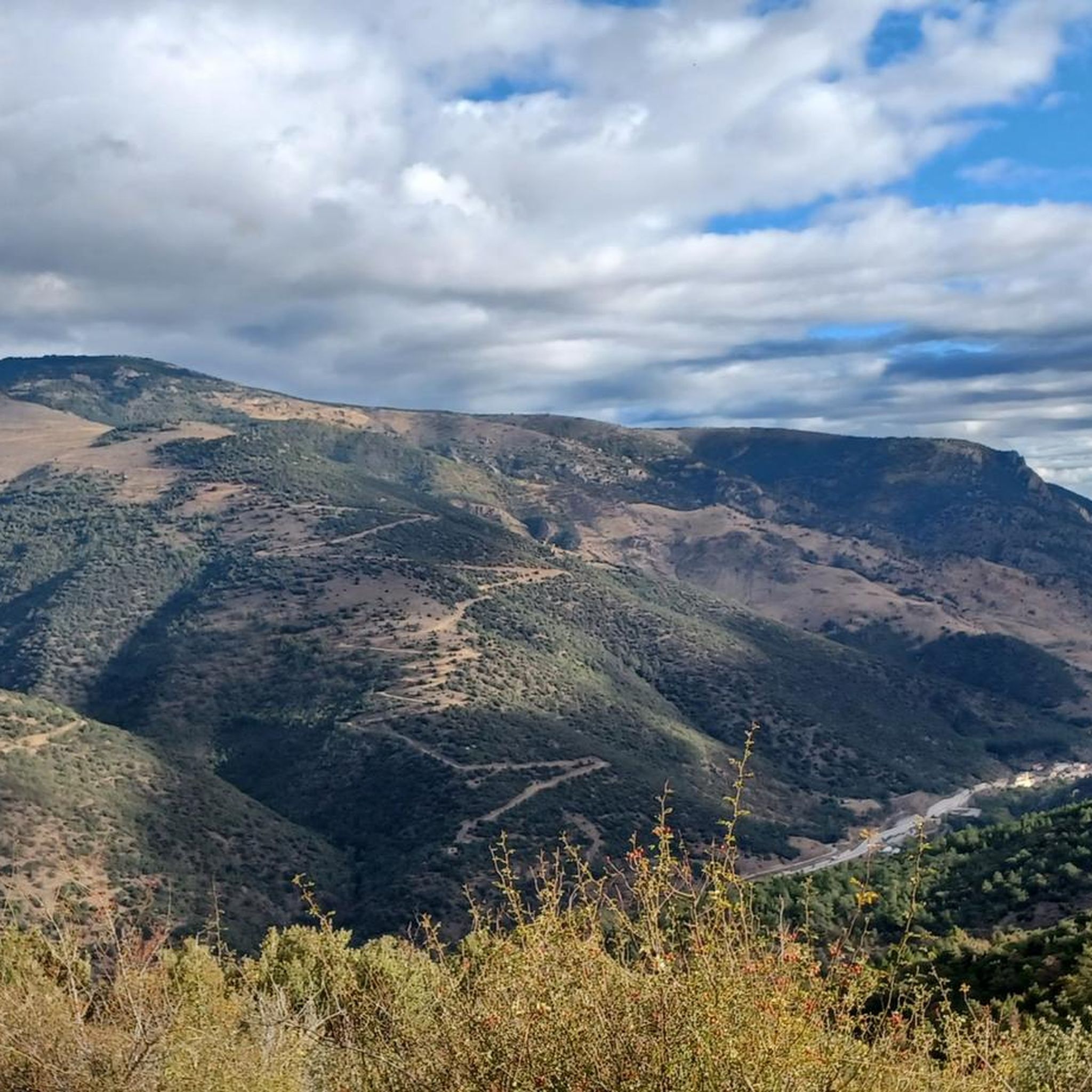
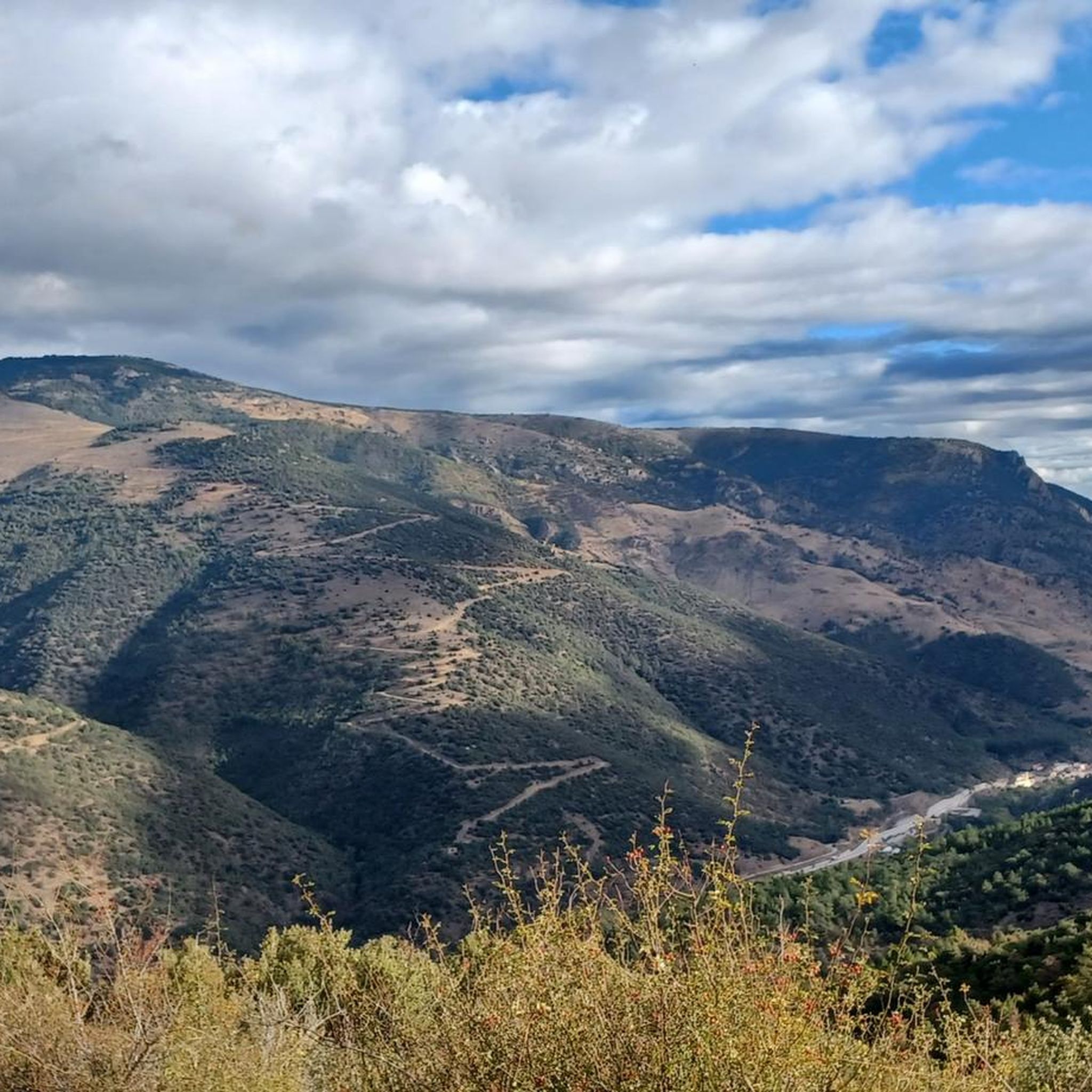
- Another must-see spot is Jou Pass, a challenging mountain pass and viewpoint. This pass peaks at 1,125 meters and is a well-known rallying point for local hikers, serving as a starting point for many hikes including the one to Canigou peak.
- Visitors also love Col del Pal, a mountain pass that culminates at 2,294 meters above sea level. It is crossed by the GR 10 and provides panoramas of the Conflent region.
- Souanyas is known for its challenging mountain passes, intermediate trails, and scenic viewpoints. The region offers a variety of mountain passes to see and explore, from pedestrian routes connecting valleys to higher altitude passes with extensive views.
- The mountain passes around Souanyas are appreciated by the komoot community, with more than 90 upvotes and over 30 photos contributed by visitors.
Last updated: November 23, 2026
Jou Pass
Highlight • Mountain Pass
Translated by Google •
Tip by

Mantet Pass
Highlight • Mountain Pass
Translated by Google •
Tip by

Sign up now to discover places like this
Get recommendations on the best single tracks, peaks, & plenty of other exciting outdoor places.
Col de Juell 1,500 m
Highlight • Mountain Pass
Translated by Google •
Tip by

Col Mitjà
Highlight • Mountain Pass
Translated by Google •
Tip by
Col del Pal
Highlight • Mountain Pass
Translated by Google •
Tip by

Sign up for free to discover even more mountain passes around Souanyas.
Already have an account?
Start today with a free account
Your next adventure awaits.

Tips from the Community

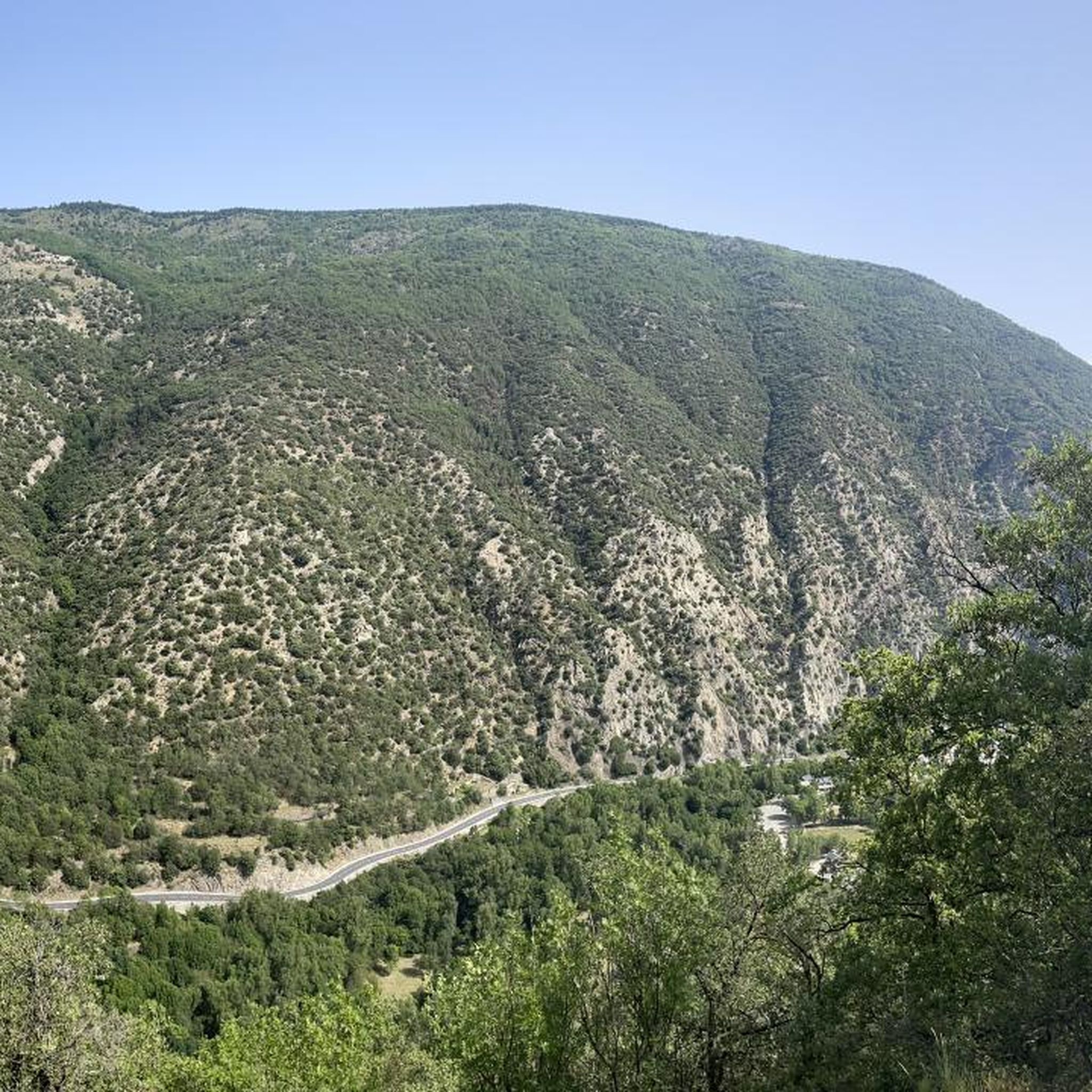
The Col de Jou from Villefranche de Conflent is a climb in the French Pyrenees. This climb is 11.4 kilometers long and has a positive elevation gain of 687 meters. The Col de Jou from Villefranche de Conflent has an average gradient of 6%.
15
0

Beautiful mountain pass with wonderful views
2
0

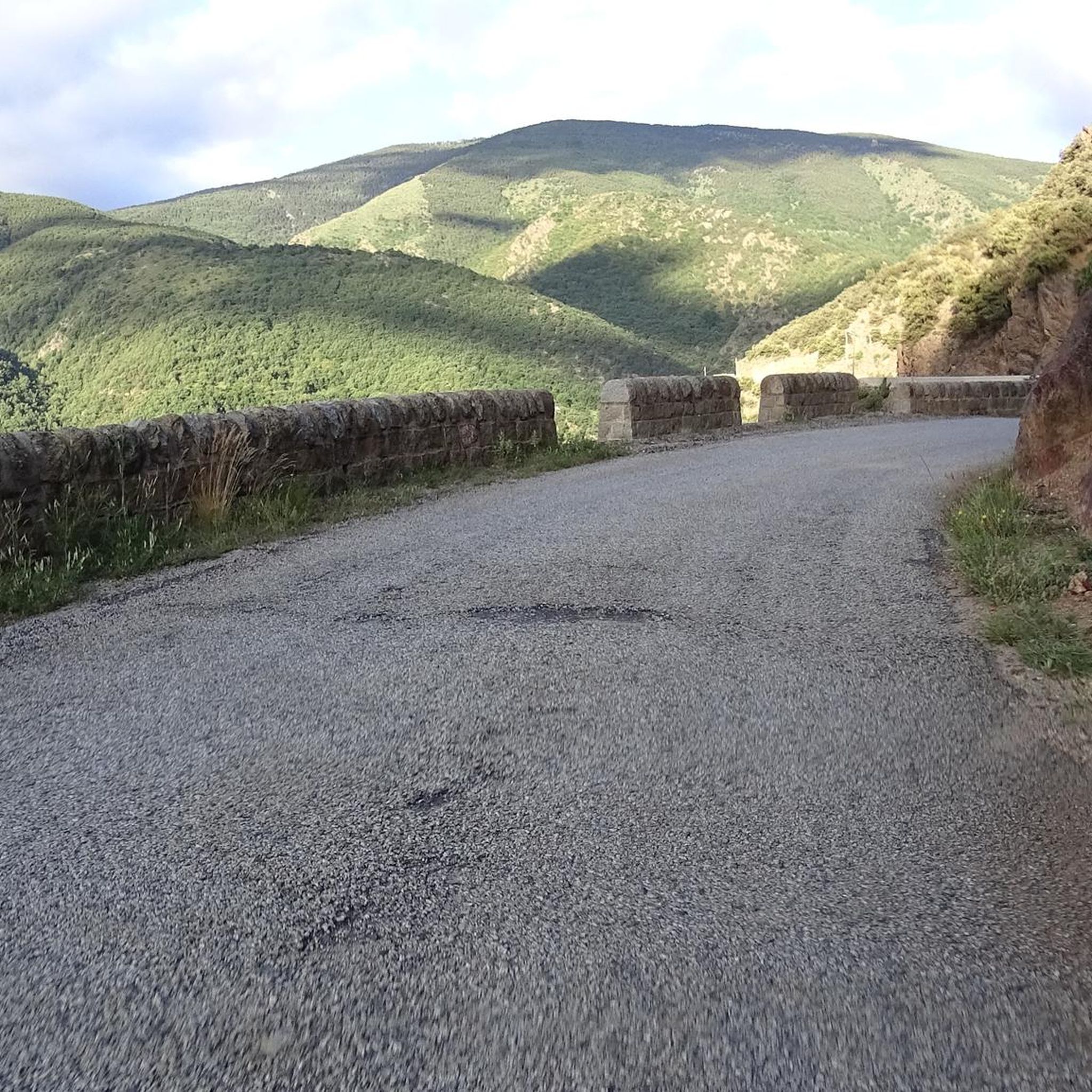
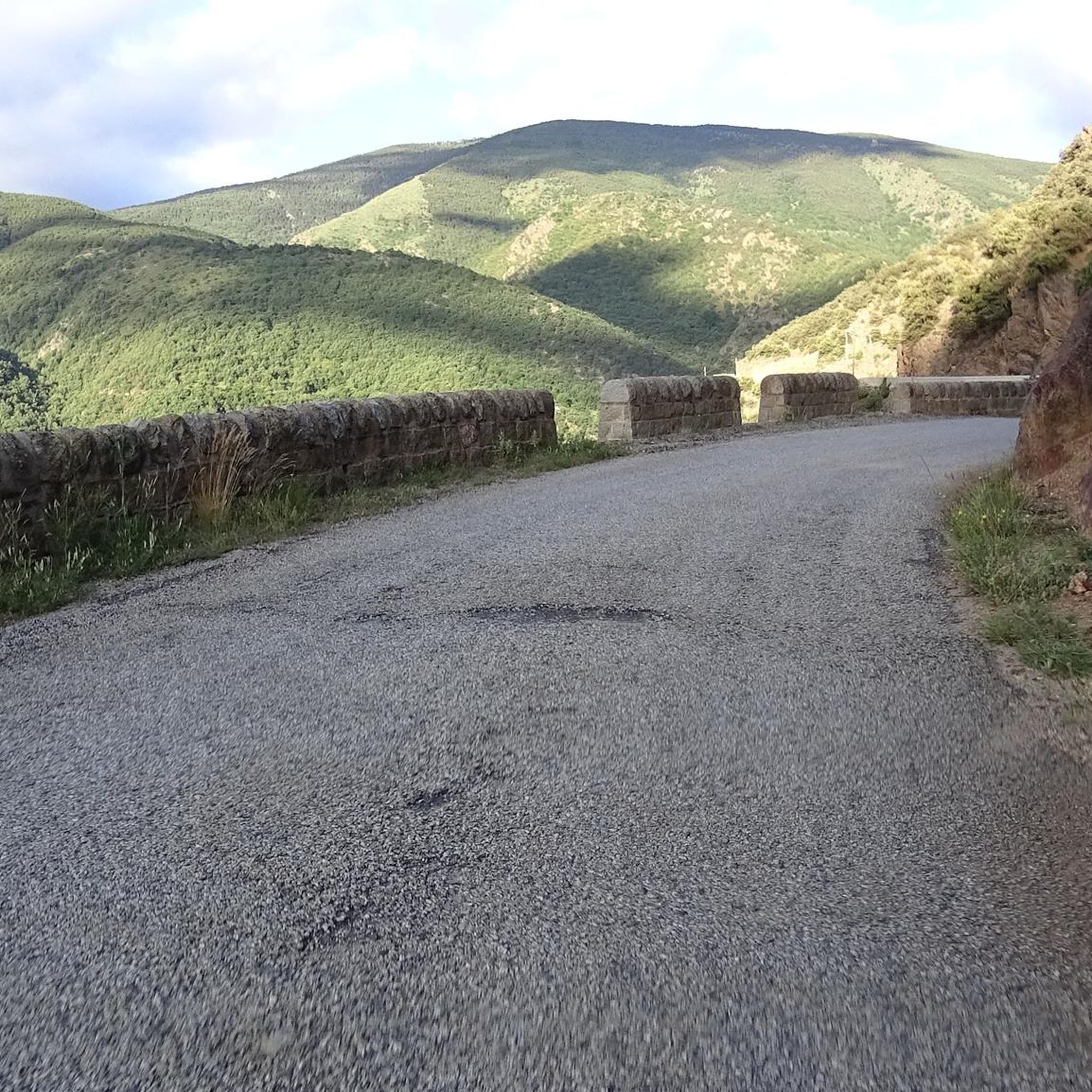
It is a small elevation that allows you to connect Railleu and Caudiès-de-Conflent with Aiguatèbia in the most direct way possible. The road is very narrow although it has been recently paved and the asphalt is simply perfect. On the Aiguatèbia slope it is approximately 3 km very hard, although with wonderful views of the valley. You can not lose this!
1
0

Return to the road going down (rocky then forest track) from the Col des Roques Blanches.
2
0

This pedestrian pass allows hikers to switch from the Carança valley to the Riberola valley. It peaks at 2,367 meters and forms the junction between two magnificent peaks: Puigs Rodon to the south, and Gallinàs to the north.
5
0
The Col de Jou peaks at an altitude of 1,125 meters. It is a well-known rallying point for local hikers. Indeed, the GR 10 passes through there, and it is the starting point for many hikes including the one that connects Canigou peak.
1
0

if you have the legs go up to sansa before
1
0
Frequently Asked Questions
What are some of the most popular mountain passes around Souanyas?
Among the most appreciated passes by the komoot community are Col Mitjà, which allows hikers to switch between the Carança and Riberola valleys at 2,367 meters, and Jou Pass, a well-known rallying point for local hikers at 1,125 meters, serving as a starting point for many routes including the one to Canigou peak.
Are there mountain passes with significant historical importance in the region?
Yes, the region boasts several historically significant passes. The Col de Puymorens, for instance, has been a crucial transit point between France and Catalonia since the 18th century and has featured in the Tour de France. The Col de la Perche is noted for its potential role in Hannibal's route during the Second Punic War and its Roman-era passage. Additionally, the Col d'Ares served as a route for smugglers and a poignant 'path of exile' during the Spanish Civil War.
What kind of views can I expect from the mountain passes near Souanyas?
Many passes offer breathtaking panoramic views. From Col del Pal, which culminates at 2,294 meters, you can enjoy magnificent panoramas of the Conflent region. The Col de la Perche is consistently praised for its 360-degree views of surrounding mountains, valleys, and plains, often with the iconic Canigó peak in the background. The Col d'Ares also provides stunning natural beauty and vistas, including the Canigó.
What is the best time to visit the mountain passes around Souanyas?
While many passes are generally accessible year-round, it's best to visit during spring, summer, and early autumn. High mountain passes like Col de Puymorens can experience temporary closures in winter due to hazardous weather conditions. Always check local weather and road conditions before planning your trip, especially outside of peak seasons.
Are there challenging mountain passes for experienced hikers or cyclists?
Absolutely. The region is known for its challenging mountain passes. Jou Pass is categorized as a challenging mountain pass. The Col de Puymorens, with its steep sections and maximum gradient of 7.7%, is a recognized climb for cycling enthusiasts. The ascent to Col de la Perche from Thuès-Entre-Valls is a demanding 12.70 kilometers with a total ascent of 736 meters, classifying it as a Category 1 climb.
What outdoor activities can I do near these mountain passes?
The mountain passes around Souanyas are excellent starting points for various outdoor activities. You can find numerous routes for gravel biking, road cycling, and mountain biking. For example, there are challenging gravel biking loops like the 'Villefranche-de-Conflent – Mantet Pass loop' and road cycling routes such as the 'Ascent of Mont-Louis and col de la Llose'. Explore more options on the Gravel biking around Souanyas, Road Cycling Routes around Souanyas, and MTB Trails around Souanyas guide pages.
Are there any less-trafficked or 'hidden gem' passes to explore?
While not as widely known as some of the major passes, Col de Juell 1,500 m offers a quieter experience. It's a small pass on a municipal road, recently paved, with wonderful views of the valley and very little traffic, making it a great option for those seeking solitude.
Can I find passes that are suitable for intermediate-level hikers?
Yes, many passes cater to intermediate hikers. Col Mitjà is categorized as an intermediate mountain pass, as is Els Collets d'Avall, which is a small pass before the final ascent to Col Mitjà. These offer rewarding experiences without being overly extreme.
What kind of terrain can I expect on the mountain passes in this region?
The terrain around Souanyas' mountain passes is diverse, characterized by high mountains, granite formations, and varied natural environments. You'll encounter fully paved roads on passes like Col de Puymorens, Col de la Perche, and Col d'Ares, making them suitable for cycling and scenic drives. For hikers, passes like Col Mitjà involve pedestrian routes connecting valleys, often with significant elevation changes.
Are there any cross-border mountain passes near Souanyas?
Yes, the Col d'Ares (Coll d'Ares) is a notable cross-border mountain pass situated at 1,513 meters, connecting Prats-de-Mollo in France with Molló in Catalonia, Spain. Traversing this pass allows you to experience the distinct cultures of both sides and enjoy its rich history.
What makes the Col de la Perche unique among the passes?
The Col de la Perche, also known as Coll de la Perxa, is unique for its role as a vital connection between the Conflent and Cerdagne regions, and it marks the watershed divide between the Sègre and Têt rivers within the Catalan Pyrenees Natural Park. Its accessible gradients make it enjoyable for various skill levels, and it offers panoramic 360-degree views, including the iconic Canigó.
What are some natural attractions or landmarks near these passes?
Beyond the passes themselves, the region offers beautiful natural landscapes. Near Col de Puymorens, you can explore the grand Carol Valley with its high mountains, granite boulders, and small waterfalls. The area around Col de la Perche features the famous 'yellow train' railway line. Many passes, like Col Mitjà, are also considered natural monuments and offer wonderful viewpoints.
Most popular routes around Souanyas
Most popular attractions around Souanyas

Get inspired with the komoot mobile app


Explore more
See even more epic mountain passes by checking out these guides around Souanyas:
