The best road cycling routes around Érin
4.5
(25)
570
riders
70
rides
Road cycling around Érin offers routes across a landscape characterized by a rugged coastline, limestone geology, and small hills. The island's compact size makes it suitable for exploration by bicycle, with a mix of natural beauty and historical sites. The terrain features weathered rock formations and traditional stone walls, providing varied scenery for road cyclists.
Best road cycling routes around Érin
- The most popular road cycling route is Beautiful forest trail – Descent of Tilly-Capelle loop from Blangy-sur-Ternoise, a…
Last updated: August 25, 2026
14
riders
117km
05:17
970m
970m
Hard road ride. Very good fitness required. Mostly well-paved surfaces and easy to ride.
10
riders
77.7km
03:35
640m
640m
Moderate road ride. Good fitness required. Mostly well-paved surfaces and easy to ride.

Sign up for free
5.0
(1)
15
riders
79.1km
03:23
630m
630m
Moderate road ride. Good fitness required. Mostly well-paved surfaces and easy to ride.
5.0
(1)
11
riders
222km
08:52
960m
960m
Hard road ride. Very good fitness required. Mostly well-paved surfaces and easy to ride.
5.0
(1)
4
riders
47.3km
02:45
410m
410m
Moderate road ride. Good fitness required. Mostly well-paved surfaces and easy to ride.
Get access to more routes and recommendations from other explorers.
Sign up for free
Already have an account?
Our route recommendations are based on thousands of hikes, rides, and runs completed by other people on komoot.
Start today with a free account
Your next adventure awaits.
Login or Signup


Tips from the Community

The source of the Leie (French: la source de la Lys) is located in the small French village of Lisbourg, situated in the Pas-de-Calais department in the Hauts-de-France region. The river originates here at an altitude of approximately 115 meters and flows via Aire-sur-la-Lys towards Belgium, eventually flowing into the Scheldt in Ghent after approximately 202 kilometers.
0
0

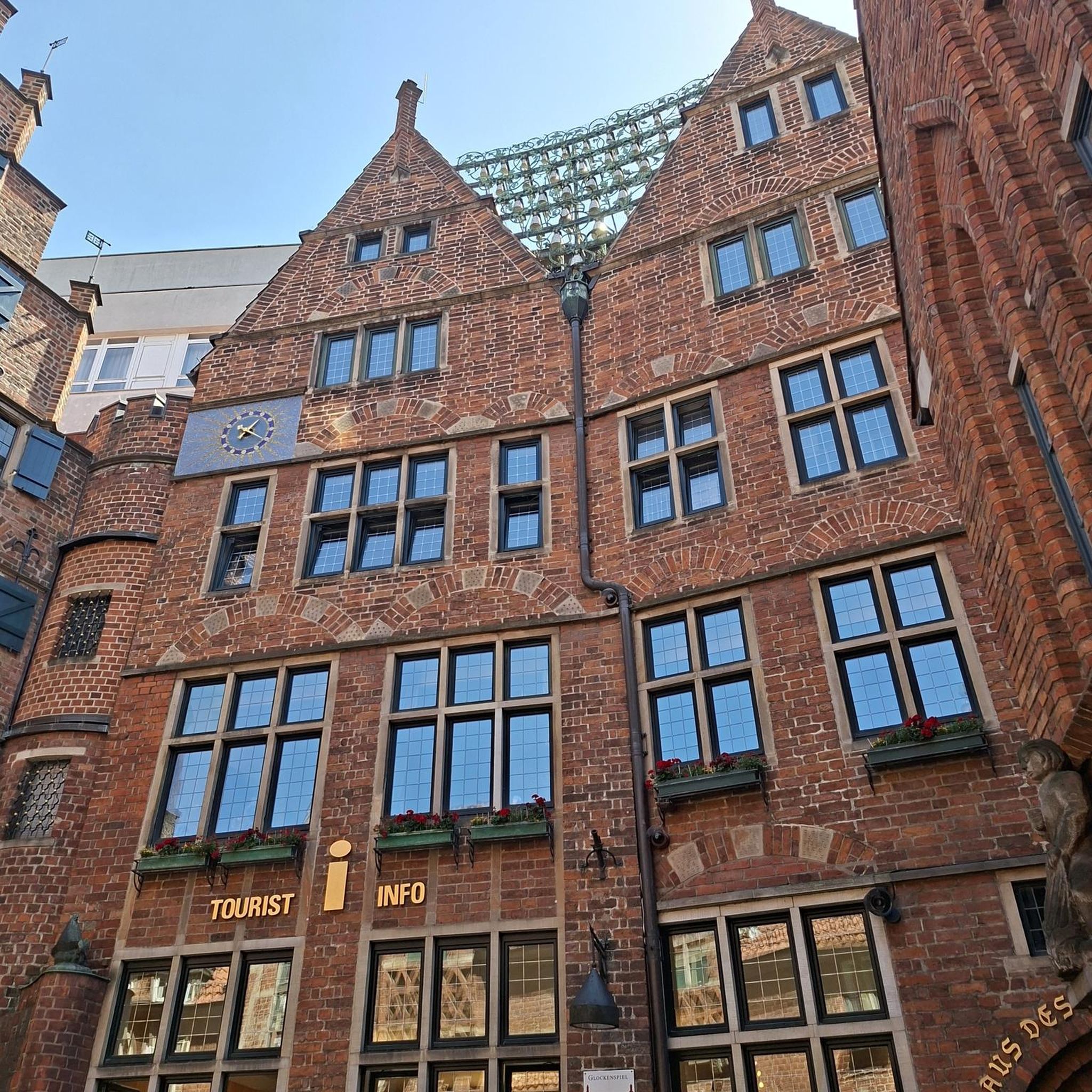
Nice, and original, 2 streets away from it, you won't expect to stumble upon this old Porte.
1
1

The Church of the Sacred Heart is a church located at the intersection of Rue Nationale and Rue Solférino, in the Lille-Centre district of Lille. Built during the last decades of the 19th century, it contains a set of eleven stained-glass windows, listed as a historic monument since 1983. The building was constructed following a vow made by the Ladies of the Association of the Children of Mary of the Sacred Heart (in the Chapel of the Ladies of the Sacred Heart, Rue Royale) on October 7, 1870, to protect Lille from Prussian invasion. About ten years later, when the parish church was already open for worship, a second vow was made by the town's ladies concerning the construction of a chapel dedicated to the Sacred Heart (the Vow Chapel, an apsidal chapel located behind the choir) and intended to become a special place of contemplation within the church itself. The church was built by the architect Jules Batigny between 1875 and 1878 and again between 1895 and 1898. The apsidal chapels were added during the second half of the 1880s. When the church was consecrated on June 20, 1902, the bell tower was not yet completed. On this occasion, Marie-Alphonse Sonnois, Archbishop of Cambrai (at that time, Lille did not yet have its own diocese and was therefore incorporated into that of Cambrai), consecrated the city of Lille to the Sacred Heart of Jesus. On June 12, 1910, a major congress of the Guard of Honor of the Sacred Heart was held, presided over by Monsignor François-Marie-Joseph Delamaire (coadjutor bishop). The 75-meter-high bell tower was not completed until 1928 by the architect Charles Sarazin. Built of reinforced concrete, it was unable to withstand the elements and had to be completely restored from 2005 to 2008. The bell tower houses a carillon of several bells that has been silent for several years... Only seven stained-glass windows have been restored. The building is still awaiting the restoration of the other five, which are in poor condition. In April 2018, the church was closed to worship by municipal decree for six months. The reason was the presence of dry rot.
1
0

A beautiful and iconic spot in the city of Lille. This street is accessible to cyclists with a wide bike path that can be used as a continuation of Rue du Molinel or Avenue du Président John Fitzgerald Kennedy.
3
0

The Port De Paris is a very impressive building, with immense architecture. It is a city gate into Lille. Built at the end of the 17th century as a triumphal arch to celebrate the victories of Louis XIV
2
0

The Porte de Paris is an impressive Arc de Triomphe in Lille, France, built between 1685 and 1692 to celebrate the conquest of the city by Louis XIV in 1667. The building is built in the classical style and is decorated with sculptures of Hercules and Mars, symbols of strength and war. The Porte de Paris replaced the old Porte des Malades, which had been part of the city walls since the Middle Ages. It has been classified as a historical monument since 1875.
13
0

Both a workshop to learn how to repair your bike and a café-bistro where you can meet cyclists. A must-see!
1
0

Frequently Asked Questions
How many road cycling routes are available in Érin?
Érin offers a diverse selection of over 70 road cycling routes. These routes cater to various skill levels, from easy scenic rides to challenging long-distance tours across the island's unique landscape.
What makes Érin a unique destination for road cycling?
Érin, also known as Inis Oírr, is the smallest of the Aran Islands, making it exceptionally compact and ideal for exploration by bicycle. Its rugged coastline, distinctive limestone geology, and traditional stone walls create a captivating backdrop for road cycling. You'll experience a blend of natural beauty and rich historical sites, all within easy reach.
Are there road cycling routes suitable for beginners or families in Érin?
Yes, Érin provides several options for less experienced cyclists and families. There are 9 easy routes available, such as the Descent of Tilly-Capelle – Town of Hesdin loop from Teneur, which covers about 44 kilometers with manageable elevation, allowing for a relaxed pace to enjoy the scenery.
Are there challenging or long-distance road cycling routes for advanced cyclists?
Absolutely. For advanced cyclists seeking a challenge, Érin features 12 difficult routes. Options include the demanding Haut Pichot Climb – Hardelot-Plage loop from Blangy-sur-Ternoise, which spans over 225 kilometers with significant elevation gain, or the Beautiful forest trail – Descent of Tilly-Capelle loop from Blangy-sur-Ternoise, a 97-kilometer route with substantial climbs.
What kind of landscapes and attractions can I expect to see along the road cycling routes in Érin?
Road cycling in Érin offers a journey through diverse landscapes. You'll encounter dramatic coastlines, secluded coves, and pristine sandy beaches. The island's unique limestone geology creates a karst terrain with weathered rock formations and ancient stone walls. Notable attractions include the iconic Plassey Shipwreck, the historic O'Brien's Castle offering panoramic views, the Inis Oírr Lighthouse, and the ancient Teampall Chaomháin (Sunken Church).
Are there any circular road cycling routes in Érin?
Many of Érin's road cycling routes are designed as loops, allowing you to start and finish at the same point. For example, the Clocher de Verchin loop from Anvin is a moderate 82-kilometer circular route that takes you through varied terrain, perfect for a day's exploration.
What do other road cyclists enjoy most about cycling in Érin?
The road cycling routes in Érin are highly regarded by the komoot community, with an average rating of 4.5 stars from over 19 reviews. Cyclists often praise the island's unique blend of rugged coastal scenery, historical landmarks, and the quiet roads that allow for immersive exploration at a relaxed pace.
Is it possible to rent bicycles, including e-bikes, on Érin?
Yes, bike rental services are readily available near the pier on Érin. You can find a variety of options, including standard bicycles, e-bikes for easier navigation of the island's small hills, and even family-friendly options, making it convenient to explore the island on two wheels.
What are the typical weather conditions for road cycling in Érin?
Érin, being an island off the west coast of Ireland, experiences a maritime climate. Weather can be changeable, with the constant presence of the Atlantic Ocean influencing conditions. Expect fresh breezes, and be prepared for potential rain, even on sunny days. Summers are generally mild, while winters are cool and damp. Checking the local forecast before heading out is always recommended.
Are there opportunities for wildlife spotting while road cycling in Érin?
While road cycling in Érin, you'll be immersed in a natural environment that supports diverse plant life, especially wildflowers, due to its unique limestone geology. Keep an eye out for various seabirds along the rugged coastline. The tranquil Lough Mór also offers a peaceful spot where you might observe local birdlife.
Are there places to stop for refreshments or cafes along the road cycling routes?
Given Érin's compact size, you'll find amenities, including cafes and shops, primarily concentrated near the pier and main village areas. While cycling, you're never too far from a spot to refuel or enjoy a break, especially if you plan your route to pass through these central locations.
What is the best time of year to go road cycling in Érin?
The most favorable time for road cycling in Érin is typically during the spring, summer, and early autumn months (May to September). During this period, the weather is generally milder, with longer daylight hours, making for more comfortable and extended rides. However, the island's charm can be appreciated year-round, provided you are prepared for cooler or wetter conditions outside of peak season.

Get inspired with the komoot mobile app


Explore more
Browse the best Road cycling routes in other regions.
