The best road cycling routes around Coustouges
4.7
(12)
340
riders
9
rides
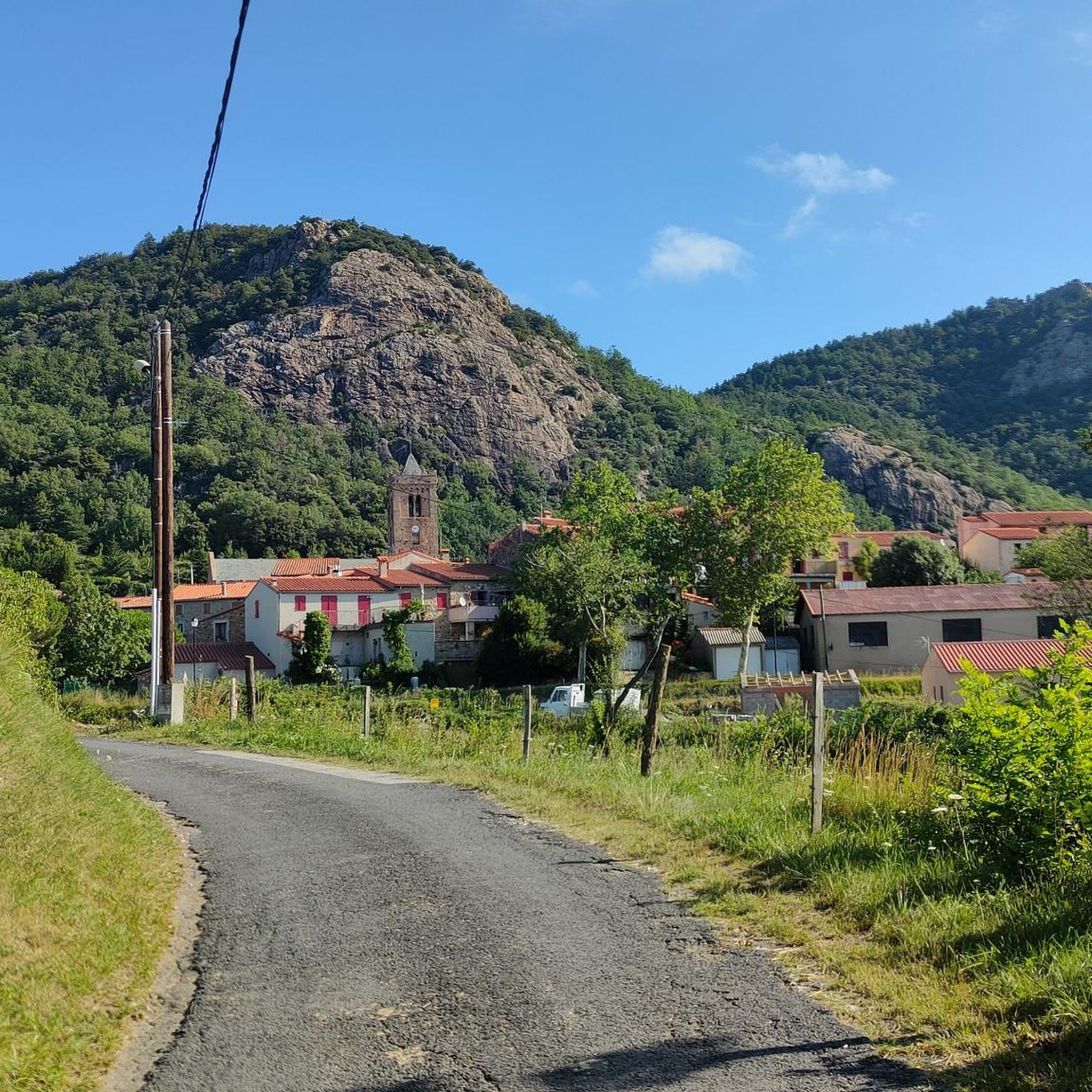
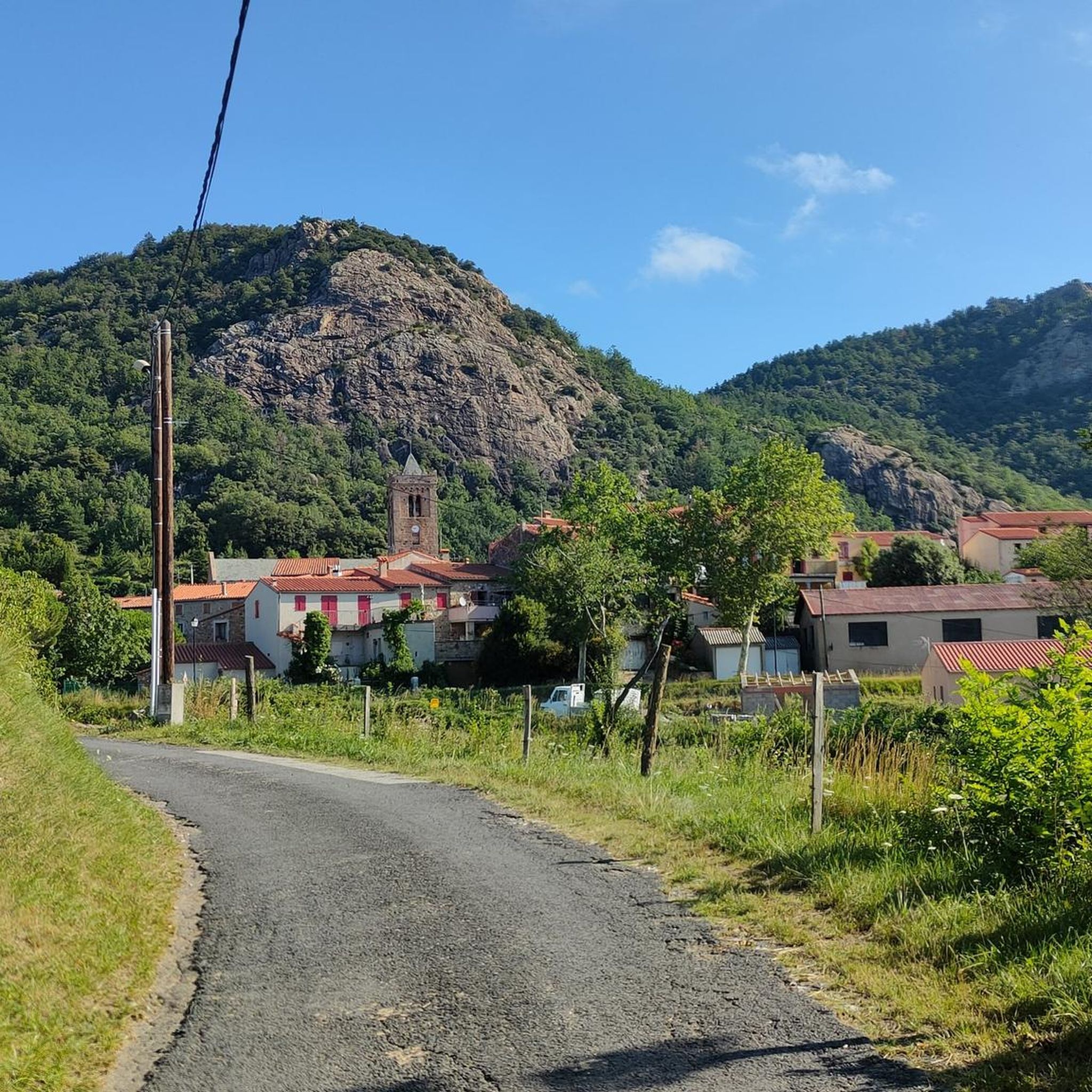
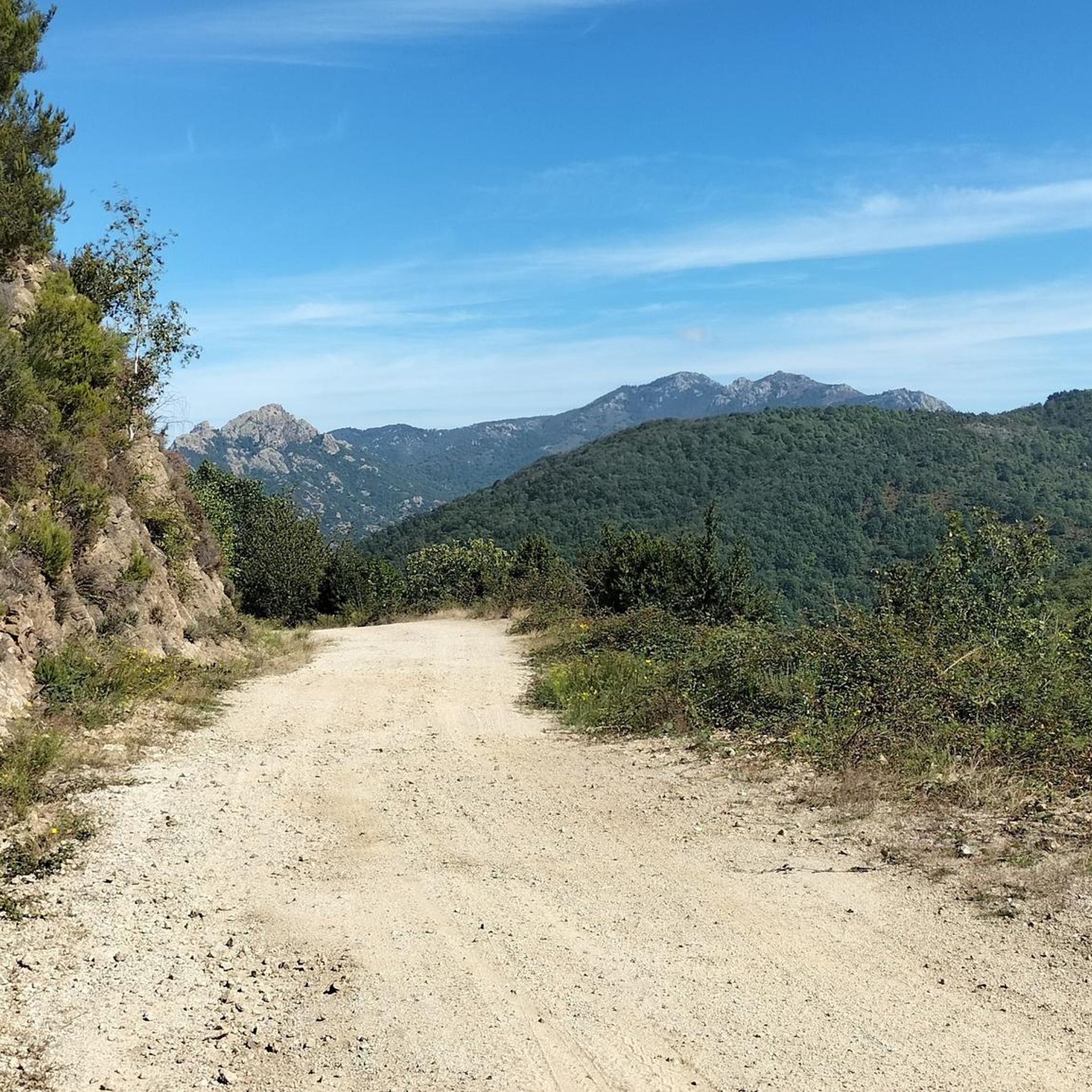
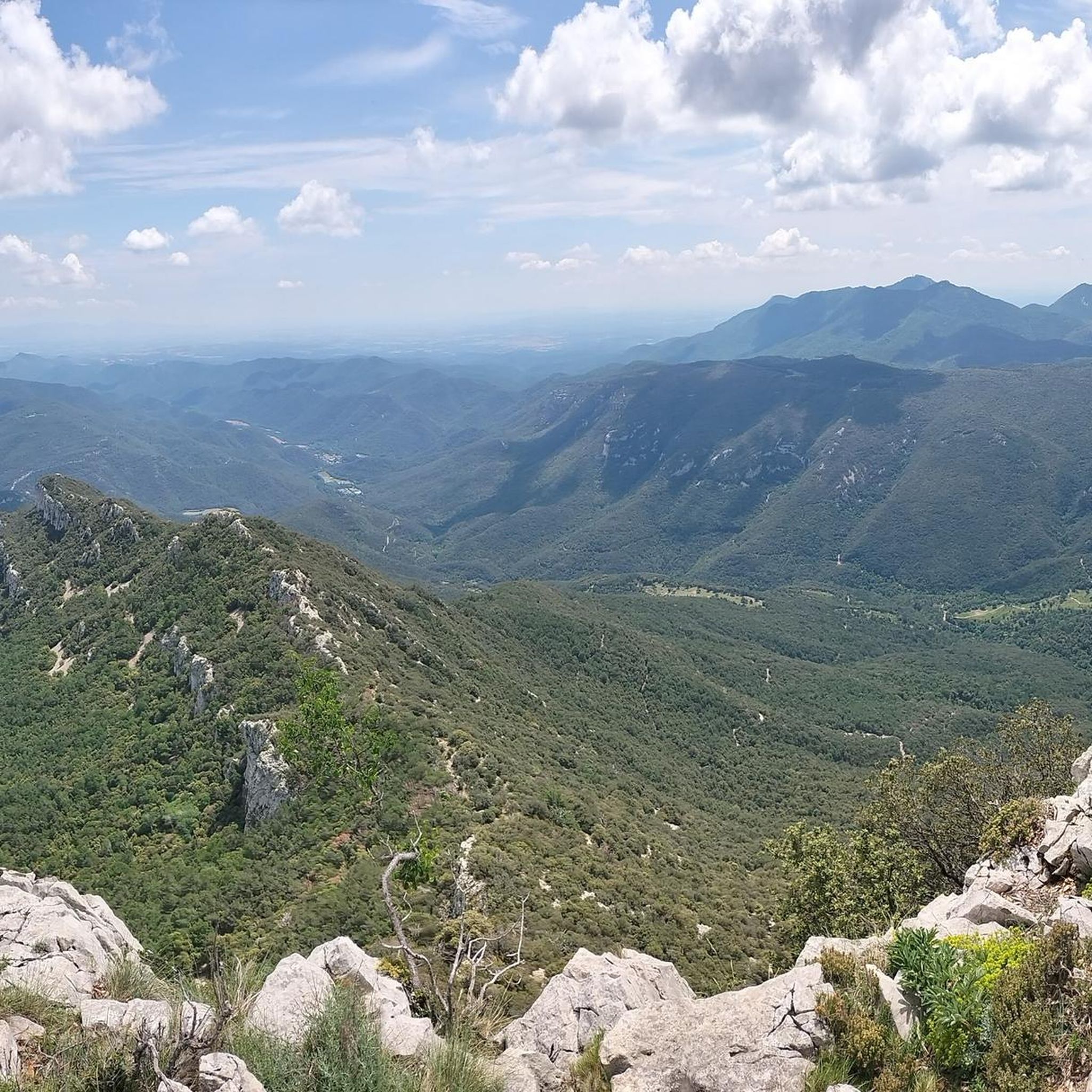
Road cycling around Coustouges, situated at 832 meters above sea level in the Pyrénées-Orientales department, offers varied terrain for cyclists. The region features Pyrenean massifs, hills, and valleys, with prominent chestnut forests providing shaded sections. A notable feature is the Col de Coustouges, a climb known for its manageable average gradient over 13.9 km, leading to the French/Spanish border. The Riu Major stream also forms a natural geographical border.
Best road cycling routes around Coustouges
- The most popular road cycling route is Les Escaules Waterfall – Bridge Over the Valley loop from Maçanet de Cabrenys, a 44.4 miles (71.4 km) trail that takes 3 hours 15 minutes to complete. This moderate route features varied terrain and scenic views.
- Another top favourite among local road cyclists is Maçanet de Cabrenys – Bridge Over the Valley loop from Tapis, a moderate 27.0 miles (43.4 km) path. This route offers diverse landscapes and views across the region.
- Local road cyclists also love the Beget Village – Coll d'Ares loop from Sadernes, a 99.8 miles (160.5 km) trail leading through Pyrenean massifs, often completed in about 9 hours 10 minutes.
- Road cycling around Coustouges is defined by Pyrenean massifs, hills, valleys, and chestnut forests. The network offers options for different ability levels, from moderate rides to challenging climbs.
- The routes in Coustouges are highly rated by the komoot community with an average score of 4.3 stars from over 20 reviews. More than 1000 road cyclists have used komoot to explore Coustouges's varied terrain.
Last updated: June 29, 2026
55
riders
143km
07:54
3,010m
3,010m
Hard road ride. Very good fitness required. Some segments of this route may be unpaved and difficult to ride.
5.0
(2)
19
riders
Moderate road ride. Good fitness required. Mostly well-paved surfaces and easy to ride.

Sign up for free
5.0
(1)
12
riders
47.9km
02:31
730m
730m
Moderate road ride. Good fitness required. Some segments of this route may be unpaved and difficult to ride.
9
riders
Moderate road ride. Good fitness required. Some segments of this route may be unpaved and difficult to ride.
5.0
(3)
13
riders
30.1km
01:44
680m
680m
Moderate road ride. Good fitness required. Mostly well-paved surfaces and easy to ride.
Get access to more routes and recommendations from other explorers.
Sign up for free
Already have an account?
Our route recommendations are based on thousands of hikes, rides, and runs completed by other people on komoot.
Start today with a free account
Your next adventure awaits.
Login or Signup

Tips from the Community

Espai natural exuberant i muntanyós, amb impressionants cingleres i gorges i interessants vestigis de l’art romànic. Per a més informació: https://costabrava.org/on-anar/comarques/ripolles/camprodon/
0
0

This is one of the passes you can overcome to reach the Coll de Canes from its northern slopes (from Sant Joan de les Abadesses) and western slopes (from Ripoll). From both sides, it's a very easy climb, along a good road, and with beautiful panoramic views.
0
0

Small village of Rocabruna which can be reached by the GIV5223 road between Oix and Molló road. It is recognized for the Sanctuary of Rocabruna and for its scenic beauty.
0
0
Small town of L'Alta Garrotxa, architectural heritage of Catalonia, recognized for its high landscape value, natural diversity and its cobbled streets and houses, built on the Beget stream and the Torrent dels Trulls, which are saved with rock bridges . There are local craft shops and it's a perfect place to disconnect from everything.
0
0

A pass that is not too difficult to climb and offers a magnificent landscape when crossing the border at the summit.
0
0

It is a mountain pass located at an altitude of 1,513 metres, on the border between France and Spain, connecting Vallespir (France) with Ripollès (Catalonia, Spain). It is a historic and strategic place, used for centuries as a trade route and also during the Retirada (1939), when thousands of refugees crossed the pass fleeing the Spanish Civil War. Today, it is a popular hiking spot and offers spectacular panoramic views of the Pyrenees.
6
0

the dam of the reservoir
0
0

The Coll d'Ares is a mountain pass in the Pyrenees that joins the counties of Ripollès and Vallespir, between the municipal terms of Molló and the communal areas of Prats de Molló and la Presta. If we are lucky the views are spectacular. In my case I went up with a Gravel Bike along the road from Camprodon.
1
0
Frequently Asked Questions
What kind of terrain can I expect when road cycling around Coustouges?
Road cycling around Coustouges offers incredibly varied terrain. You'll encounter everything from fertile plains and fragrant hills to imposing Pyrenean massifs. The region is situated at 832 meters above sea level, providing significant elevation changes and panoramic views. Expect to ride through prominent chestnut forests, which offer welcome shade, especially during warmer months.
Are there challenging climbs for experienced road cyclists in Coustouges?
Yes, Coustouges is well-known for its challenging climbs. A standout feature is the Col de Coustouges, a popular ascent that leads to the French/Spanish border. While its average gradient is a manageable 3.3% over 13.9 km, it can be tackled as a challenging uphill time trial. For longer, more demanding routes, consider the Beget Village – Coll d'Ares loop from Sadernes, which covers over 160 km with significant elevation gain, or the Beget Village – Coll d'Arès loop from Puig de Molins, another difficult route over 140 km.
What are some scenic natural features or landmarks I can see while cycling in the area?
The Coustouges region is rich in natural beauty. You can enjoy scenic views of waterfalls and chestnut forests, especially along the climb to Col de Coustouges. The Riu Major stream forms a natural geographical border between France and Spain, offering unique views. You might also spot impressive Pyrenean massifs and the large cliff known as "Le Roc" overlooking the village. For specific viewpoints, consider routes that pass by highlights like Mare de Déu del Mont Summit or Puig de Bassegoda.
What is the best time of year to go road cycling in Coustouges?
The diverse landscapes of Coustouges make it suitable for cycling across several seasons. Spring and autumn generally offer pleasant temperatures for longer rides. Even in summer, the prominent chestnut forests provide shaded sections along many routes, making it enjoyable. Winter cycling is possible, but conditions can vary, especially at higher elevations.
Are there any circular road cycling routes around Coustouges?
Yes, many of the road cycling routes around Coustouges are designed as loops, allowing you to start and finish in the same location. For example, the popular Les Escaules Waterfall – Bridge Over the Valley loop from Maçanet de Cabrenys is a moderate 71.4 km circular route. Another option is the Maçanet de Cabrenys – Bridge Over the Valley loop from Tapis, a moderate 43.4 km loop.
What historical or cultural sites can I visit near the cycling routes?
Coustouges itself is steeped in history, with its name derived from a Roman guard post. The Romanesque Sainte-Marie church in the village is a significant historical attraction. Nearby, the hamlet of Villeroge features the small church of St. Michael. While cycling, you might pass by historical bridges like Valentí Bridge or religious buildings such as Santa Bàrbara de Pruneres.
What do other road cyclists say about the routes in Coustouges?
The road cycling routes in Coustouges are highly rated by the komoot community, with an average score of 4.3 stars from over 20 reviews. More than 1000 road cyclists have used komoot to explore the varied terrain, often praising the diverse landscapes, challenging climbs, and scenic views of the Pyrenean massifs and chestnut forests.
Are there any easy or beginner-friendly road cycling routes in Coustouges?
While Coustouges offers many moderate to difficult routes, the region's diverse terrain means there are options for varying skill levels. The Col de Coustouges, for instance, has a manageable average gradient, making it accessible for a range of cyclists to enjoy at a leisurely pace. Look for routes described as 'moderate' on komoot, which often provide a good balance for those building experience.
Can I find places to eat or stay near the cycling routes in Coustouges?
Coustouges is a peaceful village, and while specific cafes or pubs directly on every route might be limited, the village itself offers amenities. For a broader range of options, nearby towns and villages will have accommodations and eateries. The region is known for its tranquil ambiance, making it ideal for those seeking a quiet escape.
What kind of wildlife might I encounter while road cycling in Coustouges?
The Coustouges region boasts rich flora and fauna. While cycling through forests and valleys, you might spot a variety of birds, including black and red kites, eagles, and owls. The forests are also home to deer, wild boar, foxes, badgers, and hares. Keep an eye out for diverse butterfly species, dragonflies, and praying mantises, especially in warmer months.
How many road cycling routes are there in total around Coustouges?
There are over 15 road cycling routes available around Coustouges on komoot. These routes are categorized by difficulty, with 11 moderate and 7 difficult options, ensuring there's a suitable ride for various experience levels.
Are there any mountain passes or significant climbs to explore?
Absolutely. The region is defined by its Pyrenean massifs, and you'll find significant climbs. The Col de Coustouges is a notable pass leading to the French/Spanish border. For those seeking higher elevations, routes might take you near highlights like Pou de la Neu Pass, offering challenging ascents and rewarding views.
Most popular routes around Coustouges
Most popular attractions around Coustouges

Get inspired with the komoot mobile app


Explore more
Browse the best Road cycling routes in other regions.
