Attractions and Places To See around Estivaux - Top 19
Best attractions and places to see around Estivaux include a blend of historical landmarks and natural features within the Corrèze department of France. The area is characterized by the scenic Vézère River Valley, offering a setting for outdoor activities. Estivaux itself is home to a dolmen and a 12th-century Romanesque church, with many additional points of interest in its immediate vicinity. The region provides opportunities to explore medieval villages, river gorges, and diverse gardens.
Best attractions and places to see…
Last updated: July 2, 2026
Porte Bécharie
Highlight • Monument
Translated by Google •
Tip by

Pans of Travassac
Highlight • Gorge
Translated by Google •
Tip by

Sign up now to discover places like this
Get recommendations on the best single tracks, peaks, & plenty of other exciting outdoor places.
Sign up for free
View of Donzenac
Highlight • Other
Translated by Google •
Tip by

Château de Saillant
Highlight • Castle
Translated by Google •
Tip by

Saillant Chapel and Marc Chagall Stained Glass Windows
Highlight • Religious Site
Translated by Google •
Tip by

Sign up for free to discover even more attractions around Estivaux.
Sign up for free
Already have an account?
Start today with a free account
Your next adventure awaits.
Login or Signup

Tips from the Community


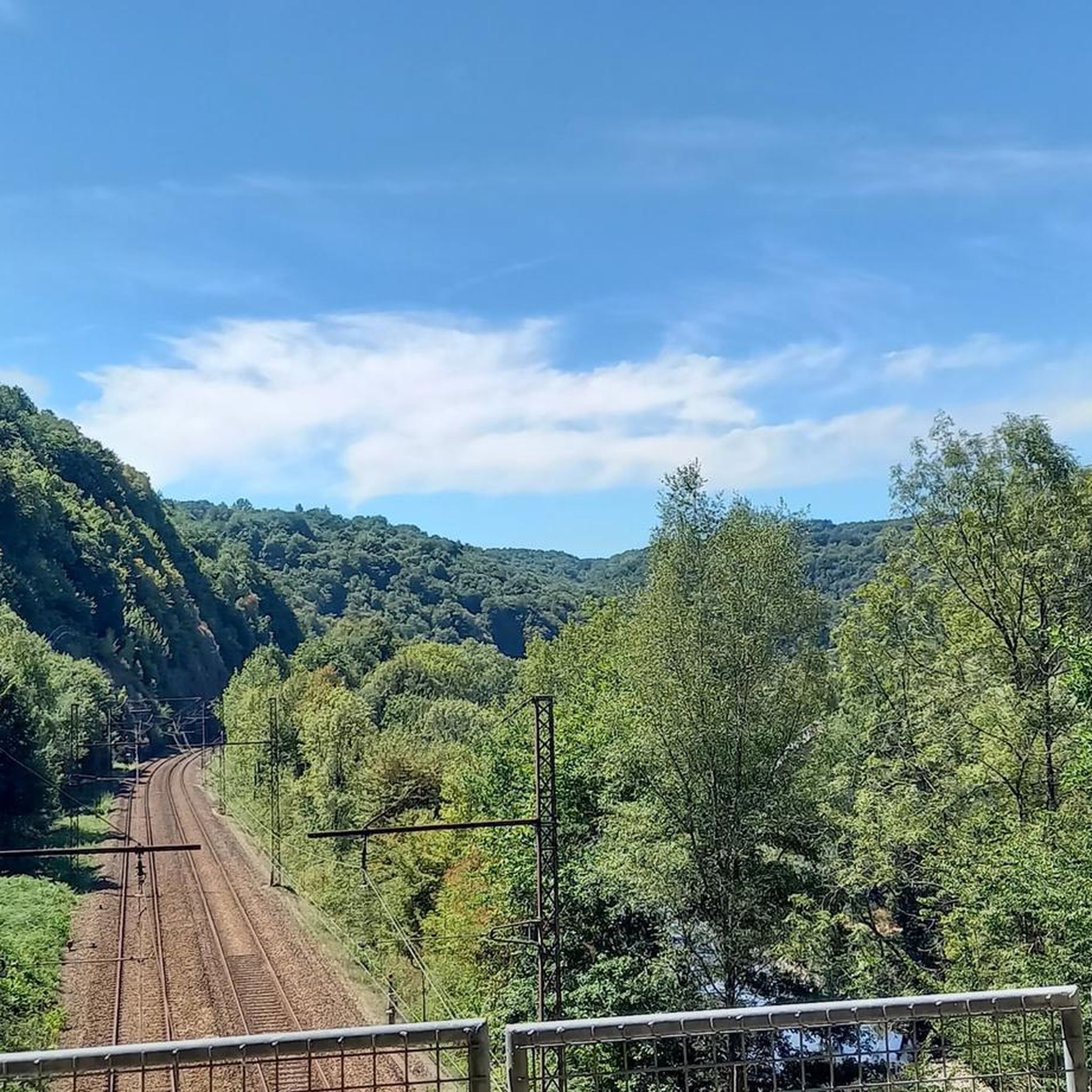
beautiful bridge
0
1

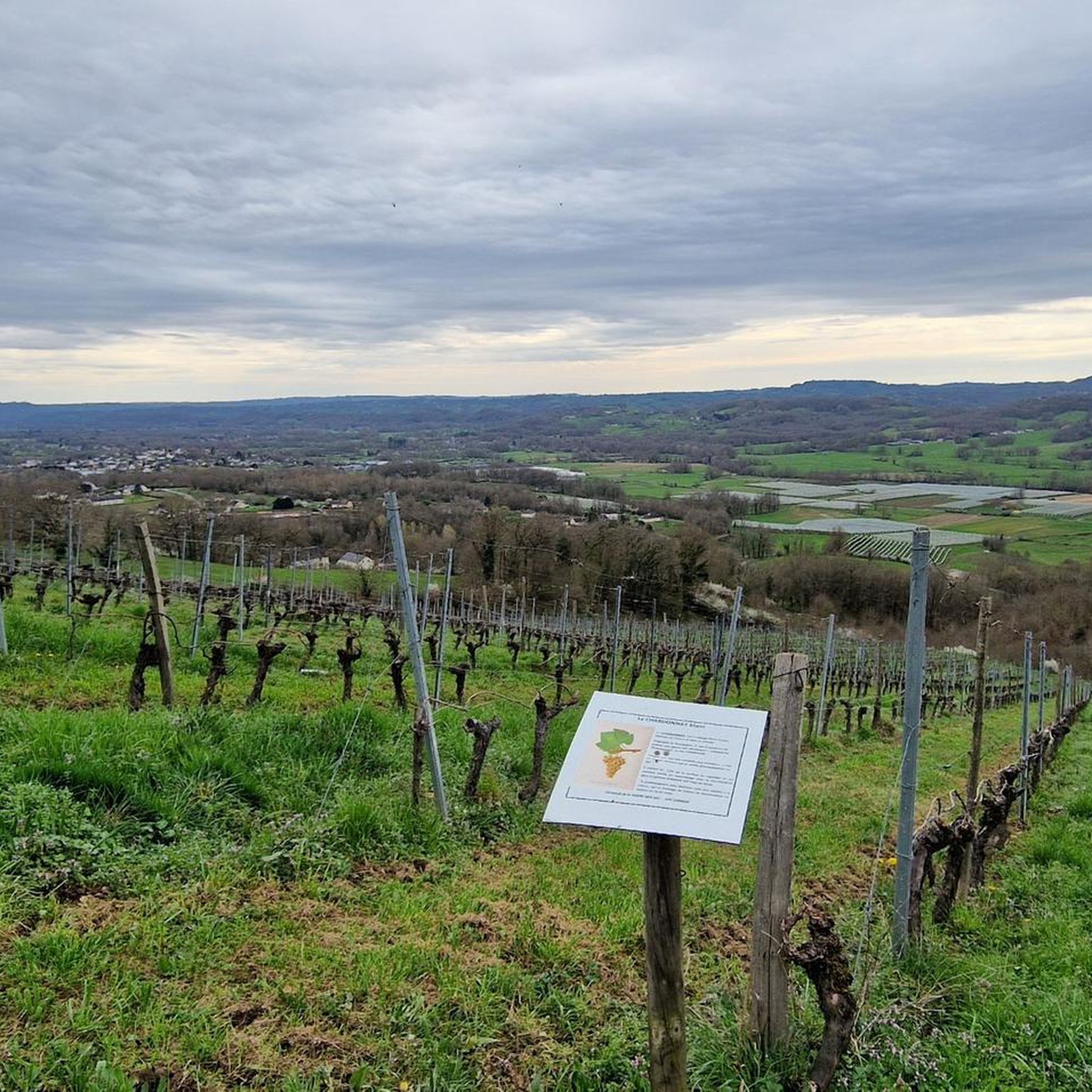
Why Visit the Donzenac Viewpoint? For the panoramas: The spectacular view of the village of Donzenac and the surrounding landscapes is a major asset for nature and photography lovers. For the tranquility: The site offers a moment of calm and contemplation, perfect for escaping the hustle and bustle of everyday life. For the discovery of heritage: The view allows you to appreciate the beauty and medieval architecture of the village of Donzenac in an exceptional natural setting. The Donzenac viewpoint is a must-see place for those who wish to discover the picturesque beauty of this Corrèze village and admire the landscapes set in the tranquility of the countryside.
1
0
Leisure Activities: Hiking: The viewpoint can be reached via hiking trails, allowing visitors to enjoy a walk in nature while discovering the beauty of the landscape. Photography: It is an ideal place for photography enthusiasts, offering opportunities to capture exceptional panoramas and picturesque views of the village and its surroundings. Atmosphere and Tranquility: Relaxation: The viewpoint is a quiet place where visitors can relax, enjoy the scenery and take a moment to appreciate the natural beauty of the area. Peaceful Atmosphere: The calm environment and spectacular view create a serene atmosphere, ideal for recharging one’s batteries.
1
0
The Donzenac Viewpoint is a panoramic location offering stunning views of this charming village located in the Corrèze department of Nouvelle-Aquitaine. Nestled on a hill, Donzenac is renowned for its medieval architecture and picturesque setting, and the viewpoint is an excellent vantage point. Points of Interest at the Donzenac Viewpoint: Panoramic View: Surrounding Landscapes: The viewpoint offers a clear view of the surrounding landscapes, including the green hills, winding valleys and fields typical of the region. The rolling landscapes of the Corrèze can be seen, which add to the beauty of the panorama. Village View: From this viewpoint, you can admire the village of Donzenac with its tiled roofs, narrow streets and historic buildings. The view allows you to appreciate the picturesque arrangement of the houses and monuments of the village. Architectural Heritage: Medieval Architecture: Donzenac is known for its well-preserved medieval buildings, such as stone houses, ancient churches, and ramparts. The viewpoint allows you to grasp the layout and beauty of this traditional architecture in its context. Saint-Pierre Church: Among the elements visible from the viewpoint, the Saint-Pierre church stands out for its Romanesque architecture and its imposing bell tower.
1
0
Why Visit the Pans de Travassac? To discover ancestral know-how: The work of slate workers, a centuries-old tradition, is a captivating demonstration of a unique craft. For the natural beauty of the site: The immense schist cliffs offer impressive landscapes that make the visit an educational as well as aesthetic experience. For its historical heritage: The Pans de Travassac reflect a regional industry that has left its mark on the territory and whose slate has been used for prestigious projects throughout France. The Pans de Travassac is a place where history, geology and craftsmanship meet, offering visitors an immersion in an exceptional natural and industrial heritage.
1
0
Tourist and Educational Visit: Guided tour: Guided tours allow you to understand all the stages of slate extraction, from cutting the rough blocks to shaping them into tiles ready to be laid on the roofs. Walk in a natural setting: The route through the cliffs and slopes offers a real immersion in geology and nature. Developed paths allow you to walk between the rock faces, with spectacular views of the surrounding landscape. Geological and Natural Heritage: Impressive rock formation: The Travassac cliffs are made of schist, the rock from which slate is extracted. These rock formations, created by ancient geological movements, are of striking beauty. A preserved site: Although exploitation continues, the site has managed to maintain a harmony between human activity and nature. Visitors can admire a variety of local flora and fauna that coexist with this historic quarry.
2
0
Les Pans de Travassac is an exceptional site located in Donzenac, in Corrèze, famous for its slate quarries that have been in operation for centuries. This unique place, formed by steep cliffs that can reach 100 meters in height, is a witness to artisanal know-how that dates back to the 17th century. Les Pans de Travassac is not only an industrial site that is still in operation, but also a fascinating tourist attraction. Points of Interest in Les Pans de Travassac: Slate Quarries: Traditional Quarrying: For over 300 years, slate quarries have extracted and shaped blocks of slate to make tiles for roofs. The extraction method has remained virtually unchanged, and visitors can watch demonstrations of slate cutting, an art that requires great dexterity. Spectacular Panoramas: The "pans", these vertiginous rock faces that dominate the quarry, offer an impressive setting. These steep cliffs create a magnificent setting, making the visit as interesting for nature lovers as for those curious about industrial heritage. Artisanal Know-How: Demonstrations: During the visit, you can observe the work of master slate workers who hand-cut very fine slate slabs. This ancestral know-how is passed down from generation to generation and makes the reputation of Travassac slate, used for prestigious restorations. History of the exploitation: The site traces the history of the exploitation of slate, a material prized for its robustness and aesthetics. The slate extracted in Travassac has adorned the roofs of historic buildings in France and elsewhere.
1
0
Frequently Asked Questions
What are some must-see historical sites around Estivaux?
Estivaux and its surroundings are rich in history. You can visit the 12th-century Romanesque church in Estivaux itself, known for its distinctive bell tower. Don't miss Porte Bécharie, a well-preserved 14th-century city gate in Uzerche. The Saillant Chapel features the last stained-glass windows designed by Marc Chagall. Additionally, the area boasts medieval villages like Vigeois with its bridge and abbey church, and Donzenac, known for its medieval center.
What natural attractions can I explore near Estivaux?
The region offers diverse natural beauty. The scenic Vézère River Valley is ideal for fishing and canoeing. You can also explore the Vézère Gorges through hiking trails, which provide panoramic views and a preserved natural setting. For a tranquil escape, visit Arboretum Al Gaulhia, a 10-hectare arboretum with diverse gardens, or Les Jardins de Colette, a garden dedicated to the French novelist.
Are there any unique geological sites to visit?
Yes, the Pans of Travassac is an impressive geological and historical site. Here, you can walk between towering schist cliffs, gaining insight into the region's slate extraction history and geological heritage. Guided tours are often available to explain the process of slate extraction.
What outdoor activities are available around Estivaux?
The area around Estivaux is perfect for outdoor enthusiasts. You can enjoy hiking through the Vézère Gorges or on dedicated trails. The Vézère River offers opportunities for fishing and canoeing. For cyclists, there are numerous routes for road cycling and gravel biking. You can find detailed routes and guides for hiking, road cycling, and gravel biking in the region.
Are there hiking opportunities near Estivaux?
Absolutely. The Vézère Gorges offer a wild natural setting with hiking paths providing panoramic views, sometimes even glimpses of Comborn Castle. Popular routes include the 'Hike of Le Saillant Vieux' and the 'Hike of Estivaux'. For more options, explore the hiking guide for Estivaux.
Can I find cycling routes in the Estivaux area?
Yes, the region provides excellent cycling opportunities. You can find various routes for road cycling, such as the 'Pond loop from Allassac' or the 'Château de Comborn Climb loop'. For gravel biking, there are routes like the 'Gravel loop from Voutezac'. Discover more detailed routes in the road cycling guide and the gravel biking guide for the area.
Are there family-friendly attractions around Estivaux?
Families can enjoy several attractions. The Saillant Chapel, with its unique Marc Chagall stained glass windows, is considered family-friendly. The Arboretum Al Gaulhia and Les Jardins de Colette offer pleasant natural settings for walks. Exploring the medieval villages like Donzenac or Vigeois can also be an engaging experience for all ages.
Where can I find local markets near Estivaux?
You can experience local life and find regional products at nearby markets. Allassac hosts markets on Wednesdays and Fridays (6 km away), while Objat has a market on Sundays (8 km away). For a larger selection, Brive-la-Gaillarde offers markets on Tuesdays, Thursdays, and Saturdays (17 km away).
What do visitors enjoy most about the attractions near Estivaux?
Visitors particularly appreciate the blend of history and natural beauty. The historical sites, like the old city gate Porte Bécharie, are noted for their rich past. The Pans of Travassac is often described as a 'magnificent place steeped in history' and 'very impressive to walk between its sides'. The panoramic views from spots like the View of Donzenac are also highly praised for their tranquility and picturesque scenery.
Are there any castles or viewpoints to visit?
Yes, you can enjoy a scenic viewpoint overlooking the 10th-century Comborn Castle and the winding Vézère valley. While the castle itself may require appointments for visits, the viewpoint offers a stunning perspective. Additionally, Château de Saillant is a historical castle with parts dating back to the 15th century.
Are there any places for wild swimming or lakes nearby?
While specific wild swimming spots are not detailed, the Vézère River Valley offers opportunities for water activities like canoeing. Additionally, Lac de Pontcharal is a nearby lake providing natural scenery, which might be suitable for relaxation by the water, though specific swimming regulations should be checked locally.

Get inspired with the komoot mobile app


Explore more
Still not found the Highlight you’re looking for? See guides of the top attractions in other regions:
