Attractions and Places To See around Péret-Bel-Air - Top 6
Best attractions and places to see around Péret-Bel-Air, a village located in the Regional Natural Park of Millevaches in Limousin, offers a blend of historical sites and natural landscapes. The area is characterized by its high altitude, providing panoramic views and opportunities for outdoor activities. Visitors can explore various peat bogs, historical villages, and landmarks. Péret-Bel-Air serves as a base for discovering the unique environment of the Plateau de Millevaches.
Best attractions and places to see around Péret-Bel-Air
- The most…
Last updated: July 2, 2026
Chaumeil
Highlight • Other
A charming museum open only during the summer season pays tribute to Jean …
Translated by Google •
Tip by

Bonnefond Village
Highlight • Settlement
Translated by Google •
Tip by

Sign up now to discover places like this
Get recommendations on the best single tracks, peaks, & plenty of other exciting outdoor places.
Sign up for free
Sainte-Magdeleine Fountain, Clédat
Highlight (Segment) • Natural Monument
Translated by Google •
Tip by

Clédat Rock
Highlight (Segment) • Viewpoint
Translated by Google •
Tip by
Tine Waterfall
Highlight • Waterfall
Translated by Google •
Tip by

Sign up for free to discover even more attractions around Péret-Bel-Air.
Sign up for free
Already have an account?
Start today with a free account
Your next adventure awaits.
Login or Signup

Tips from the Community

Chaumeil may not seem like much, but this seemingly insignificant village is home to two local celebrities. A charming museum open only during the summer season pays tribute to Jean Ségurel, the famous accordionist born and died in the village. The museum also has a bicycle by Raymond Poulidor, a famous French cyclist born in Masbaraud-Mérignat in the Creuse. The famous “Allez Poupou” is inscribed in the collective memory of cyclists. His duels with Anquetil contributed to the legend of the Tour de France.
0
0

Magnificent Sully lime tree. Departure of the hike to Clédat.
0
0

The village of Bonnefond has this particularity, like others including Tarnac, of having a four-hundred-year-old tree, here in this case a so-called Sully lime tree. This imposing lime tree has withstood the ravages of time and weather, even if it has been "pampered" in recent years. Adjoining this venerable lime tree, discover the 15th century granite church, of modest construction, and yet whose interior does not leave you indifferent with its floor paved with thick stones, and its oculus on the north wall. Finally, we will be truly impressed, as we can be in every village, by the terrible tribute paid here by the locals during the First World War: 55 lost their lives there, devastating families, ruining the rural fabric, its agriculture and economy. Let's not forget them.
0
0


Visit the village, passage you no longer have to and continue towards the Rock which is 400m away. More than a must, don't miss it. Slipped in a 2015 POV in fall colors.
0
0
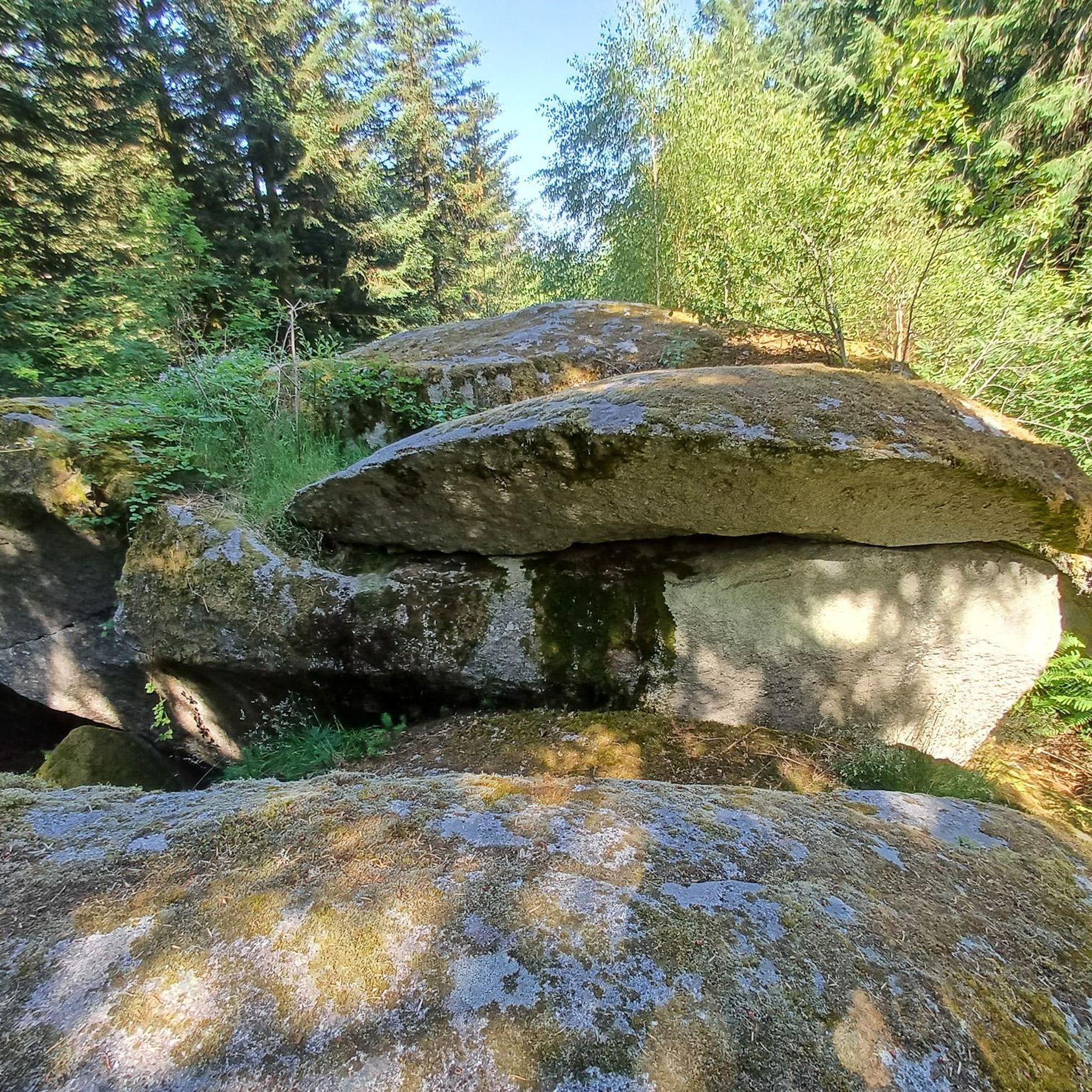
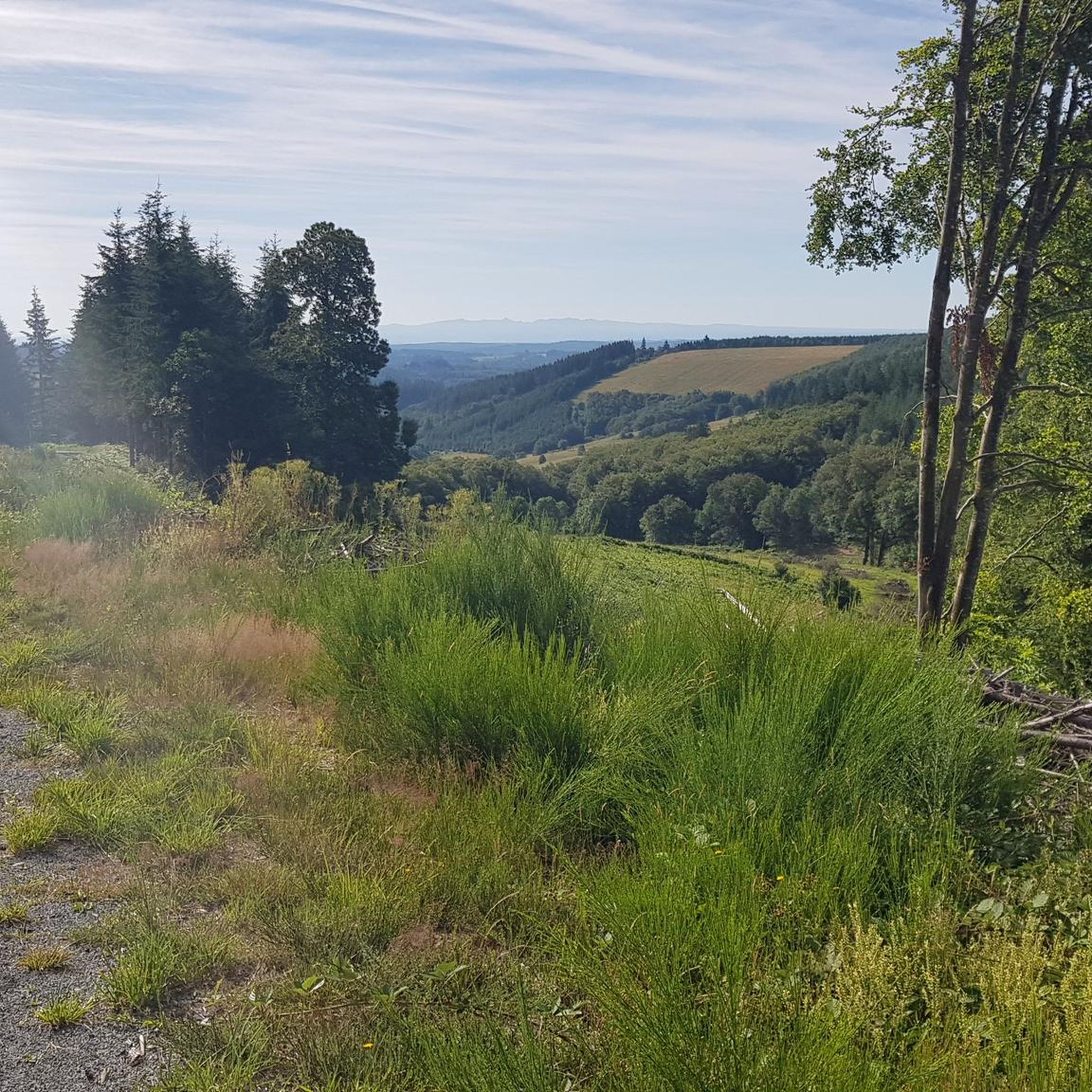
Discovered on the advice of a friend, looking for mushrooms. Today the path is well marked, leaving the abandoned village of Clédat. The rock, a huge granite block overlooking the valley with a 180° panorama whatever the season. The most beautiful, of course, is in autumn.
0
0
At each visit we still discover little things, in particular the exhibition of old plows and other first tools of the time, which are well commented on in the descriptions.
2
0
Located in the town of Grandsaigne (19300). From the village, follow the Chapelle de Clédat on the small roads and end up on a passable path. The village dates from the 12th century, it was still occupied in 1900 and was taken over by the Office National des Forêts in the 90s. We pass in front of the Ste Magdeleine Fountain, the following chapel and the bakehouse. The tower of the ruins is dotted with small sculptures and a theme on the life of yesteryear through the first agricultural tools.
3
0
Frequently Asked Questions
What natural attractions can I explore around Péret-Bel-Air?
Péret-Bel-Air is rich in natural beauty, particularly within the Regional Natural Park of Millevaches in Limousin. You can visit the Col de la Blanche Peat Bog, which features a discovery trail and unique plant and animal species. Other notable peat bogs, like the Grande "tourbière et fonds tourbeux de Péret/Bonnefond" (a NATURA 2000 site), are also present. Don't miss the scenic Tine Waterfall, offering a pleasant walk along its riverbed. The area also provides magnificent panoramic views from locations like La Brette and Chaveroche Rocks.
Are there historical landmarks or cultural sites to visit in the area?
Yes, Péret-Bel-Air and its surroundings offer several historical and cultural sites. The Church Saint-Peter, dating back to the 14th or 15th century, houses a classified 15th-century polychrome limestone statuette of the Virgin of Pity. Explore Theillac Village with its monumental 17th-century granite cross, or visit Brette Village to see the remains of a 17th-century castle. The Abandoned Village of Clédat and the nearby Sainte-Magdeleine Fountain offer a glimpse into past rural life, complete with a chapel, bakehouse, and an exhibition of old agricultural tools.
What kind of hiking trails are available near Péret-Bel-Air?
The region around Péret-Bel-Air is excellent for hiking, with trails suitable for various levels. You can explore the Les Hêtraies de Péret-Bel-Air route, a 4.1 km trail with an elevation of 190 m starting directly from the village. The Col de la Blanche Peat Bog also has an accessible boardwalk and explanatory panels for a unique nature walk. For more options, you can find various routes, including moderate trails like the "La Fageolle loop from Clédat" or the "Tine Waterfall – Hameau de Sénéjoux loop from Bonnefond," on the Hiking around Péret-Bel-Air guide.
Are there opportunities for cycling or mountain biking?
Absolutely. The diverse terrain around Péret-Bel-Air is well-suited for both road cycling and mountain biking. For road cyclists, routes like "Towards the pretty village of Meymac" offer scenic rides. Mountain bikers can find trails such as the "Bugeat – Café de la Place loop from Pérols-sur-Vézère" or the "Lake Sechemaille loop from Ambrugeat." Discover more routes in the Road Cycling Routes around Péret-Bel-Air and MTB Trails around Péret-Bel-Air guides.
What is there to do for families with children?
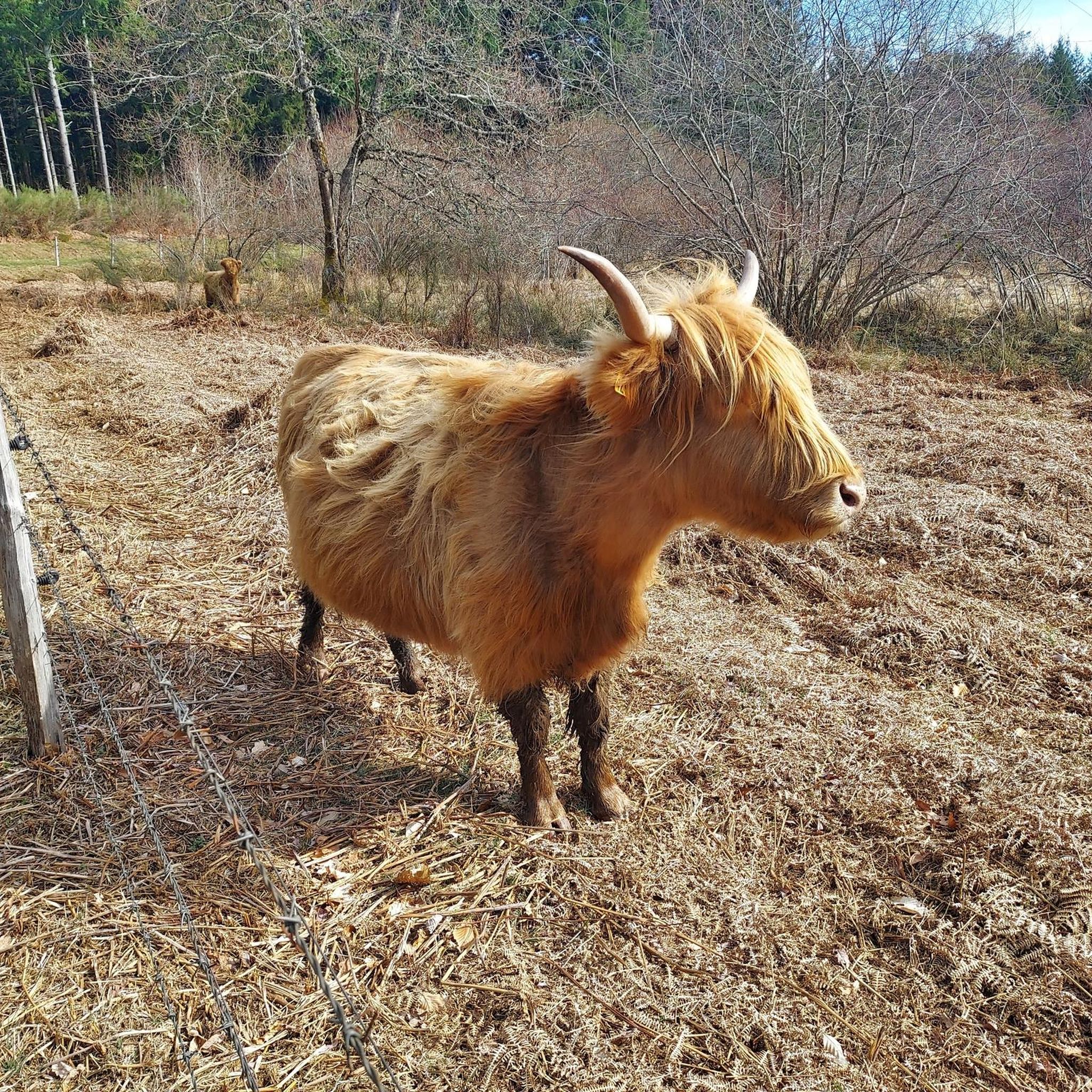
Families can enjoy interacting with animals at Jolie Fleur's Farm, which features Scottish Highland cows that also help maintain the local peat bogs. The discovery trail at the Col de la Blanche Peat Bog is also an engaging outdoor activity for all ages. Additionally, the scenic walk to Tine Waterfall provides a pleasant outing for families.
Can I see any unique wildlife or plants?
Yes, the peat bogs, particularly the Col de la Blanche Peat Bog and the Grande "tourbière et fonds tourbeux de Péret/Bonnefond," are home to various protected animal and plant species. These unique wetland environments offer excellent opportunities for nature observation and learning about the local ecosystem.
What are some lesser-known or 'hidden gem' attractions?
Beyond the main highlights, consider visiting the Old Mill Town near Péret-Bel-Air, which has preserved its wheels and horizontal wheel mechanism, offering a glimpse into historical industry. The small villages and hamlets within the Regional Natural Park of Millevaches, such as Brette, Theillac, and Vergnolle, also hold charming discoveries and local character.
Is there a village nearby that pays tribute to local figures?
Yes, the village of Chaumeil, though seemingly modest, is notable for its tributes to local celebrities. It hosts a museum dedicated to the famous accordionist Jean Ségurel and features a bicycle from the renowned French cyclist Raymond Poulidor, making it a unique cultural stop.
What is the best time of year to visit Péret-Bel-Air for outdoor activities?
The region is generally pleasant for outdoor activities from spring through autumn. Spring brings blooming flora, while summer offers warm weather ideal for hiking and cycling. Autumn provides beautiful foliage and comfortable temperatures. The higher altitude of Péret-Bel-Air means cooler temperatures, making it enjoyable even during warmer months.
Are there any notable trees or natural monuments in nearby villages?
In the village of Bonnefond, you can find a magnificent four-hundred-year-old Sully lime tree. This imposing tree has withstood the test of time and is a remarkable natural monument, adjoining a 15th-century granite church.
Where can I find panoramic views of the surrounding landscape?
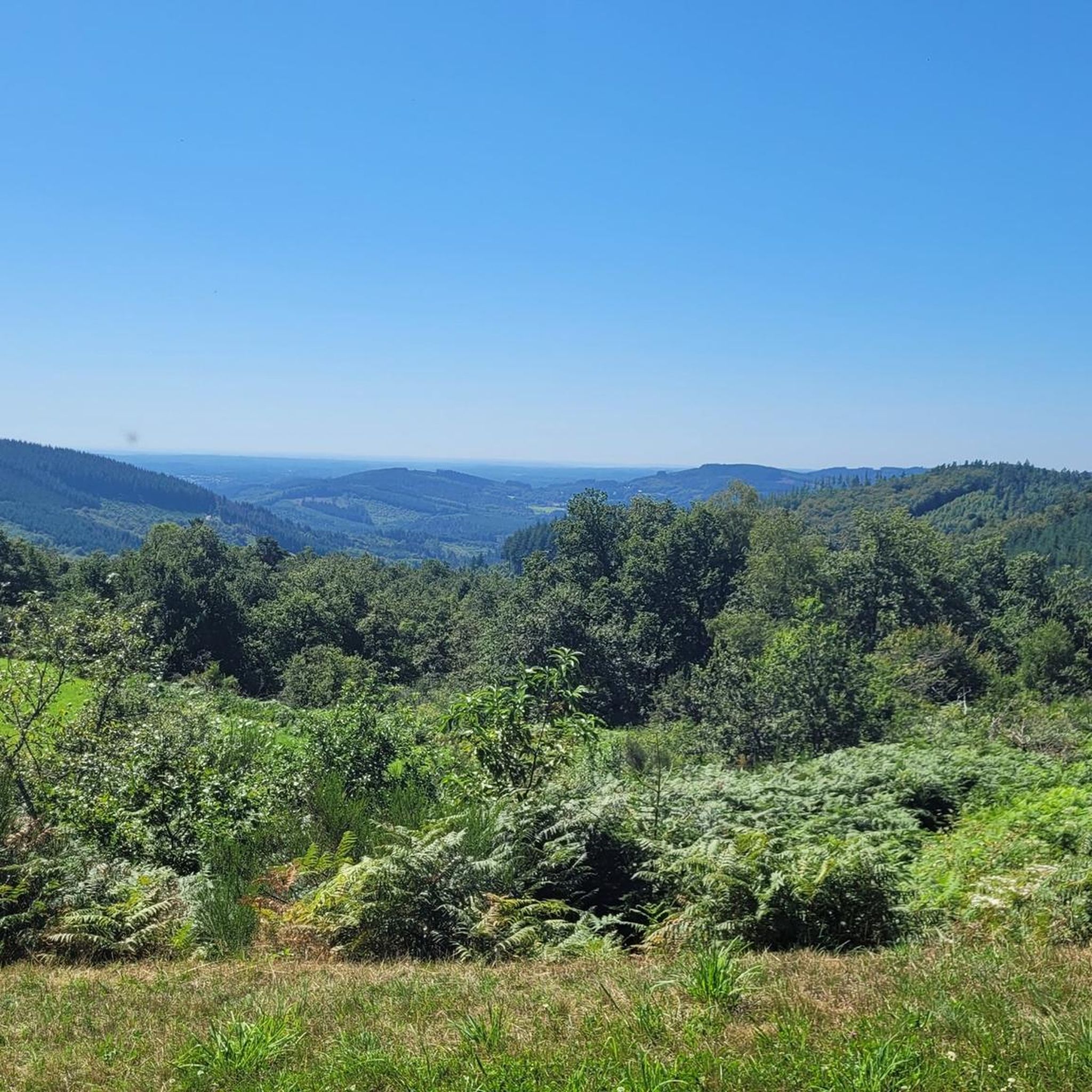
Péret-Bel-Air, being one of the highest villages in Limousin, offers magnificent panoramic views. Specifically, the locations of La Brette and Chaveroche Rocks are known for providing impressive vistas of the surrounding natural landscape within the Regional Natural Park of Millevaches.

Get inspired with the komoot mobile app


Explore more
Still not found the Highlight you’re looking for? See guides of the top attractions in other regions:
