Attractions and Places To See around Aizelles - Top 20
Best attractions and places to see around Aizelles include a variety of historical, cultural, and natural sites within the Aisne department. This region serves as a gateway to significant World War I history, medieval architecture, and diverse natural landscapes. Visitors can explore historical monuments, ancient ruins, and natural reserves. The area offers a blend of serene natural settings and profound historical sites.
Best attractions and places to see around Aizelles
- The most popular attractions is Vauclair Abbey Ruins, a historical site that was founded in 1134 and significantly damaged during World War I. Well-preserved buildings and foundations are visible, alongside an exhibition space and a garden of medicinal plants.
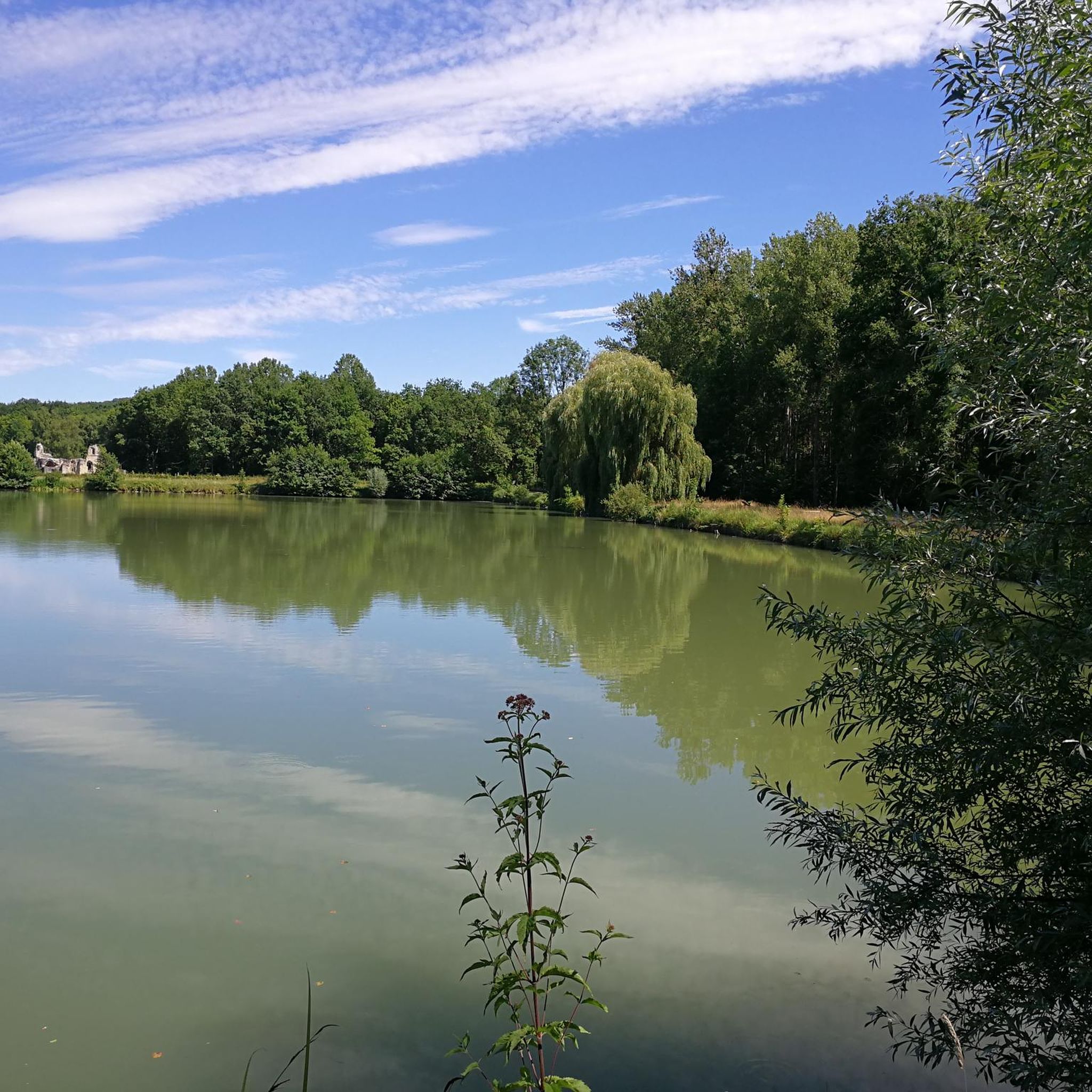
- Another must-see spot is Monks' Pond, a lake covering approximately 20 hectares. This pond, dug by monks in the 17th century, is home to various fish species and wildlife, including birds like herons and kingfishers.
- Visitors also love Craonne Memorial Stone, a memorial stone located on the Plateau de Californie. It commemorates the intense fighting of April-May 1917 during the Nivelle Offensive and pays tribute to the destroyed village of Craonne.
- Aizelles is known for its historical sites, natural features, and war memorials. The region offers a variety of attractions to see and explore, from ancient abbey ruins to significant World War I remembrance sites.
- The attractions around Aizelles are appreciated by the komoot community, with more than 100 upvotes and over 80 photos shared by visitors.
Last updated: June 22, 2026
Vauclair Abbey Ruins
Highlight • Historical Site
Translated by Google •
Tip by

Napoleon Statue in Craonne
Highlight • Monument
Placed high on a mound and built on the former location of the Moulin de Vauclerc which served as an observatory for the Emperor, the limestone statue represents the Emperor scanning the horizon, in a dignified position.
An enamelled table presents the plan of the battle of Craonne
Erected by the Departmental Tourism Committee and the Departmental Union of Offices and Syndicates of Initiatives of the Aisne, the building was inaugurated on June 30, 1974 by Michel Poniatowski, then Minister of State and Interior.
Translated by Google •
Tip by

Sign up now to discover places like this
Get recommendations on the best single tracks, peaks, & plenty of other exciting outdoor places.
Sign up for free
Ferme d'Hurtebise War Memorial
Highlight • Monument
From September 1914 onwards, fierce fighting took place here. The farm overlooked the Ailette and Aisne valleys, making it a fiercely contested observation post. French units, including Zouaves and the 12th and 49th Infantry Regiments, tried to hold or retake the farm, often with heavy losses. The family that owned the farm sheltered in the cellar for days while the building was under fire.
After months of fighting and bombardment, the farm was reduced to ruins, crisscrossed by trenches. Today the site is a symbol of resistance and sacrifice, and is part of the Chemin des Dames memorial landscape.
Translated by Google •
Tip by
Monks' Pond
Highlight • Lake
Tip by

Craonne Memorial Stone
Highlight • Other
Translated by Google •
Tip by
Sign up for free to discover even more attractions around Aizelles.
Sign up for free
Already have an account?
Start today with a free account
Your next adventure awaits.
Login or Signup





Tips from the Community

This stone statue of Napoleon I , sculpted by Georges Thurotte in 1974, commemorates the victory of the French armies at Craonne against the Russian and Prussian armies of General Blücher on March 7, 1814 . It was built on the site of the Vauclair mill which served as an observation post during this battle...
0
0
This stone statue of Napoleon I, sculpted by Georges THUROTTE, commemorates the victory of the French armies at Craonne against the Russian and Prussian armies of General Blücher on March 7, 1814, which left 12,000 dead (7,000 French and 5,000 Russians, whose mass graves were scattered during the fighting of the First World War. Placed high on a mound and built on the former site of the Moulin de Vauclerc, which served as an observatory for the emperor, the limestone statue represents the Emperor scanning the horizon in a dignified position.
0
0

This memorial stone, located on the Plateau de Californie above the old Craonne, commemorates the fierce fighting of April-May 1917 during the Nivelle Offensive. It stands on the spot where the French army suffered heavy losses in the battle against the German defenses. The stone also pays tribute to the destroyed village of Craonne, which was not rebuilt after the war. The site is closely linked to the famous “Chanson de Craonne”, the pacifist song of the French soldiers
6
0
On the eastern edge of the Chemin des Dames plateau lies the Ferme d’Hurtebise, a place that played a crucial role during both the Napoleonic Wars and the First World War. In 1814, it was the scene of the Battle of Craonne, and exactly a century later it again became a strategic junction in the struggle between French and German troops. From September 1914 onwards, fierce fighting took place here. The farm overlooked the Ailette and Aisne valleys, making it a fiercely contested observation post. French units, including Zouaves and the 12th and 49th Infantry Regiments, tried to hold or retake the farm, often with heavy losses. The family that owned the farm sheltered in the cellar for days while the building was under fire. After months of fighting and bombardment, the farm was reduced to ruins, crisscrossed by trenches. Today the site is a symbol of resistance and sacrifice, and is part of the Chemin des Dames memorial landscape.
6
0

A remarkable remnant of what was once a large and important abbey. Caesar, Napoleon and German troops are said to have passed through this area during the First World War.
3
0

Craonne is special among the memorial sites for France. In addition to the tragic destruction of the place, this has to do with the unfortunate battle, the errors of the army leadership and the soldiers' protests. A testimony is the famous song "Chanson de Craonne".
1
0
This abbey, which was founded in 1134 by St. Bernard, was severely damaged in a bombardment in 1917. The best preserved buildings are the pantry, the refectory of the lay brothers, the chapter house and the monks' hall. The foundations of the abbey church and the inn are still visible. Next to the garden with medicinal plants there is an exhibition space. Surrounding it is the monastic forest of Vauvelair, which covers 1000 hectares.
11
0

The Étang des Moines lake is one of the four ponds that were dug by the monks of Liessies Abbey at the end of the 17th century. Covering an area of approximately 20 hectares, it is home to various species of fish, such as carp, pike, perch, roach and tench. The lake is also a haven for wildlife, particularly birds, such as herons, ducks, coots and kingfishers. You can appreciate the tranquility and beauty of the lake from different viewpoints, such as the wooden bridge or the picnic area.
2
0
Frequently Asked Questions
What historical sites related to World War I can I visit near Aizelles?
The region around Aizelles is rich in World War I history. You can explore the Vauclair Abbey Ruins, which were significantly damaged during a bombardment in 1917. The Ferme d'Hurtebise War Memorial, located on the Chemin des Dames plateau, was a crucial strategic point during the war. Additionally, the Craonne Memorial Stone commemorates the intense fighting of April-May 1917 during the Nivelle Offensive and pays tribute to the destroyed village of Craonne. The Chemin des Dames ridge itself features monuments, preserved trenches, and the impressive La Caverne du Dragon museum.
Are there any natural areas or forests to explore near Aizelles?
Yes, for nature lovers, the Vauvelair Monastic Forest, covering 1000 hectares, surrounds the Vauclair Abbey Ruins and is ideal for walks. You can also visit the Monks' Pond, a 20-hectare lake home to various fish species and wildlife like herons and kingfishers. Further afield, there are natural marsh reserves such as the Réserve naturelle du marais de Vesles-et-Caumont and the Réserve naturelle des Landes de Versigny.
What kind of outdoor activities can I do around Aizelles?
The area offers various outdoor activities, especially hiking and cycling. The Chemin des Dames is popular for both, with green hills and winding roads. You can find numerous hiking trails, including an easy 4.6 km loop around the California Plateau and Old Craonne Cemetery, or moderate routes like the 12.5 km 'La montée de st herme' loop from Aizelles. For mountain biking, consider the 15 km 'Vauclair Abbey – Monks' Pond' loop. Gravel biking options include the 13.2 km 'Vauclair Abbey – Lake Ailette' loop. For more detailed routes, check out the hiking guide, MTB guide, and gravel biking guide for the region.
Are there any family-friendly attractions or activities in the area?
Many of the historical sites are suitable for families interested in history, such as the Vauclair Abbey Ruins with its exhibition space and medicinal plant garden. The Monks' Pond offers a peaceful setting for observing wildlife. The Chemin des Dames area, with its museums and memorials, can be educational for older children. Exploring the medieval town of Laon, with its cathedral and cobbled streets, can also be an engaging family outing.
What are some notable historical towns or cities near Aizelles?
Approximately 20 kilometers from Aizelles, the town of Laon boasts a well-preserved medieval character and its magnificent Gothic Notre-Dame Cathedral. About 30 kilometers away, Reims, the capital of the Champagne region, offers the UNESCO World Heritage site Notre-Dame Cathedral of Reims and the Palais du Tau, along with famous Champagne Houses. Soissons, about 37 km away, also features an abbey and a cathedral.
Where can I see medieval architecture near Aizelles?
For medieval architecture, the town of Laon is a must-visit, featuring one of France's oldest Gothic cathedrals, Notre-Dame Cathedral of Laon, and charming medieval streets. The Vauclair Abbey Ruins, founded in 1134, also offer a glimpse into medieval monastic life, with well-preserved buildings and foundations.
Are there any unique monuments or statues to see?
Yes, you can find the Napoleon Statue in Craonne. This stone statue commemorates the victory of French armies against Russian and Prussian forces in 1814 and is placed high on a mound, representing the Emperor scanning the horizon.
What is the best time to visit the attractions around Aizelles?
The spring and autumn months generally offer pleasant weather for exploring historical sites and engaging in outdoor activities like hiking and cycling. The natural landscapes are particularly beautiful during these seasons. Summer can also be a good time, though it might be busier, especially at popular sites.
What do visitors enjoy most about the attractions around Aizelles?
Visitors frequently appreciate the profound historical significance of the World War I sites, finding them moving and educational. The tranquility and natural beauty of places like the Monks' Pond and the Vauvelair Monastic Forest are also highly valued. The blend of serene natural landscapes and rich historical context makes the region appealing for both outdoor enthusiasts and history buffs.
Are there any lesser-known or picturesque villages worth visiting nearby?
Yes, about 38 km from Aizelles, you can find Parfondeval, recognized as one of France's 'Most Beautiful Villages.' It's a small, picturesque, and rather remote village that offers a charming glimpse into traditional French rural life.
Can I visit any Champagne Houses near Aizelles?
Yes, Reims, located about 30 kilometers from Aizelles, is the capital of the Champagne region. Many renowned champagne houses like Veuve Clicquot, Taittinger, and Pommery offer guided tours and tastings there, providing a great opportunity to explore the famous sparkling wine.
Most popular routes around Aizelles

Get inspired with the komoot mobile app


Explore more
Still not found the Highlight you’re looking for? See guides of the top attractions in other regions:
