The best road cycling routes around Douzillac
4.4
(31)
1,586
riders
117
rides
Road cycling around Douzillac is characterized by a diverse landscape of river valleys, gently rolling hills, and extensive agricultural lands. The region, nestled in the Dordogne, offers routes that trace the Isle and Dordogne rivers, providing flatter sections alongside more engaging ascents and descents through wooded areas. Cyclists will encounter quiet country roads, dedicated greenways, and scenic passages through walnut groves and vineyards. This varied terrain provides options for different cycling preferences.
Best road cycling routes around Douzillac
- The most…
Last updated: May 12, 2026
5.0
(1)
25
riders
53.5km
02:14
350m
350m
Moderate road ride. Good fitness required. Mostly well-paved surfaces and easy to ride.
5.0
(1)
21
riders
33.9km
01:25
260m
260m
Easy road ride. Great for any fitness level. Mostly well-paved surfaces and easy to ride.

Sign up for free
7
riders
87.1km
03:42
650m
650m
Moderate road ride. Good fitness required. Mostly well-paved surfaces and easy to ride.
7
riders
Hard road ride. Very good fitness required. Mostly well-paved surfaces and easy to ride.
4.0
(1)
4
riders
46.0km
02:12
430m
430m
Moderate road ride. Good fitness required. Mostly well-paved surfaces and easy to ride.
Get access to more routes and recommendations from other explorers.
Sign up for free
Already have an account?
Our route recommendations are based on thousands of hikes, rides, and runs completed by other people on komoot.
Start today with a free account
Your next adventure awaits.
Login or Signup


Tips from the Community

A visit is absolutely recommended, unique.
0
0

Saint-Astier is a jewel of the Périgord, where history flirts with nature along the Isle. It hosts the famous Thursday market, festive and fragrant, a popular meeting place for savoring local produce. The town is home to heritage gems like the Château de Puyferrat and the fortified church, proud guardian of a vibrant past. Saint-Astier also shines for its natural lime, a world star in the restoration of historic monuments.
0
0

unfortunately not visitable but very pretty from the outside
0
0
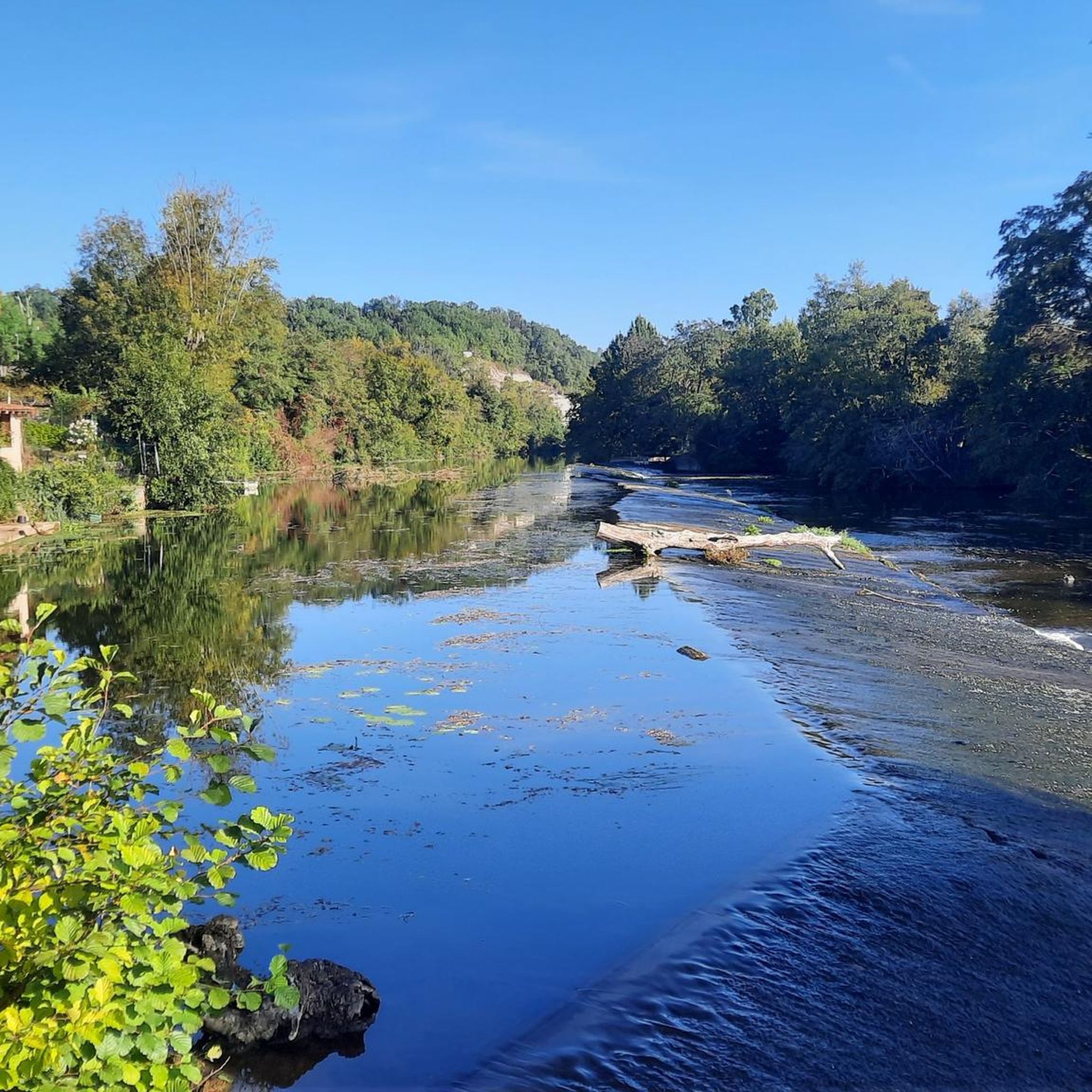
the water is very good all year round it flows
0
0
beautiful little dam
0
0

Why Visit Saint-Aquilin? For its historical heritage: Between the Romanesque church, the Château de la Jarthe and its ancient traditions, Saint-Aquilin is a village where the past continues to live. For its peaceful landscapes: Nestled in a valley, the village offers magnificent views of the surrounding nature, ideal for recharging your batteries far from the hustle and bustle of modern life. For the authentic experience of rural life: The village, with its farms, craftsmen and local traditions, allows visitors to discover the culture of Périgord in all simplicity. Saint-Aquilin, with its discreet charm and rich heritage, is an ideal stopover for those who wish to explore the calm and authenticity of the Dordogne.
2
0
Natural Heritage: Bucolic Landscapes: Saint-Aquilin is surrounded by green hills, forests and fields, offering many opportunities for hiking and strolling through the countryside. It is a privileged place for nature lovers and those seeking peace and quiet. Rivers and Streams: The presence of small rivers and streams adds to the beauty of the landscape. These waterways are an integral part of the charm of the region. Fontaine Saint-Jean: Ancient Place of Worship: The Fontaine Saint-Jean is an ancient place of pilgrimage where, in the past, the inhabitants came to pray and ask for healings. This site, surrounded by peaceful nature, remains a point of curiosity for visitors. Holy Water: The fountain is still considered a place of meditation, with water that is traditionally associated with healing properties. Rural Life and Crafts: Local Agriculture: The region around Saint-Aquilin is rich in agricultural land. Visitors can discover local products, such as honey, fruits, and other regional specialties, directly from local farms. Crafts: A few local artisans perpetuate traditional skills, offering a unique opportunity to acquire handmade objects, which reflect the authentic character of the region.
2
0
Saint-Aquilin is a picturesque village located in the Dordogne department, in the Nouvelle-Aquitaine region. This charming village, nestled in a rolling and green landscape, is known for its historical heritage, its natural landscapes and its peaceful atmosphere. Saint-Aquilin embodies the essence of French rural villages, with its old stones, its small streets and its connection with the surrounding nature. Points of Interest in Saint-Aquilin: Saint-Eutrope Church: Roman Heritage: The Saint-Eutrope Church is a listed Romanesque building, dating from the 12th century. Its sober architecture, with its typical bell-wall of the region, makes it one of the historical jewels of the village. Refined Interior: The interior of the church contains interesting elements such as ancient frescoes and sculpted capitals. It is a place that bears witness to the long Christian history of the village. Château de la Jarthe: Historic Residence: The Château de la Jarthe, located not far from the village center, is a beautiful building dating from the 17th century. Surrounded by greenery and gardens, it bears witness to the elegance of the rural residences of the time. Park and Gardens: The castle park, with its shaded paths and century-old trees, is a peaceful place, ideal for a relaxing walk.
2
0
Frequently Asked Questions
What kind of terrain can I expect when road cycling around Douzillac?
Road cycling around Douzillac offers a diverse landscape. You'll find routes that trace the scenic Isle and Dordogne rivers, providing flatter sections ideal for leisurely rides. Beyond the riverbanks, the terrain transitions into gently rolling hills and deep oak forests, offering engaging ascents and descents. The region is also characterized by extensive agricultural lands, including picturesque walnut groves and vineyards, all connected by quiet country roads and dedicated greenways.
Are there road cycling routes suitable for beginners or families in Douzillac?
Yes, Douzillac offers several easy road cycling routes perfect for beginners or families. The region's 'Voies Vertes' (greenways), often built on old railway lines or towpaths, provide dedicated car-free paths. For example, the Saint-Aquilin – Cote des Roches loop from Neuvic is an easy 35.7 km path that navigates through rolling hills and agricultural scenery, typically completed in under two hours. Another easy option is The Isle at Saint-Léon-sur-l'Isle – Saint-Astier Bridges loop from Neuvic, a shorter 22.2 km route.
What are the more challenging road cycling options near Douzillac?
While the region is known for its rolling hills rather than steep mountains, there are routes that offer more significant elevation changes for experienced cyclists. For instance, the Ponts de St astier – Passerelle loop from Douzillac is a moderate 81.3 km route with over 500 meters of elevation gain, providing a good workout through varied landscapes. Overall, there are 6 routes classified as difficult in the wider Douzillac area.
Can I find circular road cycling routes starting from Douzillac?
Absolutely. Many road cycling routes in the Douzillac area are designed as loops, allowing you to start and finish in the same location. A popular example is the Château loop from Douzillac, a 40.1 km trail that leads through rolling countryside and past historic châteaux. Another option is The Isle at Saint-Léon-sur-l'Isle – Cote des Roches loop from Beauronne, a 53.5 km route offering views along the Isle river.
What cultural or historical attractions can I see while road cycling in the Douzillac area?
Road cycling in Douzillac is an immersive cultural experience. Routes frequently pass through picturesque medieval villages and historic towns with traditional limestone houses. You can discover impressive castles, such as those found on the Château loop from Douzillac, and explore sites of ancient art in the wider Vézère Valley. The region's rich history and charming architecture are a constant backdrop to your ride.
What is the best season for road cycling around Douzillac?
The Dordogne region, including Douzillac, is generally pleasant for road cycling from spring through autumn. Spring offers lush green landscapes and comfortable temperatures, while autumn provides beautiful foliage and cooler weather. Summer can be warm, but routes along the river valleys often provide cooler, shaded environments. It's always advisable to check local weather forecasts before heading out.
Are there places to stop for food and drink along the road cycling routes?
Yes, the Dordogne is renowned for its culinary delights, and cycling routes often pass through charming villages and towns where you can find local bakeries, cafés, and restaurants. These are perfect for sampling regional specialties like duck confit, walnut salads, or local wines, making each stop a rewarding part of your journey.
What do other road cyclists enjoy most about the routes in Douzillac?
The road cycling routes around Douzillac are highly rated by the komoot community, with an average score of 4.4 stars from over 20 reviews. Cyclists often praise the diverse landscape, which includes scenic river valleys and engaging rolling hills, as well as the abundance of quiet country roads and dedicated greenways that make for a peaceful and enjoyable ride.
Are there dedicated cycling paths or greenways in the Douzillac region?
Yes, the Dordogne region is well-equipped with 'Voies Vertes' (greenways) which are dedicated, car-free paths. These are often built on old railway lines or towpaths, providing safe and scenic routes suitable for all ages and skill levels. The Vallée de l'Isle cycling path, for example, allows cyclists to follow the river for almost 100 km, enjoying views and stopping at rest areas. You can find more information on cycling paths in the Dordogne Valley via Visit Dordogne Valley.
Is it possible to combine road cycling with public transport in Douzillac?
While the region is best explored by bike or car, some local public transport options might accommodate bicycles, though this can vary. For specific information on public transport that allows bikes, it's recommended to check with local transport providers directly. However, the abundance of quiet country roads makes self-supported cycling very accessible.
Where can I find parking for road cycling routes in Douzillac?
Many of the road cycling routes in the Douzillac area start from or pass through villages and towns where public parking is generally available. When planning your route, consider starting points in larger villages like Douzillac itself, Neuvic, or Saint-Léon-sur-l'Isle, which typically offer designated parking areas suitable for cyclists.
Are there any specific natural features or viewpoints to look out for?
The region is rich in natural beauty. Cyclists will frequently encounter vast tracts of beautiful countryside, including fields of walnut groves and ripening grapes. The river valleys of the Isle and Dordogne offer picturesque views, often with opportunities to cross charming footbridges. The undulating hills also provide rewarding vistas over the patchwork fields and deep oak forests, especially during ascents.

Get inspired with the komoot mobile app


Explore more
Browse the best Road cycling routes in other regions.
