Attractions and Places To See around Allondrelle-La-Malmaison - Top 20
Best attractions and places to see around Allondrelle-La-Malmaison include historical sites, religious heritage, and rural landscapes. This commune in northeastern France, located near the Luxembourg border, offers a glimpse into its past through preserved architecture and remnants of its industrial history. The area features wooded hills and red sandstones, providing a tranquil setting for exploration. Visitors can discover a variety of historical and cultural points of interest.
Best attractions and places to see around Allondrelle-La-Malmaison
- The most popular attractions is…
Last updated: July 6, 2026
Torgny Village
Highlight • Settlement
Translated by Google •
Tip by

Ruins of Montquintin Castle
Highlight • Castle
Translated by Google •
Tip by

Sign up now to discover places like this
Get recommendations on the best single tracks, peaks, & plenty of other exciting outdoor places.
Sign up for free
Cons-la-Grandville Castle
Highlight • Castle
Translated by Google •
Tip by

Naisse Mill
Highlight • Historical Site
Translated by Google •
Tip by

Notre-Dame du Bonlieu Chapel
Highlight • Religious Site
Translated by Google •
Tip by
Sign up for free to discover even more attractions around Allondrelle-La-Malmaison.
Sign up for free
Already have an account?
Start today with a free account
Your next adventure awaits.
Login or Signup
Popular around Allondrelle-La-Malmaison

Tips from the Community

In 1577, Henri le Clercq built a powder mill on the banks of the Ton in the lower town of Virton, which became a sawmill a hundred years later. In 1797, the buildings were redeveloped by the new owners, a fact clearly reflected in the first land registry of the town of Virton, dated 1850. In 1875, the sawmill was converted into a bark mill and tannery. In 1928, these buildings were purchased by Jean Naisse. He modernized the equipment to operate a sawmill that remained in operation until 1970. The small building to the east has preserved its mill and waterwheel from the early 19th century. The large western building houses the old tannery. It is recognizable by the nine rectangular openings that were necessary for drying the hides. In 1930, a traditional living area of the same size was added to form the current building. All buildings and the surrounding area have been listed as historic monuments since November 9, 1990. (Information board on site)
12
0

🏰 **Château de Cons-la-Grandville – A Journey Through the Centuries** The imposing castle of **Cons-la-Grandville**, near the border with Luxembourg, combines Romanesque origins with Renaissance and Baroque architecture. Built on the foundations of a Gallo-Roman villa, it was expanded and remodeled several times from the 11th century onwards. Particularly worth seeing: the Romanesque cloister, the elegant façade, and the magnificent courtyard. 🕰️ The château was the residence of the noble de Cons family, later also a monastery, and has been lovingly restored. Today it is a listed monument and open to visitors. **Tip:** Be sure to visit the cloister – one of the oldest preserved of its kind in Lorraine. Ideal as a stopover on the way between France and Luxembourg.
0
0

Well-known place not far from the Rabais ponds.
0
0

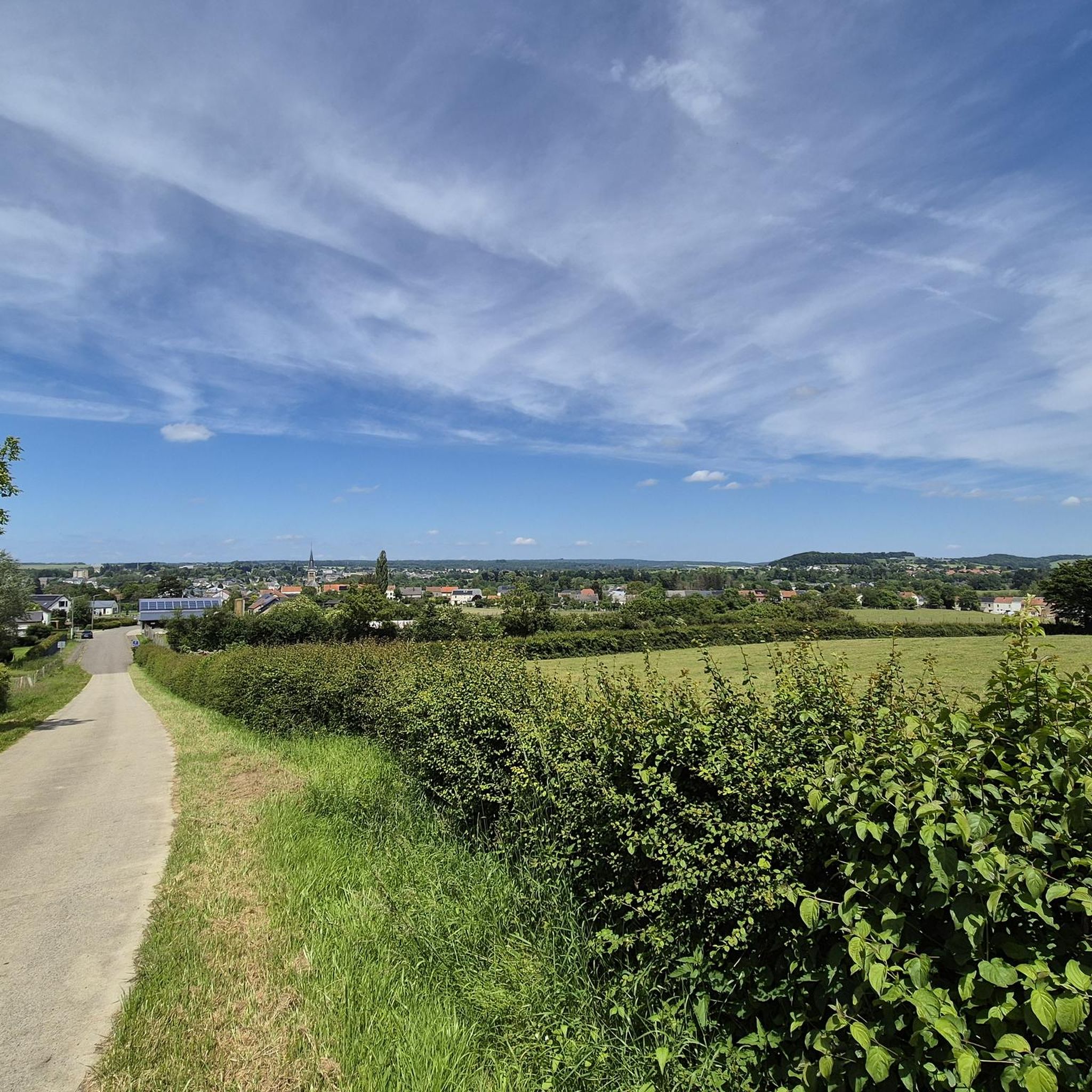
On the edge of a wooded massif, where the climate is favorable for growing wine, lies Torgny, Belgium's southernmost village. The houses here, built of yellow sandstone with Roman roof tiles, are striking, lending a Mediterranean flair. A truly beautiful sight. No wonder this place is considered one of the most beautiful villages in Wallonia.
1
0
The remains of Montquintin Castle stand on a ridge overlooking the Ton valley. The once feudal castle was built on the orders of Louis II, Count of Chiny. After a turbulent history, the castle fell victim to a fire in 1869. Since then, it has stood as a ruin high above the Ton river valley.
0
0

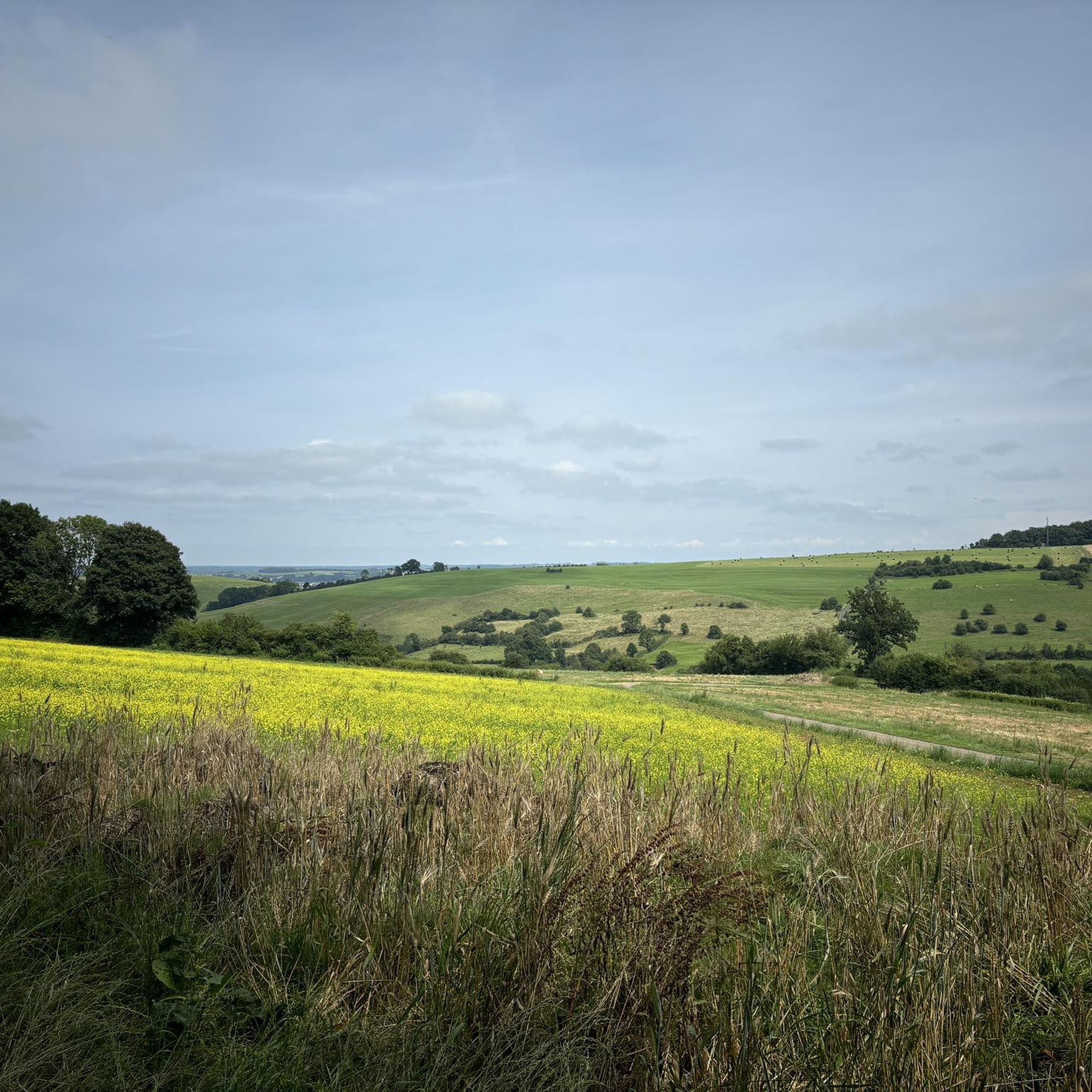
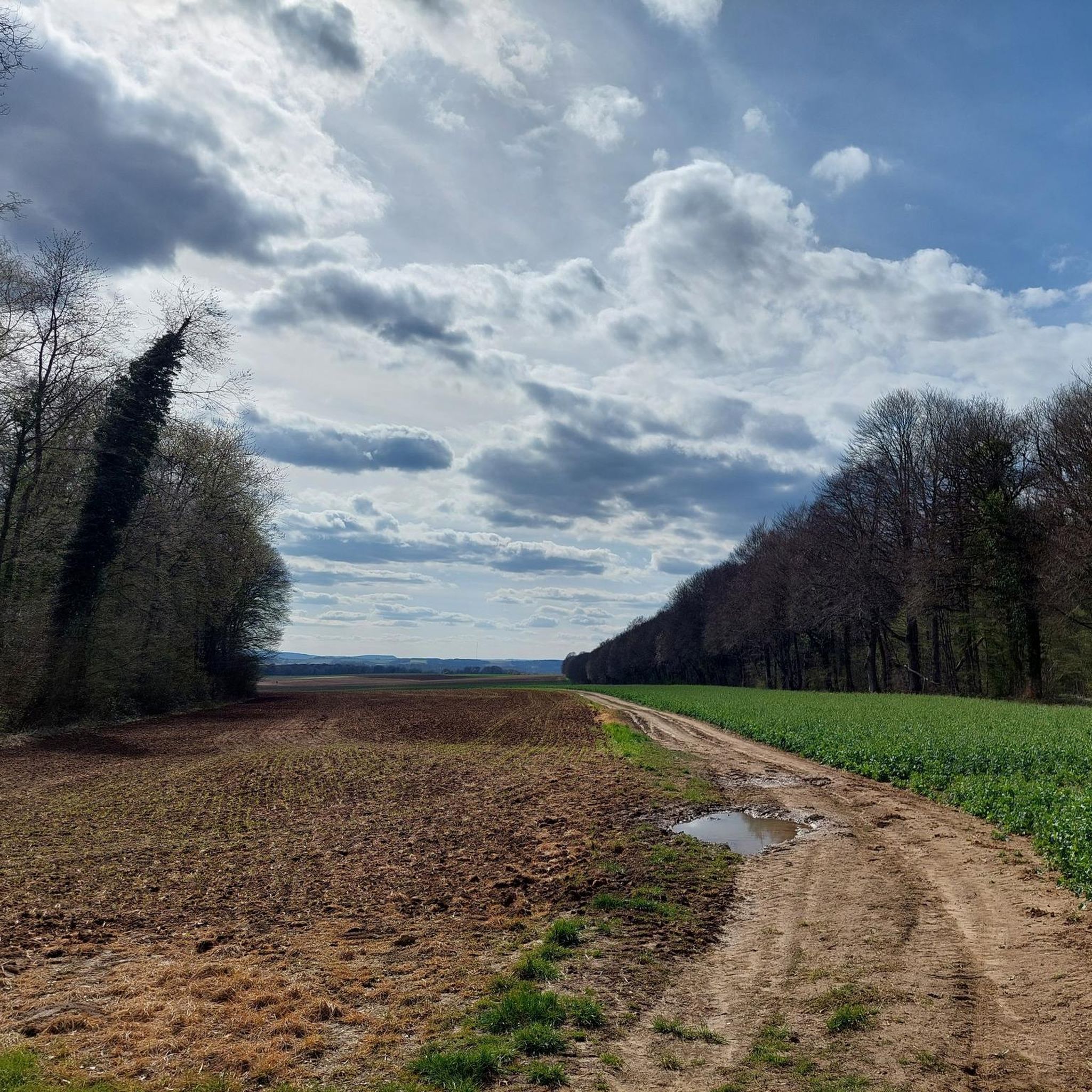
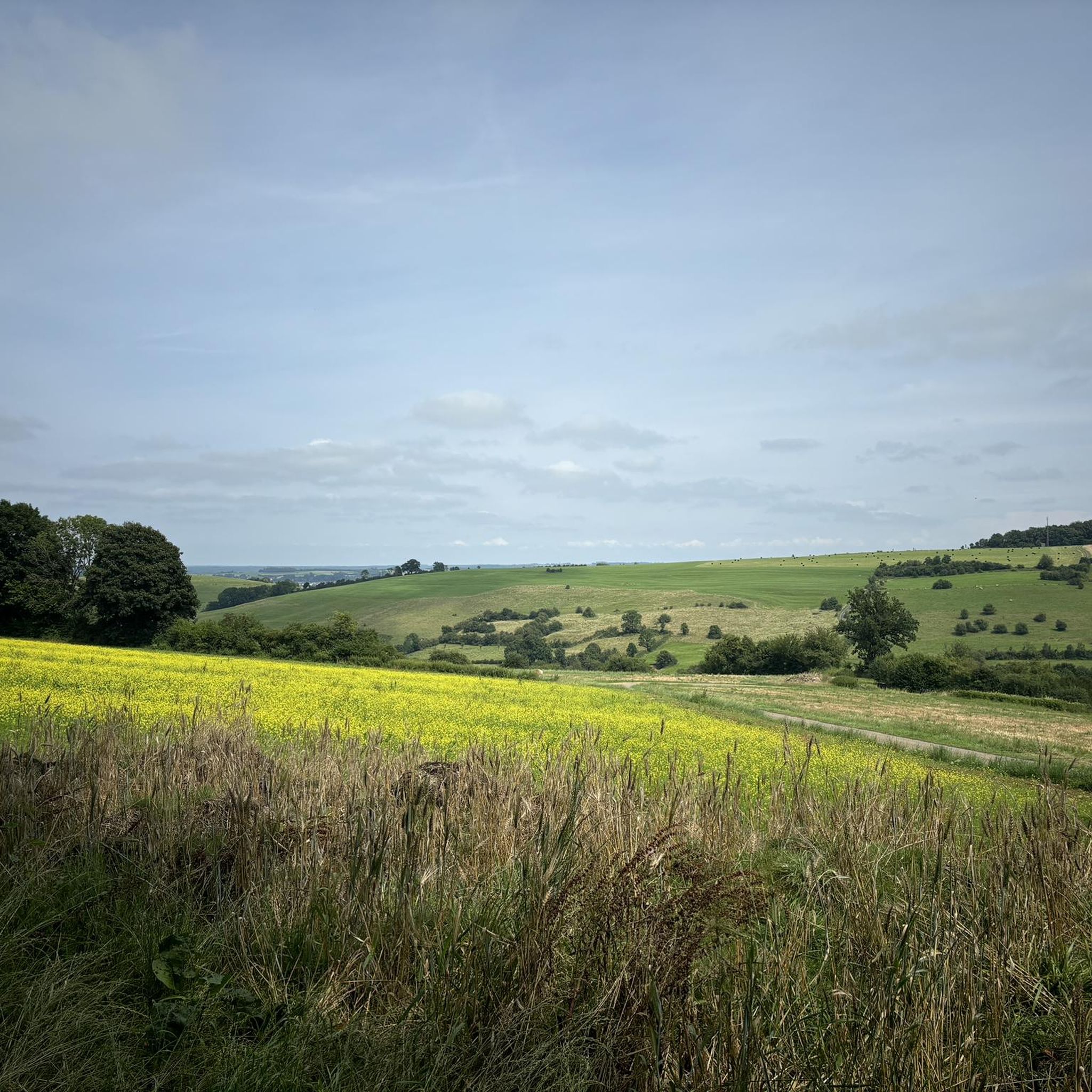
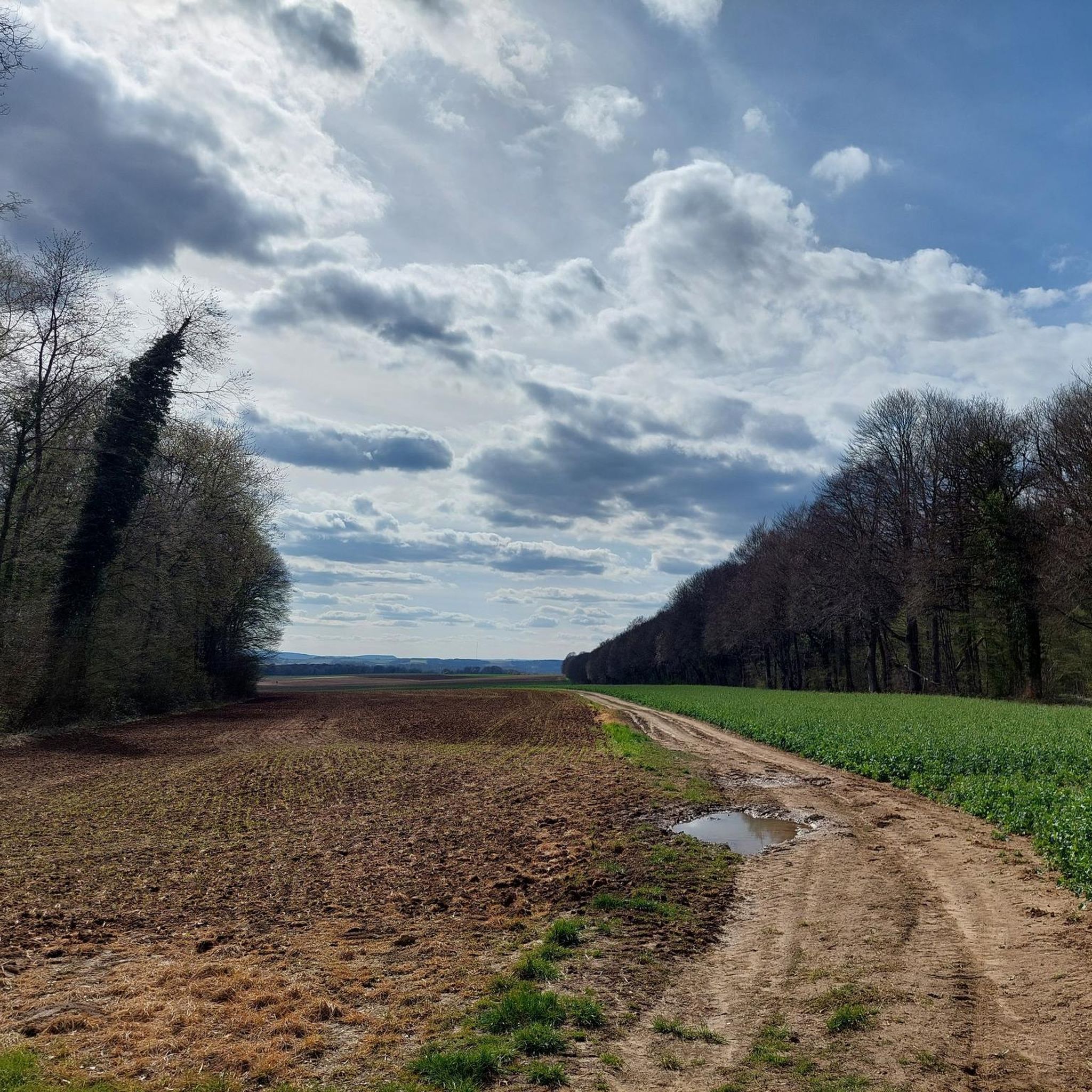
PLEASE NOTE: on this - beautiful - circuit, after the village of Alondrelle, the path as mentioned on this circuit has become impassable between the meadows. If you go further, from the entrance to the woods towards Torgny, the path is not very suitable for vehicles or even almost impassable by bike if it has rained a lot! A mountain bike is essential!
0
0

The ruins of this ancient feudal castle are impressive. They dominate the Ton valley and are currently the subject of a program of archaeological excavations.
0
0
This ancient feudal castle is now a ruin, but it has retained its undeniable charm. Located on a hill overlooking the Ton valley, it is the subject of a restoration program and archaeological excavations.
0
0
Frequently Asked Questions
What historical sites can I visit in Allondrelle-La-Malmaison?
Allondrelle-La-Malmaison is rich in history. You can explore the Ruins of Montquintin Castle, an ancient feudal castle undergoing restoration. Another significant site is the Cons-la-Grandville Castle, an 11th-century castle with Romanesque, Renaissance, and classical styles. The village also features the historical Naisse Mill, an old water mill with a history as a powder mill, sawmill, and tannery.
Are there any notable religious buildings in the area?
Yes, the region has several preserved religious sites. The Notre-Dame du Bonlieu Chapel, located in the heart of the Bonlieu forest, is a place of pilgrimage. Other historical religious structures include the Chapel-Hermitage of Sainte-Reine (erected in 1677), the Parish Church of Saint-Pierre (dating back to 1235), the Parish Church of Saint-Nicolas (built in 1867), and the Chapel of L'Ange-Gardien (constructed in 1729).
What natural features can I explore around Allondrelle-La-Malmaison?
While Allondrelle-La-Malmaison is a rural commune, the surrounding landscape offers natural points of interest. You'll find wooded hills and red sandstones, typical of the region's iron-rich sedimentary rock. The area also provides a tranquil setting for appreciating the natural environment that shaped its history.
Are there opportunities for hiking near Allondrelle-La-Malmaison?
Yes, there are several running trails that can be enjoyed for hiking. For example, you can explore the 'Running loop from Allondrelle-la-Malmaison' or the 'Haut de Douau loop from Allondrelle-la-Malmaison'. You can find more details on these and other routes in the Running Trails around Allondrelle-La-Malmaison guide.
Can I go cycling around Allondrelle-La-Malmaison?
Absolutely! The area offers various cycling routes. You can find options like the 'Bike loop from Grandcourt' or the 'Torgny Village loop from Charency-Vezin'. For more detailed routes, check out the Cycling around Allondrelle-La-Malmaison guide.
What is the industrial heritage of Allondrelle-La-Malmaison?
The region has a significant industrial past, particularly related to ironworks. You can visit the Domain of the Former Buré d'Orval Ironworks, which features a blast furnace from 1838 and the forge master's house. The iron forge at Buré operated until 1885, and its remnants are considered historical monuments. Additionally, nearby, you can find traces of the Halanzy iron mine, which operated until 1982.
Are there family-friendly attractions in Allondrelle-La-Malmaison?
Many of the historical sites are suitable for families. For instance, Torgny Village is recognized as family-friendly, offering a charming atmosphere. The Cons-la-Grandville Castle and the Naisse Mill are also categorized as family-friendly, providing educational and engaging experiences for all ages.
What makes Torgny Village a special place to visit?
Torgny Village is renowned for its unique Mediterranean flair, earning it recognition as one of the most beautiful villages in Wallonia. Its stone houses with red tile roofs and sunny microclimate, ideal for wine growing, create a distinctive charm. Visitors appreciate its beautiful nature reserve, known for orchids, hillside vineyards, and enchanting landscapes.
What can I expect to see at the Ruins of Montquintin Castle?
The Ruins of Montquintin Castle are the remnants of an ancient feudal castle, perched on a hill overlooking the Ton valley. Despite being in ruins, it retains an undeniable charm and offers impressive views. The site is currently undergoing a restoration program and archaeological excavations, providing a glimpse into its rich past.
What do visitors enjoy most about the attractions around Allondrelle-La-Malmaison?
Visitors particularly appreciate the blend of historical sites, religious heritage, and the tranquil rural charm of the region. The preserved architecture, such as the castles and chapels, along with the remnants of its industrial past, offer a unique journey through time. The komoot community has shown strong interest, with attractions garnering 159 upvotes and 84 photos, indicating their appeal.
Are there road cycling routes available near Allondrelle-La-Malmaison?
Yes, road cycling enthusiasts can find several routes in the vicinity. Options include the 'Scenic Section of RAVeL 155 – Old Buzenol Railway Station loop from Ruette' and the 'RAVeL Ruette–Chenois Path – Orval Abbey loop from Ruette'. More routes can be found in the Road Cycling Routes around Allondrelle-La-Malmaison guide.
When is the best time to visit Allondrelle-La-Malmaison?
The region, particularly areas like Torgny Village, benefits from a sunny microclimate, making it pleasant for outdoor activities and exploring historical sites. While specific seasonal recommendations are not provided, the natural landscapes and historical attractions can be enjoyed during milder weather, allowing for comfortable exploration of the villages, castles, and chapels.
Most popular routes around Allondrelle-La-Malmaison
Most popular attractions around Allondrelle-La-Malmaison

Get inspired with the komoot mobile app


Explore more
Still not found the Highlight you’re looking for? See guides of the top attractions in other regions:
