Attractions and Places To See around Vauquois - Top 20
Best attractions and places to see around Vauquois are primarily centered on its World War I history. The region features historical battlefields, memorials, and a landscape significantly altered by extensive mine warfare. Visitors can explore preserved trenches, bunkers, and rebuilt village areas, offering insights into the conflict. The elevated terrain also provides panoramic views over the Argonne region.
Best attractions and places to see around Vauquois
- The most popular attractions is War monument, a neoclassical monument honoring American soldiers…
Last updated: August 25, 2026
World War I memorial
Highlight • Other
Inaugurated in 1922, this impressive monument commemorates the thousands of fallen soldiers of the Argonne during WWI. The ossuary contains the …
Translated by Google •
Tip by

Ravin du Génie Open-Air World War I Museum
Highlight • Historical Site
Translated by Google •
Tip by
Sign up now to discover places like this
Get recommendations on the best single tracks, peaks, & plenty of other exciting outdoor places.
Sign up for free
War monument
Highlight • Other
Erected in 1927 by the state of Pennsylvania, this neoclassical monument honors the American soldiers from Pennsylvania who helped liberate Varennes in 1918. Designed in …
Translated by Google •
Tip by
Deutscher Soldatenfriedhof
Highlight • Other
Translated by Google •
Tip by
Kronprinz Shelter
Highlight • Historical Site
Translated by Google •
Tip by

Sign up for free to discover even more attractions around Vauquois.
Sign up for free
Already have an account?
Start today with a free account
Your next adventure awaits.
Login or Signup


Tips from the Community

In his address on Remembrance Day in 2015, then-President Joachim Gauck expressed some thoughts that I would like to offer visitors to this war cemetery/military cemetery for reflection: "This... is our shared hope: that the memory of the suffering of war will not breed revenge, but will lead more and more people and nations to seek a way out in peaceful coexistence. Just as European integration succeeded in becoming the great peace project of our continent. (...) That military cemeteries, as Albert Schweitzer once said, may finally become the great preachers of peace. Then, as we have experienced, reconciliation over the graves will be possible. Then peace can be lasting. We all share this responsibility."
2
0

This serene cemetery contains 1,111 individual graves of German soldiers who died in the Argonne Forest during the First World War. Created in November 1915, it is the only German cemetery in the region that has been largely preserved in its original state. Of particular note is the gravestone of Commander Baron von Müllenheim-Rechberg, who died in 1916, and the monument to the 27th Landwehr Regiment. Since 2023, the site has been part of the UNESCO World Heritage as part of the World War I Memorial Sites.
9
0
Freely accessible and located along the Route de la Haute Chevauchée. Climb the stairs for an impressive view and to admire the monument up close. Behind the monument is the entrance to the ossuary and a cross of reconciliation.
6
0
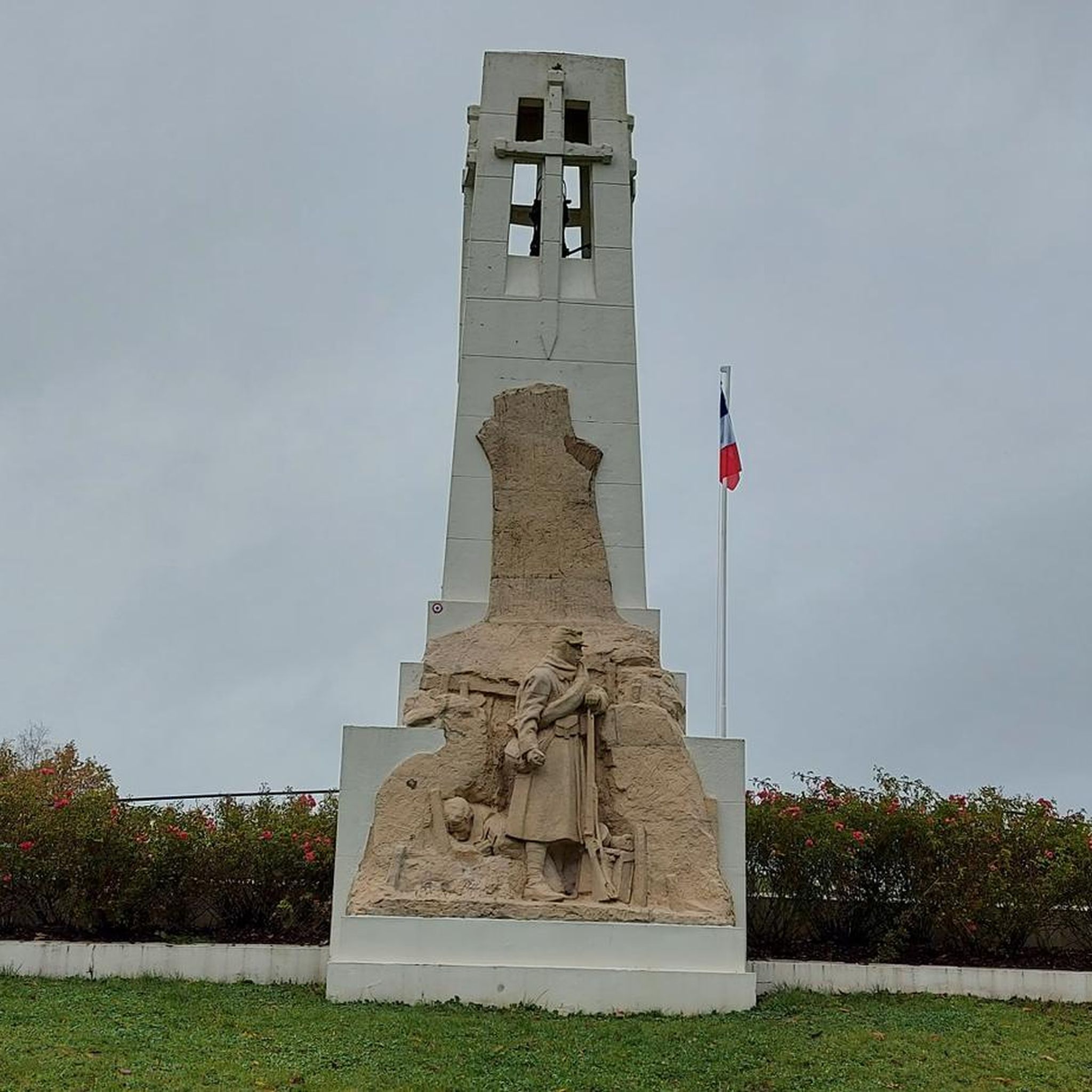
A silent tribute in the heart of the Argonne Inaugurated in 1922, this impressive monument commemorates the thousands of fallen soldiers of the Argonne during WWI. The ossuary contains the remains of approximately 10,000 unknown soldiers of various nationalities. The obelisk-shaped structure, topped with a soldier's head and sword, is a powerful symbol of sacrifice. In 2023, the monument was included on the UNESCO World Heritage List.
7
0
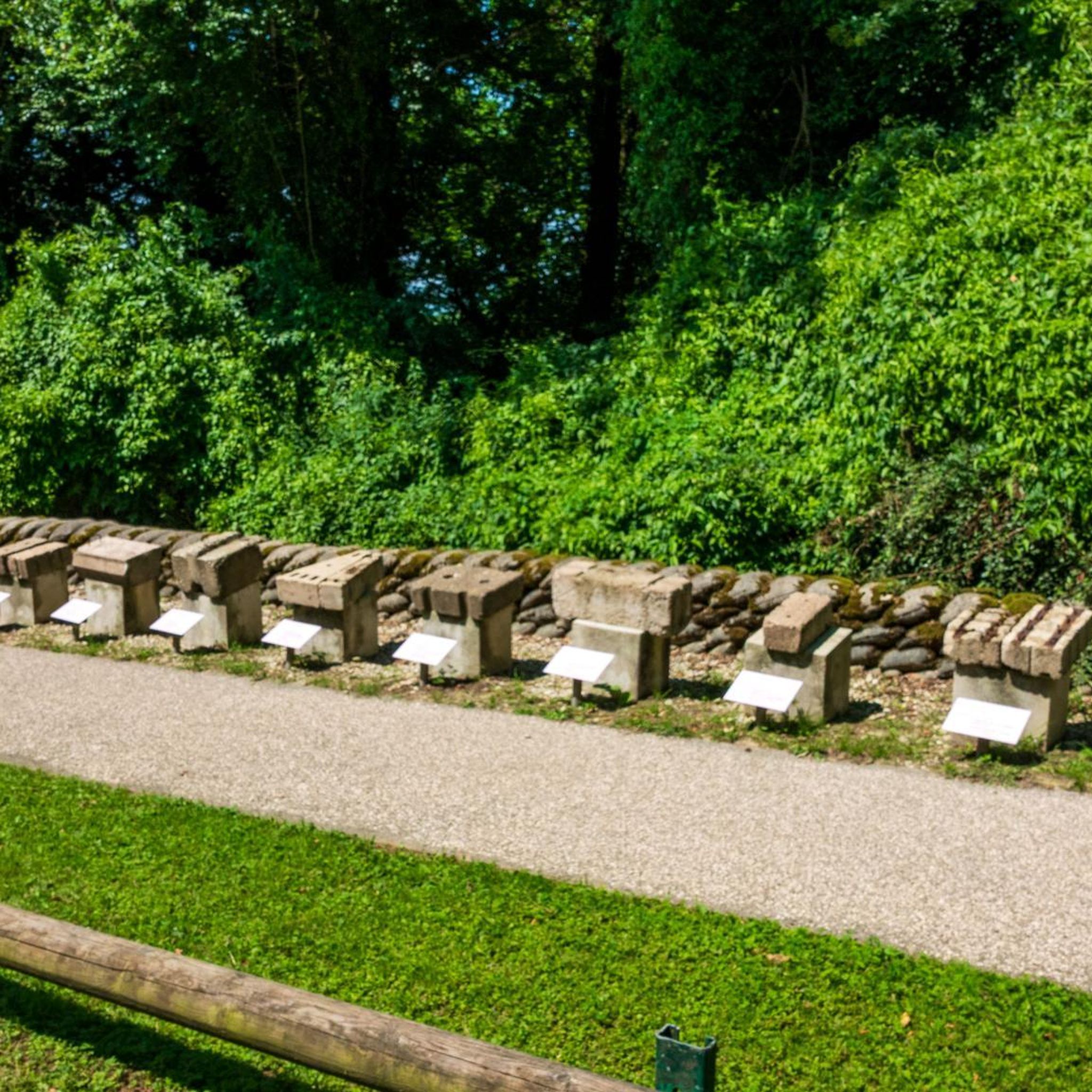
Ravin du Génie: Located in the woods of Lachalade, less than 1.2 km from the front line, this ravine was an important logistical camp for the French engineers during WWI. Soldiers found rest there, and equipment was stored for mine warfare in the Argonne. Today it is an open-air museum with the remains of barracks, warehouses and trenches – a tangible reminder of daily life behind the front. Free access with information panels.
7
0
Mémorial de Pennsylvania – Varennes-en-Argonne Erected in 1927 by the state of Pennsylvania, this neoclassical monument honors the American soldiers from Pennsylvania who helped liberate Varennes in 1918. Designed in the Greek style, the monument offers impressive views over the Aire Valley and bears the words of President Wilson: “The right is more precious than peace”.
7
0

https://verdun1916.eu/?p=9103 The bunker of the Crown Prince. There are many. Bunkers that were kept available for a visit to the front by Crown Prince Wilhelm of the German Empire. We do not know if the bunker in the Argonne forest was ever visited by the Crown Prince, or if he slept there. Several bunkers surround the bunker for the Crown Prince.
0
0

Frequently Asked Questions
What historical sites related to World War I can I visit in Vauquois?
Vauquois is rich in WWI history. You can explore the Butte de Vauquois, a critical battlefield with preserved trenches, bunkers, and extensive underground networks, as well as dramatic mine craters. Other significant sites include the Ravin du Génie Open-Air World War I Museum, which was a logistical camp for French engineers, and the Kronprinz Shelter, an elaborately built bunker.
Are there any military cemeteries to visit near Vauquois?
Yes, there are several poignant military cemeteries in the area. You can visit the Deutscher Soldatenfriedhof, a German military cemetery in the Argonne Forest, which is a UNESCO World Heritage site. Additionally, the "La Maize" French Military Cemetery, located south of the new village, contains the remains of 4,368 French soldiers.
What memorials are there to commemorate the soldiers of World War I?
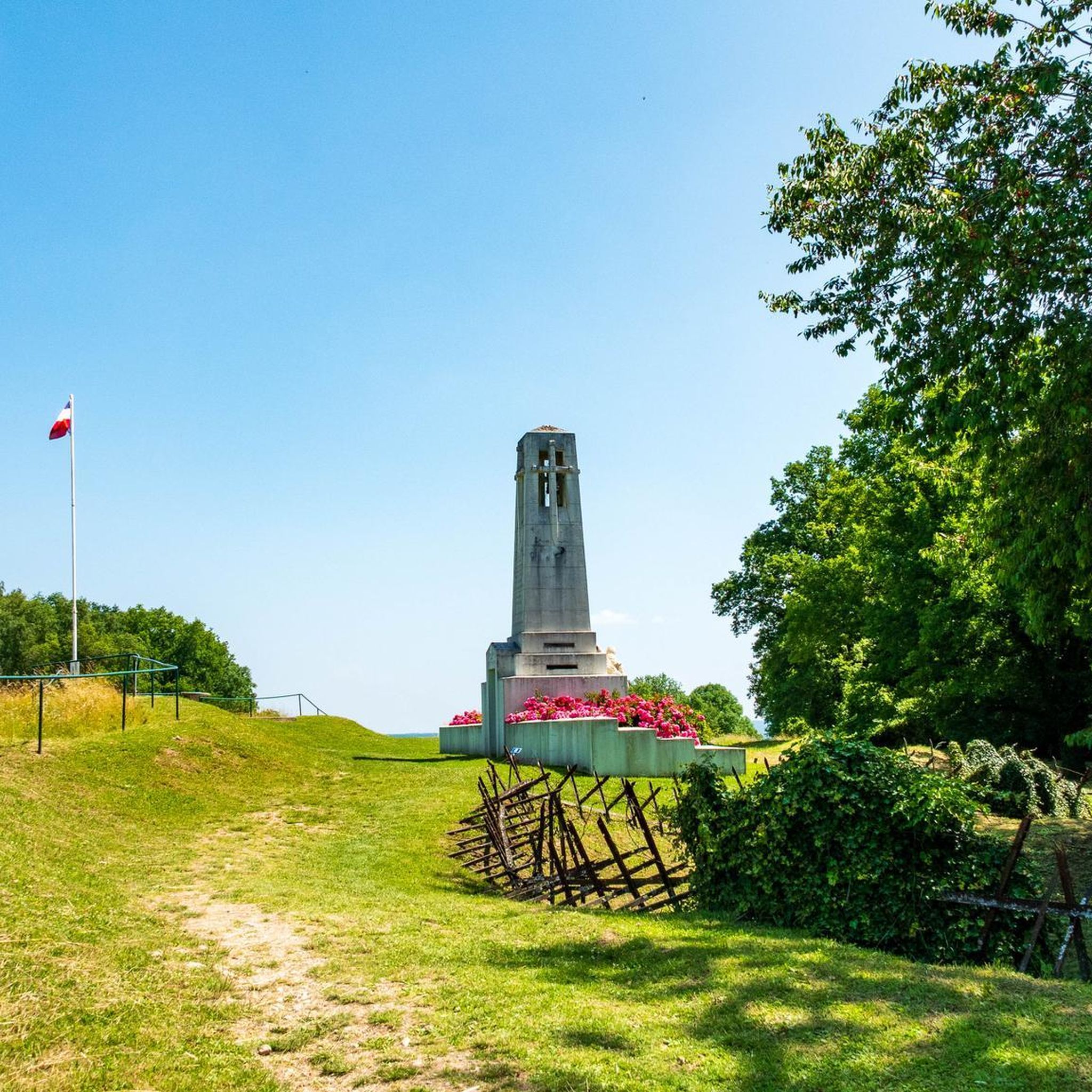
The region features several important memorials. On top of the Butte de Vauquois, you'll find the Memorial to the Combatants of Vauquois, including the Lantern Tower. There is also the impressive World War I memorial, an obelisk commemorating thousands of fallen soldiers, which includes an ossuary with remains of approximately 10,000 unknown soldiers and is a UNESCO World Heritage site. The War monument (Mémorial de Pennsylvania – Varennes-en-Argonne) honors American soldiers who helped liberate Varennes in 1918.
What kind of views can I expect around Vauquois?
The elevated position of the Butte de Vauquois provides panoramic views over the Argonne region, offering a unique perspective on the landscape. The War monument (Mémorial de Pennsylvania) also offers impressive views over the Aire Valley.
What outdoor activities can I do near these attractions?
The picturesque countryside around Vauquois is ideal for outdoor activities. You can find numerous routes for hiking, cycling, and running. For detailed options, explore the guides for hiking around Vauquois, cycling around Vauquois, and running trails around Vauquois.
Are there guided tours available for the historical sites?
Yes, for a deeper historical understanding, guided battlefield tours through the Meuse-Argonne 1918 battlefields are available. Associations like "Friends of Vauquois and its area" often lead these tours, including visits to the underground networks and the museum on the Butte de Vauquois.
What is the best time to visit Vauquois?
While specific seasonal recommendations are not provided, the outdoor nature of many historical sites and trails suggests that spring and autumn offer pleasant weather for exploration. These seasons typically avoid the extremes of summer heat or winter cold, making it comfortable for walking and touring the battlefields.
Are the attractions around Vauquois suitable for families?
The historical sites, particularly the Butte de Vauquois with its trenches and mine craters, can be a powerful educational experience for older children and teenagers interested in history. The open-air museums like the Ravin du Génie also offer an engaging way to learn about WWI. Younger children might find some sites less engaging due to the somber nature of the history.
Are dogs allowed at the Butte de Vauquois and other sites?
While specific dog policies for every site are not detailed, many outdoor historical sites in France generally permit dogs on leashes, especially in open areas. However, access to indoor museums, underground networks, or specific memorial structures might be restricted. It's advisable to check with local visitor information centers or the specific site's management for their current pet policy before visiting.
Where can I find parking when visiting the Butte de Vauquois?
Parking facilities are typically available near major historical sites like the Butte de Vauquois to accommodate visitors. Look for designated parking areas at the base of the Butte or near the entrance to the historical monument. Specific details on parking locations are usually provided on local signage or visitor information websites.
How long should I plan for a visit to the Butte de Vauquois?
To thoroughly explore the Butte de Vauquois, including its preserved trenches, bunkers, underground networks, mine craters, and the small museum, you should plan for at least 2 to 3 hours. If you opt for a guided tour, the duration might be longer, offering a more in-depth experience.
What natural features are prominent in the Vauquois area?
The most striking natural features are directly linked to the area's history: the vast mine craters on the Butte de Vauquois, some reaching up to 80 meters wide and 20 meters deep, which dramatically altered the landscape. Beyond the immediate battlefield, Vauquois is surrounded by picturesque countryside, offering opportunities for nature photography and leisurely walks.

Get inspired with the komoot mobile app


Explore more
Still not found the Highlight you’re looking for? See guides of the top attractions in other regions:
