Attractions and Places To See around Sepvigny - Top 18
Best attractions and places to see around Sepvigny, a commune in France's Meuse department, offer a blend of historical and cultural sites. This rural area is situated within the Meuse river basin, providing a setting for exploring both built heritage and the surrounding natural landscape. The region is known for its historical religious architecture, including fortified churches and chapels, and serves as a gateway to wider cultural and natural attractions in the Grand Est region.
Best attractions and places to…
Last updated: July 2, 2026
Vaucouleurs
Highlight • Settlement
Translated by Google •
Tip by

Saint Martin's Church
Highlight • Other
Translated by Google •
Tip by

Sign up now to discover places like this
Get recommendations on the best single tracks, peaks, & plenty of other exciting outdoor places.
Sign up for free
Fountain of Chalaines
Highlight • Monument
Translated by Google •
Tip by

Notre-Dame de Bermont Chapel
Highlight • Other
In the 13th century, it was attached to the Gerbonvaux hospice and …
Translated by Google •
Tip by

Porte de France of Vaucouleurs
Highlight • Historical Site
Translated by Google •
Tip by

Sign up for free to discover even more attractions around Sepvigny.
Sign up for free
Already have an account?
Start today with a free account
Your next adventure awaits.
Login or Signup


Tips from the Community

We particularly enjoyed the history of the town, situated on the Meuse River. The beautiful town hall was built in 1847/48 on the site of a monastery in the Italian Renaissance style. In front of the town hall stands the gigantic equestrian statue of Joan of Arc, revered by the French. This cast-iron monument weighs 2.5 tons. Joan is said to have conquered the city. There is also a Joan of Arc Museum in the town.
1
0

An unusual church because of its shape (round). To the left of the gate there is a water tap.
0
0

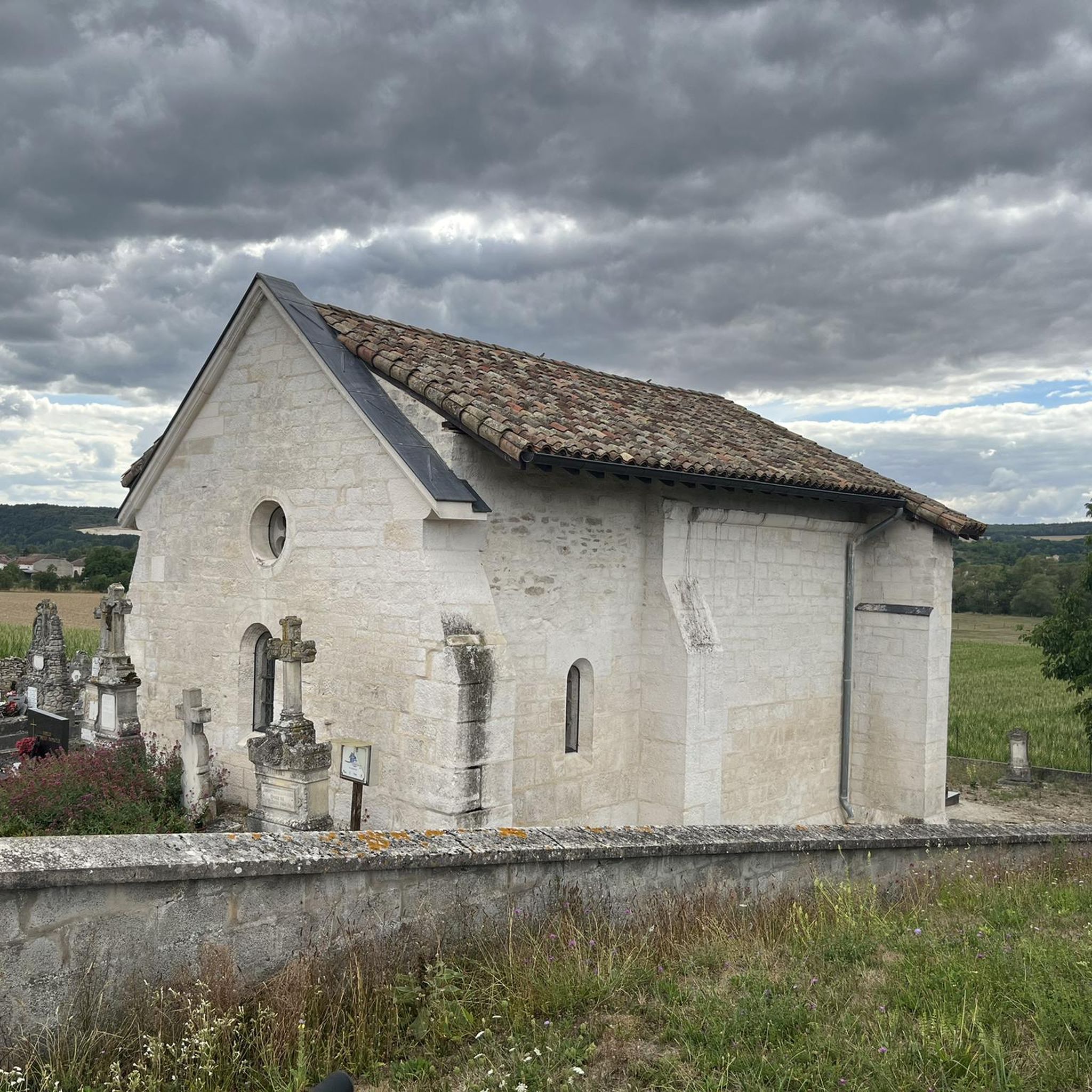
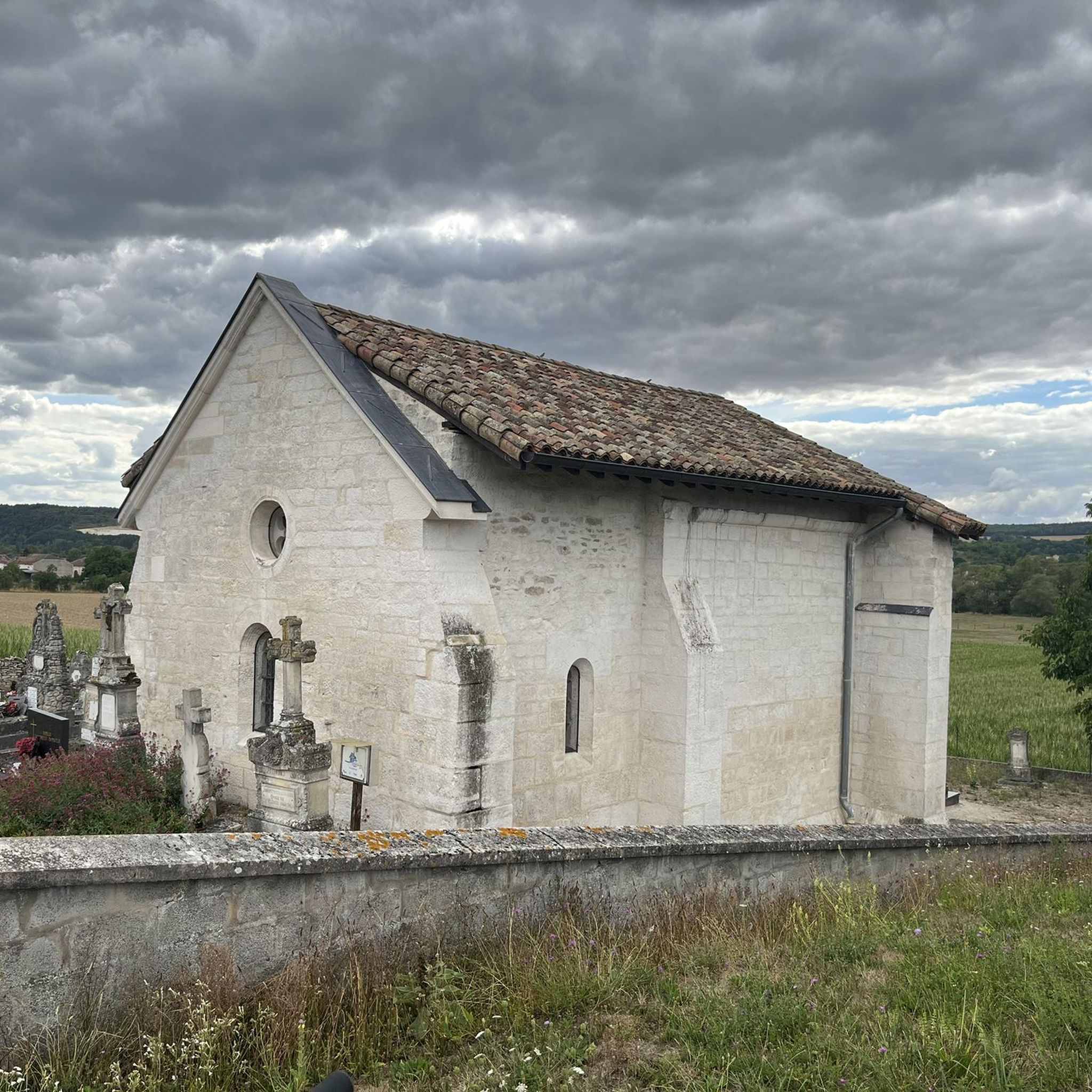
The Bermont chapel was probably founded in the 12th century by the Benedictine abbey of Bourgueil, near Angers. In the 13th century, it was attached to the Gerbonvaux hospice and served as a hermitage. According to tradition, Joan of Arc went almost every Saturday to the Notre-Dame de Bermont chapel. During the Revolution, the chapel threatened to fall into ruin and the hermits' accommodation was largely destroyed. Since 1992, the Notre-Dame de Bermont Association has been restoring the site. In 1998, wall frescoes dating from the Johannine era (15th century) were discovered in the chapel. The chapel has been included in the supplementary inventory of historical monuments "as a testimony to the Johannine epic".
3
0

Vaucouleurs plays an important role in the story of Joan of Arc. It is the place where, in 1429, Joan of Arc convinced Robert de Baudricourt, commander of the garrison, to send her with an escort to Chinon to meet the Dauphin Charles (later King Charles VII of France). . This encounter was crucial in beginning their mission to liberate France during the Hundred Years' War. In Vaucouleurs there are several historical sites linked to Joan of Arc, including the Porte de France, through which she passed on her way to Chinon, as well as a museum dedicated to her.
1
0

The Porte de France in Vaucouleurs is a medieval gate that marks the departure of Joan of Arc from the Château de Vaucouleurs in 1429. You can admire the architecture of the gate and the chapel, as well as the statue of Joan of Arc and the old lime tree that, according to legend, his horse would have nibbled. You can also explore the remains of the castle and the museum dedicated to the heroine.
3
0

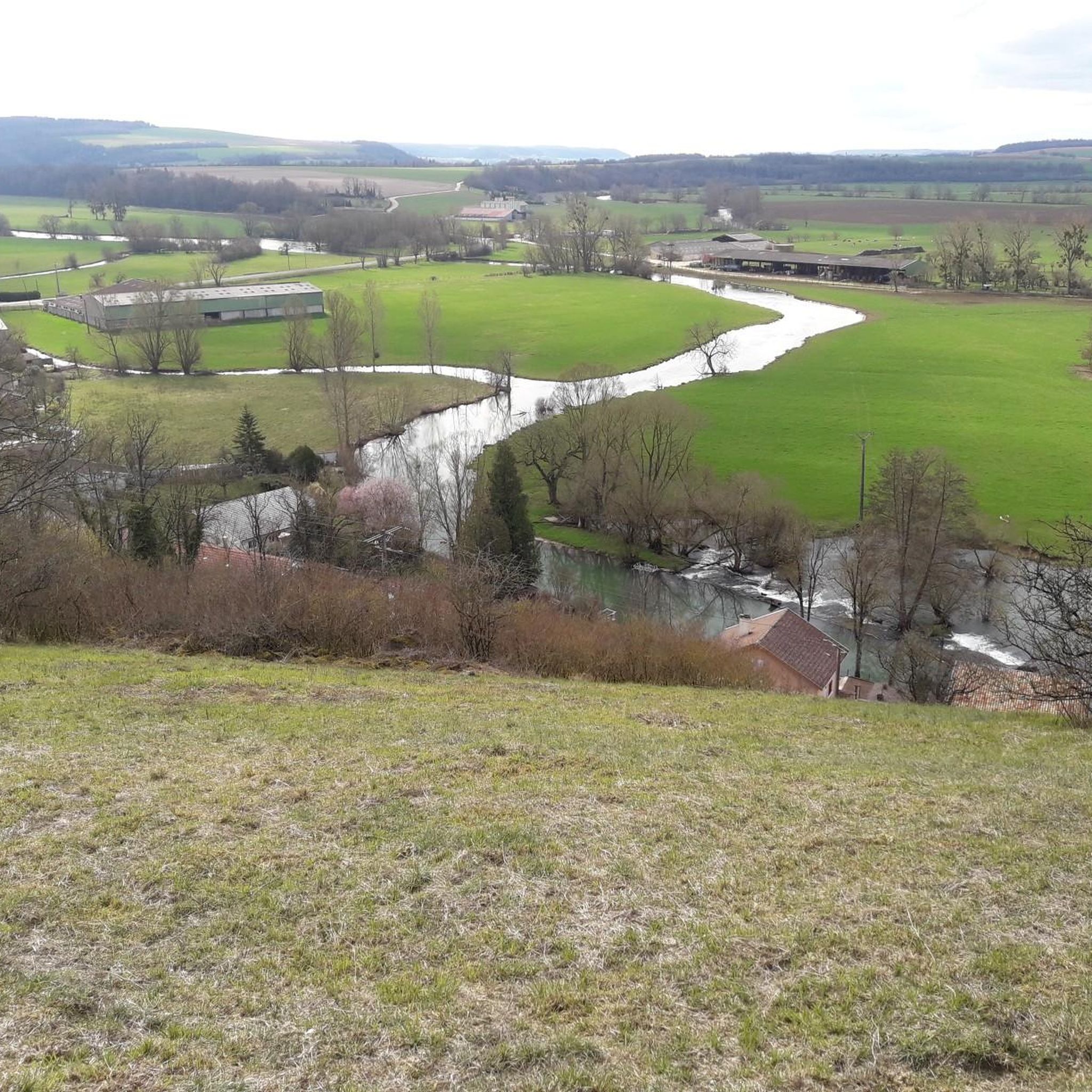
Vaucouleurs takes its name from this part of the Meuse river, called Val des Couleurs. This Joan of Arc town (dedicated to Joan of Arc) was located a few kilometers from the front during the First World War. Today, it is a charming village with many streams and beautiful forests.
2
0

Round church that must be visited. Supply of drinking water incl.
2
0

An evening walk across the bridge to the neighboring town of Vaucouleurs is also worthwhile. There is a supermarket and various restaurants.
3
0
Frequently Asked Questions
What historical religious sites can I visit directly in Sepvigny?
In Sepvigny itself, you can explore the Fortified Church of Saint-Epvre, a historical monument with Romanesque origins and defensive features from the 15th century. Additionally, the Sepvigny Chapel houses significant 16th-century mural paintings, including "Les trois morts et les trois vifs," and a polychrome stone altarpiece depicting the Last Supper.
What are some notable historical sites related to Joan of Arc near Sepvigny?
The nearby historic settlement of Vaucouleurs is closely associated with Joan of Arc, featuring a 19th-century town hall and a massive cast-iron equestrian statue of her. You can also visit the Porte de France of Vaucouleurs, the medieval gate through which Joan of Arc departed for Chinon. Further afield, the Basilica of Bois-Chenu (Basilica of Sainte Joan of Arc) in Domrémy-la-Pucelle is believed to be where she heard her voices.
What is unique about Saint Martin's Church near Sepvigny?
Saint Martin's Church in Rigny-Saint-Martin is notable for its modern stained-glass windows, which beautifully depict Saint Martin and Saint-Jacques. It's a unique religious building dedicated to Saint Martin, a popular saint.
What is the significance of the Fountain of Chalaines?
The Fountain of Chalaines marks the center of the small town of Chalaines. It is also a significant point where the Way of St. James pilgrimage route divides into paths leading towards Vezelay and Le Puy.
What kind of outdoor activities can I do around Sepvigny?
The region around Sepvigny offers diverse outdoor activities, including hiking, mountain biking, and road cycling. You can find numerous routes that explore the Meuse river basin and the surrounding landscapes. For detailed routes, explore the komoot guides for Hiking around Sepvigny, MTB Trails around Sepvigny, and Road Cycling Routes around Sepvigny.
Are there specific hiking trails recommended near Sepvigny?
Yes, there are several hiking trails. Popular options include the challenging "Au Pays de Jeanne d'Arc Trail" (approx. 28 km) and the moderate "Statue of Joan of Arc – Magnificent 600 year old lime tree loop from Vaucouleurs" (approx. 10 km). You can find more routes in the Hiking around Sepvigny guide.
What natural features define the Sepvigny region?
Sepvigny is situated within the Meuse river basin and is drained by the Meuse River itself. This European river, originating in France, flows through the region, contributing to the area's natural landscape. While specific natural attractions within Sepvigny are limited, the surrounding area offers opportunities for exploring the river's course and the rural environment.
Are there family-friendly attractions in the Sepvigny area?
The Fountain of Chalaines is considered a family-friendly spot, offering a pleasant stop in the center of the small town. Its historical significance as a point on the Way of St. James can also be an interesting talking point for families.
What do visitors enjoy most about the attractions around Sepvigny?
Visitors particularly appreciate the blend of historical and cultural sites, especially those related to Joan of Arc and the unique fortified churches. The komoot community has contributed 91 photos and 50 upvotes, highlighting the diverse experiences available, from exploring ancient religious buildings to discovering charming historic towns like Vaucouleurs.
Where can I find information about parking or public transport for attractions in Sepvigny?
Information regarding specific parking facilities or public transport options for individual attractions in Sepvigny is not extensively detailed. For general tourist information about the area, you may find resources on the local tourism office website, such as tourisme-cc-cvv.fr, which provides details on the Fortified Church of Saint-Epvre.
What is the best time to visit Sepvigny for outdoor activities?
The climate in Sepvigny is characterized by an average annual temperature of 9.6 °C and an average annual precipitation of 962 mm. While specific seasonal recommendations for outdoor activities are not provided, generally, spring and autumn offer pleasant temperatures for hiking and cycling, avoiding the potential heat of summer or colder, wetter conditions of winter.
Are there any other significant chapels or religious sites nearby?
Yes, the Notre-Dame de Bermont Chapel, located near Domrémy-la-Pucelle, is another significant religious site. It is traditionally believed that Joan of Arc visited this chapel frequently. It features wall frescoes from the 15th century and has been included in the supplementary inventory of historical monuments.

Get inspired with the komoot mobile app


Explore more
Still not found the Highlight you’re looking for? See guides of the top attractions in other regions:
