Attractions and Places To See around Maxey-Sur-Vaise - Top 20
Best attractions and places to see around Maxey-Sur-Vaise include a range of historical and natural sites. This commune in the Meuse department of France is characterized by its local history, heritage, and the Vaise river. Visitors can explore notable landmarks such as historic churches and lavoirs, alongside natural features like the river's sources. The area offers a glimpse into the region's past and its connection to figures like Joan of Arc.
Best attractions and places to see around Maxey-Sur-Vaise
- The…
Last updated: May 11, 2026
Vaucouleurs
Highlight • Settlement
Translated by Google •
Tip by

Bois-Chenu Basilica
Highlight • Monument
Translated by Google •
Tip by

Sign up now to discover places like this
Get recommendations on the best single tracks, peaks, & plenty of other exciting outdoor places.
Sign up for free
Saint Martin's Church
Highlight • Other
Translated by Google •
Tip by

Birthplace of Joan of Arc
Highlight • Historical Site
Translated by Google •
Tip by
Saint-Remy Church in Domrémy-la-Pucelle
Highlight • Religious Site
Translated by Google •
Tip by

Sign up for free to discover even more attractions around Maxey-Sur-Vaise.
Sign up for free
Already have an account?
Start today with a free account
Your next adventure awaits.
Login or Signup

Other adventures around Maxey-Sur-Vaise

Tips from the Community

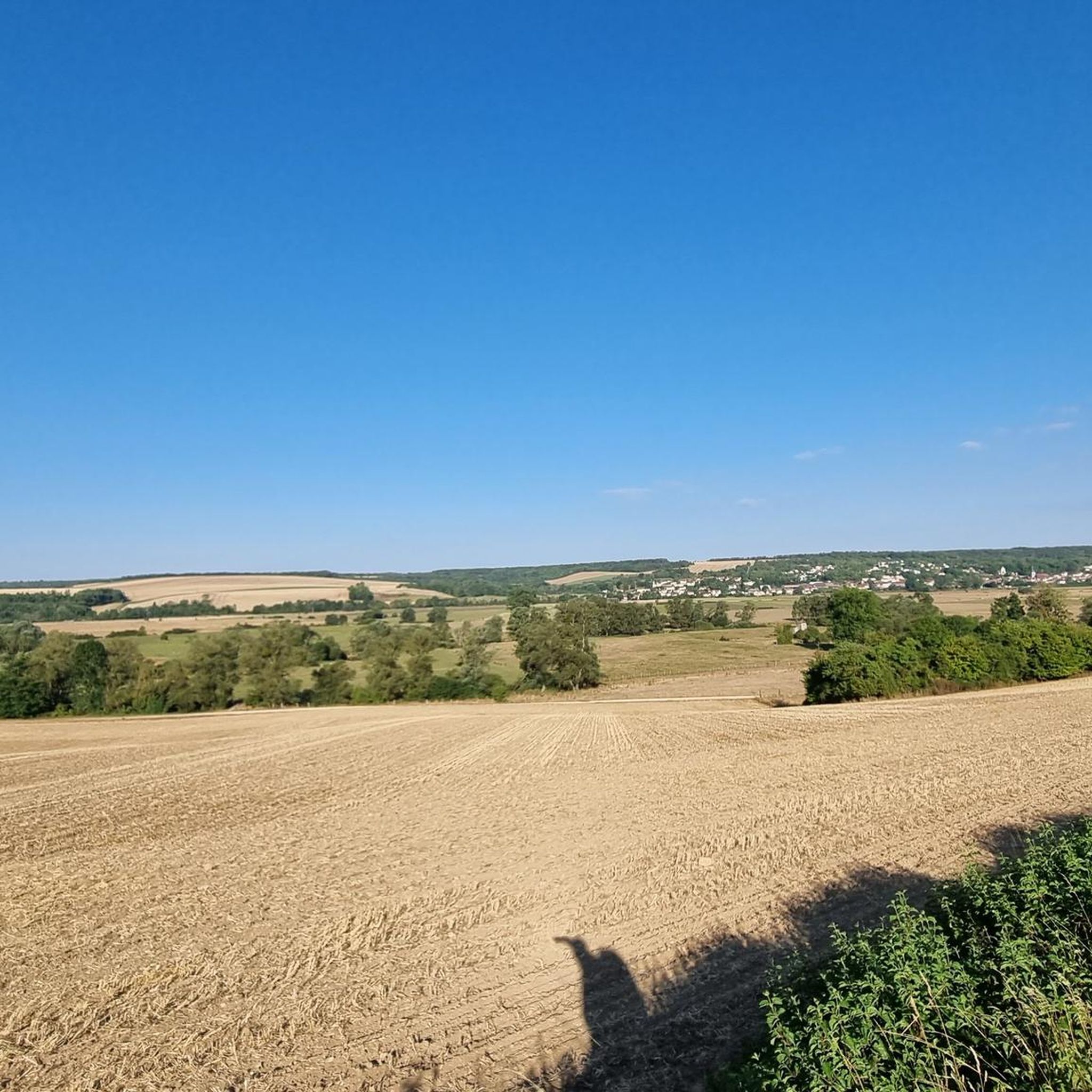
The basilica is a landmark offering sweeping views over the Meuse Valley. Inside the church, large paintings depict scenes from the life of Joan of Arc.
2
0

⚜️ The Story of Joan of Arc ⚜️ She was born in Domrémy-la-Pucelle in 1412 to a peasant family. At the age of 13, she began hearing voices telling her to save France from the English. She left her village to seek help from King Charles VII and reclaim the French throne. Joan of Arc successfully convinced King Charles VII to grant her an army. She led this army to several victories against the English, including the liberation of Orléans in 1429. This victory marked a turning point in the Hundred Years' War and led to the defeat of the English. Joan of Arc was captured by the English in 1430. She was tried and burned at the stake in 1431 in Rouen. However, her popularity continued to grow after her death. She was canonized by the Catholic Church in 1920.
2
0

The Basilica of Bois-Chenu (Roman Catholic) is a gigantic monument in Domremy-La-Pucelle. It is also called the Basilica of Sainte Joan of Arc. It is located about 11 km from Neufchâteau on an idyllic hill in the Vosges Mountains. From this wooded hill, you can enjoy a magnificent view of the Meuse Valley, surrounded by numerous blooming orchids. The birthplace of France's national heroine is also nearby. The massive basilica was built from pink granite from the Vosges Mountains! Bronzes of Joan of Arc and her family stand in the forecourt of the basilica.
1
0
In this town, you'll visit the birthplace of the French heroine Joan of Arc. This simple house is adorned with a beautiful small garden and a statue of the Maid of Orleans. Opposite is the church with Joan's baptismal font. An interesting historical museum can also be visited. A contemporary historical event on our Meuse bike tour
2
0
We particularly enjoyed the history of the town, situated on the Meuse River. The beautiful town hall was built in 1847/48 on the site of a monastery in the Italian Renaissance style. In front of the town hall stands the gigantic equestrian statue of Joan of Arc, revered by the French. This cast-iron monument weighs 2.5 tons. Joan is said to have conquered the city. There is also a Joan of Arc Museum in the town.
1
0

The gate is open from 9am to 6pm and there is no admission charge
0
0

Joan of Arc's birthplace dates back to the 15th century and is now a listed building. Right next door is the new "Faces of Joan" presentation center, redesigned in 2020. Here, you can experience a detailed tour that paints a comprehensive picture of Joan—from her childhood in Domrémy to current adaptations of her story.
1
0

The Basilica of Saint Joan of Arc was built in the 19th century in the immediate vicinity of the place where Joan is said to have heard her voices. Overlooking the valley, the building offers a breathtaking view of the meanders of the Meuse.
2
0
Frequently Asked Questions
What historical sites can I explore in Maxey-sur-Vaise?
Maxey-sur-Vaise is rich in history. You can visit the Église Saint-Pierre, an early 19th-century church with a distinctive basket-handle ceiling. Don't miss the two historic Lavoirs, especially the one near the Vaise river springs with its ingenious movable wooden floors. The Old Cemetery, one of the oldest in the department, features fascinating 17th to 19th-century funerary art. Additionally, you'll find the Chapelle Notre-Dame-de-Grâce and several Chemin Crosses dating from the 16th to 18th centuries. For more details on the lavoir, you can visit tourisme-cc-cvv.fr.
Are there any natural attractions or features in Maxey-sur-Vaise?
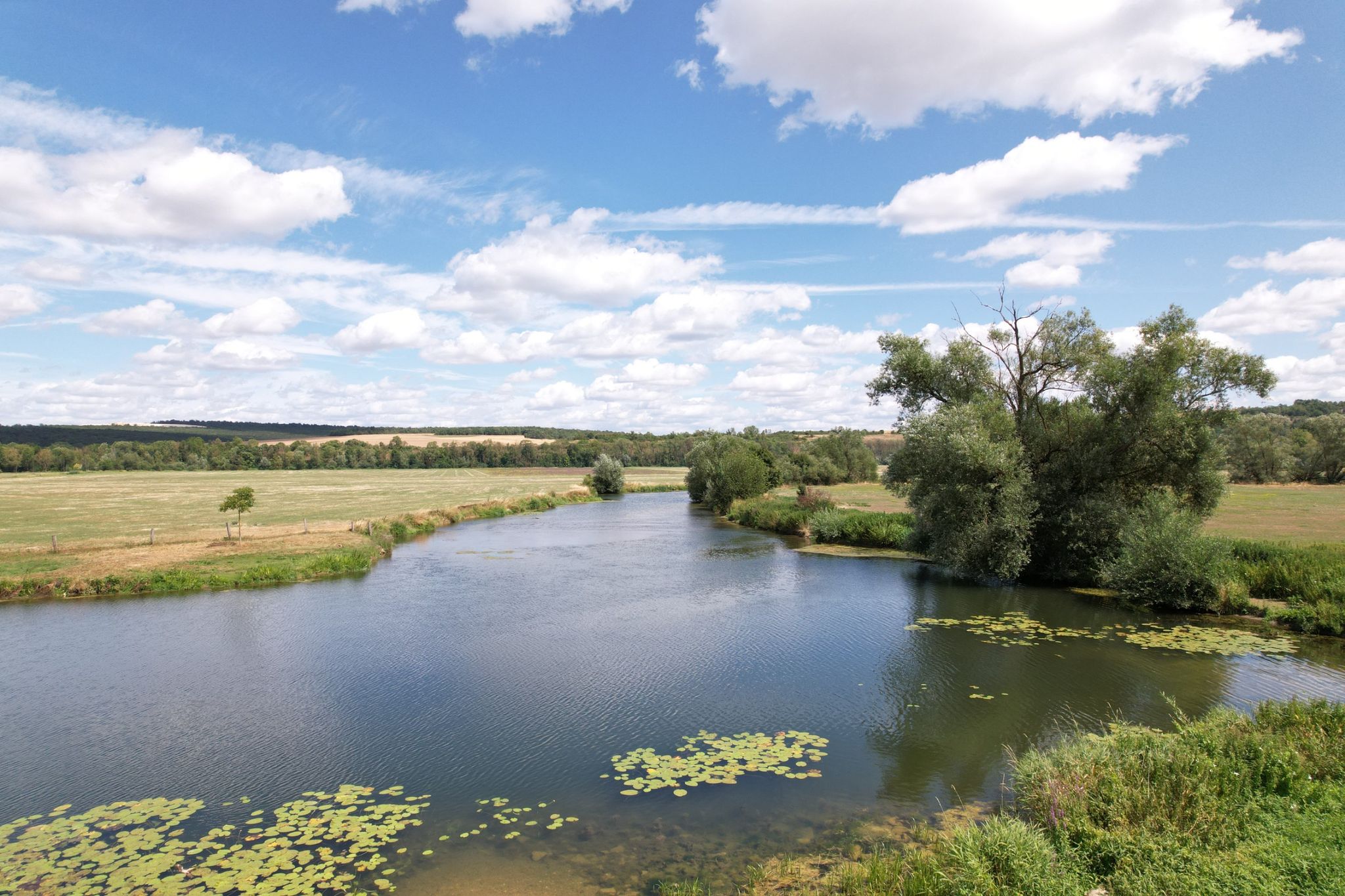
Yes, the village is traversed by the Vaise River, known for its trout population. The river originates within the village, and its sources, along with the nearby historic lavoir, are considered a natural point of interest. Maxey-sur-Vaise is also nestled at the foot of a wooded hill, offering a picturesque setting.
What attractions related to Joan of Arc are near Maxey-sur-Vaise?
The region has strong ties to Joan of Arc. You can visit the Bois-Chenu Basilica, built near where Joan of Arc reportedly heard her voices, offering breathtaking views of the Meuse Valley. Also, explore the Birthplace of Joan of Arc in Domrémy-la-Pucelle, a 15th-century house with an adjacent museum. The Saint-Remy Church in Domrémy-la-Pucelle is where Joan of Arc was baptized and features beautiful stained glass windows dedicated to her.
What outdoor activities can I do near Maxey-sur-Vaise?
The area around Maxey-sur-Vaise offers various outdoor activities. You can find numerous hiking trails, including the challenging 'Au Pays de Jeanne d'Arc Trail' or the moderate 'Joan of Arc Monuments – Birthplace of Joan of Arc loop from Domrémy-la-Pucelle'. For more options, check out the hiking guide for Maxey-sur-Vaise. Mountain biking and road cycling routes are also available, such as the 'Vaucouleurs – Fountain of Chalaines loop' for MTB or longer road cycling tours like the 'Basilica of Saint Joan of Arc – Birthplace of Joan of Arc loop'. Explore these and more in the MTB trails guide and road cycling routes guide.
Are there any family-friendly attractions in the area?
Yes, several attractions are suitable for families. The Bois-Chenu Basilica, the Birthplace of Joan of Arc, and the Saint-Remy Church in Domrémy-la-Pucelle are all categorized as family-friendly. These sites offer historical insights and engaging experiences for all ages, particularly for those interested in the story of Joan of Arc.
What is Vaucouleurs known for?
Vaucouleurs is a settlement with significant historical importance, especially concerning Joan of Arc. It features a beautiful town hall built in the Italian Renaissance style and a gigantic equestrian statue of Joan of Arc. The town's history and its connection to Joan of Arc's early mission make it a compelling visit.
Are there any unique religious buildings to visit?
Beyond the Église Saint-Pierre in Maxey-sur-Vaise, you can visit the Saint Martin's Church. This unique round church is dedicated to Saint Martin and features remarkable stained glass windows, including one depicting Saint Martin and another with Saint-Jacques.
What are some lesser-known historical gems in Maxey-sur-Vaise?
While not always highlighted, the Old Cemetery on the hillside, with its 17th to 19th-century funerary art and oldest stele from 1645, offers a unique glimpse into local heritage. The restored Lavoirs, particularly the one with movable wooden floors, showcase ingenious 19th-century engineering and public hygiene efforts. Additionally, substructures from the Gallo-Roman period have been found at a place called Maizières, indicating ancient roots.
What do visitors enjoy most about the attractions around Maxey-sur-Vaise?
Visitors particularly appreciate the rich historical context and the picturesque natural settings. The Joan of Arc related sites, such as the Bois-Chenu Basilica and the Birthplace of Joan of Arc, are highly valued for their historical depth and educational value. The beautiful Gothic style of the Saint-Remy Church and the charming historical atmosphere of Vaucouleurs also receive high praise.
Can I visit the châteaux in Maxey-sur-Vaise?
Maxey-sur-Vaise has two châteaux: the Château Haut (Upper Castle), dating back to the 14th century, and the Château Bas (Lower Castle), a fortified house from the late 16th century. While historically significant, including a reported stop by Joan of Arc at Château Haut, both are private properties and are not open for public visits.
Where can I find more information about Maxey-sur-Vaise's heritage?
For more information on the local heritage, you can consult resources from the regional tourism office. For example, details on the Église Saint-Pierre are available at tourisme-cc-cvv.fr, and information on the lavoir at tourisme-cc-cvv.fr. General information about the village's monuments can also be found at tourisme-cc-cvv.fr.

Get inspired with the komoot mobile app


Explore more
Still not found the Highlight you’re looking for? See guides of the top attractions in other regions:
