Top 4 Castles around Iré-Le-Sec
Best castles around Iré-Le-Sec are located within the surrounding Meuse department in France. This region features a variety of historically significant and architecturally diverse châteaux and fortified sites. These structures range from medieval fortresses to Renaissance palaces and 19th-century estates. The area offers insights into centuries of history and defensive architecture.
Best castles around Iré-Le-Sec
- The most popular castles is Citadel of Montmédy, a settlement that was significantly enhanced by Charles V and Vauban. This site includes a Fortress Museum and an art gallery.
- Another must-see spot is Ruins of Montquintin Castle, an ancient feudal castle. These ruins overlook the Ton valley and are part of an ongoing restoration program.
- Visitors also love Château de Louppy-sur-Loison and Church of Louppy-sur-Loison, a notable example of Renaissance style in the Lorraine region. The village is known for its castle and Gothic-style church.
- Iré-Le-Sec is known for medieval fortresses, Renaissance palaces, and 19th-century estates. The region offers a variety of castles to explore, showcasing different architectural styles and historical periods.
- The castles around Iré-Le-Sec are appreciated by the komoot community, with more than 90 upvotes and over 110 photos.
Last updated: July 1, 2026
Citadel of Montmédy
Highlight • Settlement
The village itself within the walls is also very nice, although it is still being restored. A large number of houses are still badly damaged.
Translated by Google •
Tip by

Ruins of Montquintin Castle
Highlight • Castle
Translated by Google •
Tip by

Sign up now to discover places like this
Get recommendations on the best single tracks, peaks, & plenty of other exciting outdoor places.
Sign up for free
Beautiful castle, church and ancient fortifications
Highlight • Castle
Louppy-sur-Loison Castle: This is one of the largest Renaissance castles in Lorraine. It was built in the 16th century by the De Louppy family, who had ties to the Dukes of Lorraine. The castle has a beautiful facade, a courtyard, a chapel and a park. You can visit the castle by appointment or during special events.
The Church of Saint-Martin: This church dates from the 12th century and has a Gothic style. It has a remarkable portal, a bell tower and an organ. Inside you can admire frescoes, statues and stained glass windows.
The Old Mill: This is an old water mill that was formerly used to grind grain. It is located on the banks of the Loison and has a wooden wheel. It is now a private residence, but you can still see it from the outside.
Translated by Google •
Tip by
Château de Louppy-sur-Loison and Church of Louppy-sur-Loison
Highlight • Castle
Translated by Google •
Tip by

Château de la Grande Flassigny
Highlight • Castle
Translated by Google •
Tip by

Start today with a free account
Your next adventure awaits.
Login or Signup
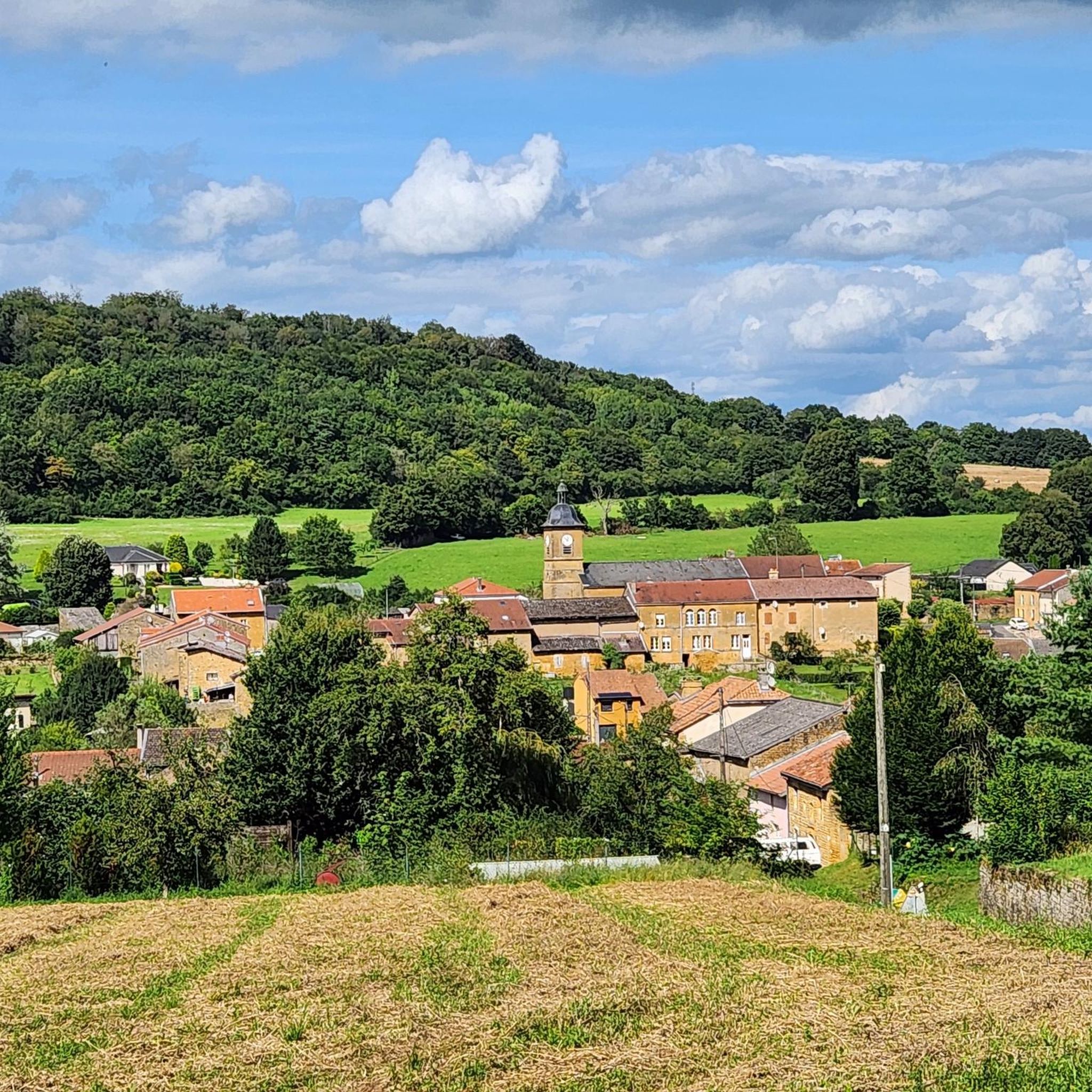
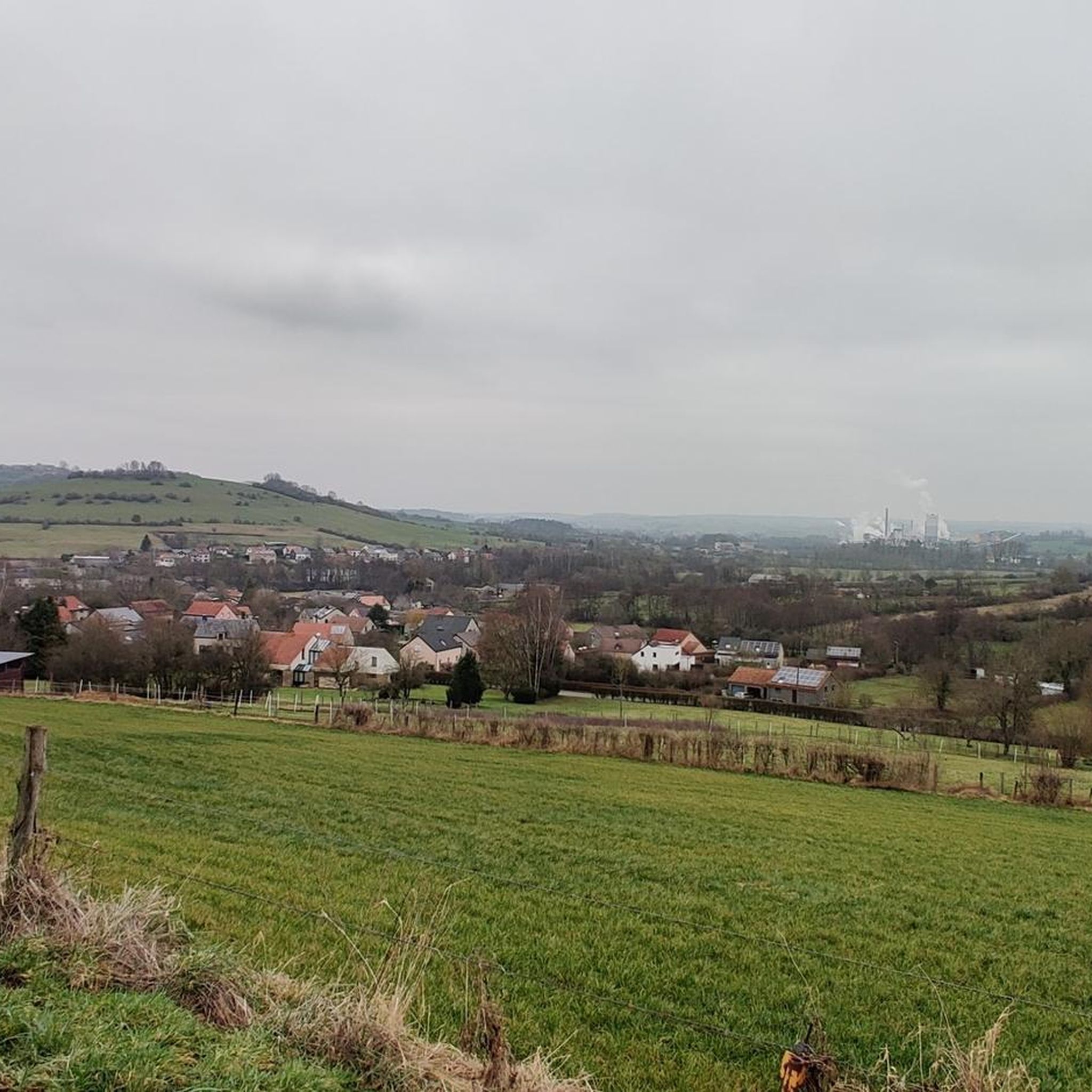
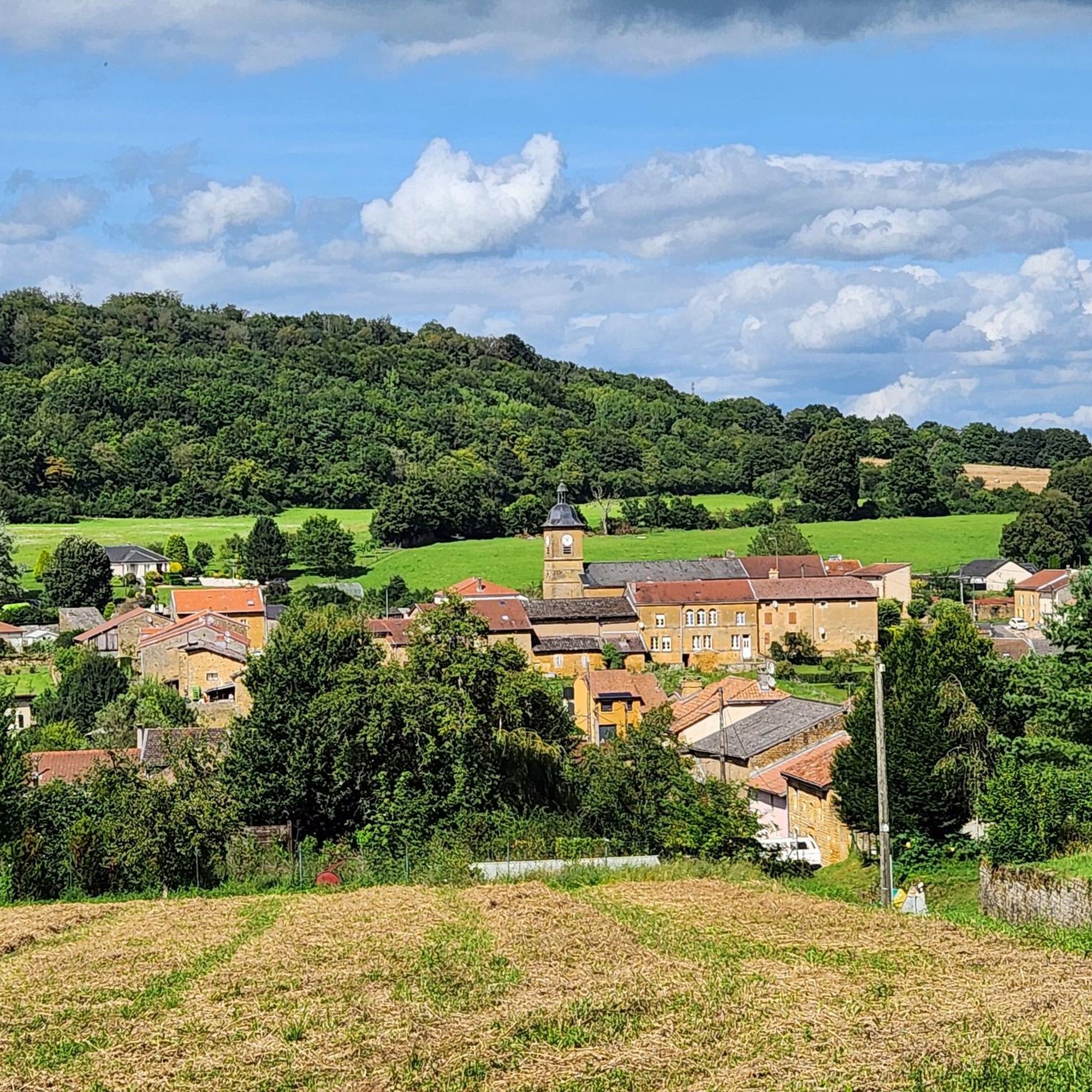
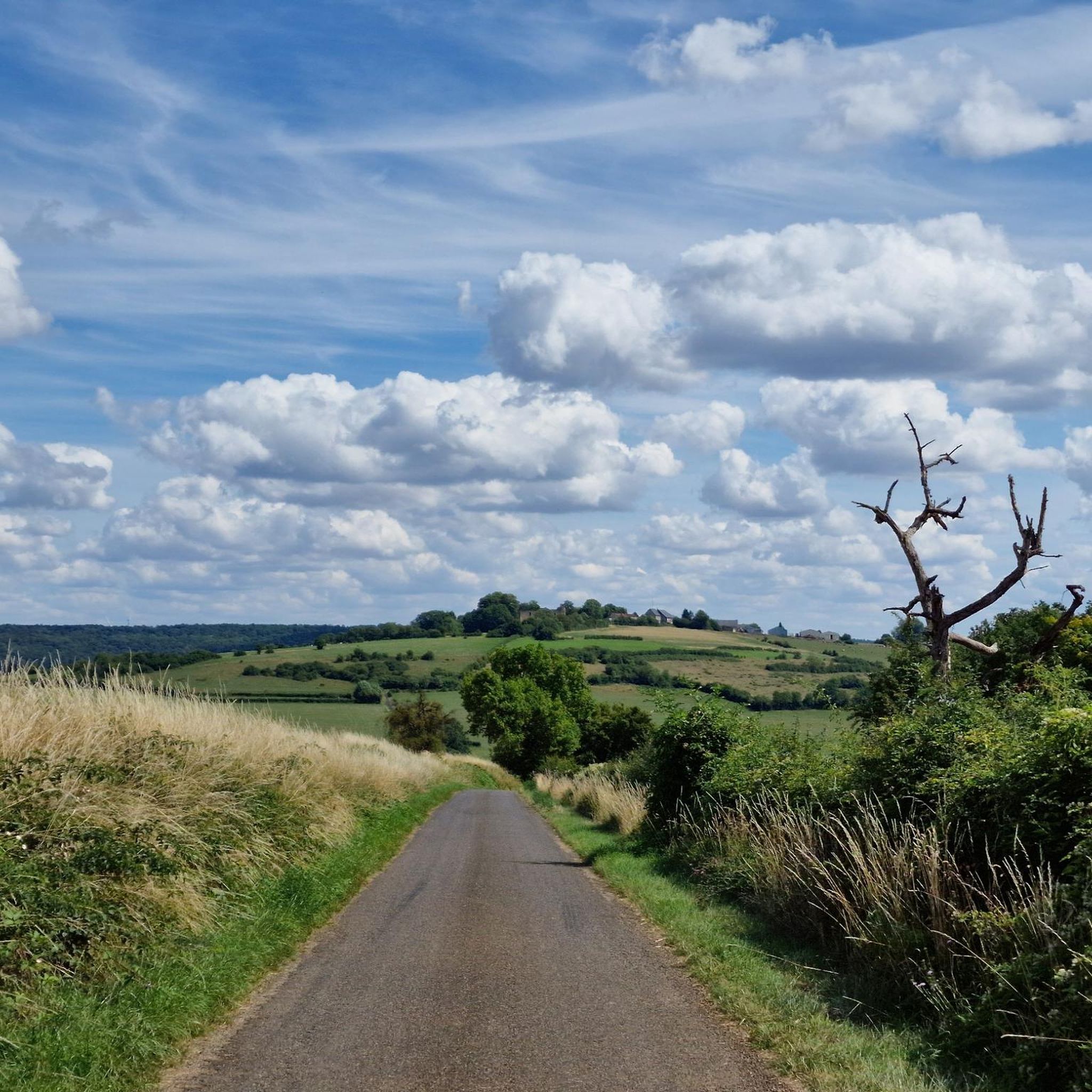

Tips from the Community

You can walk all the way around the ramparts. We found it unique and impressive. The museum was also interesting.
0
0

Magnificent citadel to visit absolutely!
0
0

The remains of Montquintin Castle stand on a ridge overlooking the Ton valley. The once feudal castle was built on the orders of Louis II, Count of Chiny. After a turbulent history, the castle fell victim to a fire in 1869. Since then, it has stood as a ruin high above the Ton river valley.
0
0

The ruins of this ancient feudal castle are impressive. They dominate the Ton valley and are currently the subject of a program of archaeological excavations.
0
0
This ancient feudal castle is now a ruin, but it has retained its undeniable charm. Located on a hill overlooking the Ton valley, it is the subject of a restoration program and archaeological excavations.
0
0

The Château de la Grande Flassigny is a fortified house built in 1572. This impressive building boasts a rich history and architecture, with original features such as wooden ceilings, stone fireplaces, and a conical roof. You can explore the surrounding area of the castle, which is part of the rural village of Flassigny, and enjoy the views of rolling fields and forests.
3
0

Louppy-sur-Loison is a small village in the Meuse, in the Grand Est region. It has a number of interesting sights that you can visit, such as: Louppy-sur-Loison Castle: This is one of the largest Renaissance castles in Lorraine. It was built in the 16th century by the De Louppy family, who had ties to the Dukes of Lorraine. The castle has a beautiful facade, a courtyard, a chapel and a park. You can visit the castle by appointment or during special events. The Church of Saint-Martin: This church dates from the 12th century and has a Gothic style. It has a remarkable portal, a bell tower and an organ. Inside you can admire frescoes, statues and stained glass windows. The Old Mill: This is an old water mill that was formerly used to grind grain. It is located on the banks of the Loison and has a wooden wheel. It is now a private residence, but you can still see it from the outside.
7
0

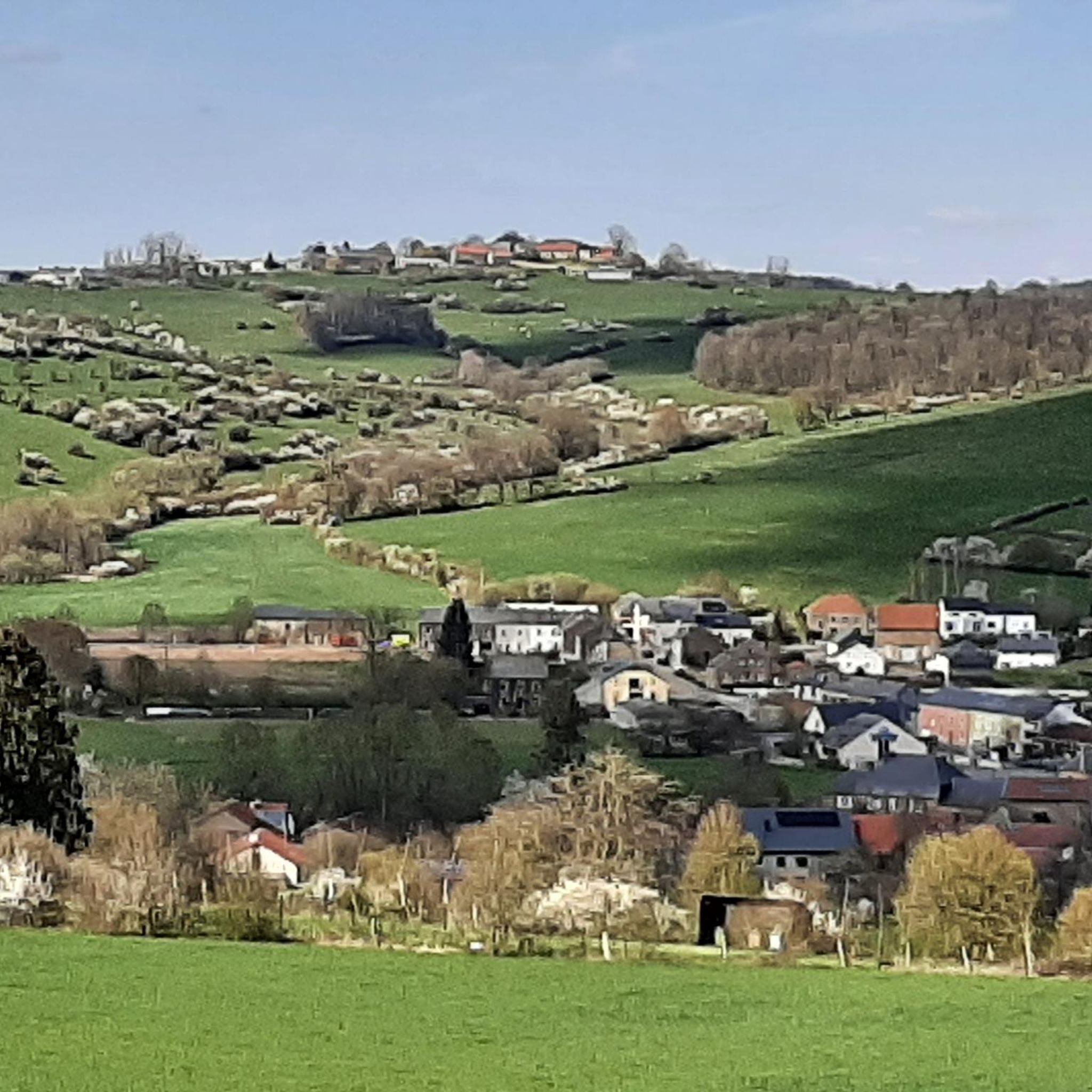
Municipality located in the Meuse department and crossed by the Loison. The village is known for its castle, the Château de Louppy-sur-Loison: one of the most surprising examples of the Renaissance style in the Lorraine region.
0
0
Frequently Asked Questions
Which castles offer the most comprehensive historical experience around Iré-Le-Sec?
For a deep dive into military history and fortifications, the Citadel of Montmédy is highly recommended. It showcases medieval origins, enhancements by Charles V and Vauban, and houses a Fortress Museum. The Verdun Citadel offers a unique, immersive experience into World War I history with its extensive underground galleries and augmented reality tours. For Renaissance architecture and earlier feudal remains, explore the Château de Louppy-sur-Loison.
Are there any medieval castles or ruins to explore near Iré-Le-Sec?
Yes, several sites offer a glimpse into medieval times. The Ruins of Montquintin Castle, though in ruins, retain their charm and are undergoing archaeological excavations. The Château de Gombervaux is a 14th-century feudal castle with a keep-porch and moats, actively being restored. The Citadel of Montmédy also has medieval origins before its later fortifications.
Are there family-friendly castles to visit around Iré-Le-Sec?
The Citadel of Montmédy is listed as family-friendly and offers rampart walks and museums that can engage children. The Verdun Citadel provides an immersive augmented reality experience that can be very engaging for older children and teenagers interested in history. Exploring the grounds and exteriors of many castles, like Château de Thillombois or Château de Louppy-sur-Loison, can also be a pleasant family outing.
Can I combine a castle visit with outdoor activities like hiking or cycling?
Absolutely! Many castles are situated in scenic areas perfect for outdoor activities. For instance, you can find hiking routes like the 'Château de la Grande Flassigny loop from Villécloye' near the Château de la Grande Flassigny. For more options, explore the hiking routes around Iré-Le-Sec or consider road cycling and traffic-free bike rides that pass by various historical sites.
What are some lesser-known or 'hidden gem' castles in the Meuse department?
Beyond the major sites, consider the Château de Gombervaux, a 14th-century feudal castle with moats, managed by an association for restoration, offering guided tours in summer. The Château de Thillombois, originally medieval and remodeled in the 19th century, hosts cultural events and has an accessible park. The Château de Marbeaumont, a stunning early 20th-century eclectic mansion, now houses a media library and boasts an English-style park.
What is the best time of year to visit castles in the Meuse region?
Spring and autumn generally offer pleasant weather for exploring castles and their grounds, with fewer crowds than peak summer. The foliage in autumn can be particularly beautiful. Summer provides longer daylight hours and more frequent guided tours or events at some sites. Winter visits are possible, but some attractions might have reduced hours or be closed, so it's best to check individual castle websites.
Are any castles around Iré-Le-Sec wheelchair accessible?
Accessibility varies greatly between historical sites. Modernized sections or visitor centers might be accessible, but older fortifications, ramparts, and multi-story castles often present challenges due to stairs, uneven terrain, or narrow passages. It is highly recommended to check the specific accessibility information on the official website of each castle you plan to visit before your trip.
Which castles provide the best panoramic views?
The Citadel of Montmédy offers excellent panoramic views from its ramparts over the surrounding countryside. Similarly, the Ruins of Montquintin Castle, perched on a hill overlooking the Ton valley, provide impressive vistas. The Château d'Hattonchâtel, reconstructed in Neo-Renaissance style, also boasts breathtaking views over the Woëvre plain.
How much time should I allocate for visiting a castle?
The time needed can vary significantly. For a site like the Verdun Citadel, with its immersive tour, you might spend 1.5 to 2 hours. A comprehensive visit to the Citadel of Montmédy, including its museums and ramparts, could take 2-3 hours. For smaller châteaux or ruins where you primarily explore the exterior and grounds, 1-2 hours might suffice. Always check the specific castle's recommendations.
Are there castles that also offer accommodation or dining?
Yes, some historical châteaux have been converted into hotels or offer dining experiences. The Château des Monthairons operates as a family-run hotel with a gastronomic restaurant and spa, providing a peaceful retreat. The Château d'Hattonchâtel is also a charming hotel, wedding, and conference center, offering guided tours of its gardens and some rooms.
Do I need to book tickets or get permits in advance for castle visits?
For popular attractions like the Verdun Citadel, especially during peak season, booking tickets in advance is highly recommended to secure your spot and avoid queues. For other sites, particularly those with guided tours or specific opening hours, it's always best to check their official websites for current booking requirements and whether permits are needed for special access. Many exteriors and parks are freely accessible.
Which castles are significant for their role in World War I?
The Verdun Citadel is paramount for its role in World War I, serving as an underground city and a crucial site during the Battle of Verdun. The Château des Monthairons also has a connection, having served as a hospital during WWI, and its library contains historical documentation from that period. The Château d'Hattonchâtel was heavily damaged during WWI before its reconstruction.
Most popular routes around Iré-Le-Sec
Most popular attractions around Iré-Le-Sec

Get inspired with the komoot mobile app


Explore more
Looking for the best castles somewhere else? Discover other guides around Iré-Le-Sec:
