Attractions and Places To See around Villécloye - Top 20
Best attractions and places to see around Villécloye include a mix of historical sites and natural landscapes. This village in the Meuse department of France is characterized by a hilly landscape, with much of the elevation utilized for agriculture. Its origins trace back to Gallo-Roman times, with archaeological discoveries hinting at a long history. The area also features ecologically important natural areas like the Pelouse Calcaire and a conservatory orchard, offering a diverse Villécloye tourism guide.
Best attractions and places…
Last updated: July 7, 2026
Torgny Village
Highlight • Settlement
Translated by Google •
Tip by

Basilica of Our Lady of Avioth
Highlight • Religious Site
Translated by Google •
Tip by

Sign up now to discover places like this
Get recommendations on the best single tracks, peaks, & plenty of other exciting outdoor places.
Sign up for free
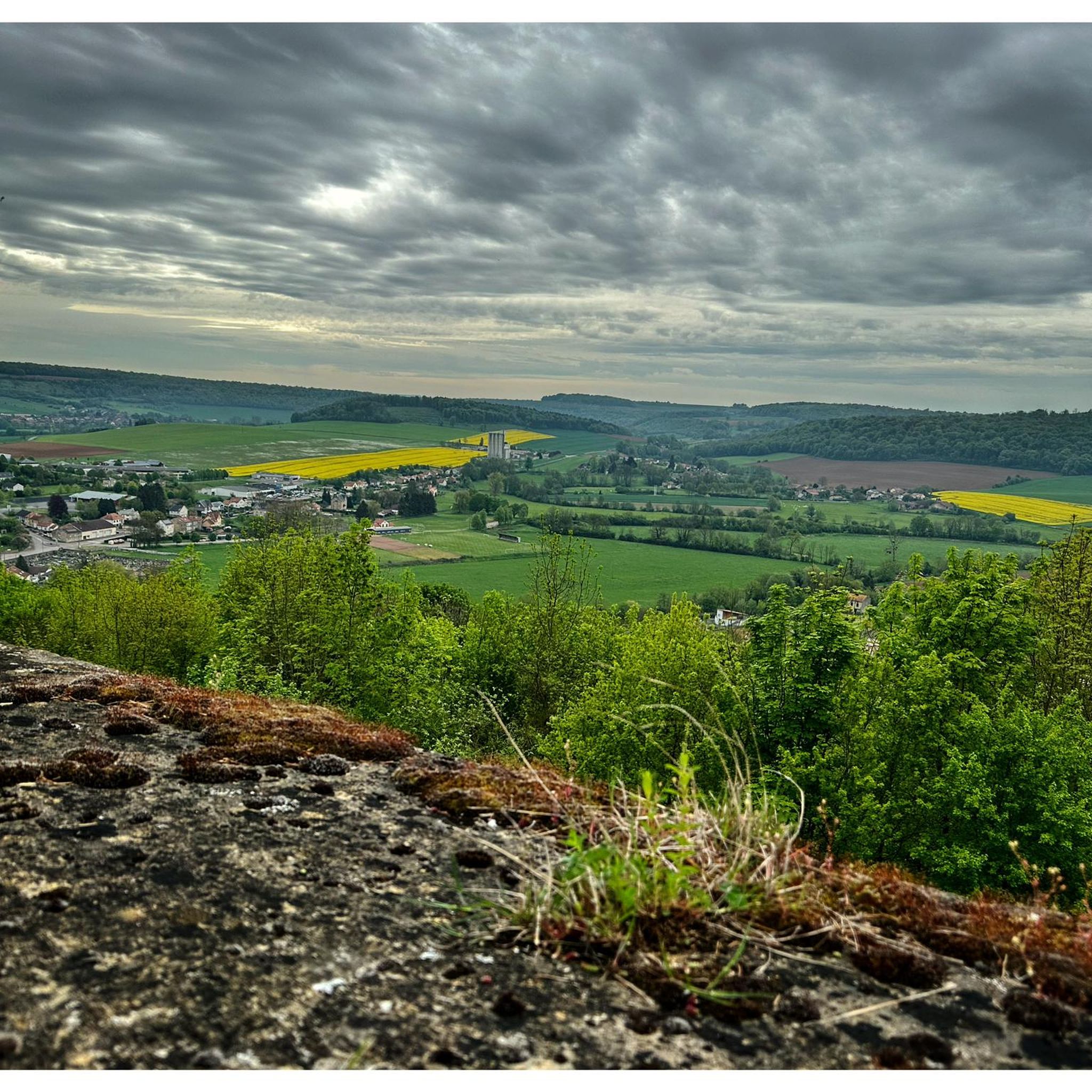
Citadel of Montmédy
Highlight • Settlement
Translated by Google •
Tip by

Ruins of Montquintin Castle
Highlight • Castle
Translated by Google •
Tip by

Naisse Mill
Highlight • Historical Site
Translated by Google •
Tip by

Sign up for free to discover even more attractions around Villécloye.
Sign up for free
Already have an account?
Start today with a free account
Your next adventure awaits.
Login or Signup

Tips from the Community

You can walk all the way around the ramparts. We found it unique and impressive. The museum was also interesting.
0
0

In 1577, Henri le Clercq built a powder mill on the banks of the Ton in the lower town of Virton, which became a sawmill a hundred years later. In 1797, the buildings were redeveloped by the new owners, a fact clearly reflected in the first land registry of the town of Virton, dated 1850. In 1875, the sawmill was converted into a bark mill and tannery. In 1928, these buildings were purchased by Jean Naisse. He modernized the equipment to operate a sawmill that remained in operation until 1970. The small building to the east has preserved its mill and waterwheel from the early 19th century. The large western building houses the old tannery. It is recognizable by the nine rectangular openings that were necessary for drying the hides. In 1930, a traditional living area of the same size was added to form the current building. All buildings and the surrounding area have been listed as historic monuments since November 9, 1990. (Information board on site)
12
0

Built in the 14th century, the Avioth Basilica is distinguished by its rich Gothic-style decorations. It is also called the Cathedral of the Fields because of its natural setting.
0
0

Magnificent citadel to visit absolutely!
0
0

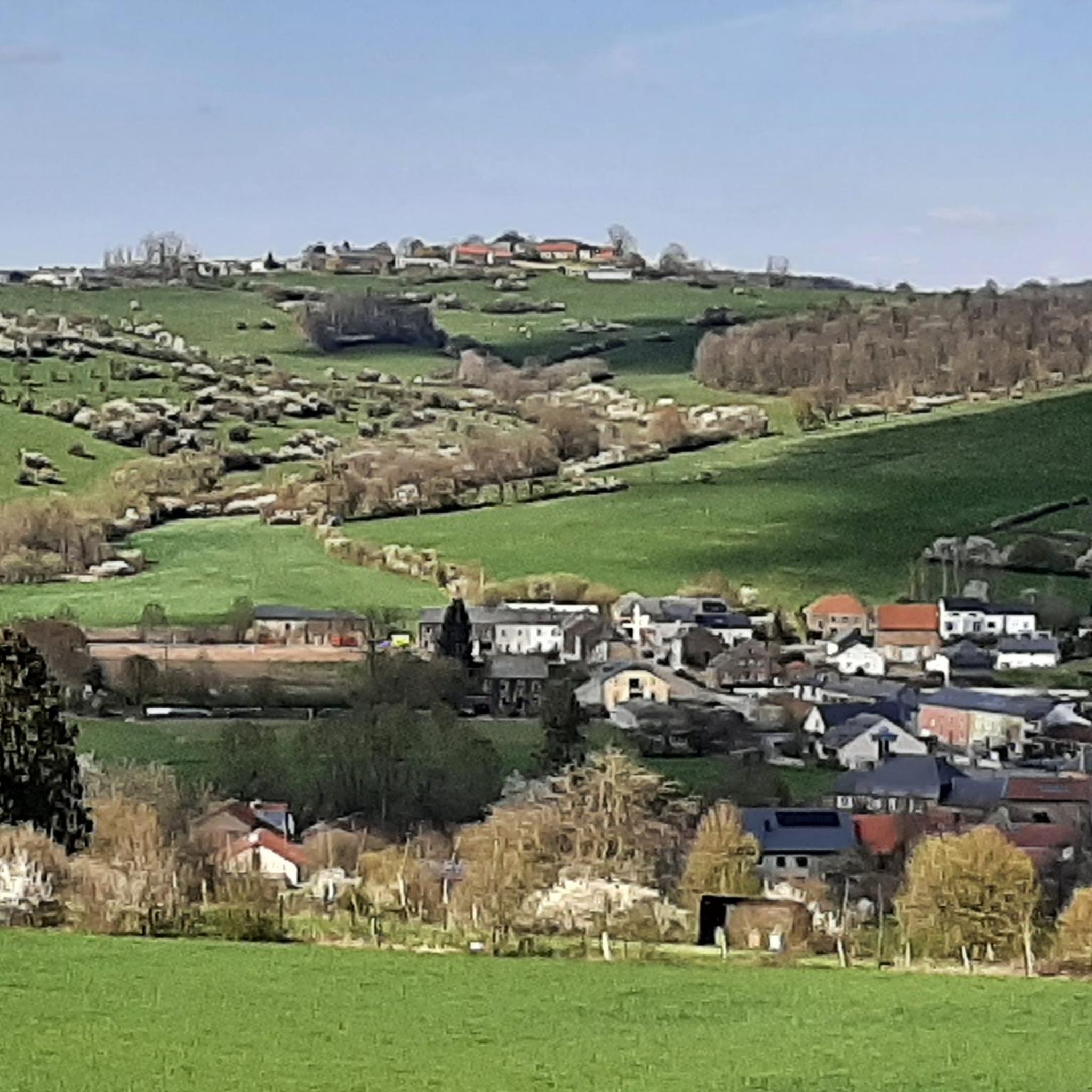
On the edge of a wooded massif, where the climate is favorable for growing wine, lies Torgny, Belgium's southernmost village. The houses here, built of yellow sandstone with Roman roof tiles, are striking, lending a Mediterranean flair. A truly beautiful sight. No wonder this place is considered one of the most beautiful villages in Wallonia.
1
0
The remains of Montquintin Castle stand on a ridge overlooking the Ton valley. The once feudal castle was built on the orders of Louis II, Count of Chiny. After a turbulent history, the castle fell victim to a fire in 1869. Since then, it has stood as a ruin high above the Ton river valley.
0
0
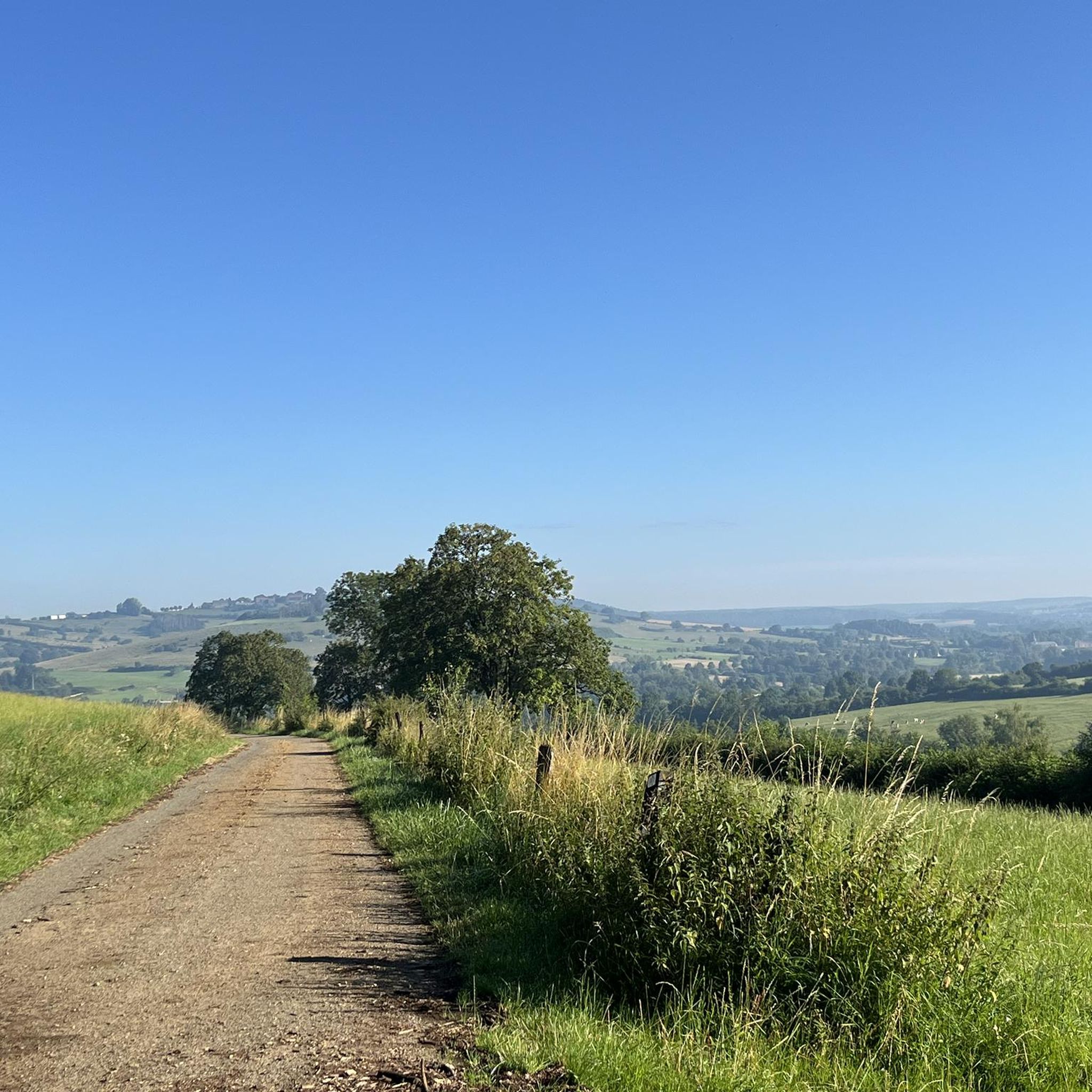
PLEASE NOTE: on this - beautiful - circuit, after the village of Alondrelle, the path as mentioned on this circuit has become impassable between the meadows. If you go further, from the entrance to the woods towards Torgny, the path is not very suitable for vehicles or even almost impassable by bike if it has rained a lot! A mountain bike is essential!
0
0

The ruins of this ancient feudal castle are impressive. They dominate the Ton valley and are currently the subject of a program of archaeological excavations.
0
0
Frequently Asked Questions
What historical sites can I explore in and around Villécloye?
Villécloye boasts Gallo-Roman origins, with archaeological discoveries of construction debris, pottery fragments, and Roman coins. A significant historical site within the village is Citadel of Montmédy, a fortress with a rich military history improved by Vauban. You can also visit the Basilica of Our Lady of Avioth, a grand Gothic religious building from the 14th century, often called "the Cathedral of the Fields" due to its size and historical significance on a pilgrimage route.
Are there any unique natural areas or viewpoints near Villécloye?
Yes, Villécloye is home to the Pelouse Calcaire (Limestone Lawn) on the village heights, recognized as a "sensitive natural area" and classified under Natura 2000 for its ecological importance. The area also features a Verger Conservatoire (Conservatory Orchard) dedicated to preserving local fruit varieties. Many attractions, such as the Citadel of Montmédy, offer great views of the surrounding hilly landscape.
What kind of outdoor activities can I do near Villécloye's attractions?
The hilly landscape around Villécloye is ideal for various outdoor activities. You can find numerous routes for running, mountain biking, and gravel biking. For example, explore running trails like the "Running loop from Montmédy" or challenging MTB routes such as the "Saint-Hilaire Cemetery – View of the Étang de l'Othain loop from Montmédy." For more options, check out the Running Trails around Villécloye, MTB Trails around Villécloye, and Gravel biking around Villécloye guides.
Are there any family-friendly attractions in the Villécloye area?
Many attractions around Villécloye are suitable for families. The Torgny Village, with its unique microclimate and charming architecture, is a pleasant place for a family stroll. The Basilica of Our Lady of Avioth and the Citadel of Montmédy offer historical exploration that can engage older children. The Naisse Mill provides an interesting glimpse into local industrial history.
What is the Site de Sainte Ernelle, and why is it significant?
The Site de Sainte Ernelle is a unique and serene location near Villécloye, once a deserted village. It gained prominence due to a miraculous spring believed to have healing properties for eye and skin infections, attributed to Saint Ernelle who passed through in the 6th century. The site features a statue of Sainte Ernelle, a chapel, and 15 Stations of the Rosary, hosting a pilgrimage every July. It's nestled under an impressive "Cathedral of greenery" formed by large chestnut and lime trees, offering a peaceful haven.
Can I visit ancient ruins or archaeological sites near Villécloye?
Yes, beyond Villécloye's own Gallo-Roman origins, you can visit the Ruins of Montquintin Castle. This ancient feudal castle, now a ruin, stands impressively on a hill overlooking the Ton valley and is currently undergoing archaeological excavations and restoration.
What do visitors enjoy most about the attractions around Villécloye?
Visitors particularly appreciate the blend of historical depth and natural beauty. The Torgny Village is often praised for its Mediterranean flair and being one of Wallonia's most beautiful villages. The sheer grandeur of the Basilica of Our Lady of Avioth in a small village setting, and the preserved military history and panoramic views from the Citadel of Montmédy, are also highly valued experiences.
Are there any unique villages or settlements to visit nearby?
Absolutely. Just a short distance away, you can discover Torgny Village, recognized as one of the most beautiful villages in Wallonia since 1996. It's known for its sunny microclimate, which supports wine growing, and its distinctive stone houses with red tile roofs, giving it a unique charm.
What is the Naisse Mill and its historical significance?
The Naisse Mill in Virton is an old water mill dating back to 1577. Originally a powder mill, it transformed over centuries into a sawmill, then a bark mill and tannery, and finally operated as a modern sawmill until 1970. The site preserves its early 19th-century mill and waterwheel, and the large western building houses the old tannery, recognizable by its nine rectangular openings for drying hides. It's a listed historic monument.
What is the best time of year to visit Villécloye for sightseeing and outdoor activities?
The region around Villécloye, with its hilly landscape and natural features, is generally pleasant from spring through early autumn (April to October). This period offers favorable weather for exploring historical sites, enjoying the Pelouse Calcaire, and engaging in outdoor activities like hiking, running, and cycling. Summer months (July-August) are popular for pilgrimages to Sainte Ernelle, but spring and autumn provide milder temperatures and beautiful scenery.
Are there options for longer cycling tours that include attractions near Villécloye?
Yes, for those interested in longer cycling adventures, there are several gravel biking routes that incorporate local attractions. For instance, you can find challenging routes like the "Orval Abbey – View of the Abbey's castle loop from Virton" or the "Ruins of Montquintin Castle – Torgny Village loop from Velosnes." These routes allow you to combine physical activity with sightseeing. More details can be found in the Gravel biking around Villécloye guide.
Most popular routes around Villécloye
Most popular attractions around Villécloye

Get inspired with the komoot mobile app


Explore more
Still not found the Highlight you’re looking for? See guides of the top attractions in other regions:
