The best road cycling routes around Écouviez
4.4
(50)
1,674
riders
12
rides
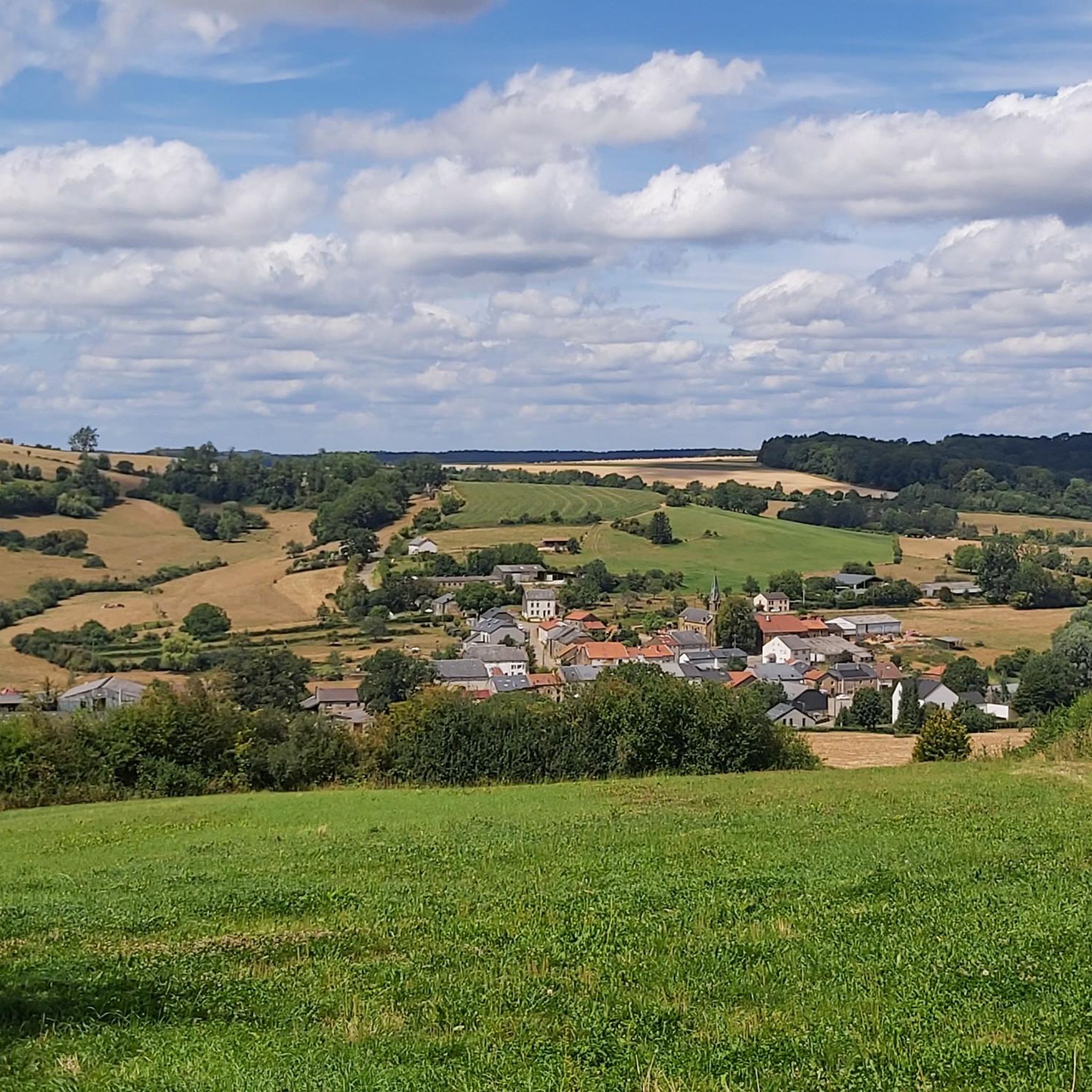
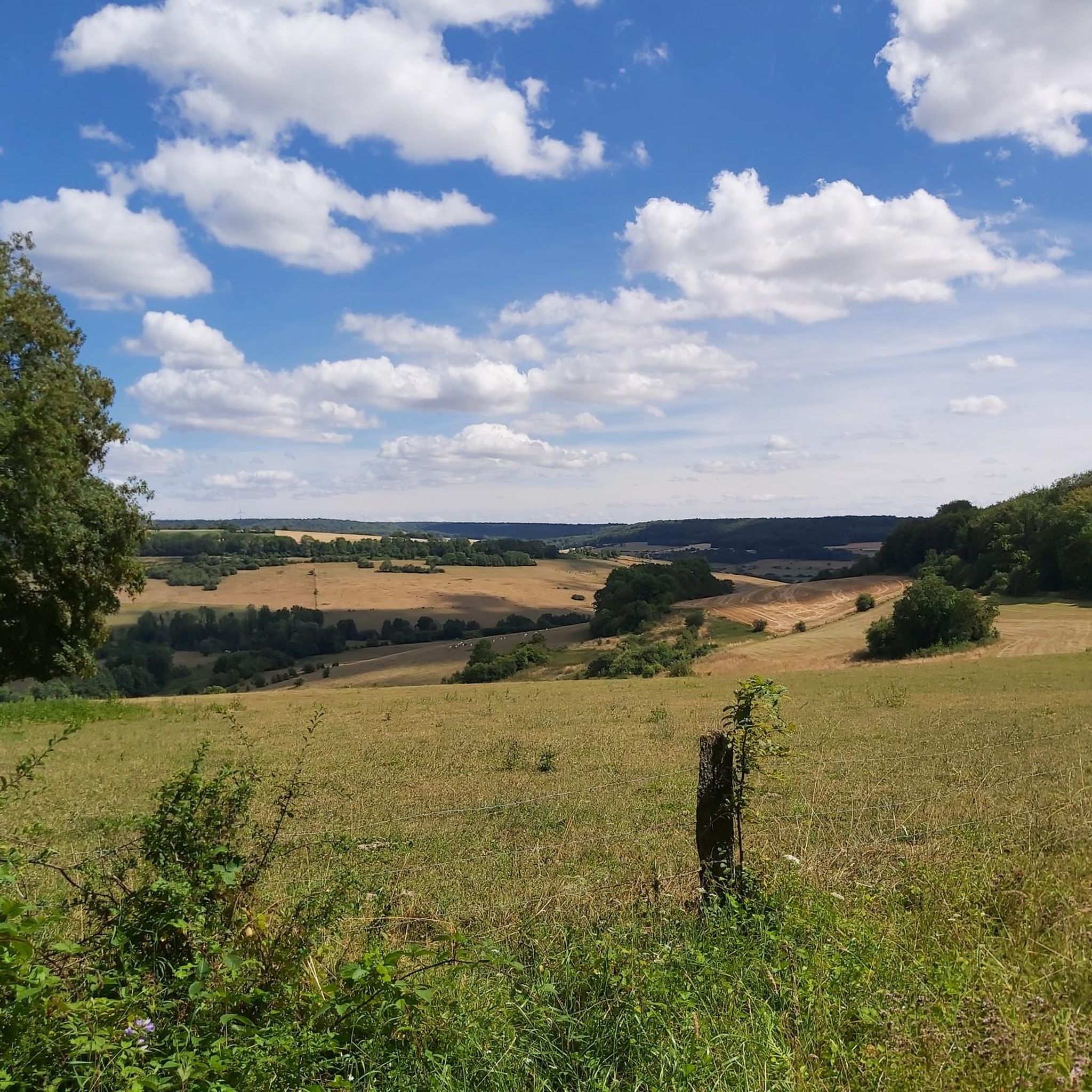
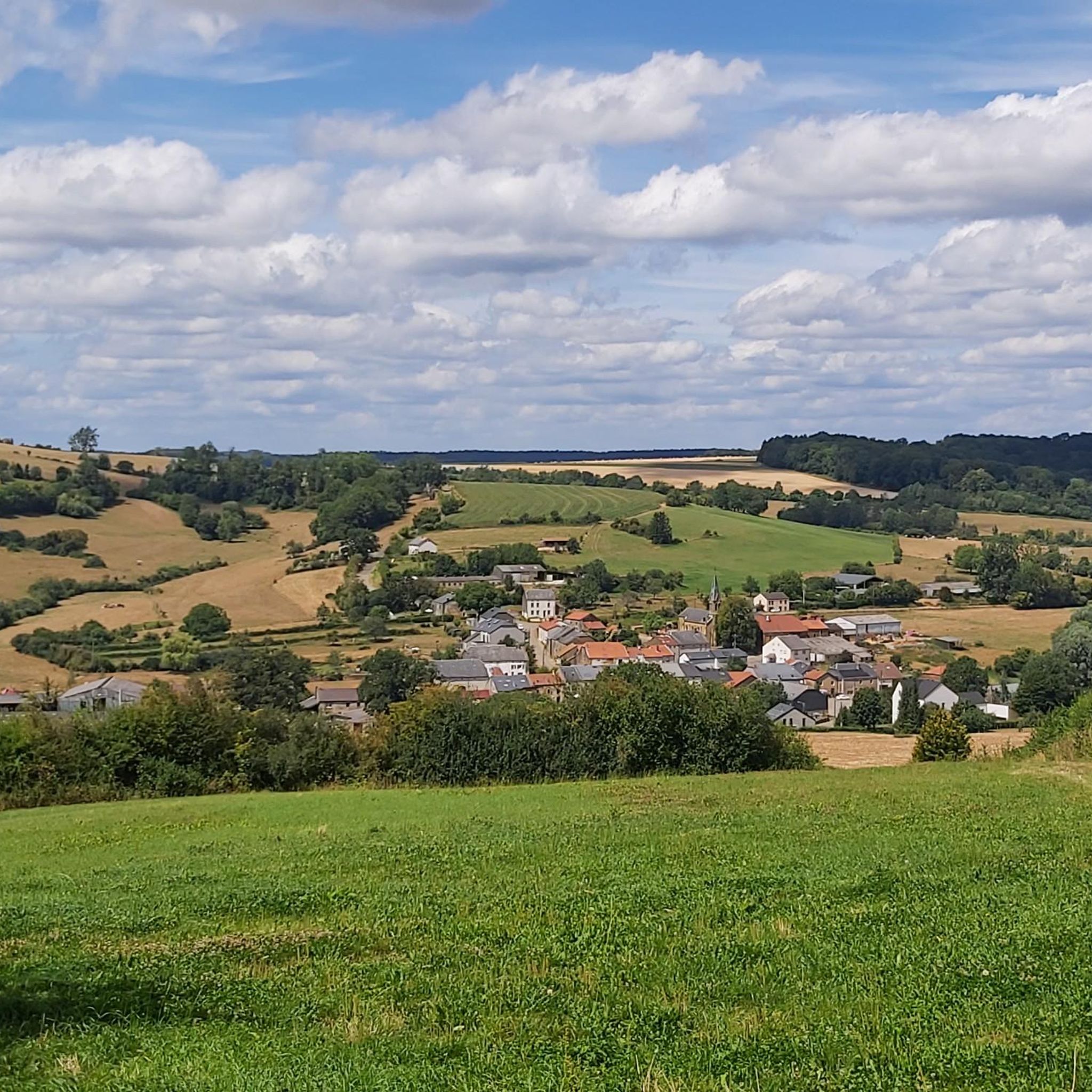
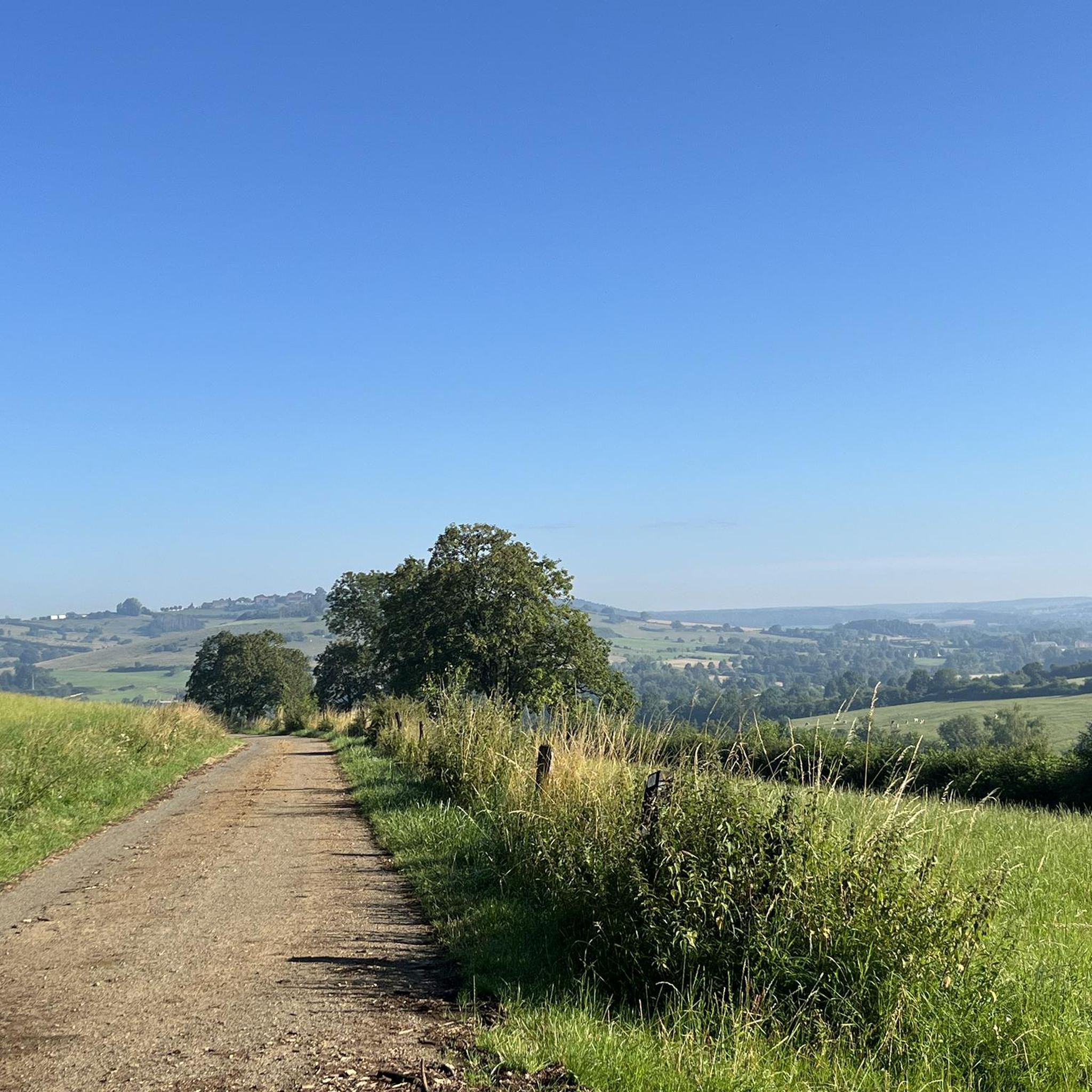
Road cycling routes around Écouviez traverse a landscape characterized by rolling hills and river valleys, offering varied terrain for cyclists. The region features a mix of open countryside, agricultural lands, and sections that pass through or near small villages. Elevations along these routes indicate a generally undulating profile, with some climbs reaching over 800 meters, providing both challenging ascents and gentler stretches.
Best road cycling routes around Écouviez
- The most popular road cycling route is La Gaumaise Cycle Route,…
Last updated: August 29, 2026
3.0
(1)
101
riders
Moderate road ride. Good fitness required. Mostly well-paved surfaces and easy to ride.
80
riders
74.0km
03:20
690m
690m
Moderate road ride. Good fitness required. Some segments of this route may be unpaved and difficult to ride.

Sign up for free
21
riders
32.2km
01:24
140m
140m
Easy road ride. Great for any fitness level. Mostly well-paved surfaces and easy to ride.
15
riders
29.1km
01:17
210m
210m
Easy road ride. Great for any fitness level. Mostly well-paved surfaces and easy to ride.
9
riders
42.9km
01:56
450m
450m
Moderate road ride. Good fitness required. Mostly well-paved surfaces and easy to ride.
Get access to more routes and recommendations from other explorers.
Sign up for free
Already have an account?
Our route recommendations are based on thousands of hikes, rides, and runs completed by other people on komoot.
Start today with a free account
Your next adventure awaits.
Login or Signup

Tips from the Community

Magnificent fresco inspired by Jean-Claude Servais
0
0

My heart's Gaume. All my youth in Gaume.
0
0


The Virton Tourist Information Office welcomes you to the heart of the Gaume region and invites you to discover this charming town in the province of Luxembourg. You can find them at the following address: Rue des Grasses Oies, 2b, Virton. Please note: closed on Sundays and Mondays. Open other days from 10:00 AM to 12:30 PM and from 1:30 PM to 5:30 PM.
9
0
In 1969, the city of Virton commissioned Ernest Bernardy for a mosaic on a public building. Bernardy incorporated, from left to right, Djean d’Mâdy (the violinist in the tree); the four fairies from the Trou des Fées, a cave formation near Croix-Rouge, north of Virton; and Monseigneur de Hontheim, Bishop of Trier, who died in 1790 at the Château de Montquintin near Rouvroy. In his time, he was known for his (overly) progressive ideas, which he published as a humanist under the name Febronius. To his right, in front of him, is the White Lady of Montauban, and on the far right, the Four Sons of Aymon, who play a role here because their castle is said to have stood near Buzenol, while their abandoned treasure is guarded by the White Lady. The orange sun on the right of the mosaic is counterbalanced by the yellow moon to the left of the bishop's miter. (Stapperloot)
13
0
The recently renovated Place Nestor Outer gives the centre of Virton a new look with its arch and completely car-free esplanade.
13
0
Under the NATO agreements, the air forces across the Atlantic established strategic bases in Europe, including Marville, in the Meuse department (France). In 1955, Virton, like Florenville and Longuyon in France, welcomed hundreds of Canadian military pilots from the 1st Wing seeking refuge for themselves and their families. The Canadian period was deeply affecting the lives of the residents of Virton, and such strong bonds of friendship were forged that a celebration was organized for their departure on March 11, 1967. The totem from Canada that they presented to Virton and Longuyon in France was a special sign of recognition and gratitude for the excellent way in which the residents had welcomed the Canadians. This gesture has special significance, as totems held a deeper meaning among Native Americans. In 1992, the original totem, which had been severely damaged, was recreated identically by Claude Goffinet and inaugurated on October 30th. (Visit Wallonia)
13
0

Built in the 14th century, the Avioth Basilica is distinguished by its rich Gothic-style decorations. It is also called the Cathedral of the Fields because of its natural setting.
0
0
Frequently Asked Questions
How many road cycling routes are available around Écouviez?
There are over 190 road cycling routes around Écouviez, offering a wide range of options for all skill levels. This includes 28 easy routes, 130 moderate routes, and 34 challenging routes.
Are there easy road cycling routes suitable for beginners or families in Écouviez?
Yes, Écouviez offers several easy road cycling routes perfect for beginners or families. One excellent option is the Torgny Village – Torgny loop from Écouviez, an 18.1-mile (29.1 km) path with a gentler profile. Another easy choice is the Rabais Valley Lake – RAVeL Ruette–Chenois Path loop from Écouviez, which is 24.9 miles (40.1 km) and follows a relatively flat RAVeL path.
What kind of terrain can I expect on road cycling routes around Écouviez?
Road cycling routes around Écouviez are characterized by rolling hills and river valleys. You'll encounter a mix of open countryside, agricultural lands, and sections passing through charming small villages. While some routes offer gentler stretches, others feature significant climbs, with elevations reaching over 800 meters.
Are there challenging road bike trails near Écouviez for experienced cyclists?
Absolutely. For experienced cyclists seeking a challenge, the region provides routes with substantial elevation gains. The La Gaumaise Cycle Route is a moderate 29.7-mile (47.9 km) trail with over 760 meters of elevation gain. For an even longer and more demanding ride, consider the Orval Abbey and Brewery – Basilique d'Avioth loop from Velosnes, which covers 61.7 miles (99.3 km) and features over 850 meters of climbing.
What are some scenic viewpoints or attractions along the road cycling routes?
Many routes offer scenic views and pass by interesting attractions. You might cycle past the picturesque Torgny Village, known for its unique architecture. Other routes lead to natural highlights like the Rabais Valley Lake or the tranquil Small Waterfall on the Chemin des Songes. Historical sites such as the impressive Basilica of Our Lady of Avioth are also accessible by bike.
Are there circular road bike routes available around Écouviez?
Yes, many of the road cycling routes around Écouviez are designed as loops, allowing you to start and end in the same location. Examples include the Torgny Village – Torgny loop from Écouviez and the Rabais Valley Lake – RAVeL Ruette–Chenois Path loop from Écouviez. These circular routes make planning your ride convenient.
What do other road cyclists say about the routes in Écouviez?
The road cycling routes in Écouviez are highly rated by the komoot community, with an average score of 4.4 stars from over 40 reviews. Cyclists often praise the varied terrain, the peaceful rural roads, and the charming villages encountered along the way. Many appreciate the options available for different fitness levels.
Where can I find parking for road biking trails in Écouviez?
While specific parking areas for each route are not always designated, you can typically find parking in or near the starting villages of the routes. Many small towns and villages in the Écouviez region offer public parking facilities, often near churches or town centers, which are convenient for accessing the cycling network.
What is the best time of year for road biking in Écouviez?
The best time for road biking in Écouviez is generally from spring through early autumn (April to October). During these months, the weather is usually mild and pleasant, with less rainfall. Spring brings blooming landscapes, while autumn offers beautiful foliage, making for very scenic rides. Summer can be warm, but the rolling hills often provide refreshing breezes.
Are there any historical landmarks or cultural sites to explore near the cycling routes?
Beyond the natural beauty, the region boasts several historical and cultural sites. You can cycle past the impressive Basilica of Our Lady of Avioth, a significant pilgrimage site. The formidable Citadel of Montmédy and the atmospheric Ruins of Montquintin Castle are also within cycling distance, offering glimpses into the area's rich past.
What kind of facilities, like cafes or rest stops, are available along the routes?
The routes often pass through small villages where you can find local cafes, bakeries, or small shops to refuel and rest. While not every route has dedicated rest stops, planning your ride to pass through these villages will ensure opportunities for refreshments and breaks. It's always a good idea to carry sufficient water and snacks, especially on longer routes.
Most popular attractions around Écouviez

Get inspired with the komoot mobile app


Explore more
Browse the best Road cycling routes in other regions.
