Attractions and Places To See around Forges-Sur-Meuse - Top 20
Attractions and places to see around Forges-Sur-Meuse include a rich array of historical landmarks and natural landscapes. This rural commune in the Meuse department of France is particularly significant for its World War I history. Visitors can explore sites related to the Battle of Verdun, alongside the natural beauty of the Meuse River and surrounding forests. The area offers a blend of poignant historical reflection and opportunities for outdoor activities.
Best attractions and places to see around Forges-Sur-Meuse
- The most…
Last updated: May 11, 2026
Bell Tower of the Douaumont Ossuary
Highlight • Monument
Translated by Google •
Tip by

Bayonet Trench Memorial
Highlight • Other
“In memory of the French soldiers who sleep standing, rifle in hand, in this trench – their brothers in America.” This is the …
Translated by Google •
Tip by

Sign up now to discover places like this
Get recommendations on the best single tracks, peaks, & plenty of other exciting outdoor places.
Sign up for free
Cumières-le-Mort-Homme
Highlight • Other
It was in February 1916 that the heaviest fighting took place. …
Translated by Google •
Tip by

National Necropolis of Bras-sur-Meuse
Highlight • Historical Site
Translated by Google •
Tip by

Church of Forges-sur-Meuse
Highlight • Religious Site
Translated by Google •
Tip by
Sign up for free to discover even more attractions around Forges-Sur-Meuse.
Sign up for free
Already have an account?
Start today with a free account
Your next adventure awaits.
Login or Signup

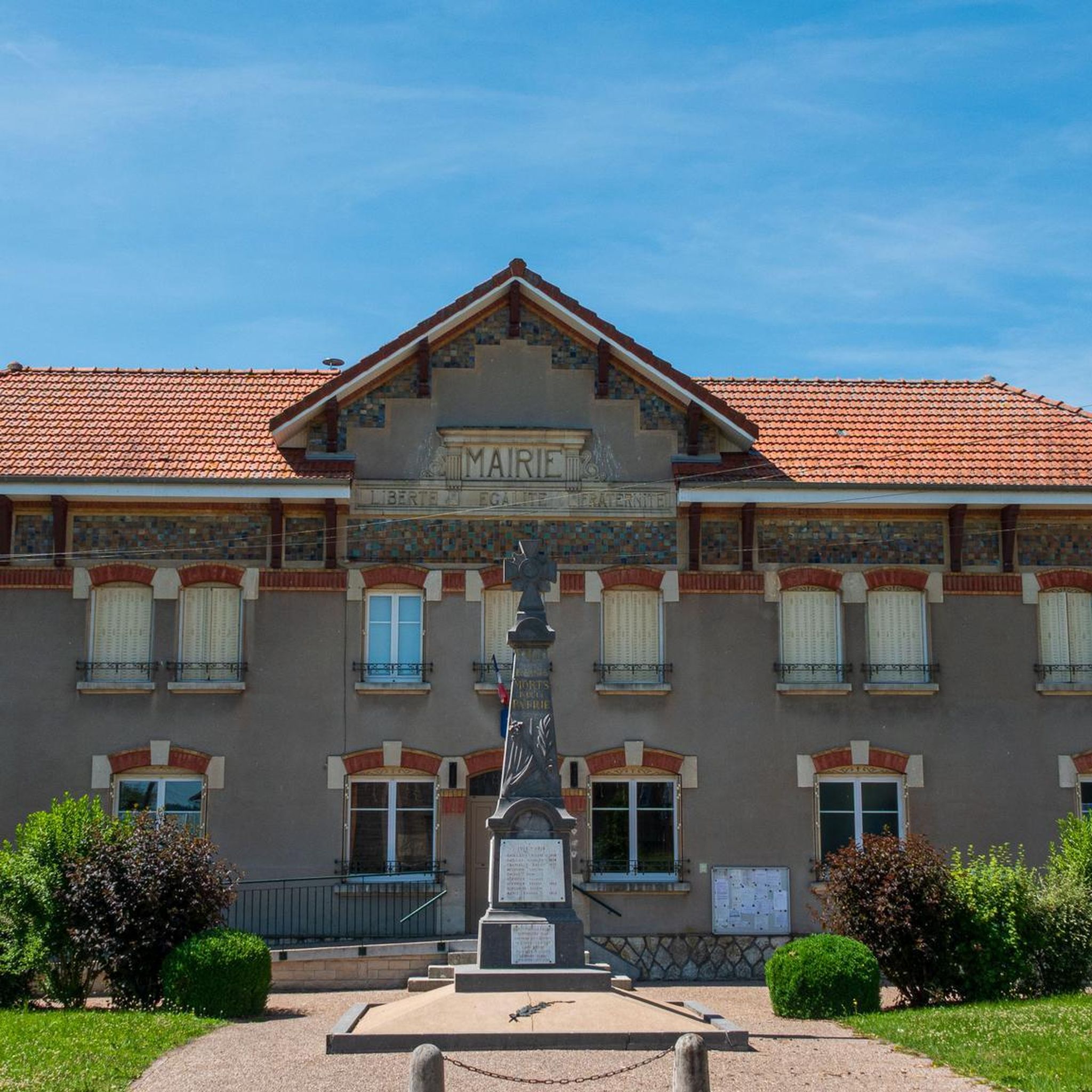
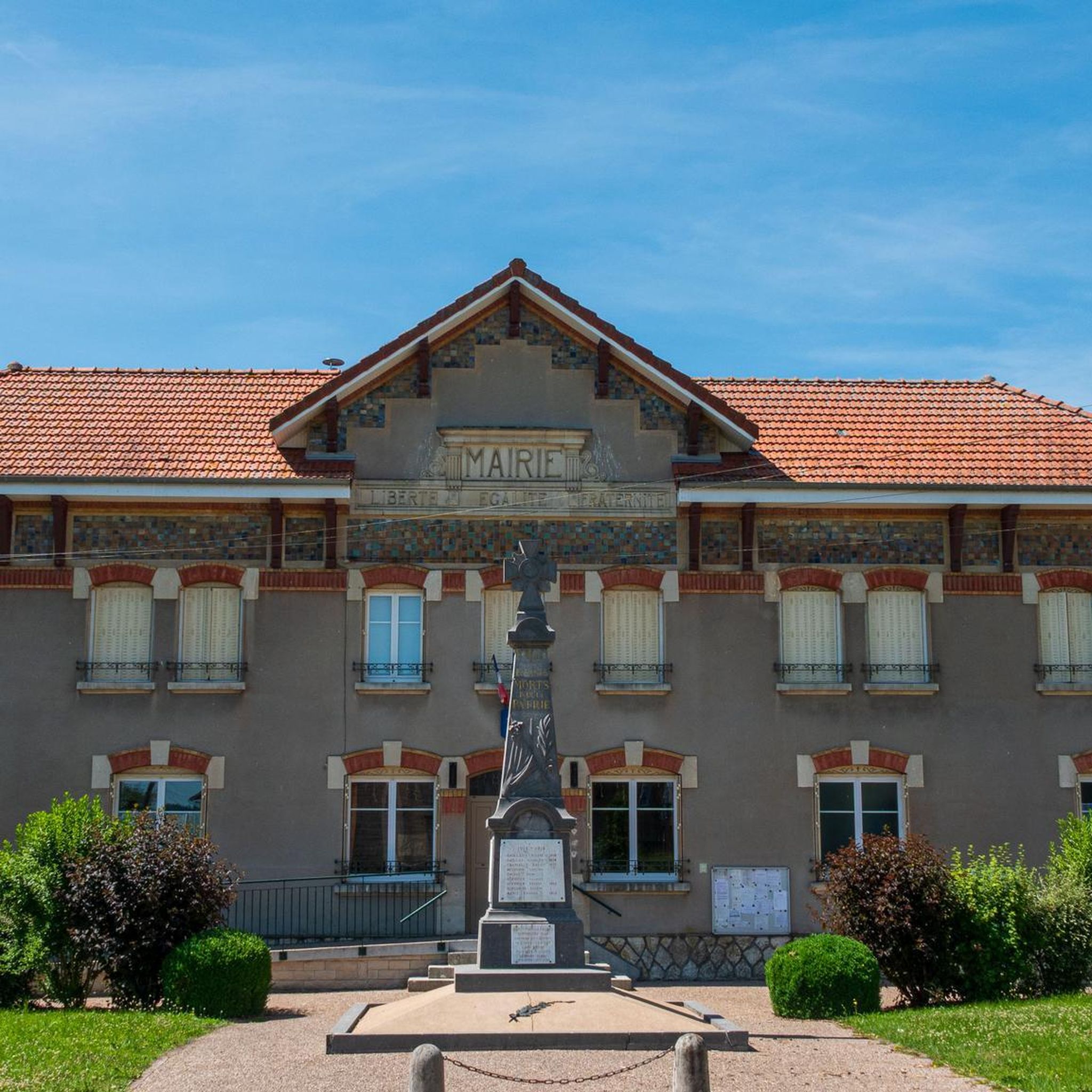



Tips from the Community

An observation tower from which, apart from the cemetery, you can see the battlefield (now overgrown with trees) of Verdun.
3
0

Among the thousands of fallen soldiers who rest here is Caporal Louis Micol, a soldier of the 19th Battalion of Chasseurs à Pied. He was not only a soldier, but also the founder of one of the first French front newspapers: Le Son du Cor, a trench newspaper written by and for soldiers. Micol died on 18 September 1915 in Brabant-en-Argonne and is buried in grave no. 390. His story is a reminder that even in the midst of the violence of war, soldiers sought ways to make their voices heard, share experiences and preserve their humanity.
7
1
Military cemetery created in 1916 during the Battle of Verdun. It contains the remains of 6,537 French soldiers, including 2,000 in ossuaries. Most of them died in 1916 on the right bank of the Meuse, near strategic points such as Côte 344 and Thiaumont. In 1961, 151 soldiers who died in the Second World War were also buried there. The necropolis covers 3.2 hectares and was set up between 1919 and 1934
7
1
This church, dedicated to Saint-Baudel, originally dates from the 11th century, as evidenced by the use of the typical opus spicatum masonry in the north wall. Over the centuries, the building has been modified and restored several times, resulting in a striking mix of architectural styles. Inside, you will find wooden seating boxes for the faithful and a 19th-century pulpit – silent witnesses to religious life in this village on the Meuse. Note the symbolic animal figures at the ends of the roof beams.
7
0

The Ossuary tower, also known as the 'Lantern of Death', is 46 m high and offers a beautiful view of the battlefield. The bell tower was donated by the Americans and is, together with the chapel, one of the oldest parts of the monument. Halfway up the climb, you can see the equipment and some scenes highlighting the soldiers of each camp behind glass. At the top of the tower you can enjoy the view, signs indicate in which direction you are looking. Here you will also find the two symbols of the monument: the beacon and the bell. The red and white light of the beacon swings over the battlefield every night and can be seen from dozens of kilometres away. Louise Anne Charlotte, the bell of victory, was donated by the American Mrs. Thorburn Van Buren. She was cast in Orléans and is honoured in every procession through the towns in the vicinity of Douaumont. The bell was inaugurated in 1929 by the founder of the Ossuary, Monsignor Ginisty, and rings three times a day and during major ceremonies to remind everyone of the fate of the fallen soldiers.
2
0
The Myth of the First World War “In memory of the French soldiers who sleep standing, rifle in hand, in this trench – their brothers in America.” This is the inscription in front of the Memorial of the Battle of Verdun in the ghost town of Douaumont. The monument was financed by a wealthy American banker, George T. Rand, who was moved by the famous legend surrounding the site. It is said that French soldiers buried standing, with weapons in hand, died from enemy shells. Bayonet Trench is one of the myths of the First World War. In 1922, it was classified as a historical monument and in 2014 it was considered a site of national importance. After the war, excavations uncovered 21 bodies of French soldiers. Fourteen were identified and buried in the Necropolis of Fleury, opposite Douaumont. The seven other bodies that remained unknown were reburied in the "Bayonet Trench". For many, the myth persists, while others question it. Especially since no body was found standing upright. In any case, the legend of the "Bayonet Trenches" shows above all how much the Great War left an almost indelible mark on the collective imagination. As the bloody conflict of the Battle of Verdun drew to a close, glorious stories quickly emerged in which the nation sacrificed itself for the fatherland. Source: https://www.landofmemory.eu/sites-historiques/tranchee-des-baionnettes/
7
0
The national necropolis of Bras-sur-Meuse contains the remains of 6,537 soldiers who died for France. During the First World War, 6,386 French soldiers were gathered here, 2,000 of whom are in two ossuaries. It was created in 1916 during the Battle of Verdun (February-November 1916) and was gradually expanded from 1919 to 1934. It is a cemetery for the regrouping of bodies exhumed from military cemeteries on the right bank of the Meuse, in particular those of soldiers who died in the first aid post or in the ambulances stationed at La Fourche, the crossroads of the roads to Louvemont and Douaumont. The ossuaries contain the remains of unknown and unidentified soldiers who fell on hill 344, Haudromont, Froideterre, Cote du Poivre, Thiaumont, Louvemont, etc. In 1961, the remains of 151 soldiers who died during the fighting in June 1940 and were buried in various villages along the Meuse during the Second World War were collected here. Among the soldiers is Corporal Louis Micol, of the 19th Chasseurs Battalion, founder of one of the first newspapers on the front, Le son du cor , a trench newspaper of the chasseurs, who died in Brabant on 18 September 1915 (grave no. 390). Want to know more? Click on https://www.cheminsdememoire.gouv.fr/fr/bras-sur-meuse
5
1
The Saint Martin's Church was destroyed during the Battle of Verdun. After the Great War, the Saint Martin's Church was restored. The opening took place in the presence of Bishop Jean-Paul Gusching, Bishop of Verdun. Note that the church, before it was destroyed in 14-18, originally stood in the old village. Triggered to the full story? You can read it here on the large information board.
6
0
Frequently Asked Questions
What historical sites related to World War I can I visit near Forges-sur-Meuse?
The region around Forges-sur-Meuse is deeply marked by World War I. You can visit poignant sites such as the Bell Tower of the Douaumont Ossuary, which offers a panoramic view of the Verdun battlefield. Another significant memorial is the Bayonet Trench Memorial, commemorating French soldiers. The area of Cumières-le-Mort-Homme was also a scene of fierce fighting and is now a 'village dead for France'. Additionally, the National Necropolis of Bras-sur-Meuse serves as a burial ground for thousands of fallen soldiers.
Are there any unique cultural or active experiences available in Forges-sur-Meuse?
Yes, for a unique and active experience, you can try the rail-bike activity offered by the Meuse-rail Cycling Association. This allows you to explore the local heritage and landscapes on an old abandoned railway line, starting from the Old Station Consenvoye in Forges-sur-Meuse. It's a fun way to engage with the area for various age groups.
What natural features define the landscape around Forges-sur-Meuse?
Forges-sur-Meuse is situated along the Meuse River, which is a prominent natural feature draining the region. The surrounding area is characterized by several forests, including Bois de Forges, Forêt du Mort-Homme, and Bois de Consenvoye, offering natural landscapes to explore. The broader Argonne region, known for its forests and ponds, is also nearby.
What kind of outdoor activities can I do near the attractions in Forges-sur-Meuse?
The area offers various outdoor activities. You can find several running trails, including challenging loops like the 'Chaussée Gate – Verdun loop from Vacherauville' or 'Douaumont Ossuary – Verdun Memorial loop from Bras-sur-Meuse'. For cycling enthusiasts, there are gravel biking routes such as the 'Quadrilatère des Forts' and road cycling options like the 'Citadel of Verdun – Chemin forestier tranquille loop from Consenvoye'. You can explore more routes on the respective guide pages for running, gravel biking, and road cycling.
Are there any historical churches to visit in the area?
Yes, the Church of Forges-sur-Meuse, dedicated to Saint-Baudel, has origins dating back to the 11th century. It showcases a blend of architectural styles due to multiple modifications and restorations over centuries. Inside, you can observe wooden seating boxes and a 19th-century pulpit. The original Saint-Martin church was destroyed during the Battle of Verdun and later restored.
What is the significance of the Douaumont Ossuary Bell Tower?
The Bell Tower of the Douaumont Ossuary, also known as the 'Lantern of the Dead', is a 46-meter-high tower that provides a deeply impressive panoramic view of the Verdun battlefield. It was a gift from Americans and is one of the oldest parts of the monument. Inside, you can see equipment and scenes highlighting soldiers, and at the top, you'll find the beacon and the bell, Louise Anne Charlotte, which rings three times a day.
What is the story behind the Bayonet Trench Memorial?
The Bayonet Trench Memorial commemorates French soldiers believed to have been buried alive, standing with their rifles in hand, during World War I. While the exact circumstances are part of a wartime legend, excavations after the war uncovered 21 bodies, with seven unidentified soldiers reburied in the trench. The monument was funded by an American banker and is classified as a historical monument.
What is the historical importance of Cumières-le-Mort-Homme?
Cumières-le-Mort-Homme was the site of some of the fiercest fighting in February 1916 during the Battle of Verdun, resulting in the deaths of 10,000 soldiers. It was declared a 'village dead for France' in 1922, as it was completely destroyed and never rebuilt. A statue by sculptor Jacques Froment-Meurice commemorates the event in the nearby woods.
What can I expect to see at the National Necropolis of Bras-sur-Meuse?
The National Necropolis of Bras-sur-Meuse is a military cemetery established in 1916 during the Battle of Verdun. It holds the remains of 6,537 French soldiers, including 2,000 in ossuaries. Most of these soldiers died in 1916 on the right bank of the Meuse. It's a solemn place for reflection, also containing remains of soldiers from World War II.
What do visitors enjoy most about the attractions around Forges-sur-Meuse?
Visitors particularly appreciate the profound historical significance of the World War I sites, finding them deeply moving and educational. The panoramic views from monuments like the Bell Tower of the Douaumont Ossuary are also highly valued. The blend of poignant history with opportunities for outdoor activities in the natural landscapes of the Meuse River and surrounding forests is a key draw for many.
Are there any specific World War I memorials or museums nearby, beyond the main highlights?
Yes, in addition to the key sites, the broader area includes the Verdun Memorial and Fort Douaumont, which are central to understanding the Battle of Verdun. The Montfaucon American Monument is another significant memorial nearby, honoring American involvement in the region during WWI.
Can I find information about the original village of Forges-sur-Meuse?
The original village of Forges-sur-Meuse was completely destroyed during the intense shelling of World War I, particularly during the Battle of Verdun. It was later rebuilt about 500 meters to the east. While the old forge site is undergoing development, its history is a poignant reminder of the war's impact on the local community.
Most popular routes around Forges-Sur-Meuse

Get inspired with the komoot mobile app


Explore more
Still not found the Highlight you’re looking for? See guides of the top attractions in other regions:
