The best cycling routes around Quincy-Landzécourt
4.3
(67)
433
riders
85
rides
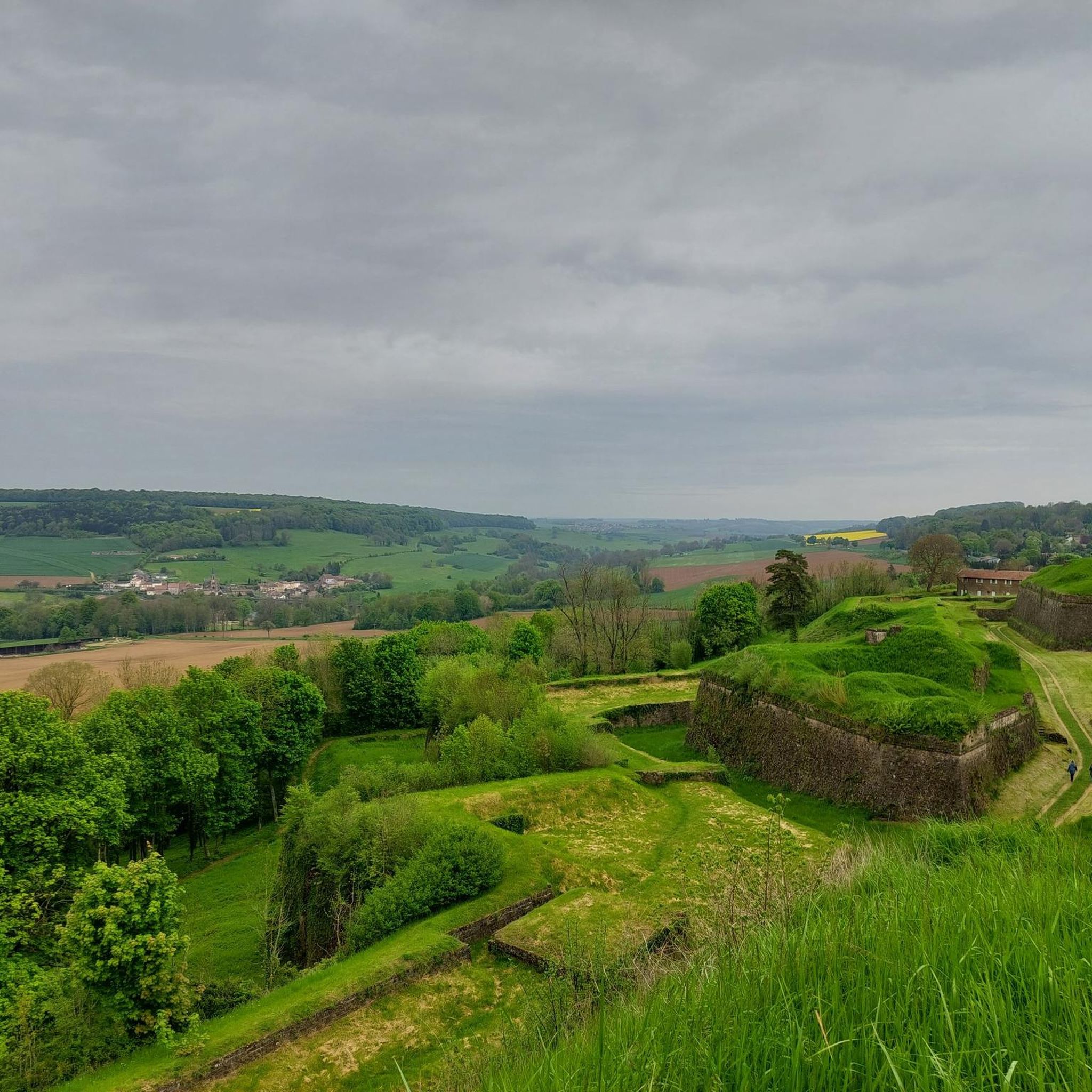
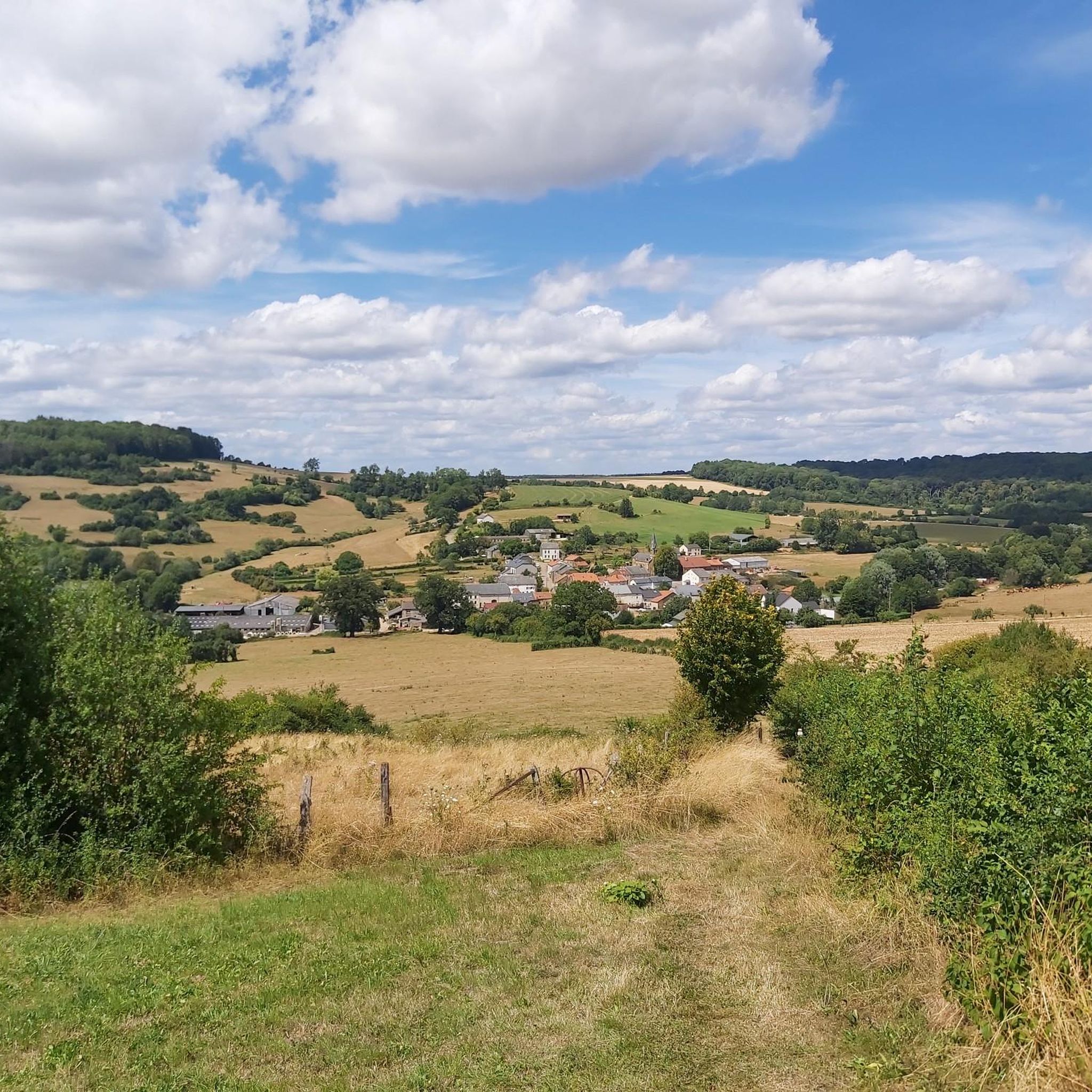
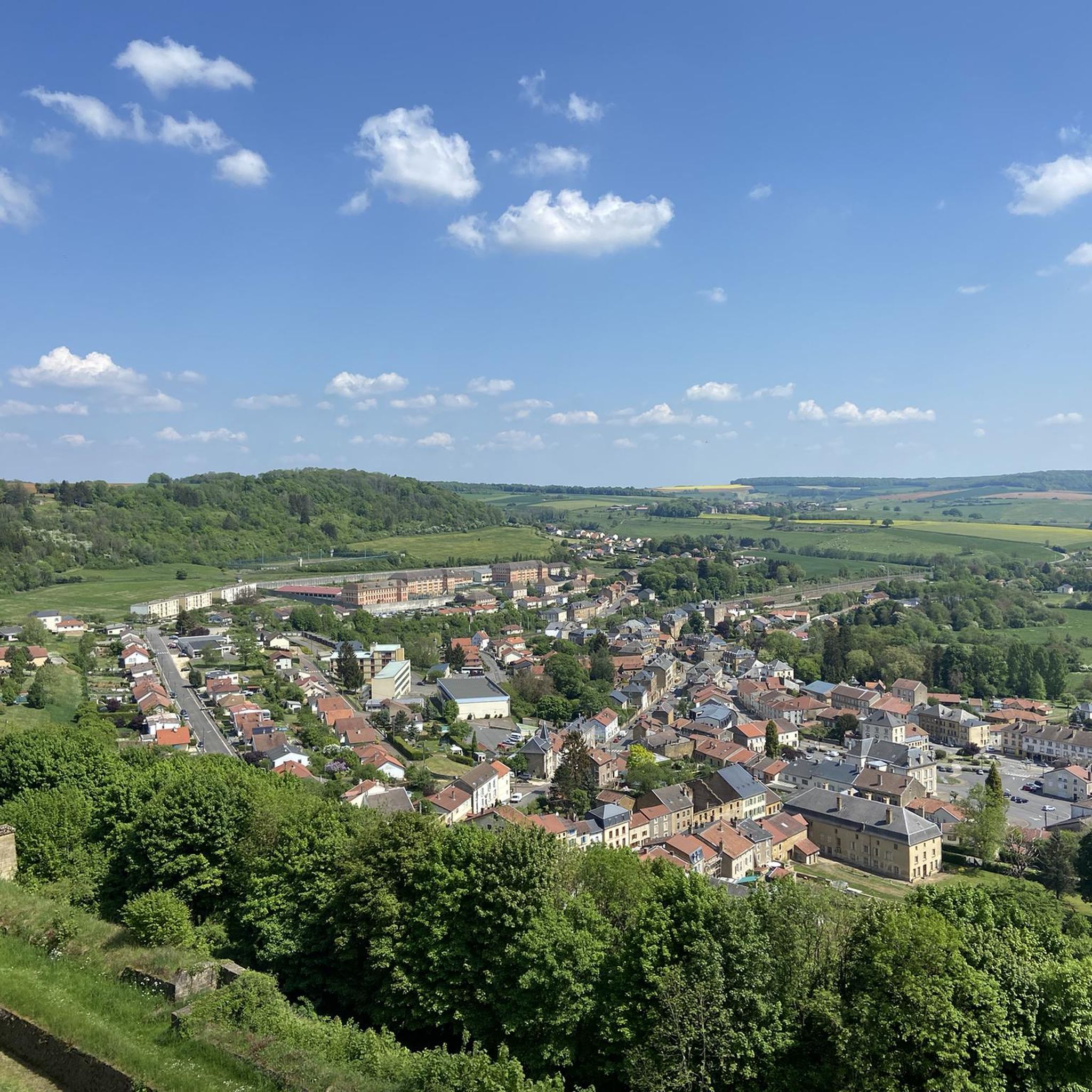
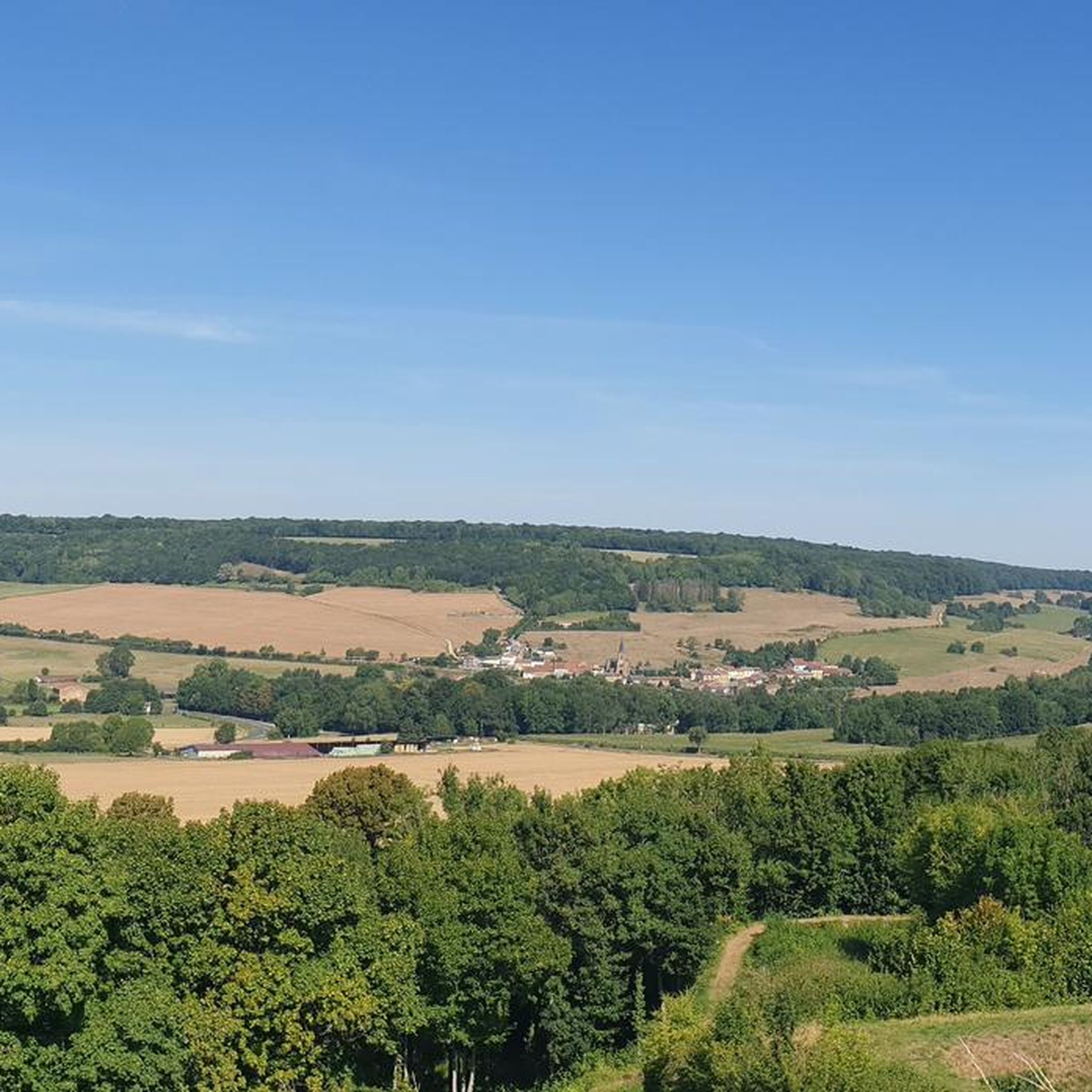
Touring cycling routes around Quincy-Landzécourt traverse a landscape characterized by hilly fields and extensive forests within France's Grand Est region. The area is shaped by the Loison, Chiers, and Charponterie rivers, all contributing to the Meuse river basin. This region offers a mix of natural beauty and historical sites, providing varied terrain for cyclists. The broader Meuse department is also home to sections of the Meuse Cycle Route, indicating a well-established cycling infrastructure.
Best touring cycling routes around Quincy-Landzécourt
- The…
Last updated: July 5, 2026
5.0
(2)
35
riders
55.9km
03:30
610m
610m
Hard bike ride. Very good fitness required. Mostly paved surfaces. Suitable for all skill levels.
3.7
(3)
10
riders
21.1km
01:19
210m
210m
Moderate bike ride. Good fitness required. Mostly paved surfaces. Suitable for all skill levels.

Sign up for free
12
riders
38.1km
02:29
500m
500m
Hard bike ride. Very good fitness required. Mostly paved surfaces. Suitable for all skill levels.
3.8
(10)
30
riders
35.8km
02:07
180m
180m
Moderate bike ride. Good fitness required. Mostly paved surfaces. Suitable for all skill levels.
11
riders
52.8km
03:14
470m
470m
Hard bike ride. Very good fitness required. Mostly paved surfaces. Suitable for all skill levels.
Get access to more routes and recommendations from other explorers.
Sign up for free
Already have an account?
Our route recommendations are based on thousands of hikes, rides, and runs completed by other people on komoot.
Start today with a free account
Your next adventure awaits.
Login or Signup

Tips from the Community

Opposite the museum is a B&B: Moulin le Cygne. This is an excellent place to stay overnight. Both regarding the apartments and the very extensive breakfast. Moreover, the owners are very cordial.
0
0

This is one of the few places to stop for refreshments along this section of the Trans-Ardennes cycle route, close to the Meuse River. Friendly staff.
1
0

Built in the 14th century, the Avioth Basilica is distinguished by its rich Gothic-style decorations. It is also called the Cathedral of the Fields because of its natural setting.
0
0

Also known as the Basilica of the Fields, Notre-Dame d'Avioth is an impressive Gothic religious building. It has been known as a sanctuary since the 12th century and is therefore an important place of pilgrimage.
0
0

Stately Basilica in a tiny village with only 200 inhabitants, The restaurant opposite the Basilica is highly recommended, reservations required!
2
0

Renaissance castle, built in the 17th century for Simon II de Pouilly, military governor of Stenay, on behalf of the Duchy of Lorraine. Its architectural interest lies mainly in the portals and verandas carved with great imagination and in the imposing dovecote. You can visit it in the company of a guide who will provide all the historical information. You will discover the two main courtyards, the dovecote, the park and the chapel. Visit by reservation only for groups in July and August.
0
0
The first mention of the village in the archives dates from the 11th century (1093, Lopeium), according to Liénard (19th century historian). At the death of the Count of Bar, Thibaut I, in 1214, two towers were built in Louppy corresponding to two castles installed at each end of the promontory dominating the Loison valley. It is for this reason that the village subsequently adopted the name Louppy-aux-deux-châteaux until the French Revolution. (see map of Villeneuve from 1700 here) In the heart of the village, near the church, the imposing remains of a tower and a curtain wall are still visible. Originally the castle (commonly called the High Castle) appeared in the shape of a quadrangle flanked by four corner towers and once had deep moats fed by the nearby Loison. In addition to the defensive character of the building, its residential function seems certain, given the presence of a fireplace and benches under the windows. These remains undoubtedly date from the 13th or 14th century, but the first mention of a castle dates from the end of the 12th century as the property of the Count of Bar Thibaut I. Subsequently, the Lordship of Louppy was shared between several families until the arrival of the Pouilly family in the 16th century. During the Hundred Years' War, in 1379, the castle was partially destroyed.
0
0
The fresco tribute to the fighters of 14-18 Behind the war memorial, the artist Éléonore Giraud created a gigantic fresco with images of the fighters, human and animal, from the 1914-1918 war. This fresco was unveiled on November 11, during the commemoration of the 1918 armistice.
0
0
Frequently Asked Questions
How many touring cycling routes are available around Quincy-Landzécourt?
There are over 80 touring cycling routes around Quincy-Landzécourt, offering a wide variety of options for different skill levels and preferences.
What is the general difficulty level of touring cycling routes in Quincy-Landzécourt?
The routes around Quincy-Landzécourt offer a diverse range of difficulties. You'll find a few easy routes, a significant number of moderate trails (around 48), and many challenging options (over 30) for more experienced cyclists.
What kind of terrain can I expect on touring cycling routes in Quincy-Landzécourt?
The region is characterized by hilly and bucolic fields, extensive forests, and river valleys formed by the Loison, Chiers, and Charponterie rivers. This means you can expect a mix of ascents and descents, often with picturesque views of the natural landscape and waterways.
Are there any easy touring cycling routes suitable for beginners in Quincy-Landzécourt?
Yes, there are a few easy touring cycling routes available, perfect for beginners or those looking for a more relaxed ride. These routes typically feature less elevation gain and are often on well-maintained surfaces.
Are there challenging touring cycling routes for experienced cyclists?
Absolutely. For experienced cyclists seeking a challenge, there are over 30 difficult routes. An example is the Mouzon – Abbatiale Notre-Dame de Mouzon loop from Stenay, which covers 54.7 miles (88.1 km) with significant elevation changes, offering extensive exploration through diverse landscapes.
What historical sites or landmarks can I visit while cycling around Quincy-Landzécourt?
The area is rich in history and culture. You can cycle past the impressive Citadel of Montmédy, a well-preserved military fortress, or the significant religious site of the Basilica of Our Lady of Avioth. Other notable spots include Mont Saint-Walfroy with its panoramic views, and the Saint Martin's Church.
Are there any circular touring cycling routes in the area?
Yes, many routes are designed as loops, allowing you to start and end at the same point. For instance, the popular Torgny – Basilica of Our Lady of Avioth loop from Montmédy is a 23.2-mile (37.3 km) circular route that passes by the Basilica of Our Lady of Avioth.
Are there long-distance touring cycling options near Quincy-Landzécourt?
While Quincy-Landzécourt offers many local routes, its location in the Meuse department places it near the renowned Meuse Cycle Route (La Meuse à Vélo). This acclaimed European route follows the Meuse River and offers extensive long-distance cycling opportunities, suitable for all skill levels.
What do other touring cyclists say about the routes in Quincy-Landzécourt?
The touring cycling routes in Quincy-Landzécourt are highly rated by the komoot community, with an average score of 4.4 stars from nearly 60 reviews. Cyclists often praise the region's diverse landscapes, the mix of historical sites, and the tranquil natural settings.
Can I find routes that incorporate natural features like rivers or forests?
Absolutely. The region is defined by its extensive forests and rivers like the Loison, Chiers, and Charponterie. Many routes, such as the Commemoration of the 1st World War – Pershing Bridge of Dun-sur-Meuse loop from Stenay, often follow river valleys or traverse through wooded areas, offering scenic rides through nature.
Is there a route that features a waterfall?
Yes, you can find routes that include natural highlights. The Basilica of Our Lady of Avioth – Small waterfall loop from Montmédy is a 55.8 km (34.7 miles) route that specifically mentions a small waterfall, providing a refreshing natural stop along your ride.
What is the best time of year for touring cycling in Quincy-Landzécourt?
The region's climate generally makes spring through early autumn ideal for touring cycling. During these months, the weather is typically mild, and the natural landscapes are at their most vibrant, offering pleasant conditions for exploring the hilly fields and forests.
Most popular routes around Quincy-Landzécourt
Most popular attractions around Quincy-Landzécourt

Get inspired with the komoot mobile app


Explore more
Browse the best Cycling routes in other regions.
