The best road cycling routes around Moirey-Flabas-Crépion
4.5
(10)
316
riders
40
rides
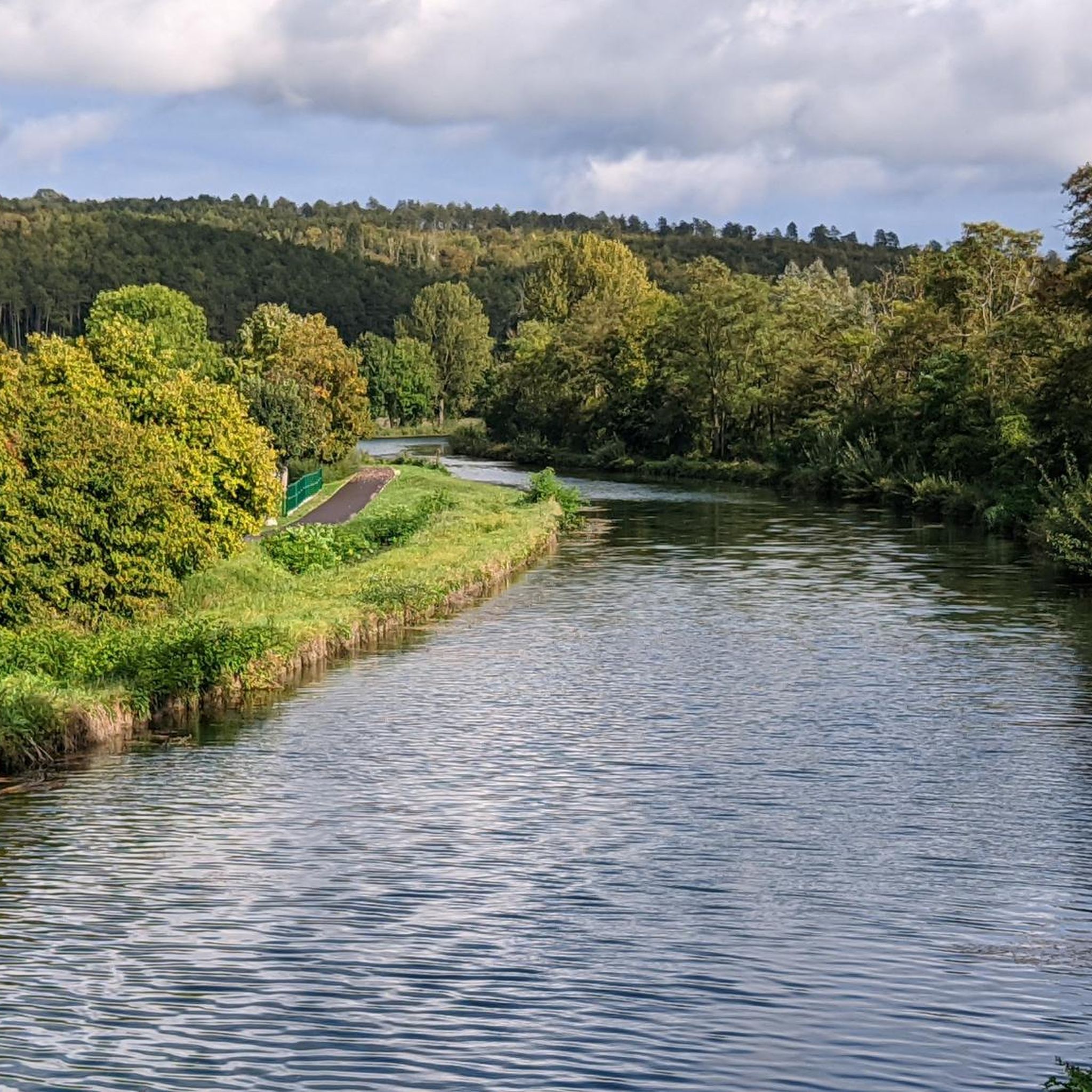
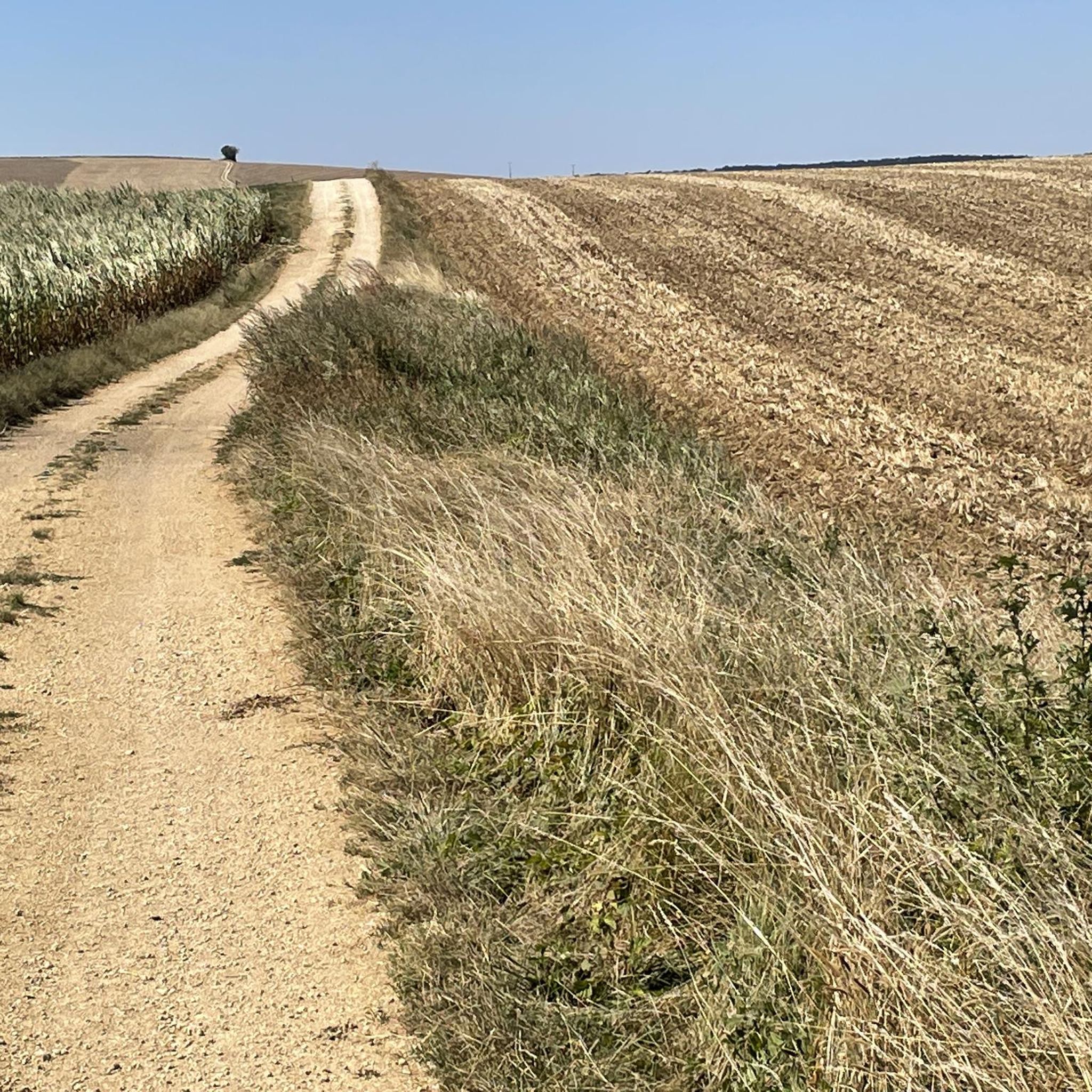
Road cycling routes around Moirey-Flabas-Crépion traverse a landscape characterized by quiet country roads, forested areas, and historical sites. The region offers varied terrain suitable for road cyclists, with routes often passing through rural settings and past significant landmarks. The elevation changes are generally moderate, providing a mix of flatter sections and gentle climbs.
Best road cycling routes around Moirey-Flabas-Crépion
- The most popular road cycling route is Citadel of Verdun – Chemin forestier tranquille loop from Consenvoye, a 29.3 miles…
Last updated: July 2, 2026
28
riders
97.4km
04:25
900m
910m
Hard road ride. Very good fitness required. Mostly well-paved surfaces and easy to ride.
16
riders
63.8km
02:54
620m
620m
Moderate road ride. Good fitness required. Mostly well-paved surfaces and easy to ride.

Sign up for free
9
riders
126km
05:29
940m
930m
Hard road ride. Very good fitness required. Mostly well-paved surfaces and easy to ride.
8
riders
47.9km
02:33
480m
480m
Moderate road ride. Good fitness required. Some segments of this route may be unpaved and difficult to ride.
5
riders
33.2km
01:23
200m
200m
Easy road ride. Great for any fitness level. Mostly well-paved surfaces and easy to ride.
Get access to more routes and recommendations from other explorers.
Sign up for free
Already have an account?
Our route recommendations are based on thousands of hikes, rides, and runs completed by other people on komoot.
Start today with a free account
Your next adventure awaits.
Login or Signup



Tips from the Community

Verdun is a very beautiful city that has been very important since the Middle Ages. It's lovely to walk through the place and admire it.
1
0

On June 23, during the lightning German advance, the assault waves crossed Fleury and reached the Froidterre fortification. Along the way, they encountered fierce pockets of resistance. On the southern slope of the Ravin des Vignes, 400 Poilus (French infantrymen) dug in a vaulted gallery, buried 12 meters underground, recognizable from afar by its four ventilation shafts. In the stifling, overcrowded June days, the survivors, wounded or not, struggled to breathe, watching for the moment when they might be buried, gassed, or burned alive by flamethrowers. Their salvation came on June 23, when the 114th Battalion of Alpine Chasseurs heroically cleared the entrances, bayonets fixed.
1
0

On the Ruette side, passing through Pré Morel, you can reach the Ravel Latour Chenois, while avoiding the main road. On the Grandcourt side, you can reach St-Remy via a country road. On the Grandcourt side, you can also climb the Côte de Grandcourt (2.4 km at 5.5%) and continue on for a foray into Meurthe-et-Moselle (FR).
0
0

The Ossuary of Douaumont is an impressive memorial that holds the remains of more than 130,000 unknown French and German soldiers who died during the Battle of Verdun (1916). The bones are visible through small windows in the base – a confronting reminder of the horrors of war. In front of the ossuary is the Nécropole nationale de Douaumont, the largest French military cemetery of the First World War, with 16,142 graves, including a Muslim and Jewish plot. The complex was recognized as a UNESCO World Heritage Site in 2023.
8
0
The Mémorial de Verdun, located near the ruined village of Fleury-devant-Douaumont, is a leading museum and commemoration site for the Battle of Verdun (1916). The museum displays more than 2,000 objects and uses authentic objects, photographs and audiovisual installations to show how French and German soldiers experienced this battle – in the exact same place where they fought.
8
3
Inaugurated in 1928, this war memorial in Verdun honours the city’s inhabitants who died for France in both world wars. It was built on the remains of a military butcher’s shop, on the crescent of the Chaussée, a 17th-century fortification. The sculpture depicts five soldiers – a cavalier, an engineer, an infantryman (poilu), an artilleryman and a territorial – forming a symbolic wall under the motto of Verdun: “On ne passe pas”.
8
0

The Myth of the First World War “In memory of the French soldiers who sleep standing, rifle in hand, in this trench – their brothers in America.” This is the inscription in front of the Memorial of the Battle of Verdun in the ghost town of Douaumont. The monument was financed by a wealthy American banker, George T. Rand, who was moved by the famous legend surrounding the site. It is said that French soldiers buried standing, with weapons in hand, died from enemy shells. Bayonet Trench is one of the myths of the First World War. In 1922, it was classified as a historical monument and in 2014 it was considered a site of national importance. After the war, excavations uncovered 21 bodies of French soldiers. Fourteen were identified and buried in the Necropolis of Fleury, opposite Douaumont. The seven other bodies that remained unknown were reburied in the "Bayonet Trench". For many, the myth persists, while others question it. Especially since no body was found standing upright. In any case, the legend of the "Bayonet Trenches" shows above all how much the Great War left an almost indelible mark on the collective imagination. As the bloody conflict of the Battle of Verdun drew to a close, glorious stories quickly emerged in which the nation sacrificed itself for the fatherland. Source: https://www.landofmemory.eu/sites-historiques/tranchee-des-baionnettes/
7
0
Frequently Asked Questions
How many road cycling routes are available around Moirey-Flabas-Crépion?
There are over 40 road cycling routes available around Moirey-Flabas-Crépion, offering a diverse range of experiences for cyclists of all levels.
Are there easy road cycling routes suitable for beginners or families?
Yes, the region offers 15 easy road cycling routes. A great option for a relaxed ride is the Verdun – Chaussée Gate loop from Consenvoye, which covers 47.2 km with moderate elevation changes.
What kind of terrain can I expect on road cycling routes in Moirey-Flabas-Crépion?
The routes in Moirey-Flabas-Crépion are characterized by quiet country roads, forested areas, and historical sites. You'll find a mix of flatter sections and gentle climbs, making for varied and engaging rides.
What do other cyclists say about road cycling in Moirey-Flabas-Crépion?
The komoot community highly rates the road cycling in this region, with an average score of 4.7 stars from over 10 reviews. Cyclists often praise the quiet roads, scenic landscapes, and the historical points of interest along the routes.
Are there challenging routes for experienced road cyclists?
Absolutely. For those seeking a more demanding ride, there are 7 difficult routes. Consider the Torgny Village – RAVeL Ruette–Chenois Path loop from Verdun, a 97.4 km route with significant elevation gain, or the Scenic Country Road – Caure wood loop from Damvillers, which is 111.3 km long.
What are some scenic viewpoints or historical landmarks I can see along the routes?
Many routes pass by significant historical sites. You can explore landmarks such as the Douaumont Ossuary, the Verdun Memorial, and the Bell Tower of the Douaumont Ossuary. These offer poignant stops during your ride.
When is the best season for road biking in Moirey-Flabas-Crépion?
The best seasons for road biking in Moirey-Flabas-Crépion are typically spring and autumn, when the weather is mild and the natural scenery is at its most vibrant. Summer also offers good conditions, though it can be warmer.
Are most road cycling routes in the area circular?
Yes, many of the road cycling routes around Moirey-Flabas-Crépion are designed as loops, allowing you to start and finish at the same point. This makes planning your ride and parking more convenient.
Where can I find parking for road cycling routes?
Parking is generally available in the villages and towns where routes often start, such as Consenvoye or Damvillers. Look for designated parking areas or public spaces within these communities.
Are there any routes that focus on historical exploration?
Yes, several routes are ideal for exploring the region's rich history. The Douaumont Ossuary – Douaumont Ossuary loop from Damvillers is a moderate 62.6 km path that specifically highlights historical sites and rolling countryside.
What should I bring for a road cycling trip in this region?
Beyond your bike and helmet, it's advisable to bring sufficient water, snacks, a repair kit, and appropriate clothing for varying weather conditions. Given the rural nature of some routes, a fully charged phone and a map or GPS device are also recommended.
Can I find routes that combine forest paths with open country roads?
Absolutely. The region is known for its blend of landscapes. For example, the popular Citadel of Verdun – Chemin forestier tranquille loop from Consenvoye features quiet forest paths alongside historical landmarks, offering a diverse riding experience.
Most popular attractions around Moirey-Flabas-Crépion

Get inspired with the komoot mobile app


Explore more
Browse the best Road cycling routes in other regions.
