The best road cycling routes around Gincrey
4.6
(25)
276
riders
32
rides
Road cycling routes near Gincrey, France, traverse the Meuse department, characterized by a mix of historical landscapes and natural features. The terrain includes tranquil riverside paths along the Meuse river valley, extensive forests, and gentle hills. This region offers well-maintained cycle paths and quiet country roads, providing varied landscapes for road cyclists. The area's elevation changes are generally moderate, making it accessible for various skill levels while still offering engaging rides.
Best road cycling routes around Gincrey
- The most popular…
Last updated: June 25, 2026
40
riders
54.9km
02:22
460m
460m
Moderate road ride. Good fitness required. Mostly well-paved surfaces and easy to ride.
12
riders
76.5km
03:39
770m
770m
Moderate road ride. Good fitness required. Mostly well-paved surfaces and easy to ride.

Sign up for free
5.0
(1)
5
riders
53.5km
02:13
250m
250m
Moderate road ride. Good fitness required. Mostly well-paved surfaces and easy to ride.
5.0
(1)
10
riders
54.4km
02:30
430m
430m
Moderate road ride. Good fitness required. Mostly well-paved surfaces and easy to ride.
4
riders
53.5km
02:09
210m
210m
Moderate road ride. Good fitness required. Mostly well-paved surfaces and easy to ride.
Get access to more routes and recommendations from other explorers.
Sign up for free
Already have an account?
Our route recommendations are based on thousands of hikes, rides, and runs completed by other people on komoot.
Start today with a free account
Your next adventure awaits.
Login or Signup



Tips from the Community

Fort Duomont is an interesting historical site. Here you can practically feel the claustrophobia the soldiers must have experienced while fighting here. It's also impressive to think how many died trying to capture this hill.
1
0

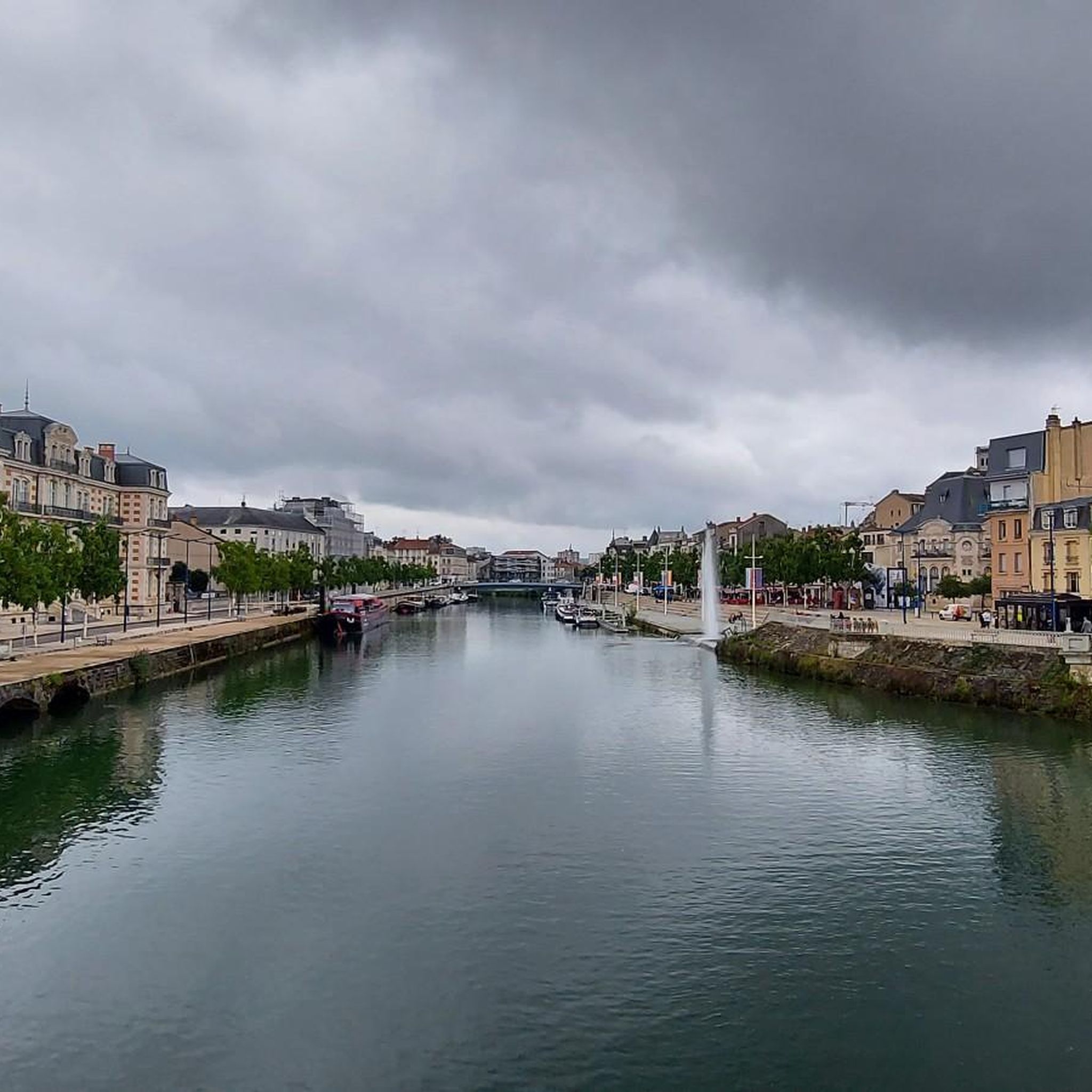
Beautiful view over Verdun and the Meuse valley. On the nearby main road it is wonderful to drive downhill, but uphill is only recommended to a limited extent due to the busy traffic.
7
0

The weight of history and sacrifice. Not to be missed.
1
0
The Ossuary of Douaumont is an impressive memorial that holds the remains of more than 130,000 unknown French and German soldiers who died during the Battle of Verdun (1916). The bones are visible through small windows in the base – a confronting reminder of the horrors of war. In front of the ossuary is the Nécropole nationale de Douaumont, the largest French military cemetery of the First World War, with 16,142 graves, including a Muslim and Jewish plot. The complex was recognized as a UNESCO World Heritage Site in 2023.
8
0

Silent witnesses to the destructive madness
1
0
For enthusiasts who want to marvel at this impressive hall. Here you come face to face with a war machine.
6
0
The Myth of the First World War “In memory of the French soldiers who sleep standing, rifle in hand, in this trench – their brothers in America.” This is the inscription in front of the Memorial of the Battle of Verdun in the ghost town of Douaumont. The monument was financed by a wealthy American banker, George T. Rand, who was moved by the famous legend surrounding the site. It is said that French soldiers buried standing, with weapons in hand, died from enemy shells. Bayonet Trench is one of the myths of the First World War. In 1922, it was classified as a historical monument and in 2014 it was considered a site of national importance. After the war, excavations uncovered 21 bodies of French soldiers. Fourteen were identified and buried in the Necropolis of Fleury, opposite Douaumont. The seven other bodies that remained unknown were reburied in the "Bayonet Trench". For many, the myth persists, while others question it. Especially since no body was found standing upright. In any case, the legend of the "Bayonet Trenches" shows above all how much the Great War left an almost indelible mark on the collective imagination. As the bloody conflict of the Battle of Verdun drew to a close, glorious stories quickly emerged in which the nation sacrificed itself for the fatherland. Source: https://www.landofmemory.eu/sites-historiques/tranchee-des-baionnettes/
7
0

Take a moment to pause between the ossuary and this stone garden; tranquility reigns here. Don't forget to thank our brave soldiers for their ultimate sacrifice.
1
0
Frequently Asked Questions
What kind of terrain can I expect on road cycling routes near Gincrey?
The region around Gincrey offers varied terrain, characterized by the Meuse river valley with well-maintained and almost gradient-free cycle paths, extensive forests, and gentle hills. You'll find a mix of tranquil riverside paths and quiet country roads, including many excellent 'D roads' (departmental roads) with low traffic and good pavement quality, making them suitable for road cyclists.
How many road cycling routes are available around Gincrey?
There are nearly 30 road cycling routes around Gincrey, catering to various skill levels. These routes are highly rated by the komoot community, with an average score of 4.6 stars.
Are there routes suitable for beginners or those looking for an easy ride?
Yes, Gincrey offers options for easier rides. The Meuse river valley provides well-maintained and largely gradient-free cycle paths, ideal for relaxed cycling. Out of the nearly 30 routes, 10 are classified as easy, allowing for a comfortable experience.
Can I explore historical sites while road cycling near Gincrey?
Absolutely. The Gincrey area is rich in World War I history. Many routes allow you to combine cycling with historical exploration. For instance, the Verdun Memorial – Douaumont Ossuary loop from Ornes passes significant sites like the Verdun Memorial and Douaumont Ossuary. You can also visit attractions such as Fort de Vaux, The Lion of Souville, and the Bayonet Trench Memorial.
Are there any circular road cycling routes in the Gincrey area?
Yes, many of the road cycling routes around Gincrey are designed as loops, allowing you to start and end at the same point. Examples include the Monthairons Castle – Domaine de Sommedieue loop from Étain and the Verdun Memorial – Douaumont Ossuary loop from Étain, which offer varied scenery and historical points of interest.
What is the best time of year for road cycling in Gincrey?
The Meuse region generally offers favorable conditions for cycling. Spring and autumn often provide pleasant temperatures and beautiful scenery, with autumn showcasing extensive forests. Summer is also suitable, especially along the riverside paths of the EuroVelo 19, which are well-maintained.
What do other road cyclists enjoy most about cycling in Gincrey?
The area is highly rated by the komoot community, with an average score of 4.6 stars from nearly 20 reviews. Cyclists often praise the blend of historical exploration with natural beauty, the well-maintained cycle paths, and the quiet country roads that make for a stress-free cycling experience.
Are there any notable landmarks or viewpoints along the road cycling routes?
Yes, the routes often pass by significant landmarks. Beyond the historical sites like the Verdun Memorial and Douaumont Ossuary, you can encounter the impressive Lion of Souville, symbolizing French resistance. The varied landscapes along the Meuse river and through forests also offer scenic viewpoints.
How long do road cycling routes typically take around Gincrey?
Route durations vary depending on distance and elevation. For example, the Verdun Memorial – Douaumont Ossuary loop from Ornes, which is 34.0 miles (54.7 km), typically takes about 2 hours 20 minutes. Longer routes like the Monthairons Castle – Domaine de Sommedieue loop from Étain (45.4 miles / 73.1 km) can take closer to 3 hours.
Is Gincrey suitable for family-friendly road cycling?
Yes, the region offers family-friendly options, particularly along the EuroVelo 19 (Meuse Cycle Route). This route follows the Meuse river valley on well-maintained and largely gradient-free cycle paths, making it ideal for relaxed cycling with families. The low-traffic country roads also contribute to a safer and more enjoyable experience for all ages.
Are there any routes that feature castles or other architectural points of interest?
Yes, some routes incorporate historical architecture. For instance, the Monthairons Castle – Domaine de Sommedieue loop from Étain features historical castles and varied rural scenery, offering a cultural dimension to your ride.
How well-developed is the cycling infrastructure in the Meuse department around Gincrey?
The cycling infrastructure in the Meuse department is generally favorable. The EuroVelo 19 route, which passes through this region, is well-developed and signposted, ensuring a largely stress-free cycling experience. Many 'D roads' are also excellent for cycling, characterized by low traffic and good pavement quality.
Most popular attractions around Gincrey

Get inspired with the komoot mobile app


Explore more
Browse the best Road cycling routes in other regions.
