Attractions and Places To See around Senon - Top 11
Best attractions and places to see around Senon include historical sites and natural features. Senon, a commune in the Meuse department of France, is known for its archaeological discoveries, including a dense Gallic settlement and Roman remains. Its proximity to significant World War I battlefields and other notable towns makes it a point of interest for visitors. The area offers a blend of historical exploration and opportunities to experience the local natural landscape.
Best attractions and places to see around…
Last updated: July 2, 2026
Amel Pond Observatory
Highlight • Other
Translated by Google •
Tip by

Vaux-Devant-Damloup
Highlight • Settlement
Translated by Google •
Tip by

Sign up now to discover places like this
Get recommendations on the best single tracks, peaks, & plenty of other exciting outdoor places.
Sign up for free
Ruins of Église Saint-Michel
Highlight • Historical Site
Translated by Google •
Tip by

Bezonvaux
Highlight • Other
Translated by Google •
Tip by
Vaux–Douaumont Gravel
Highlight (Segment) • Other
Don't forget to look into the vegetation every now and then because you will discover remains or memorials at regular points.
Translated by Google •
Tip by
Sign up for free to discover even more attractions around Senon.
Sign up for free
Already have an account?
Start today with a free account
Your next adventure awaits.
Login or Signup
Tips from the Community

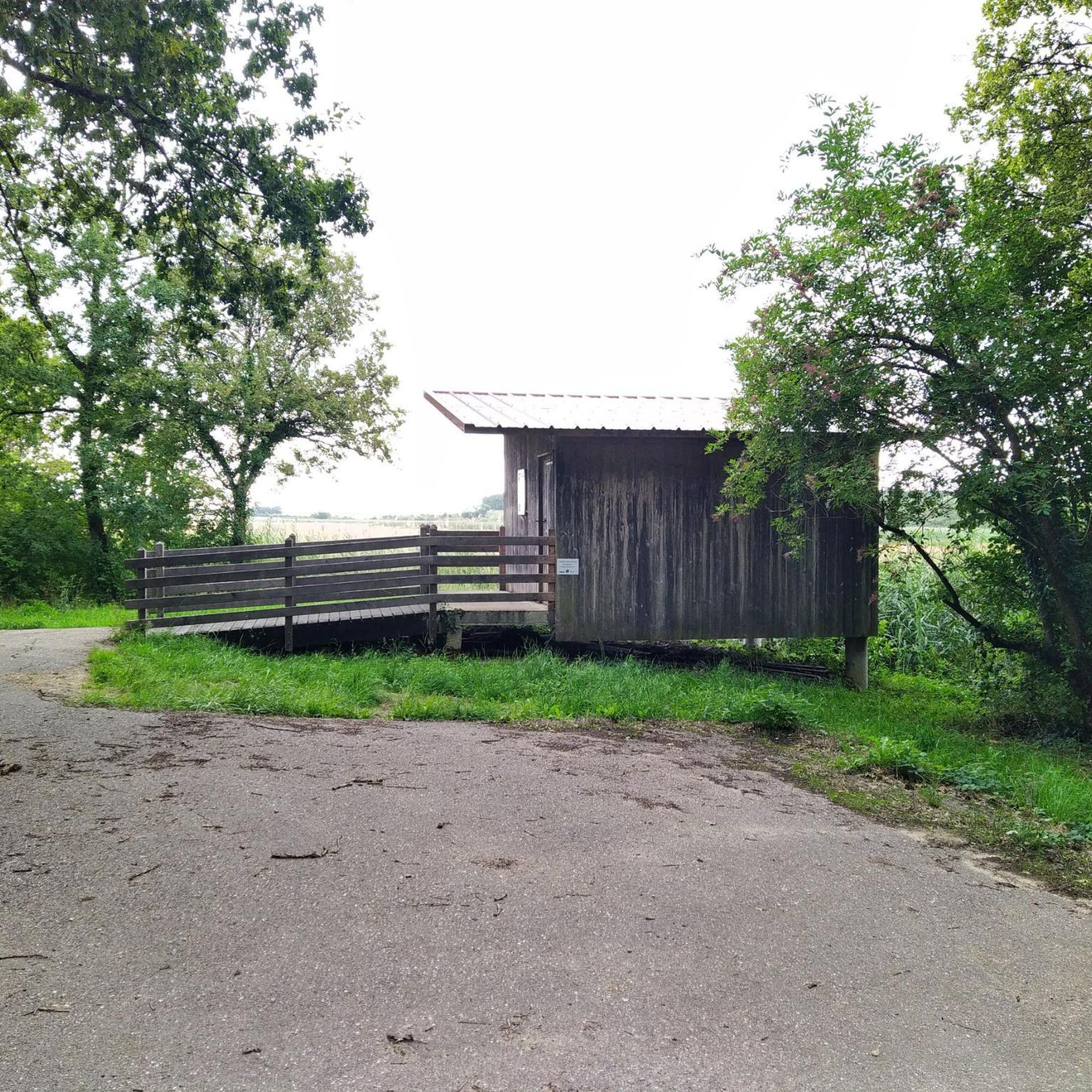
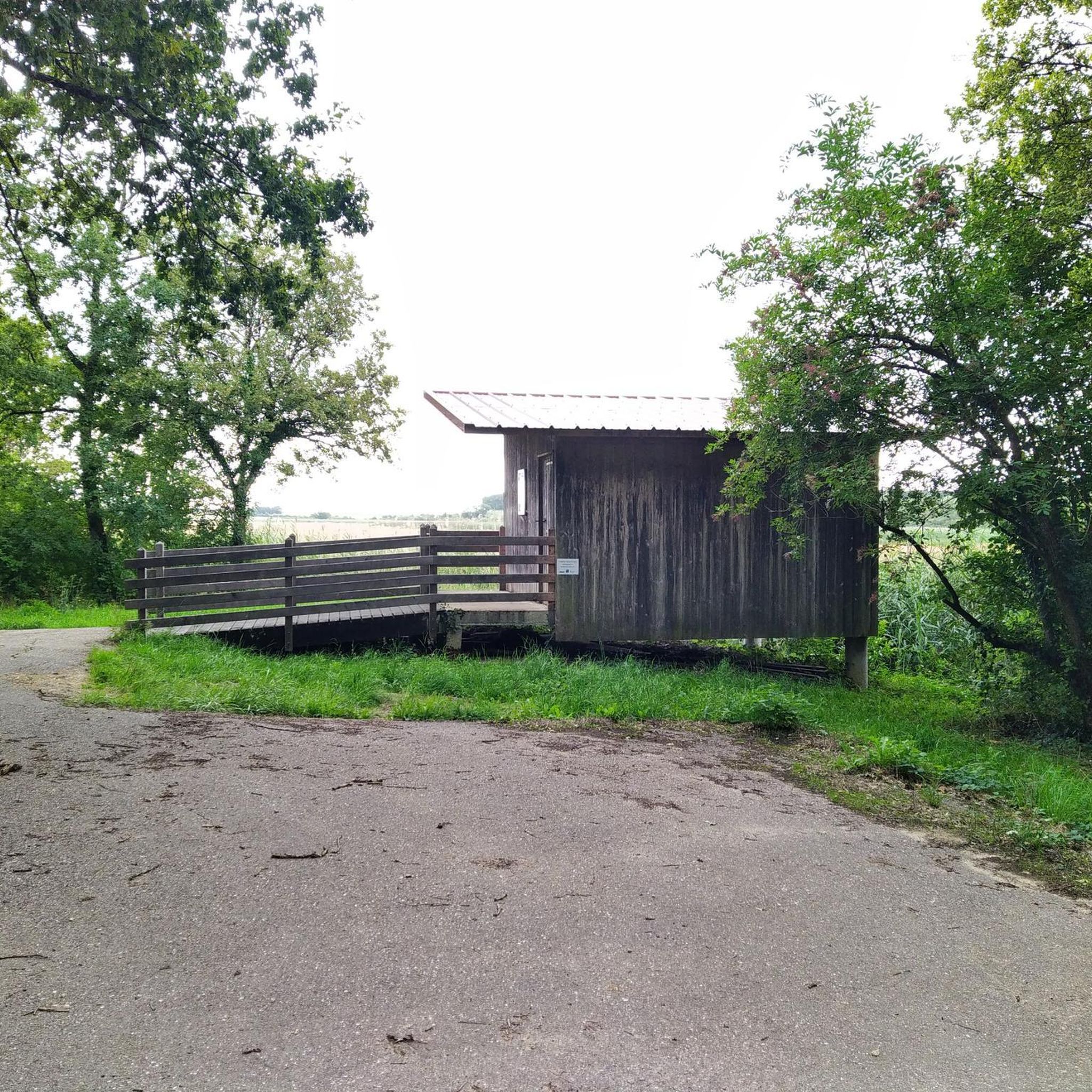
🔭 **Observatoire de l’Étang d’Amel – Nature Observation at the Pond** At the Étang d’Amel, there is a wooden observation post from which wildlife can be observed undisturbed. Waterfowl such as herons, ducks, and geese are particularly easy to spot here – depending on the season, even with their young. 🌾 The platform is sheltered from the wind, offers information panels about the regional fauna, and is idyllically situated among reeds, trees, and riparian grass. **Tip:** Bring binoculars! The chances of spotting birds are particularly good in the early morning or late afternoon. Ideal for nature lovers and families.
0
0

Ornes was a real city, larger than the other destroyed villages, but which eventually found itself, after the First World War, on the same site, or almost, under their stones. In the course of its history, its lord's castle suffered the same fate, when it was taken in February 1653 and then destroyed by the Catholic troops of Lorraine, while he, like his ancestors since 1563, vigorously defended Protestantism. As early as 1587, a very bloody battle took place between his troops and the Catholic troops of the Duke of Lorraine. In the mid-19th century, the city had 1,367 inhabitants, but in 1914 the number of inhabitants fell again to 750. This was mainly due to the rural exodus, which provided labour for the large industrial centres that were growing rapidly at the end of the 19th century. However, this city has an industrial textile and processing factory that is well suited to local agricultural production and textiles from the neighbouring Woëvre plain. But its geographical location, close to the border with the annexed Moselle and then on the front that had been stabilised after the Battle of the Marne, was not favourable for the area. In the event of an enemy offensive, the area would quickly find itself on the front line. For this reason, on 25 August 1914, the population was asked to leave the village. But not everyone left, at their own risk, because the bombardments and German patrols in the village became increasingly intense. In September 1914, two children were killed by shrapnel. In October 1914, several villagers who were about to leave were taken prisoner by the Germans... In 1915 and until February 1916, French troops held the village where units were positioned, in the second line opposite the front, at the beginning of the great German offensive. But from 21 to 24 February, the German advance was so strong that the village of Ornes was taken by their infantry on 24 February 1916, after heavy bombardments that destroyed all the houses and buildings in the village. It was not until 23 August 1917 that the area was retaken by our soldiers. At the end of the war, the area was classified as a 'red zone' and could never be rebuilt. Source: Tourism Verdun
3
0
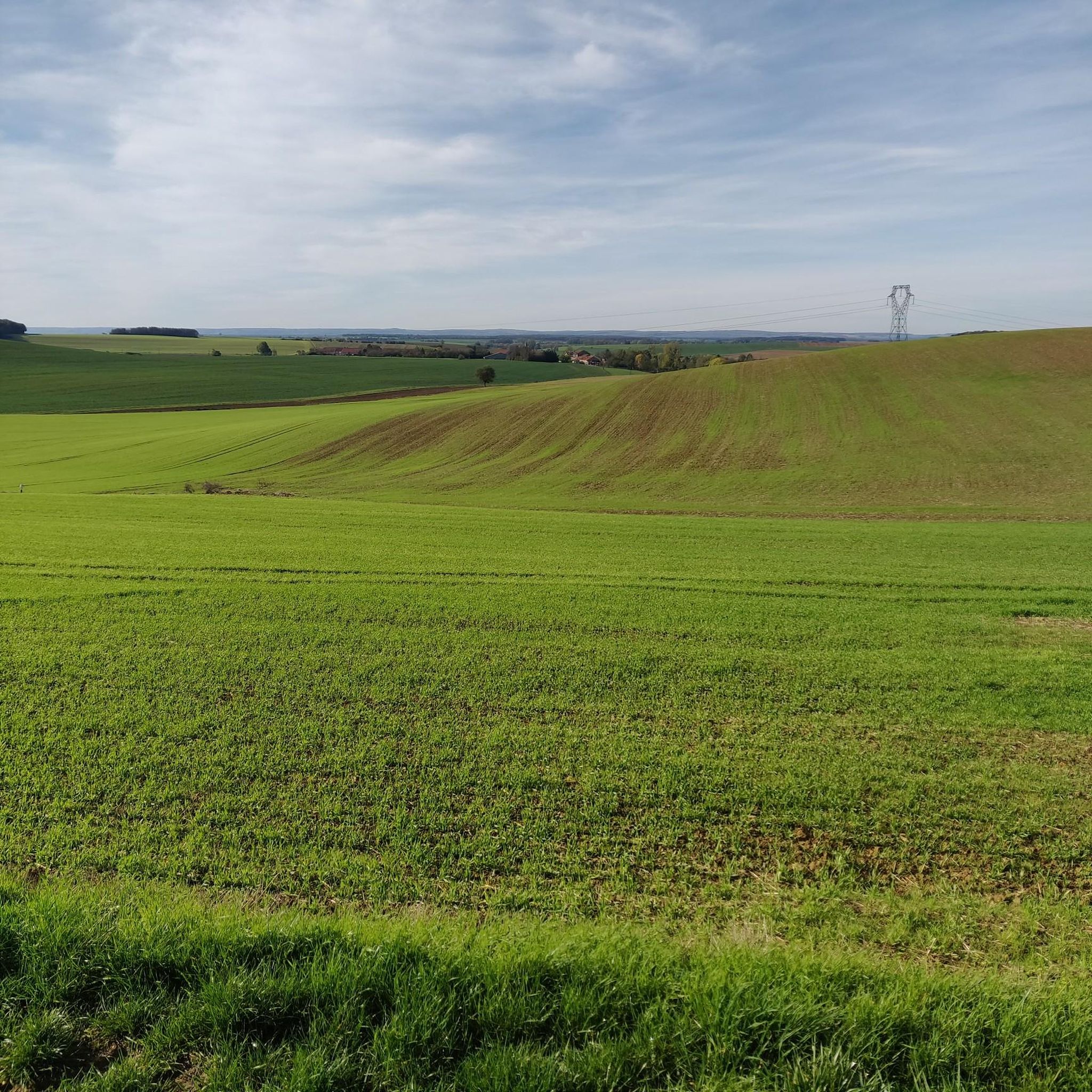
Beautiful route that winds through the battlefields of Verdun. Don't forget to look into the vegetation every now and then because you will discover remains or memorials at regular points.
2
0

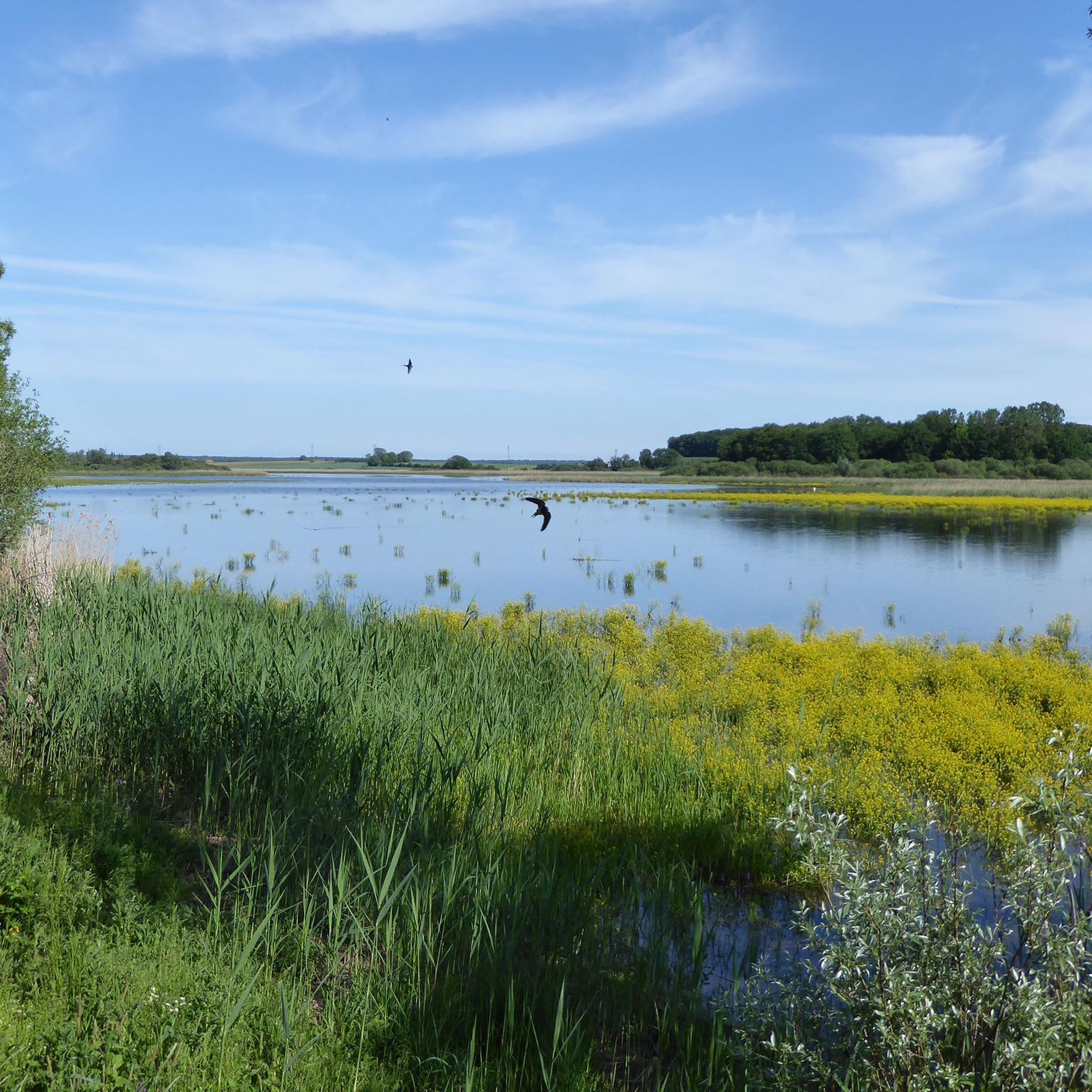
You can observe birds there without disturbing them. The pond is home to many rare and protected plant and animal species, such as the greater bittern, the little heron and the marsh copper. Enjoy the beauty and tranquility of this wetland habitat. An ideal break for your race.
2
0
You can observe birds there without disturbing them. The pond is home to many rare and protected plant and animal species, such as the great bittern, the dwarf heron and the marsh copper. Enjoy the beauty and tranquility of this wetland habitat.
3
0

The village of Vaux-Devant-Damloup lies in the heart of the Verdun battlefield. The Fort de Vaux bears his name. This village was completely destroyed during the Battle of Verdun in 1916. The year was 1924… The name Vaux-Devant-Damloup was to be removed from the map of France and the area of the commune, definitively classified in the “red zone”, had already been purchased by the state. The love for the native soil, the cult of memory, the reputation of the graves would soon bring together a bundle of good will and only the construction of a moral city, a city of souls, a harbinger of material reconstruction, modestly made this possible Already an artery had breathed some semblance of life into the deserted valley: an economic railway line had been restored; A small train station was built. To house the station's employees, modest houses had been built along the railway line. A school functioned in a barracks while waiting for something better. Under the energetic drive of its new mayor, the municipality launched various projects and immediately worked to realize them. An amount of 150,000 francs was allocated in successive installments for the creation of a new road network. The construction of a town hall school in 1928 inaugurated the rebirth of the town. A water supply was carried out and an electrical line was built. As the outskirts of the city became more hospitable, consideration was given to building a chapel, a memorial temple where the former residents and the families of the village's eighteen children who died on the Field of Honor would gather. To assert the legal personality of the new agglomeration, the municipality bought 30 hectares of land, while the mayor, his deputy and some other residents made the same gesture for their personal accounts: 200 hectares were thus deducted from the red zone. Today Vaux-Devant-Damloup is the only village rebuilt in the area of the battlefield, about 500 meters from the destroyed village. There are approximately thirty houses and 72 residents. Source: https://www.vauxdevantdamloup.fr/la-reconstruction_fr.html
2
0

Easy to drive gravel path to the impressive Douaumont monument. Last bit is steep!
0
0

This is one of the destroyed villages from WWI that were not rebuilt
2
0
Frequently Asked Questions
What historical sites can I explore within Senon itself?
Senon is rich in history, with recent archaeological discoveries revealing a dense Gallic settlement, paved Roman streets, and affluent Roman homes. These findings, along with hoards of ancient coins, highlight its long past. Additionally, the village is home to Les Vieux Métiers, a listed historic building.
Where can I learn about World War I history near Senon?
The area around Senon is deeply connected to World War I. Approximately 22 km away, Verdun offers significant sites like the Douaumont Ossuary, Fort Douaumont, the Verdun Memorial, and Fort de Vaux. You can also visit the poignant sites of Bezonvaux and Vaux-Devant-Damloup, which are among the villages destroyed and not rebuilt after the war. For an immersive experience, consider the Vaux–Douaumont Gravel route, which winds through the battlefields.
Are there other historical towns or landmarks worth visiting near Senon?
Yes, several notable historical sites are within easy reach. Longwy, about 28 km away, features important Vauban fortifications. Metz, around 43 km from Senon, boasts a stunning cathedral and grand 18th-century squares. For a glimpse into medieval life, Rodemack, one of France's 'Most Beautiful Villages,' is a fortified medieval village approximately 48 km away.
What natural attractions are there to visit around Senon?
Senon offers several natural points of interest. Within the commune, you can find Parc de la Marre. Just 1.3 km away is Amel Pond Observatory, a fantastic spot for birdwatching and observing rare plant and animal species from a wooden observation post. The broader Lorraine Regional Natural Park also provides opportunities to experience the peaceful countryside.
Are there opportunities for hiking near Senon?
Absolutely! The region around Senon is great for hiking. You can find various trails, including the moderate Étang d'Amel Loop, which is about 8 km long. Other routes like 'Pc du Colonel Driant – First-aid station loop' and 'Le Moulin de Rouvres loop' offer diverse experiences. For more options, explore the Hiking around Senon guide.
Can I find cycling routes around Senon?
Yes, there are several cycling options. For mountain biking, routes like the 'Douaumont Ossuary loop' offer challenging terrain. Road cyclists can enjoy scenic rides such as the 'Beautiful streets 😬 – Castle of La Fontaine loop'. You can discover more routes in the MTB Trails around Senon and Road Cycling Routes around Senon guides.
What are some family-friendly activities or attractions near Senon?
Families can enjoy the Amel Pond Observatory, where children can learn about local wildlife and spot birds. For a more active experience, SnowWorld Amnéville, an indoor ski resort, offers recreational activities suitable for all ages.
What is the best time of year to visit Senon and its surrounding attractions?
The spring and autumn months generally offer pleasant weather for exploring the historical sites and natural landscapes around Senon. These seasons avoid the peak summer heat and offer beautiful scenery, especially in the Lorraine Regional Natural Park. For WWI sites, any time of year is suitable, though cooler months might be more comfortable for extensive outdoor exploration.
What do visitors particularly enjoy about the attractions near Senon?
Visitors appreciate the blend of profound historical significance and tranquil natural beauty. The WWI battlefields, such as those around Bezonvaux and the Vaux–Douaumont Gravel route, offer a moving and educational experience. Nature lovers enjoy the peaceful birdwatching at Amel Pond Observatory, noting the chance to see rare species. The komoot community has collectively upvoted these attractions 11 times and shared 8 photos, highlighting their appeal.
Are there any unique cultural experiences near Senon?
Beyond the WWI sites, Senon's own archaeological discoveries offer a unique insight into ancient Gallic and Roman life. The nearby fortified medieval village of Rodemack also provides a distinct cultural experience, transporting visitors back in time with its well-preserved heritage.
Is there public transport available to reach attractions near Senon?
While Senon is a small commune, public transport options to some of the more distant attractions like Verdun or Metz might be available via regional bus services or trains from larger nearby towns. However, for exploring the immediate vicinity and smaller historical sites, having a car is generally recommended for flexibility and ease of access.

Get inspired with the komoot mobile app


Explore more
Still not found the Highlight you’re looking for? See guides of the top attractions in other regions:
