The best road cycling routes around Saint-Remy-La-Calonne
4.3
(32)
868
riders
67
rides
Road cycling routes around Saint-Remy-La-Calonne traverse a landscape characterized by rolling terrain, historical sites, and agricultural areas. The region features a mix of open fields, woodlands, and river valleys, providing varied scenery for road cyclists. Elevation changes are generally moderate, with some routes incorporating climbs to viewpoints or through forested sections. The area offers a network of roads suitable for exploring its cultural heritage and natural surroundings.
Best road cycling routes around Saint-Remy-La-Calonne
- The most popular road cycling route is…
Last updated: July 2, 2026
17
riders
Moderate road ride. Good fitness required. Some segments of this route may be unpaved and difficult to ride.
25
riders
99.4km
04:08
690m
690m
Moderate road ride. Good fitness required. Mostly well-paved surfaces and easy to ride.

Sign up for free
12
riders
Moderate road ride. Good fitness required. Mostly well-paved surfaces and easy to ride.
13
riders
62.3km
02:44
520m
520m
Moderate road ride. Good fitness required. Mostly well-paved surfaces and easy to ride.
6
riders
Moderate road ride. Good fitness required. Some segments of this route may be unpaved and difficult to ride.
Get access to more routes and recommendations from other explorers.
Sign up for free
Already have an account?
Our route recommendations are based on thousands of hikes, rides, and runs completed by other people on komoot.
Start today with a free account
Your next adventure awaits.
Login or Signup



Tips from the Community

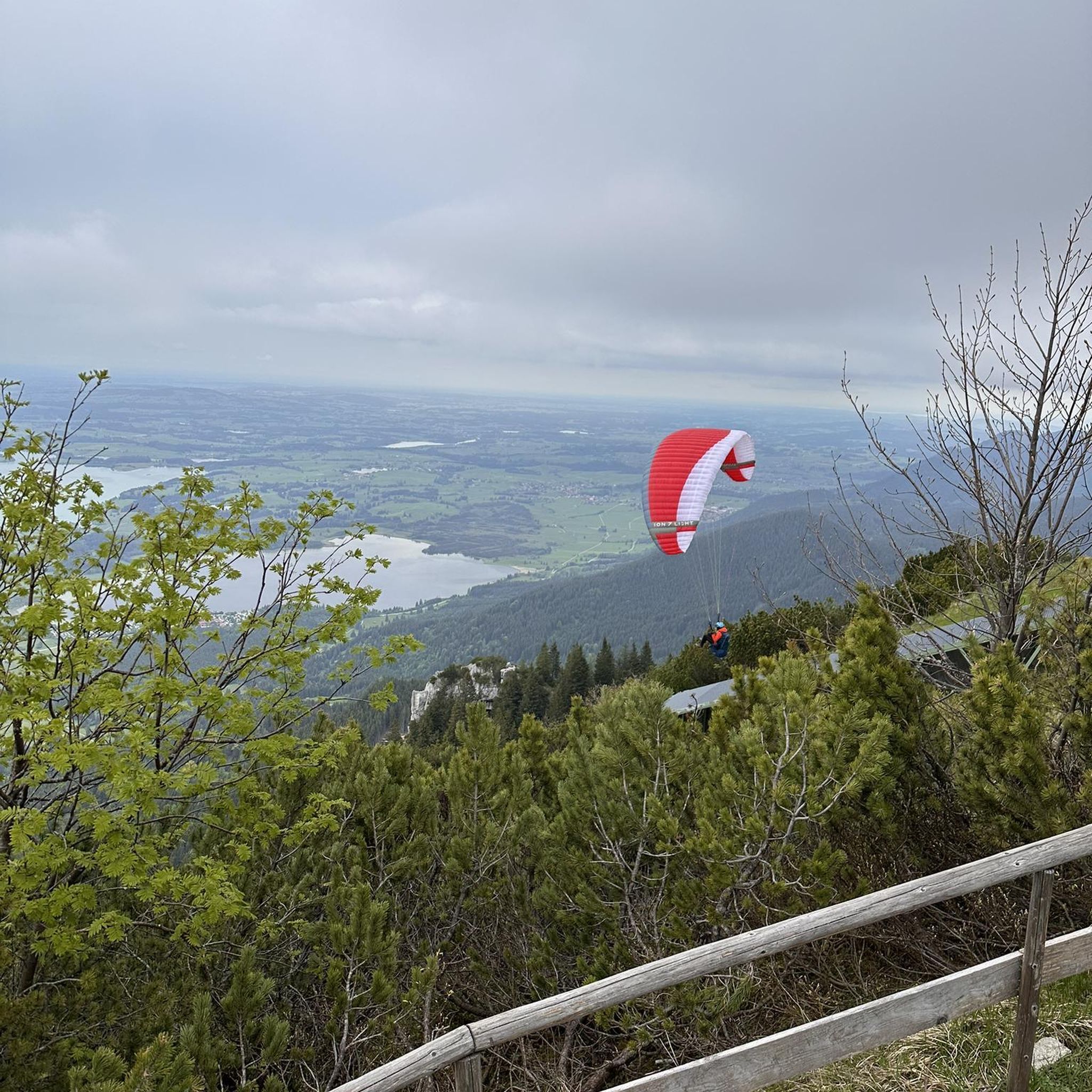
On top of the mountain ridge and constantly up and down. Plenty of shade thanks to the trees.
0
0
Nice road for cycling and avoiding busy roads.
0
0

Founded around 708 by Count Wulfoalde, this Benedictine abbey became an important religious and cultural centre in Lorraine. The abbey was under the protection of Charlemagne and flourished under Abbot Smaragdus in the 9th century. Today, you can still visit the abbey church of Saint-Michel, home to the masterpiece La Pâmoison de la Vierge by Ligier Richier. The 18th-century monastery library houses thousands of ancient works and is one of the most beautiful in the region.
7
0
This former abbey church forms the historic heart of Saint-Mihiel. Originally built in the 9th century, it took on its current form during major renovations in the 17th and 18th centuries. Inside, you can admire a magnificent baroque organ (1679–1681), colourful stained glass windows and the masterpiece La Pâmoison de la Vierge by sculptor Ligier Richier. A place where art, history and spirituality come together.
5
0
The Meuse at Verdun plays a crucial role in both the landscape and the history of the region. Cutting deeply through the hilly terrain, it has provided a natural defensive advantage—something that became painfully clear during the Battle of Verdun in 1916, one of the longest and bloodiest battles of the First World War. In addition to its strategic importance, the Meuse also has a more peaceful face: it flows peacefully along the banks of the city of Verdun, connecting the past with the present in a landscape that breathes history.
6
0
Saint-Mihiel is picturesquely situated on the Meuse, on the edge of the Lorraine Regional Nature Park. The town grew around a Benedictine abbey, founded in the 8th century, and flourished during the Renaissance. Visit the abbey with its impressive library, the Museum of Sacred Art, and the Saint-Michel church. Wander the charming streets, admire the sculptures of Ligier Richier, and taste local specialities such as the “croquets” and “rochers de Saint-Mihiel”. A town full of history, culture and character.
7
2
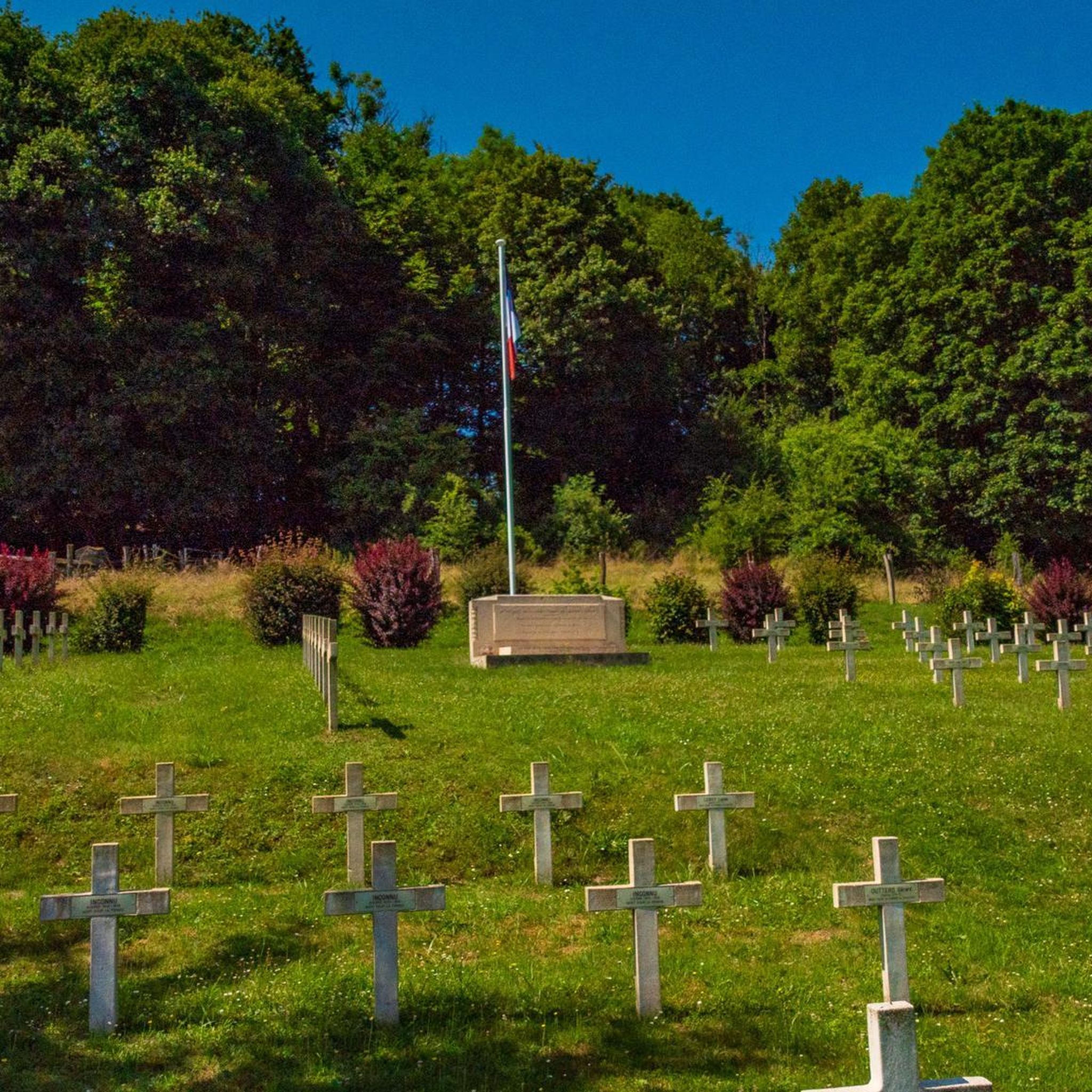
Monument in memory of André Maginot, a French politician who volunteered for the army in 1914. He was wounded near Verdun, but remained bravely at his post. After the war, as a minister, he committed himself to strengthening the French defense, which eventually led to the construction of the famous Maginot Line.
8
0
Inaugurated in 1928, this war memorial in Verdun honours the city’s inhabitants who died for France in both world wars. It was built on the remains of a military butcher’s shop, on the crescent of the Chaussée, a 17th-century fortification. The sculpture depicts five soldiers – a cavalier, an engineer, an infantryman (poilu), an artilleryman and a territorial – forming a symbolic wall under the motto of Verdun: “On ne passe pas”.
8
0
Frequently Asked Questions
How many road cycling routes are available around Saint-Remy-La-Calonne?
There are over 50 road cycling routes around Saint-Remy-La-Calonne, offering a variety of distances and difficulty levels to explore the region's historical sites, woodlands, and agricultural plains.
Are there easy road cycling routes suitable for beginners in Saint-Remy-La-Calonne?
Yes, Saint-Remy-La-Calonne offers several easier road cycling routes. The region's generally moderate elevation changes mean many paths are accessible for those new to road biking. You can find about 10 routes categorized as easy.
What kind of terrain can I expect on road cycling routes in this region?
The terrain around Saint-Remy-La-Calonne is characterized by rolling hills, open fields, woodlands, and river valleys. While elevation changes are generally moderate, some routes include climbs to viewpoints or through forested sections, providing varied scenery.
Are there any challenging road cycling routes for experienced riders?
For experienced riders seeking a challenge, there are a few more demanding routes. For instance, the Verdun Citadel – Verdun Memorials and Monuments loop from Les Éparges is a longer, moderate route covering over 105 km with significant elevation gain, connecting important historical landmarks.
What are some scenic routes with good views around Saint-Remy-La-Calonne?
Many routes offer scenic views as they traverse agricultural plains and woodlands. The Château d'Hattonchâtel – Hadimel Ravine loop from Fresnes-en-Woëvre, for example, leads through historical villages and natural ravines, providing picturesque landscapes.
What historical sites or attractions can I see along the road cycling routes?
The region is rich in history. You can encounter sites like the Abbaye de l'Étanche, the German Military Cemetery Viéville-sous-les-Côtes, and the Memorial First World War, Les Èsparges the cemetery. Routes often connect these significant landmarks, offering a blend of cycling and cultural exploration.
Are there any loop routes available for road cyclists?
Yes, many of the road cycling routes around Saint-Remy-La-Calonne are designed as loops, allowing you to start and finish at the same point. Examples include the Saint-Mihiel – Saint-Mihiel Abbey Church loop from Hannonville-sous-les-Côtes and the The Meuse at Verdun – Monthairons Castle loop from Quart en réserve.
What is the best time of year for road biking in Saint-Remy-La-Calonne?
The best time for road biking in Saint-Remy-La-Calonne is typically from spring through early autumn (April to October). During these months, the weather is generally mild, and the natural scenery of open fields and woodlands is at its most vibrant. Summer offers longer daylight hours, while spring and autumn provide comfortable temperatures and fewer crowds.
What do other road cyclists say about the routes in Saint-Remy-La-Calonne?
The road cycling routes in Saint-Remy-La-Calonne are highly rated by the komoot community, with an average score of 4.4 stars from over 20 reviews. Cyclists often praise the region for its quiet roads, varied historical landscapes, and the opportunity to explore cultural heritage by bike.
Are there any routes that pass by natural attractions like lakes or ponds?
Yes, some routes will take you near natural water features. For example, the Longeau Ponds are a notable natural attraction in the area, offering a peaceful setting that can be incorporated into your ride.
Can I find routes that are suitable for a family road cycling outing?
While specific 'family-friendly' designations for road cycling can vary, the region's easier routes with moderate elevation changes are generally suitable for families with older children or those comfortable with longer distances on paved roads. Look for routes categorized as 'easy' to start.
Are there any hidden gem routes or less-traveled paths for road cycling?
The region's extensive network of roads through agricultural areas and woodlands often includes quieter, less-traveled paths. Routes like Up and down through the woods – Quiet road along the banks loop from Hannonville-sous-les-Côtes offer a chance to discover serene landscapes away from main roads.
Most popular routes around Saint-Remy-La-Calonne
Most popular attractions around Saint-Remy-La-Calonne

Get inspired with the komoot mobile app


Explore more
Browse the best Road cycling routes in other regions.
