Attractions and Places To See around Lignol-Le-Château - Top 20
Best attractions and places to see around Lignol-Le-Château, a commune in France's Grand Est region, include historical monuments and natural landscapes. The area is situated in the Aube department and is part of the local hydrographic network, featuring the Aube River. Visitors can explore cultural sites, trails, and nearby villages with historical significance. The region offers a variety of points of interest for those seeking to discover its heritage and outdoor opportunities.
Best attractions and places to see around Lignol-Le-Château
- The most popular attractions is Bar-sur-Aube, a settlement where the Aube and Bresse rivers converge. This town is surrounded by Champagne vineyard hillsides, making it a renowned place for champagne production.
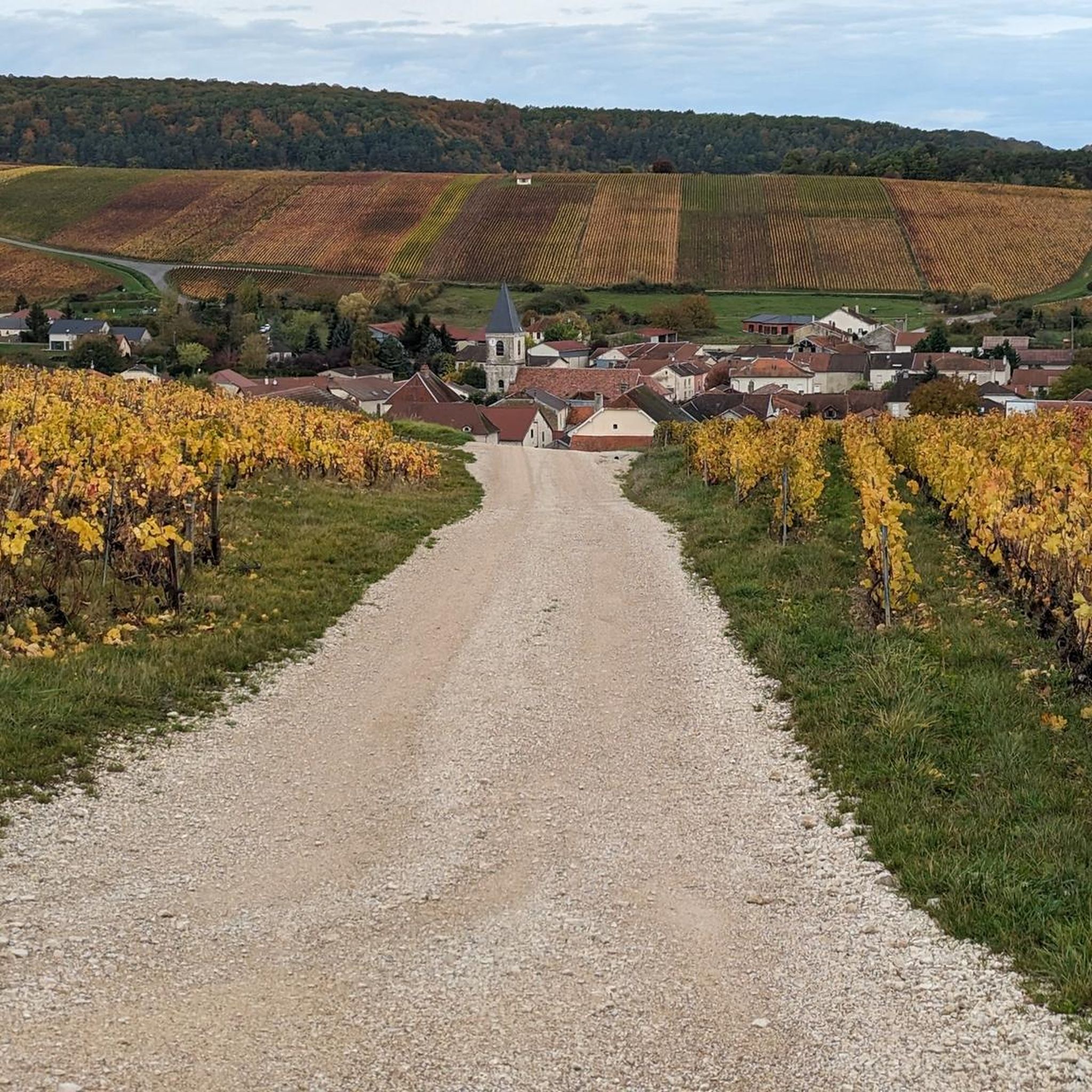
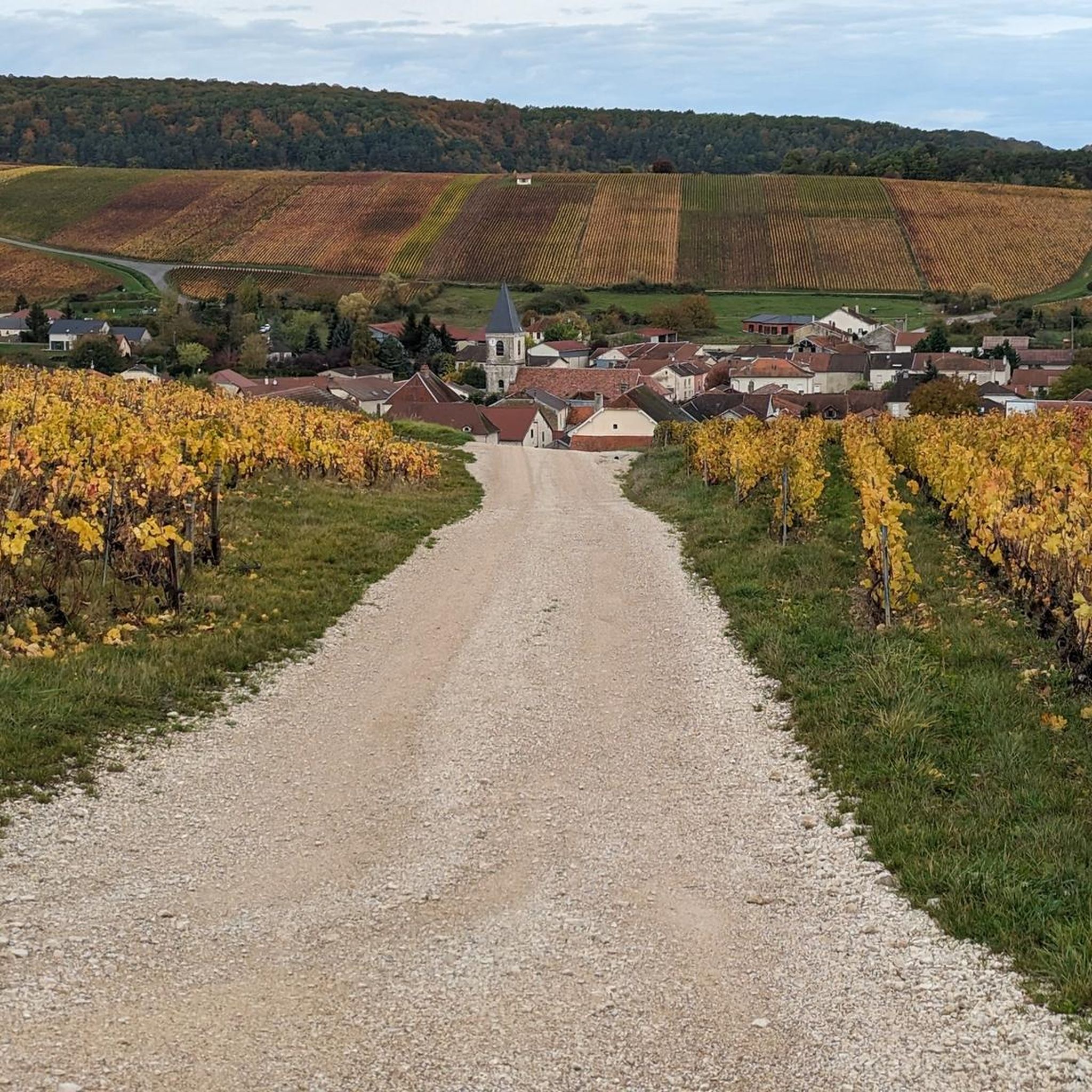
- Another must-see spot is Gravel Path Through the Vineyards, a trail offering panoramic views of the vineyards. Visitors can experience a challenging climb with coarse gravel, particularly near the top, with rewarding vistas.
- Visitors also love Tomb of General de Gaulle / Grave of Charles de Gaulle, a cemetery located in Colombey-les-Deux-Églises. This site is where Charles de Gaulle was buried in 1970 and can be visited.
- Lignol-Le-Château is known for historical sites, natural features, and trails. The area offers a mix of cultural landmarks and outdoor activities to explore.
- The attractions around Lignol-Le-Château are appreciated by the komoot community, with more than 30 upvotes and 10 photos shared.
Last updated: August 17, 2026
Abbey of Clairvaux
Highlight • Historical Site
Translated by Google •
Tip by

Tomb of General de Gaulle / Grave of Charles de Gaulle
Highlight • Other
Translated by Google •
Tip by

Sign up now to discover places like this
Get recommendations on the best single tracks, peaks, & plenty of other exciting outdoor places.
Sign up for free
Bar-sur-Aube
Highlight • Settlement
Translated by Google •
Tip by

Saint Pierre Church of Bar-sur-Aube
Highlight • Religious Site
Translated by Google •
Tip by
Gravel Path Through the Vineyards
Highlight • Trail
Translated by Google •
Tip by
Sign up for free to discover even more attractions around Lignol-Le-Château.
Sign up for free
Already have an account?
Start today with a free account
Your next adventure awaits.
Login or Signup

Tips from the Community

This is where the de Gaulles are buried. Charles de Gaulle's grave lies between the large memorial/museum and the La Boisserie residence, so it's easily accessible on the way from one to the other.
0
0

Former Cistercian abbey from the 12th century, rebuilt in the 18th century then transformed into a prison in the 19th century by Napoleon. Consult the opening hours and visiting conditions: https://www.abbayedeclairvaux.com/
0
0
Former Cistercian abbey from the 12th century, rebuilt in the 18th century then transformed into a prison in the 19th century by Napoleon. Consult the visiting conditions: https://www.abbayedeclairvaux.com/
0
0

The St. Peter's Church in Bar-sur-Aube is a church dedicated to the apostle Peter. The church is located in the town of Bar-sur-Aube, in the Aube department, in the Grand Est region. The church dates from the 12th century and is Romanesque in style. The church has a remarkable organ from the 17th century, which originally came from another monastery. The church also has an 18th century tower, which offers a beautiful view of the town and the Aube River.
8
0
Via Francigena: During this stage, a stop in Bar-sur-Aube is a must. Situated on a north-south axis, the town acquired strategic importance and the status of a commercial centre during the period of the Counts of Champagne. The latter had indeed guaranteed the security of the merchants and set up an adapted logistical organisation that contributed to the development of Bar-sur-Aube as a commercial centre. Thus, from mid-February to mid-April, traders from Flanders and Italy exchanged oriental spices, silk, textiles and raw materials from Northern Europe. The architecture of the town bears witness to this past activity.
7
0

The Saint-Pierre Church of Bar-sur-Aube is a historic monument which deserves special attention. Dating from the 12th century, it has remarkable architecture with its harmonious apse and its halloy, a 14th century wooden portico which gives it a unique exterior originality. Inside, the nave offers a beautiful perspective, allowing you to admire the capitals of very Cistercian simplicity and the vault. The church also houses a Romanesque Sedes Sapientiae from the 12th century and sculptures from the 16th century, including a particularly beautiful Virgin and Child with a Bouquet. The Bouchardon altarpiece dating from 1736 and the magnificent Baroque organ case from the 18th century are also notable elements of this heritage. Visitors appreciate the calm and light of the nave, which reveals traces of past polychromy. The exhibition of 16th century statuary and the organ case in three bodies from three distinct periods add to the historical and artistic richness of Saint-Pierre Church. In short, the Saint-Pierre Church is a jewel of Bar-sur-Aube which offers visitors a journey through time and sacred art. It is a living testimony to the history and culture of the region, and its visit is highly recommended for those interested in religious architecture and art history.
4
0

This serious road offers a great reward to those who take it. You will be amazed by the splendid panorama of the vineyards. If you visit it in autumn, you will be dazzled by the colors of the leaves turning orange and red.
0
0
Two rivers cross the pretty town of Bar-sur-Aube. These are the Aube river which gives its name to the department and the Bresse. Numerous Champagne vineyard hillsides surround it, which makes it a renowned place for the production of champagne.
2
0
Frequently Asked Questions
What historical sites can I visit around Lignol-Le-Château?
You can explore several historical sites. The Tomb of General de Gaulle / Grave of Charles de Gaulle in Colombey-les-Deux-Églises is a significant site where Charles de Gaulle was buried. Additionally, the Église Saint-Sylvestre in Lignol-Le-Château is a classified historical monument known for its 16th-century painted altarpiece. Nearby, the Saint Pierre Church of Bar-sur-Aube, dating from the 12th century, features remarkable Romanesque architecture and a Baroque organ.
Are there any family-friendly attractions near Lignol-Le-Château?
Yes, for family fun, Nigloland Amusement Park is located approximately 15.8 km away in Dolancourt and is a highly visited recreational site. While the Château de Lignol-le-Château is private, the nearby Château de Rennepont is listed as family-friendly and has a rich history.
What outdoor activities are available around Lignol-Le-Château?
The area offers various outdoor activities. You can enjoy fishing, pétanque, and mountain biking. The commune also has swimming facilities. For those interested in routes, there are options for cycling, gravel biking, and hiking. You can find detailed routes and guides for cycling, gravel biking, and hiking around Lignol-Le-Château.
Where can I go hiking near Lignol-Le-Château?
There are several hiking trails available. A popular choice is the Gravel Path Through the Vineyards, which offers panoramic views. Other options include the "View of the Vineyards – Bar-sur-Aube loop" and the "Bar-sur-Aube – Sainte-Germaine Hill loop." You can explore more hiking routes in the hiking guide for Lignol-Le-Château.
What natural features or viewpoints can I find?
The region is characterized by the Aube River, which is part of the local hydrographic network. You can also experience stunning natural views from the Gravel Path Through the Vineyards, which provides a splendid panorama of the surrounding vineyards, especially vibrant in autumn.
What is Bar-sur-Aube known for?
Bar-sur-Aube is a charming town where the Aube and Bresse rivers converge. It is renowned for its champagne production, being surrounded by Champagne vineyard hillsides. Historically, it was a significant commercial center during the period of the Counts of Champagne, and its architecture reflects this rich past.
Can I visit General de Gaulle's home in Colombey-les-Deux-Églises?
While General de Gaulle's property, "La Boisserie," is visible from the village of Colombey-les-Deux-Églises, it is not explicitly stated as open to the public in the provided information. However, his burial site, the Tomb of General de Gaulle / Grave of Charles de Gaulle, is open for visitors.
Are there any castles I can visit in the area?
The Château de Lignol-le-Château is a significant landmark with a Renaissance façade, but it is a private property and not open to visitors. However, the Château de Rennepont, with origins tracing back to a 9th-century castle, is a historical site that has been restored and offers a glimpse into the region's past.
What do visitors enjoy most about the vineyards around Lignol-Le-Château?
Visitors particularly enjoy the panoramic views offered by trails like the Gravel Path Through the Vineyards. The autumn season is especially popular for the dazzling colors of the leaves turning orange and red, providing a beautiful backdrop for outdoor activities.
Are there any specific cycling routes recommended?
Yes, there are several cycling routes. For touring bicycles, you can find routes like the "Rennepont – Clairvaux Abbey loop" or the "Bridge over the Aube – Bar-sur-Aube loop." If you prefer gravel biking, options include "La Barsurauboise" and the "Gaston Bachelard loop." More details are available in the cycling guide and gravel biking guide for the area.
What is the best time to visit Lignol-Le-Château for outdoor activities?
While specific seasonal recommendations are not provided, the vineyards are particularly beautiful in autumn when the leaves change color. For hiking and cycling, spring and summer generally offer pleasant weather. Always check local weather conditions before planning your visit.
Most popular routes around Lignol-Le-Château

Get inspired with the komoot mobile app


Explore more
Still not found the Highlight you’re looking for? See guides of the top attractions in other regions:
