The best running trails around Morvilliers
4.9
(16)
630
runners
75
runs
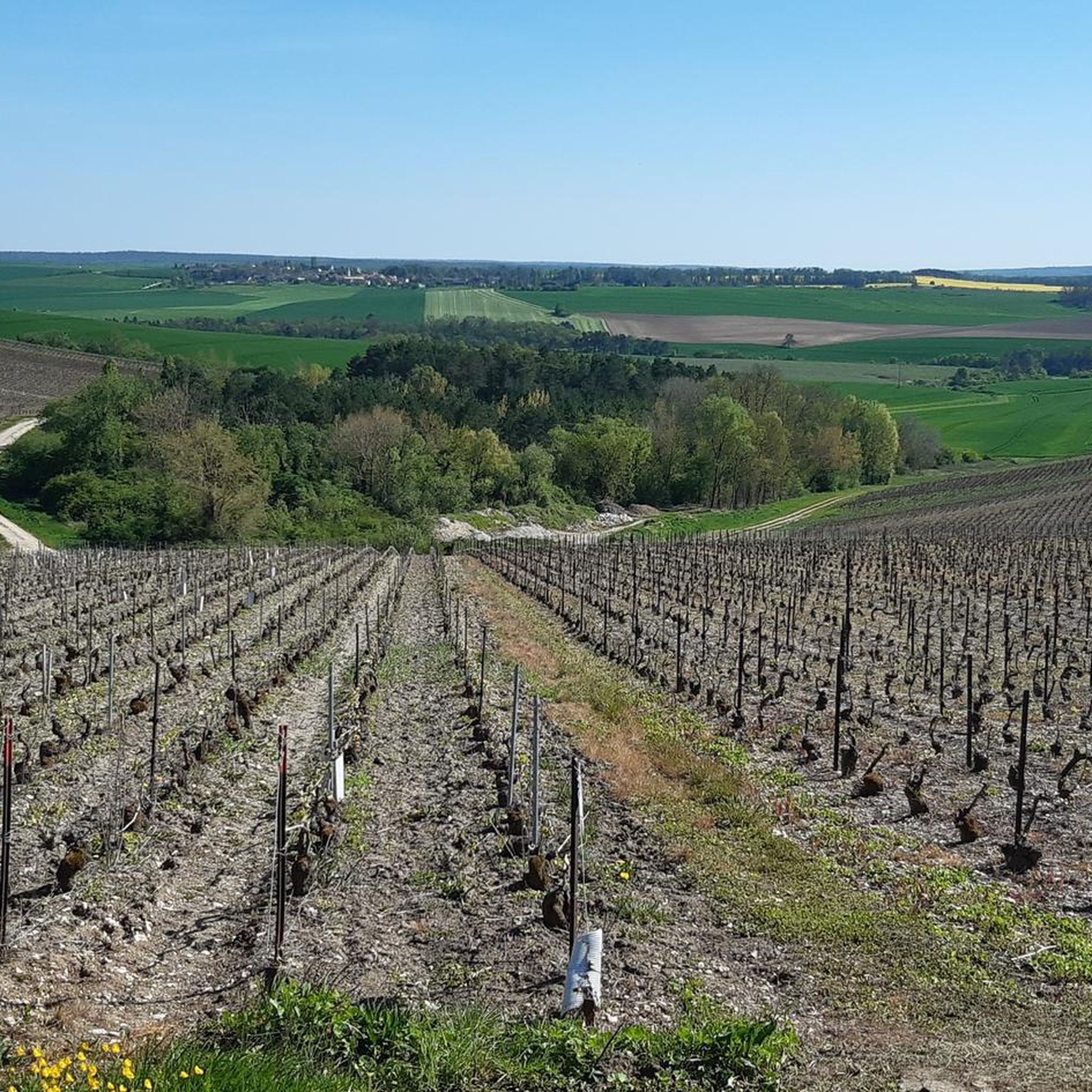
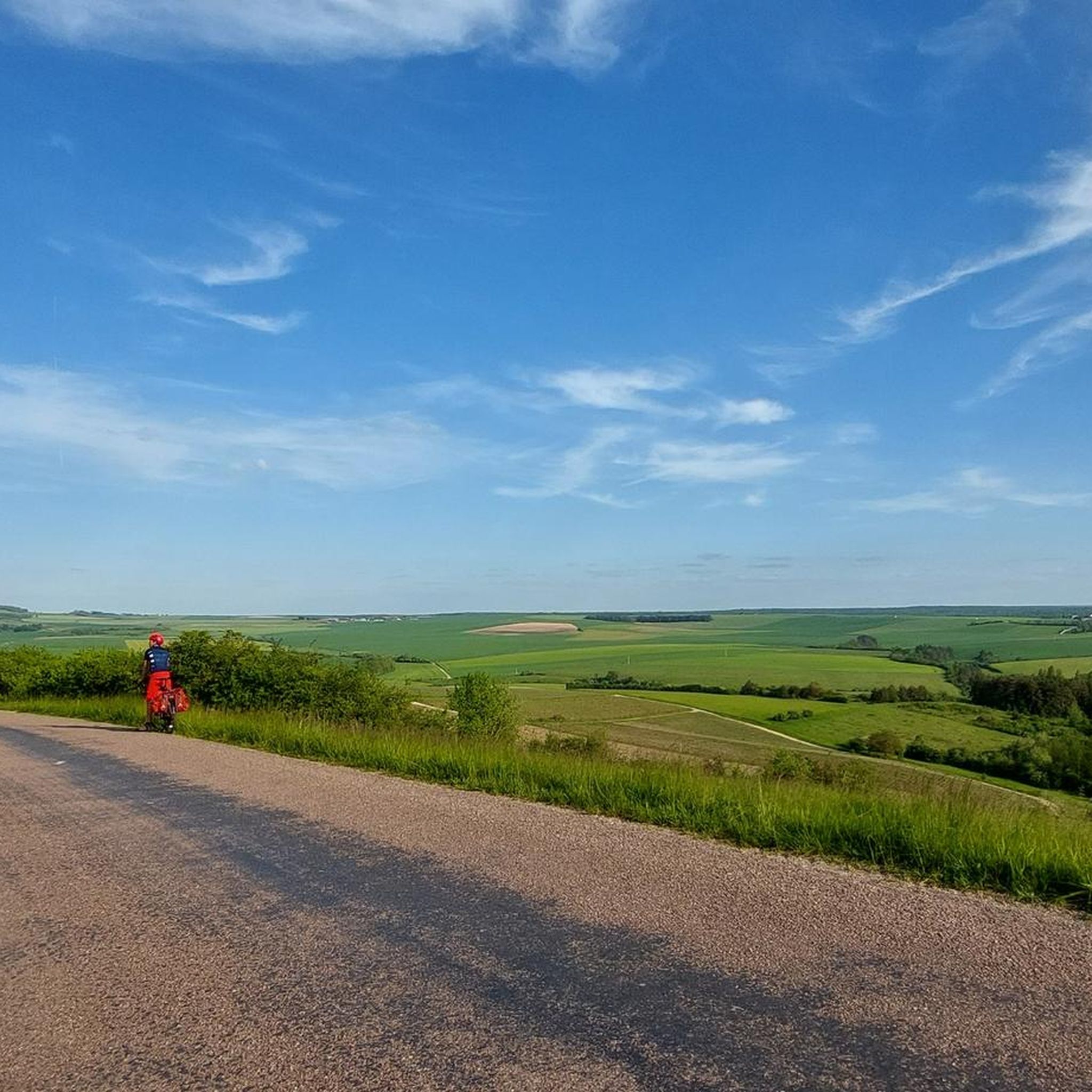
Jogging routes around Morvilliers offer access to diverse natural settings within the Aube department of France. The region is characterized by rolling hills, lush forests, and expansive agricultural lands, providing a varied terrain for outdoor pursuits. A significant feature is the presence of Lake Amance within the Forêt d'Orient Regional Natural Park, offering extensive lakeside paths. This combination of natural elements creates a serene environment for running.
Best jogging routes around Morvilliers
- The most popular jogging route is Château de…
Last updated: October 21, 2026
3
runners
12.7km
01:20
50m
50m
Moderate run. Good fitness required. Mostly paved surfaces.
5
runners
9.85km
01:05
50m
50m
Moderate run. Good fitness required. Mostly paved surfaces.

6
runners
6.52km
00:42
40m
40m
Moderate run. Good fitness required. Mostly paved surfaces.
3
runners
9.50km
01:01
80m
80m
Moderate run. Good fitness required. Mostly paved surfaces.
3
runners
4.51km
00:29
40m
40m
Easy run. Mostly paved surfaces.
Get access to more routes and recommendations from other explorers.
Already have an account?
Our route recommendations are based on thousands of hikes, rides, and runs completed by other people on komoot.
Start today with a free account
Your next adventure awaits.


Tips from the Community

The Dienville market hall was built in stone in 1866. The building hosts the town's market every Sunday.
1
0

* Saint-Quentin Church (15th-18th centuries): beautiful statues, wooden high altar and pulpit, listed wrought iron choir grille (1765), organ case, Merovingian tomb. * Dienville Cemetery, listed as a Historic Monument. * Stone hall (1866) built in place of the old wooden hall dating from 1536, destroyed in 1863. * Notre-Dame-du-Tertre Chapel in Dienville (12th-17th centuries): stone and half-timbered. * Immaculate Conception Chapel in Dienville. * Castle (1819-1820) * Mont Fountain (18th century): known as "Montre-cul" * Town Hall (1895) * Dienville Bridge over the Aube (1945): bridge built in 1945 replacing the old bridge dating from 1639, destroyed during the Second World War.
2
0
An impressive natural stone market hall
2
0
This building was badly damaged in 1940 by a fire that destroyed much of the city, but has been restored to its original state. The church, where Napoleon made his first communion, is built of stone from the Champagne region. It has a 14th-century nave and a 16th-century choir with choir girth. Look at the original images in the Renaissance stained glass windows: on the left the story of Noah, on the right the legend of Saint Crispin and Saint Crispinian. Also note the bell-shaped holy water font (16th century), the baptismal font and the choir screen (18th century).
2
0
The 16-18th century church is notable for its pentagonal apse and a heavy square tower with dome. The beautiful wrought iron choir screen from 1768 belongs to Matthieu Lesueur, the locksmith of Clairvaux Abbey.
7
0

Very beautiful church but watch out for the pigeon
2
0
The 16-18th century church is notable for its pentagonal apse and a heavy square tower with dome. The beautiful wrought iron choir screen from 1768 belongs to Matthieu Lesueur, the locksmith of Clairvaux Abbey
1
0

The church covers three eras: The sanctuary and chancel with the two side bays are in the ogival style and date from the fifteenth century. The spans between the choir and the tower belong to the Renaissance and date from 1558. The tower dates from 1784. The choir grille was made by Mathieu Lesueur, locksmith at Clairvaux Abbey; it was created in 1768. Originally the gate separated the choir from the side aisles as well as the main nave, but the side railings were victims of revolutionary vandalism, with the exception of one of the gates that now closes the cemetery. The organ, acquired in 1791, comes from the church of the Bernardine Sisters of Saint Jacques de Vitry le Brûlé. At the end of the eighteenth century there were nine bells. Seven were kidnapped during the Revolution and two were broken on February 1, 1814. Six new bells were blessed by Bishop de Boulogne in 1820. The building was listed as a historical monument in 1907. A Merovingian sarcophagus (seventh century) was discovered in the church in 1981 by a farmer from Dienville after deep plowing. The grave contained the skeletal remains of three female and male individuals buried in the same sarcophagus and another, male, in the ground. The Burgundy-Champagne type sarcophagus (tank and lid) was carved from white limestone. Source: Wikipedia
1
0
Frequently Asked Questions
How many running routes are available around Morvilliers?
There are over 60 running routes around Morvilliers, offering a wide variety of options for different preferences and fitness levels. You'll find everything from easy paths to more challenging trails.
What types of terrain can I expect on jogging routes near Morvilliers?
The routes around Morvilliers feature a diverse mix of terrains. You can expect scenic lakeside paths, tranquil forest trails within the Forêt d'Orient Regional Natural Park, and the manicured parklands of historical estates like those near Brienne-le-Château. This variety ensures a dynamic running experience.
Are there any easy jogging routes suitable for beginners or a relaxed run?
Yes, Morvilliers offers several easy jogging routes perfect for beginners or those looking for a relaxed pace. There are 3 routes classified as easy, and many moderate routes also have gentle elevation changes, making them accessible. For example, the Running loop from Juzanvigny is a moderate path with minimal elevation, offering pleasant views.
What are some scenic highlights or landmarks I can see while running in the Morvilliers area?
The Morvilliers area is rich in scenic beauty and historical landmarks. You can run past the beautiful Lake Amance, explore the surroundings of Brienne-le-Château, or discover the historic Saint-Quentin Church in Dienville. The region's expansive castle parks, like the one near Ferté-Vidame Castle, also offer picturesque routes amidst historical grandeur.
Are there any long-distance running trails for experienced runners?
For experienced runners seeking longer distances, the region provides ample opportunities. The Forêt d'Orient Regional Natural Park, encompassing Lake Amance, features extensive trails. The Amance Lake Loop, for instance, is a 9.2-mile (14.8 km) trail, and routes like the Château de Brienne-le-Château loop from Brienne-le-Château offer a substantial 10.9 km run.
Can I find circular running routes around Morvilliers?
Yes, many of the running routes around Morvilliers are designed as loops, making them convenient for circular runs. Popular options include the Château de Brienne-le-Château loop from Brienne-le-Château and the Running loop from Soulaines-Dhuys, both offering engaging circular paths through varied landscapes.
What do other runners say about the trails in Morvilliers?
The running trails in Morvilliers are highly regarded by the komoot community, boasting an average rating of 5.0 stars from 8 reviews. Runners often praise the diverse scenery, from lakeside views to forest paths, and the well-maintained nature of the routes. Over 500 runners have already explored the area using komoot.
Are there any family-friendly jogging paths in the area?
The region around Morvilliers, particularly within the Forêt d'Orient Regional Natural Park and the expansive castle parks, offers many paths suitable for families. These areas often feature relatively flat and well-maintained trails, perfect for a leisurely jog with children. The lakeside paths around Lake Amance are particularly popular for their gentle gradients and scenic views.
Is there public transport access to the running routes near Morvilliers?
While Morvilliers itself is a smaller locality, access to the wider region's natural parks and attractions like Lake Amance is primarily by car. Public transport options directly to specific trailheads might be limited, so planning your journey with a vehicle is generally recommended for convenience.
Where can I park when accessing jogging routes around Morvilliers?
Parking is generally available near popular access points for the larger natural areas. For routes around Lake Amance, you can often find parking facilities near recreational areas or villages like Dienville. Similarly, historical estates and châteaux often provide parking for visitors accessing their parks and surrounding trails.
Are the running trails around Morvilliers suitable for dog owners?
Many natural areas and forest trails around Morvilliers, including parts of the Forêt d'Orient Regional Natural Park, are generally dog-friendly. It's always advisable to keep your dog on a leash, especially in protected areas or near wildlife, and to check for any specific local regulations regarding pets in parks or on trails.
What is the best time of year to go running in Morvilliers?
The best time to go running in Morvilliers is typically during spring, summer, and early autumn. These seasons offer pleasant temperatures and vibrant natural scenery. Spring brings blooming flora, summer provides lush green landscapes, and autumn showcases beautiful foliage, making for a picturesque running experience. Winter runs are possible but require appropriate gear for colder conditions.
Most popular routes around Morvilliers
Most popular attractions around Morvilliers

Get inspired with the komoot mobile app


Explore more
Browse the best Running Trails & Routes in other regions.
