Attractions and Places To See around Saint-Jouin-Bruneval - Top 20
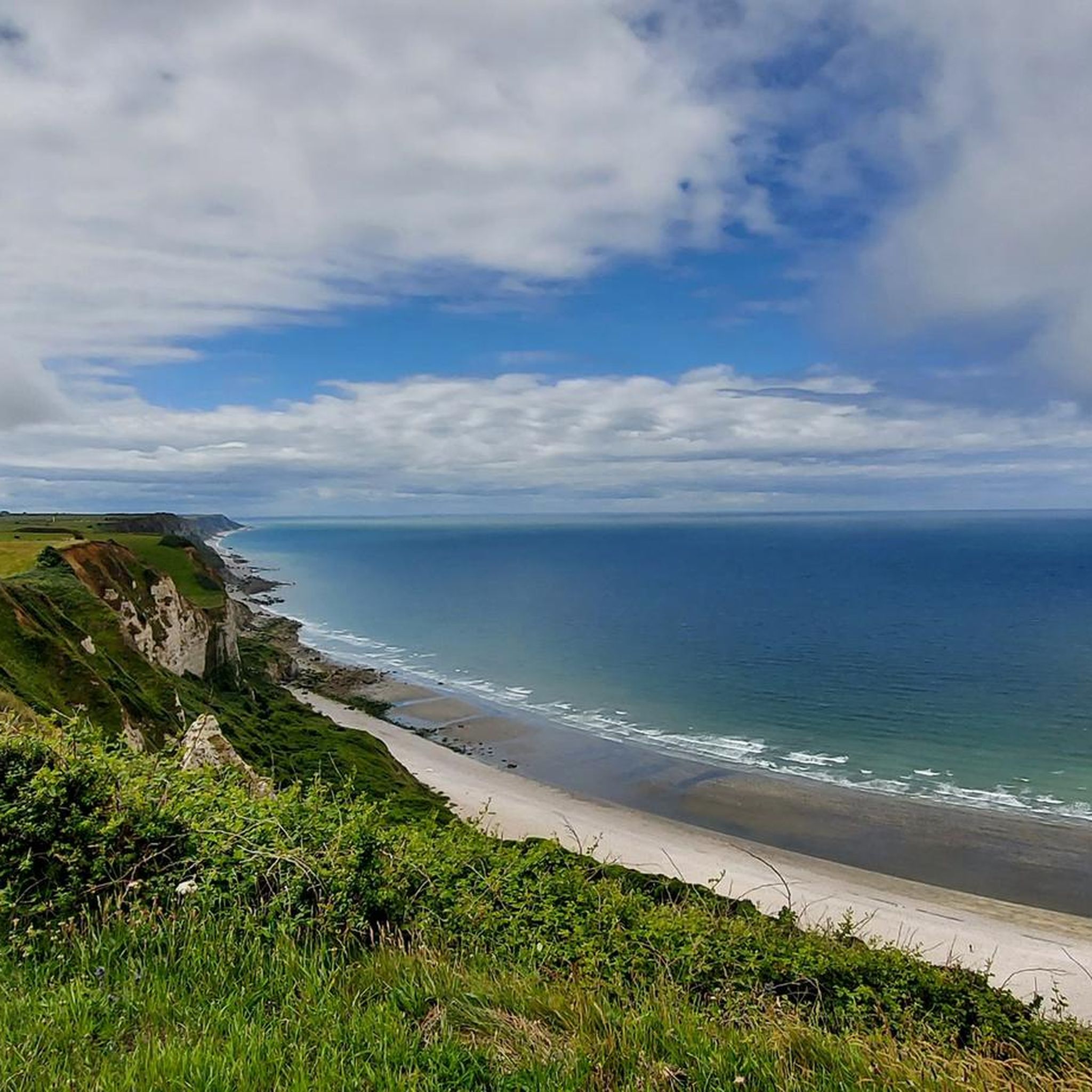
Best attractions and places to see around Saint-Jouin-Bruneval include a blend of natural beauty and historical significance on the Alabaster Coast of Normandy, France. This coastal village offers diverse landscapes, from sandy beaches and rocky outcrops to dramatic chalk cliffs. Visitors can explore sites commemorating World War II history and enjoy panoramic views of the coastline. The area is also recognized for its ecological importance, with several Natura 2000 sites.
Best attractions and places to see around Saint-Jouin-Bruneval
- The most popular attractions is Cliffs of Étretat, a natural monument known for its up to 100-meter-high chalk cliffs. These formations, including three successive arches, are located on the Alabaster Coast in Upper Normandy.
- Another must-see spot is Impressive (or impressionistic!) view of La Manneporte, a coast feature. Visitors can expect superb views of the Étretat cliffs, including La Manneporte, a site famously depicted in Monet's paintings.
- Visitors also love Porte d'Aval Arch (Étretat), a natural monument and cave. This impressive rock formation is one of the most visited and photographed arches near Étretat, offering views of the village, cliffs, and sea.
- Saint-Jouin-Bruneval is known for its natural monuments, historical sites, and coastal landscapes. The region offers a variety of attractions to see and explore, from dramatic cliffs to significant historical memorials.
- The attractions around Saint-Jouin-Bruneval are appreciated by the komoot community, with more than 1100 upvotes and over 260 photos shared across 7 highlights.
Last updated: August 30, 2026
Porte d'Aval Arch (Étretat)
Highlight • Natural Monument
Translated by Google •
Tip by

Pointe de la Courtine Viewpoint
Highlight • Viewpoint
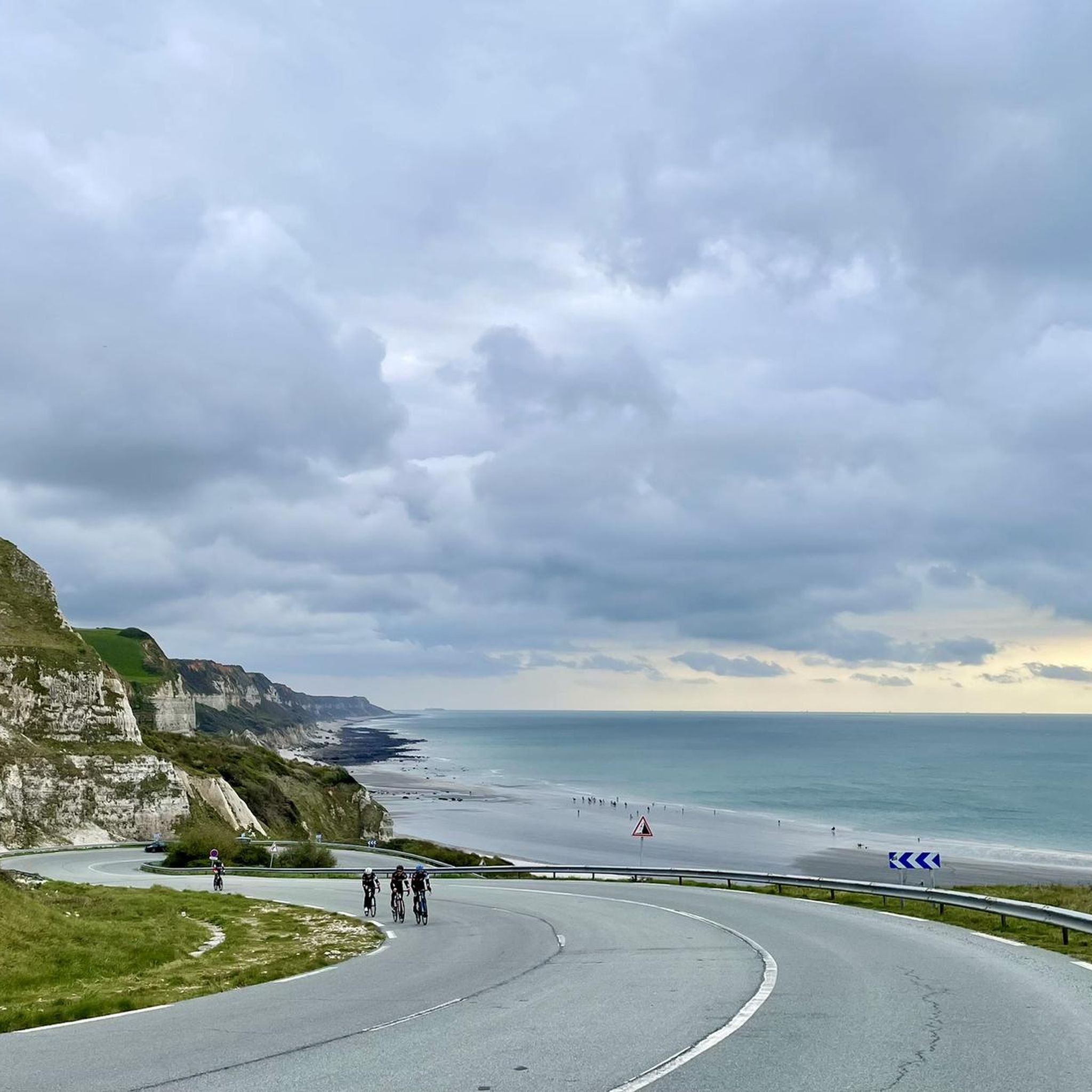
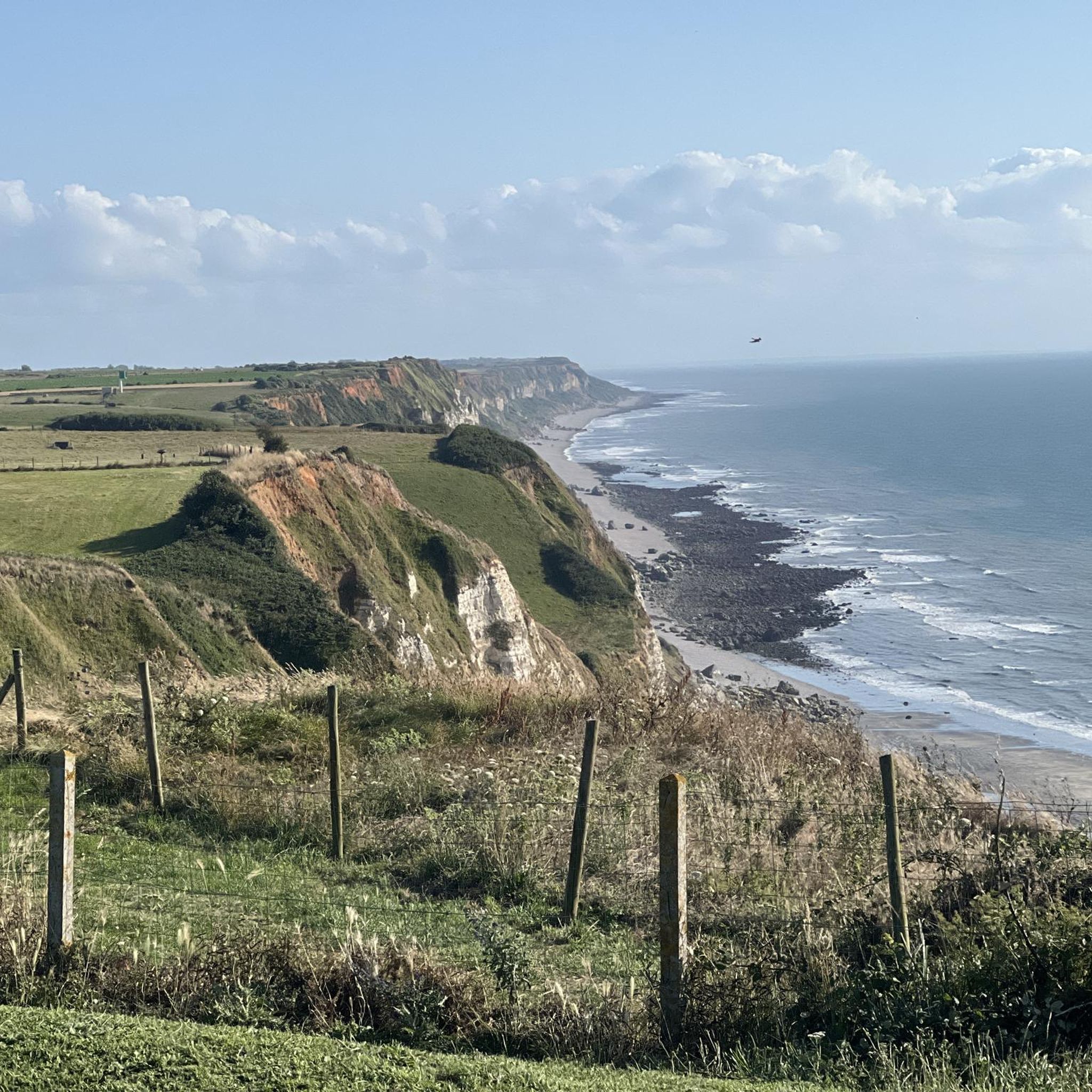
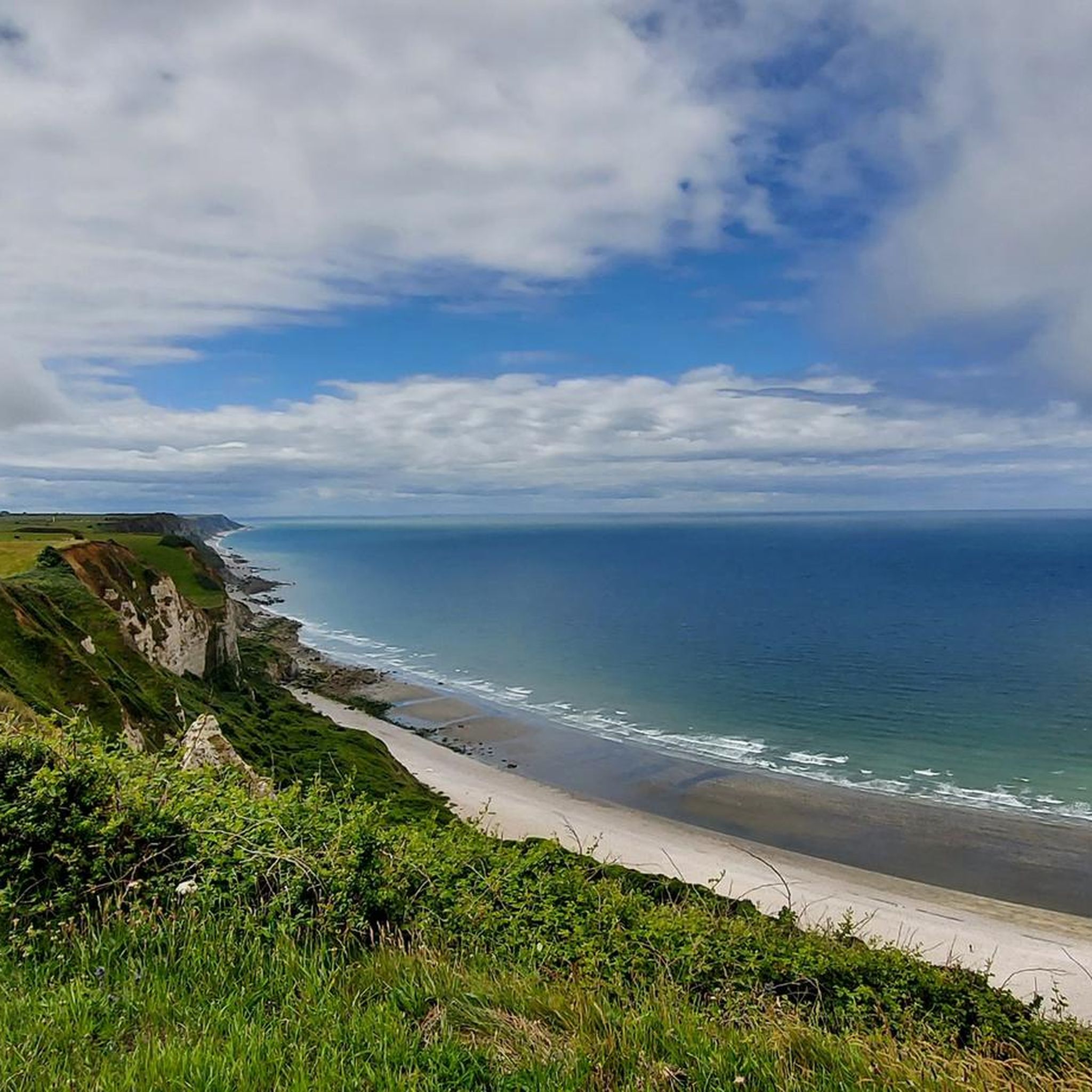
The Pointe de la Courtine is a rocky outcrop from which you can see the white chalk cliff interspersed with brown-black layers of flint. You have one foot in Étretat, congratulations!
Translated by Google •
Tip by

Sign up now to discover places like this
Get recommendations on the best single tracks, peaks, & plenty of other exciting outdoor places.
Sign up for free
Étretat
Highlight • Settlement
Translated by Google •
Tip by

Étretat to Vattetot-sur-Mer Coastal Path
Highlight (Segment) • Trail
Translated by Google •
Tip by
Splendid view of Étretat
Highlight • Other
Translated by Google •
Tip by

Sign up for free to discover even more attractions around Saint-Jouin-Bruneval.
Sign up for free
Already have an account?
Start today with a free account
Your next adventure awaits.
Login or Signup
Tips from the Community

Many painters, including Monet, have immortalized these natural beauties.
5
0


The cliffs are simply a dream. A highlight of a holiday in Normandy. I highly recommend a hike right along the cliffs. There's something for everyone, whether it's a short or long hike.
0
0
The cliffs are simply a dream. A highlight of a holiday in Normandy. I highly recommend a hike right along the cliffs. There's something for everyone, whether it's a short or long hike.
1
0

From up here, you have a beautiful view of Étretat and the cliffs. However, there are many tourists here, especially in the afternoon.
0
0


What a view. The climb was worth it, even though there were a lot of visitors up there.
5
0
This is probably one of the most popular motifs for photography and painting. It's amazing what nature creates.
9
0
Frequently Asked Questions
What natural landmarks can I explore around Saint-Jouin-Bruneval?
The region is renowned for its dramatic coastal features. You can visit the iconic Cliffs of Étretat, famous for their up to 100-meter-high chalk cliffs and natural arches like the Porte d'Aval and Manneporte. The Impressive view of La Manneporte offers superb vistas that inspired artists like Monet. Within Saint-Jouin-Bruneval itself, the Plage de Saint-Jouin provides a picturesque mix of sandy shores and rocky outcrops, ideal for enjoying the natural beauty of the Alabaster Coast.
Are there any historical sites to visit in Saint-Jouin-Bruneval?
Yes, Saint-Jouin-Bruneval holds significant historical importance. The Bruneval Memorial commemorates the 'Raid of Bruneval' from World War II, detailing the operation where British and Canadian parachutists destroyed a German radar. You can also explore the Parcours Patrimoine dans la Valleuse de Bruneval, a heritage trail starting from the former Hôtel du Beau-Minet, which recounts the site's history and features the unique Tour Conty.
What kind of outdoor activities can I do near Saint-Jouin-Bruneval?
The area offers a variety of outdoor activities, especially cycling. You can find numerous road cycling routes, such as the 'Small Tour of the Pays de Caux' or the 'Abbaye de Montivilliers – Rouelles Park loop'. For gravel biking, consider routes like the 'Cap d'Antifer Lighthouse loop'. Mountain biking enthusiasts can explore trails like the 'Splendid view of Étretat – Étretat Beach loop'. For more details on these routes, visit the Road Cycling Routes around Saint-Jouin-Bruneval, Gravel biking around Saint-Jouin-Bruneval, and MTB Trails around Saint-Jouin-Bruneval guides.
What are the best viewpoints in the Saint-Jouin-Bruneval area?
For breathtaking panoramas, the Panoramic Trail of the Cliffs of Étretat offers continuous stunning views of the three striking arches: Porte d'Amont, Porte d'Aval, and Manneporte. Within Saint-Jouin-Bruneval, Le Belvédère Viewpoint provides a unique perspective of the port created in 1976 and the surrounding natural landscape, with information on local ecology and energy.
Are there family-friendly attractions or activities in Saint-Jouin-Bruneval?
Yes, Saint-Jouin-Bruneval offers family-friendly options. The Plage de Saint-Jouin is equipped with a playground for children, picnic tables, and easy parking, making it suitable for a family day out. The nearby town of Étretat is also considered family-friendly, offering a charming seaside atmosphere and the impressive cliffs that can be enjoyed by all ages.
What is the best time to visit the cliffs and coastline around Saint-Jouin-Bruneval?
The cliffs and coastline are beautiful year-round, but for the most comfortable experience, spring and autumn offer pleasant weather for exploring. Sunset is particularly recommended for viewing the Étretat cliffs, as the rock formations glow in the warm light, creating an unforgettable spectacle. Always be mindful of tides if exploring at the foot of the cliffs.
What unique local features can I find in Saint-Jouin-Bruneval village?
Beyond its natural beauty, Saint-Jouin-Bruneval has unique local charm. You can see a distinctive roundabout featuring a statue of a pebble collector and his horse, a nod to a past local economic activity. The village also boasts beautiful old buildings like 'La belle Ernestine' and the historic Hotel Beau-Minet, which reflect its rich past as a seaside retreat.
What do visitors enjoy most about the attractions near Saint-Jouin-Bruneval?
Visitors frequently praise the breathtaking natural beauty and the unforgettable views. The dramatic chalk cliffs of Étretat, including the Porte d'Aval Arch, are often highlighted for their impressiveness and photographic opportunities. Many also appreciate the well-built panoramic paths along the cliffs, offering fantastic vistas and a sense of immersion in nature. The area's ability to inspire artists and hikers alike is a recurring theme in visitor feedback.
Are there any nearby towns or cities worth visiting from Saint-Jouin-Bruneval?
Absolutely. Saint-Jouin-Bruneval is ideally located for exploring other gems on the Alabaster Coast. Just 8 km away is Étretat, famous for its iconic cliffs. Le Havre, an 18 km drive, is a UNESCO World Heritage site known for its post-war architecture. Fécamp, 20 km away, offers historical sites like the Bishop's Palace. Further afield, the picturesque port town of Honfleur is about 25 km away.
Is Saint-Jouin-Bruneval important for nature and ecology?
Yes, Saint-Jouin-Bruneval is recognized for its ecological significance. It serves as a refuge area for fauna and flora, acting as an ecological corridor for various species, including the scolopendre fern. The commune is part of two Natura 2000 sites and includes seven Natural Zones of Ecological, Faunistic, and Floristic Interest, highlighting its commitment to preserving biodiversity.
Where can I find parking when visiting attractions in Saint-Jouin-Bruneval?
The Plage de Saint-Jouin offers easy and free parking, making it convenient for visitors to access the beach and nearby amenities. For attractions further afield, such as in Étretat, it's advisable to check specific parking information for each site, though general parking is available in the town.
Most popular routes around Saint-Jouin-Bruneval
Most popular attractions around Saint-Jouin-Bruneval

Get inspired with the komoot mobile app


Explore more
Still not found the Highlight you’re looking for? See guides of the top attractions in other regions:
