Attractions and Places To See around Saint-Ouen-Sous-Bailly - Top 20
Best attractions and places to see around Saint-Ouen-Sous-Bailly include historical sites and greenways. This region in Normandy offers diverse landscapes, from coastal areas to river valleys. It is characterized by its historical industrial heritage, now repurposed for outdoor activities. Visitors can explore a mix of natural and man-made structures, many of which are family-friendly.
Best attractions and places to see around Saint-Ouen-Sous-Bailly
- The most popular attractions is Avenue Verte: Neufchâtel-en-Bray to Dieppe Cycle Path, a cycle way that follows…
Last updated: June 24, 2026
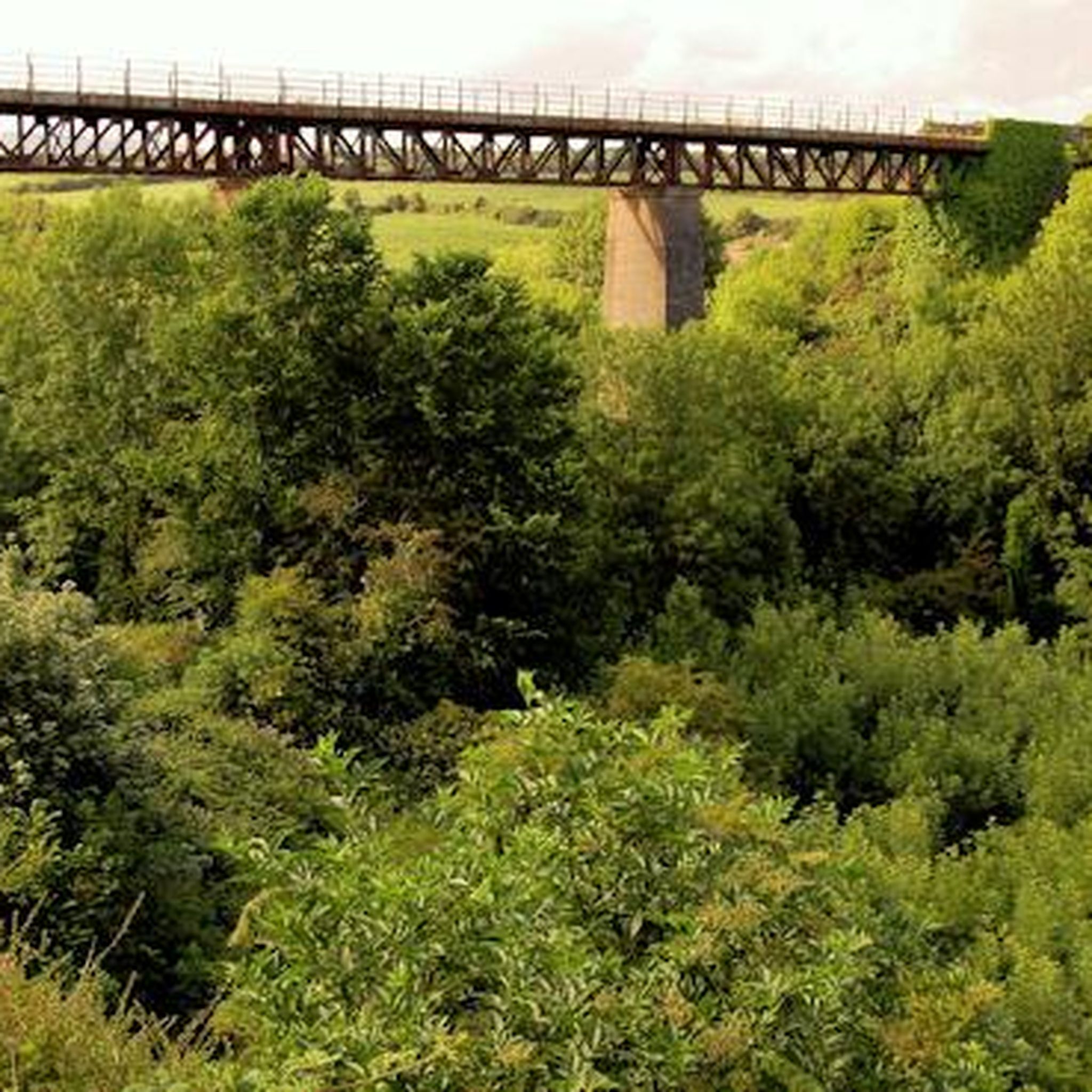
Touffreville-sur-Eu Viaduct on the Dieppe-Le Tréport Greenway
Highlight • Bridge
I'm still a little nostalgic to ride on these old railroad tracks, humans have sweated to build it, and here it took sacred workers to …
Translated by Google •
Tip by

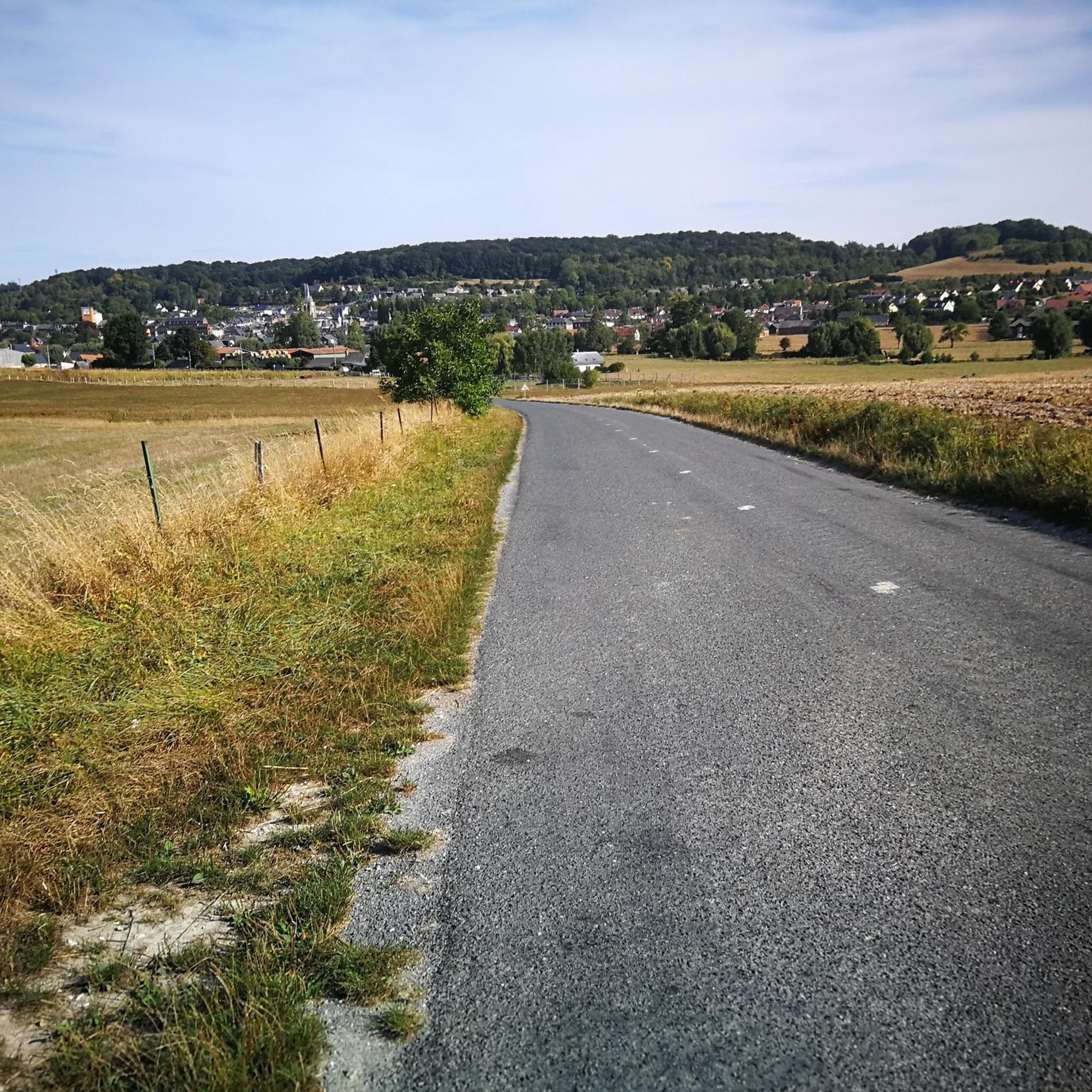
Avenue Verte: Neufchâtel-en-Bray to Dieppe Cycle Path
Highlight (Segment) • Cycleway
However quite monotonous in terms of diversity of landscape or difficulty (long straight and fairly flat).
Translated by Google •
Tip by

Sign up now to discover places like this
Get recommendations on the best single tracks, peaks, & plenty of other exciting outdoor places.
Sign up for free
Saint-Martin-en-Campagne
Highlight • Settlement
Translated by Google •
Tip by

Railroads from Dieppe to Forges Les Eaux
Highlight (Segment) • Cycleway
Translated by Google •
Tip by

Tocqueville-sur-Eu
Highlight • Settlement
Translated by Google •
Tip by

Sign up for free to discover even more attractions around Saint-Ouen-Sous-Bailly.
Sign up for free
Already have an account?
Start today with a free account
Your next adventure awaits.
Login or Signup




Tips from the Community

Went uphill from Dieppe to Paris, and still such a relief from English cycling paths.
0
0

Seine-Maritime has a rich 19th century industrial heritage in various forms. This is the case of the Touffreville-sur-Eu railway viaduct, which has just been awarded the "Rural Heritage of Seine-Maritime" label. The viaduct is part of the "Chemin Vert du Petit Caux" hiking trail. It all began in 1872 with the opening of the 40 km Dieppe-Eu railway line, on which the Touffreville-sur-Eu viaduct was built to cross the Yères valley. Inaugurated in 1885, the brick viaduct has nine arches and is operated by the Compagnie de l'Ouest, in particular for the transport of pebbles exported for industrial purposes. A coastal railway line then operates from Tréport to Le Havre to serve the beaches where seaside life is booming with casinos, villas and sumptuous hotels with architecture typical of the Normandy coast. From 1938, the line is closed to passenger traffic and reserved exclusively for freight transport. The Second World War led to the disappearance of most of the buildings on the coast and seaside activities were interrupted. Freight traffic then resumed until 1972, when it was stopped with the oil crisis. The SNCF then bought the 17 km line between Saint-Quentin-au-Bosc and Eu in 1986 to transform it into a hiking trail and that was the birth of the Chemin Vert du Petit Caux! Source: www.normandie-tourisme.fr
0
0

Tocqueville-sur-Eu is a former French commune located in the department of Seine-Maritime in Normandy. Since January 1, 2016, it has been part of the new commune of Petit-Caux, of which it is a delegated commune. Tocqueville-sur-Eu is a small village of 221 inhabitants (2013), located on the coast of the Channel, near Dieppe. Its name comes from the Latin Tocco, a personal name, and from villa, which designates a farm. The village has a 16th century church dedicated to the Holy Trinity, which houses statues classified as historical monuments4. You can also admire the castle of Tocqueville-sur-Eu, built in the 18th century and surrounded by an English park.
7
0

Away from cars, but a bit monotonous...
1
0
In Saint-Martin-en-Campagne, the old foundations of the church date from the 13th century, but the building was rebuilt in the 16th century, like the south nave. Note the sandstone portal from 1517. The bell tower was rebuilt in 1902 after being struck by lightning, but it is still topped by a very high 18th century spire. An explanatory leaflet is available for visitors.
6
0

As on the outward journey, the green avenue is pleasant to take through its fields and the old stations and road signs that adorn this route for several tens of kilometres.
0
1

Paris London cycle path. Very monotonous but allows not to cross cars.
1
1

A small town where it is good to stop. Some points of interest like the historic town hall, the Museum of the History of the Daily Life and the Park of Tolerance in between. A few steps from the sea and the cliffs of Petit-Caux.
0
0
Frequently Asked Questions
What historical sites can I visit near Saint-Ouen-Sous-Bailly?
The region is rich in history. You can explore the Touffreville-sur-Eu Viaduct on the Dieppe-Le Tréport Greenway, a 19th-century brick viaduct that is part of a hiking trail. Also, visit Saint-Martin-en-Campagne, a small town with a historic town hall, a Museum of the History of Daily Life, and a church with foundations dating back to the 13th century. Another historical settlement is Tocqueville-sur-Eu, featuring a 16th-century church and an 18th-century castle.
Are there family-friendly attractions around Saint-Ouen-Sous-Bailly?
Yes, several attractions are suitable for families. The Avenue Verte: Neufchâtel-en-Bray to Dieppe Cycle Path and the Railroads from Dieppe to Forges Les Eaux are car-free cycle paths perfect for family bike rides. The Touffreville-sur-Eu Viaduct offers scenic views and is part of a greenway. Additionally, the settlements of Saint-Martin-en-Campagne and Tocqueville-sur-Eu provide interesting historical exploration for all ages.
What cycling paths or greenways are available in the area?
You'll find excellent cycling opportunities. The Avenue Verte: Neufchâtel-en-Bray to Dieppe Cycle Path is a 40 km asphalt path following an old railway line, offering a car-free route between Dieppe and Forges-les-Eaux with regular picnic spots. Similarly, the Railroads from Dieppe to Forges Les Eaux provides a long, shallow route through a hilly landscape, allowing you to cycle away from cars and explore small places along the way. The Touffreville-sur-Eu Viaduct is also part of the Chemin Vert du Petit Caux hiking trail, which can be cycled.
Are there easy walking trails or hiking opportunities near Saint-Ouen-Sous-Bailly?
Yes, the area offers pleasant walking and hiking. The Touffreville-sur-Eu Viaduct is located on the Chemin Vert du Petit Caux hiking trail, providing a historical and scenic route with aerial panoramas over the Yères valley. While the cycle paths like the Avenue Verte are primarily for cycling, their flat, car-free nature makes them suitable for easy walks too. For more dedicated hiking routes, you can explore options in our guides for the region.
What do visitors enjoy most about the attractions around Saint-Ouen-Sous-Bailly?
Visitors particularly appreciate the repurposed railway lines, which now serve as scenic cycle paths and greenways, offering car-free exploration. The historical significance of sites like the Touffreville-sur-Eu Viaduct and the charm of settlements like Saint-Martin-en-Campagne are also highly valued. The blend of natural landscapes and man-made structures, many of which are family-friendly, makes the area appealing for diverse interests.
Can I find wheelchair-accessible trails in the Saint-Ouen-Sous-Bailly area?
Yes, the Avenue Verte: Neufchâtel-en-Bray to Dieppe Cycle Path is noted for its accessibility. As a 40 km asphalt path that follows an old railway line, it provides a smooth, car-free surface suitable for wheelchairs, offering an inclusive way to enjoy the regional landscape.
Are there any hidden gems or less-known outdoor spots to discover?
While not entirely hidden, the historical significance and scenic views from the Touffreville-sur-Eu Viaduct on the Dieppe-Le Tréport Greenway offer a unique experience. It's a beautiful 19th-century brick structure providing aerial panoramas over the Yères valley, steeped in history from its railway days. Exploring the smaller places along the Railroads from Dieppe to Forges Les Eaux can also lead to charming, less-traveled spots.
What kind of outdoor activities can I do near these attractions?
Beyond visiting the attractions, the area is excellent for various outdoor activities. You can enjoy road cycling on routes like the 'Mesnières-en-Bray Castle – Town of Neufchâtel-en-Bray loop' or 'Saint-Rémy Church of Dieppe loop'. Mountain biking enthusiasts can explore trails such as 'Descent – Descent loop' or 'Martigny wooden bridge loop'. For general cycling, there are routes like 'Idyllic landscapes – Dieppe loop'. You can find more details on these and other routes in our dedicated guides for Road Cycling, MTB Trails, and Cycling around Saint-Ouen-Sous-Bailly.
What is the best time to visit Saint-Ouen-Sous-Bailly for outdoor activities?
The region is generally pleasant for outdoor activities from spring through early autumn (April to October). During these months, the weather is typically mild, making it ideal for cycling on the greenways and exploring historical sites. Summer offers longer daylight hours, while spring and autumn provide comfortable temperatures and beautiful scenery, especially along the greenways.
Are there any viewpoints offering panoramic scenery?
Yes, the Touffreville-sur-Eu Viaduct on the Dieppe-Le Tréport Greenway is renowned for offering aerial panoramas over the Yères valley. This historical bridge provides a 360-degree view of the hilly nature and surrounding landscape, making it a popular spot for scenic appreciation.
What kind of natural features can I expect to see?
The region around Saint-Ouen-Sous-Bailly offers diverse landscapes, from coastal areas to river valleys. You'll encounter greenways that follow old railway lines, providing a glimpse into the area's industrial heritage repurposed for nature. The Yères valley, visible from the Touffreville-sur-Eu Viaduct, showcases hilly natural terrain. While specific wildlife spotting locations aren't highlighted, the green spaces and rural settings offer opportunities to observe local flora and fauna.
Most popular routes around Saint-Ouen-Sous-Bailly

Get inspired with the komoot mobile app


Explore more
Still not found the Highlight you’re looking for? See guides of the top attractions in other regions:
