Attractions and Places To See around Parata - Top 20
Attractions and places to see around Parata are primarily located on the Parata Peninsula in Corsica, a region recognized for its natural heritage and historical landmarks. This area, situated northwest of Ajaccio, features a diverse landscape with exceptional flora and significant historical structures. Visitors can explore ancient defensive towers and discover a rich variety of natural features, including unique plant species and diverse wildlife. The region offers a blend of historical exploration and natural beauty.
Best attractions and places to…
Last updated: June 22, 2026
Genoese bridge
Highlight • Historical Site
Translated by Google •
Tip by

Bucatoggio Waterfall
Highlight • Waterfall
Translated by Google •
Tip by
Sign up now to discover places like this
Get recommendations on the best single tracks, peaks, & plenty of other exciting outdoor places.
Sign up for free
Ucelluline Waterfall
Highlight • Waterfall
Translated by Google •
Tip by

Cervione
Highlight • Settlement
The …
Translated by Google •
Tip by

San Nicolao Church
Highlight • Other
Translated by Google •
Tip by

Sign up for free to discover even more attractions around Parata.
Sign up for free
Already have an account?
Start today with a free account
Your next adventure awaits.
Login or Signup
Tips from the Community

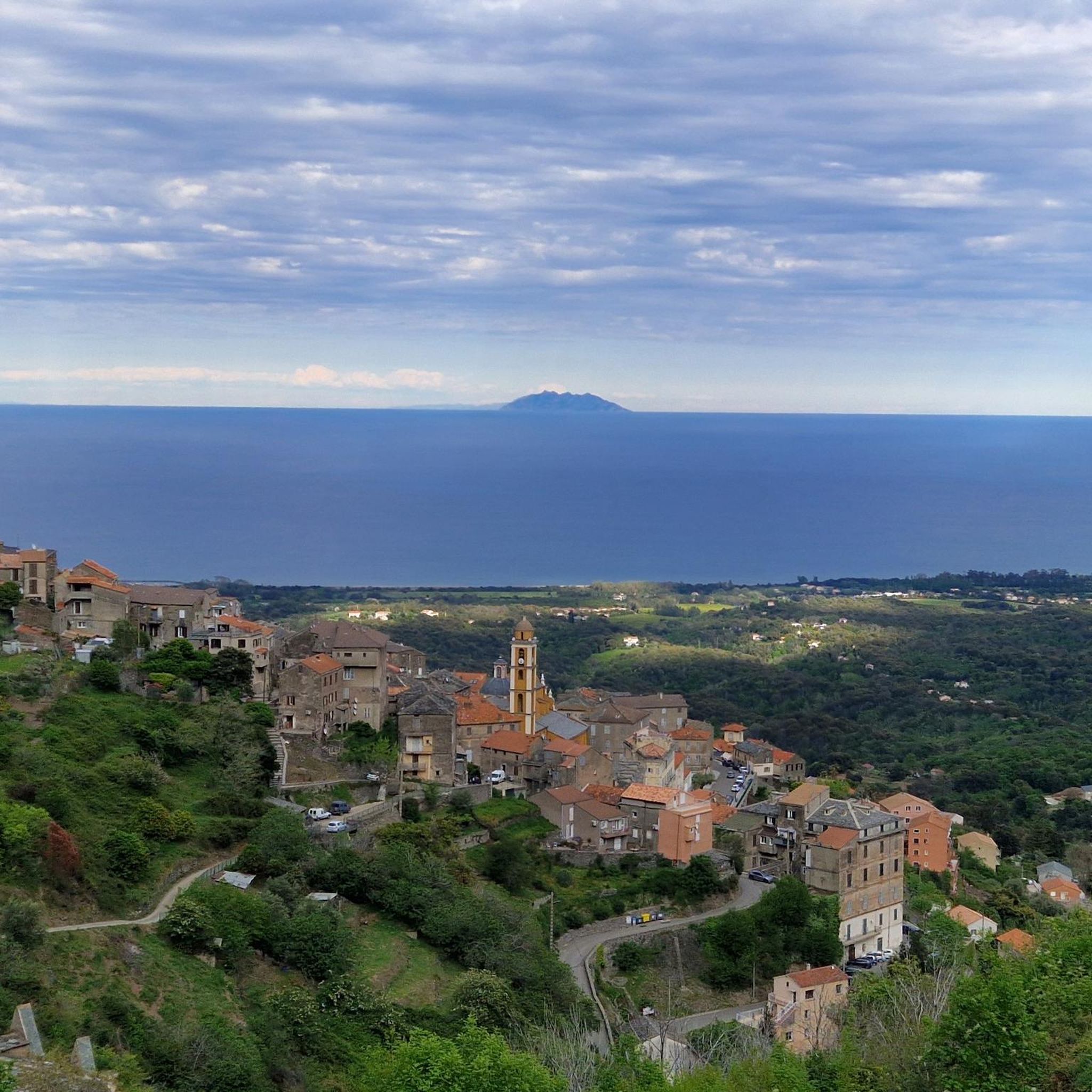
This church is one of the Baroque buildings found in Corsica. It is recognizable from afar with its distinctive bell tower, visible amidst the natural forest setting of the Costa Verde massif.
0
0

The church was begun at the beginning of the seventeenth century and completed in 1717. In 1740, embellishment works were carried out. The wall paintings were painted by Luigi Pollero in 1810. The main façade consists of two levels delimited by cornices and surmounted by a triangular pediment with three acroteria. On the first level, on either side of the portal, there are two niches that house the statues of Saint Nicholas and Saint Peter. The church ends in a semicircular apse. The bell tower rises at the junction of the apse and the right side façade. It has five floors that end in a dome surmounted by a cross. The interior consists of a nave and five richly decorated side chapels. On either side of the altar there are caryatid angels. Building dating from the first quarter of the 17th century (?), mentioned in the report of the pastoral visit of Msgr. Marliani, Bishop of Mariana and Accia, in 1646. It was restored in 1686 with the collaboration of master masons Lorenzo Chiglione and Giovanni Filippi. Rebuilt in 1717 and 1740. Main door dating from 1766. Painted decoration (investigated in the Palissy database) carried out by the painter Luigi Polleri in 1810, as shown by the date on the inside of the building. Restored in 1896.
1
0

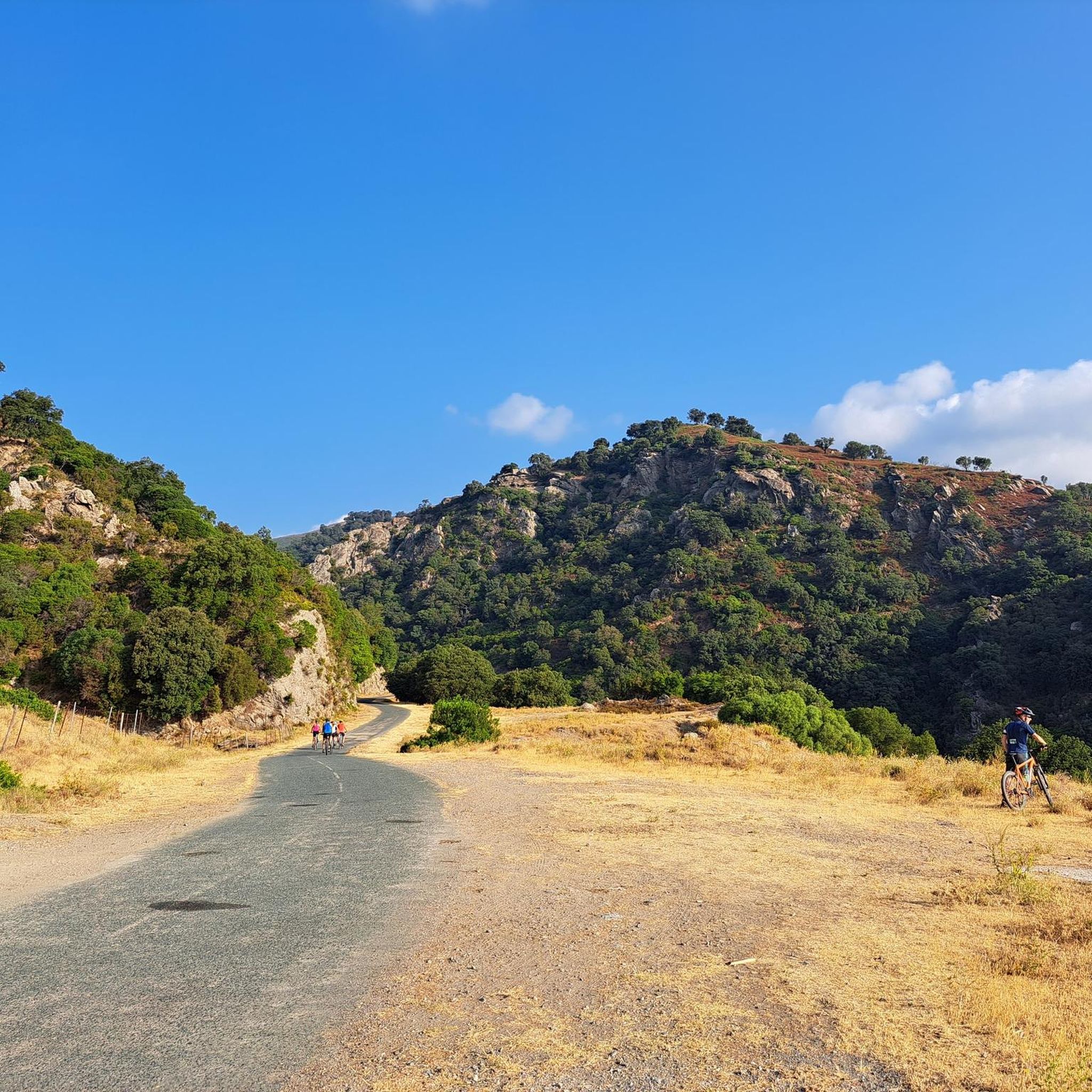
This church has a special location. Every time I cycled past it I just had to stop for a moment. Very beautiful. 👍🏻
0
0

The suggested route is basically manageable even for inexperienced hikers. In my opinion, you should definitely wear sturdy (ankle-high) shoes if you want to go further than the bathing area. The bridge is a fun way to start, the waterfall is of course (in August) completely crowded, the rest area at the chapel is pleasant and the view and landscape in general is great. The way back on the road is relatively risky with the Corsican traffic.
0
0
Beautiful old stone bridge. You can swim underneath. Next to it is a small ruin.
0
0
You can either go up next to the bridge or go down diagonally opposite and swim if you want. There is a tunnel on the other side of the bridge.
2
1

Frequently Asked Questions
What are the main historical landmarks to explore around Parata?
The Parata region in Corsica is rich in history. You can visit the Genoese bridge, a significant example of historical infrastructure. Also, the San Nicolao Church, dating back to the early 17th century, offers a glimpse into the region's religious heritage with its detailed architecture and wall paintings. The Parata Peninsula itself features the historic Parata Tower, built in the 16th century as part of Corsica's coastal defense system.
What natural attractions can I discover near Parata?
The area around Parata boasts impressive natural beauty. Don't miss the Ucelluline Waterfall, a natural monument with multiple cascades flowing through a gorge-like valley, offering magnificent views over the coastal plain. Another beautiful spot is Bucatoggio Waterfall, which features a small lake within a forested setting. The Parata Peninsula is also known for its exceptional flora, including thermophilic maquis and rare botanical species.
Are there opportunities for hiking or walking around Parata?
Yes, the Parata region offers various trails for hiking and walking. You can find numerous routes that allow you to explore the natural landscapes and historical sites. For detailed hiking options, including routes like the 'Church – Struccia Waterfall loop from Piedicroce' or the 'Mount San Petrone – Piedicroce loop', refer to the Hiking around Parata guide.
What kind of wildlife can be spotted on the Parata Peninsula?
The Parata Peninsula and its surrounding areas are home to diverse wildlife. The nearby Sanguinary Islands, an archipelago extending from the peninsula, are a paradise for seabirds such as crested cormorants, peregrine falcons, and ospreys. The area is also known for various reptiles, including green and yellow geckos, tiliguerta lizards, and grass snakes, which can be seen on both the Parata Peninsula and the Sanguinary Islands.
Can I find mountain biking trails near Parata attractions?
Absolutely! The region around Parata provides several mountain biking opportunities. Routes like 'Cervioni via San Niculaiu' and 'Ucelluline Waterfall – San-Nicolao loop' offer varying distances and difficulty levels. You can explore these and more in the MTB Trails around Parata guide.
What is the best time to visit Parata for outdoor activities?
While specific seasonal advice isn't provided, the presence of waterfalls and lush maquis suggests that spring and autumn would be ideal for comfortable outdoor exploration, avoiding the peak heat of summer. These seasons typically offer pleasant temperatures for hiking, biking, and enjoying the natural scenery.
Are there any charming settlements or villages to visit near Parata?
Yes, the region includes charming settlements like Cervione. This village embraces the slopes of the Monte San Petrone massif, offering beautiful views over the eastern plain. Cervione provides a glimpse into local life with its cafes and restaurants, and its location makes it a great starting point for scenic cycle routes.
What do visitors particularly enjoy about the attractions around Parata?
Visitors frequently praise the natural beauty and historical significance of the area. For instance, the Genoese bridge is appreciated for its beauty and the adjacent forest. The Ucelluline Waterfall is highlighted for its magnificent views and refreshing experience, with some visitors enjoying a bath in its upper parts. The overall blend of historical sites, natural monuments, and charming villages is highly valued by the komoot community.
Are there running trails available near the attractions?
Yes, for those who enjoy running, there are several trails in the vicinity of Parata's attractions. Routes such as the 'San Bartolomeu Chapel – Struccia Waterfall loop from Carpineto' or the 'Piedicroce loop from Piedicroce' offer challenging and scenic options. More details can be found in the Running Trails around Parata guide.
What kind of flora can be found on the Parata Peninsula?
The Parata Peninsula is notable for its exceptional flora, particularly a 'thermophilic maquis.' This includes species like lentisc, spiny broom, wild olive trees, myrtle, and arborescent heather. Additionally, rare botanical species such as Succowia balearica and the stinking iris (Iris foetidissima) can be discovered in this unique natural environment.
Is the Parata Peninsula a protected natural area?
Yes, the Parata Peninsula is recognized as a 'Grand Site de France,' signifying its natural heritage importance. Furthermore, the Sanguinary Islands, which extend from the peninsula, are integrated into the Natura 2000 network as a Special Protection Area (SPA), highlighting their scientific interest and the need for conservation, especially for seabird populations.
Most popular attractions around Parata

Get inspired with the komoot mobile app


Explore more
Still not found the Highlight you’re looking for? See guides of the top attractions in other regions:
