Attractions and Places To See around Foissy-Lès-Vézelay - Top 20
Best attractions and places to see around Foissy-Lès-Vézelay include historical sites, natural features, and cultural points of interest. This tranquil village in Burgundy-Franche-Comté is known for its archaeological site Les Fontaines Salées and its proximity to the UNESCO World Heritage site of Vézelay. The area offers diverse landscapes, from the unspoiled countryside of the Morvan Regional Natural Park to the historic vineyards around Vézelay. Visitors can explore ancient structures, scenic routes, and charming towns.
Best attractions and places to see…
Last updated: August 25, 2026
Basilica of Saint Mary Magdalene in Vézelay
Highlight • Religious Site
Translated by Google •
Tip by

Notre-Dame Church of Saint-Père
Highlight • Religious Site
Showing Translation
Tip by

Sign up now to discover places like this
Get recommendations on the best single tracks, peaks, & plenty of other exciting outdoor places.
Sign up for free
Cordelle Chapel
Highlight • Religious Site
Translated by Google •
Tip by

Pierre-Perthuis Stone Bridge
Highlight • Bridge
Translated by Google •
Tip by

Bazoches Castle
Highlight • Castle
Translated by Google •
Tip by
Sign up for free to discover even more attractions around Foissy-Lès-Vézelay.
Sign up for free
Already have an account?
Start today with a free account
Your next adventure awaits.
Login or Signup
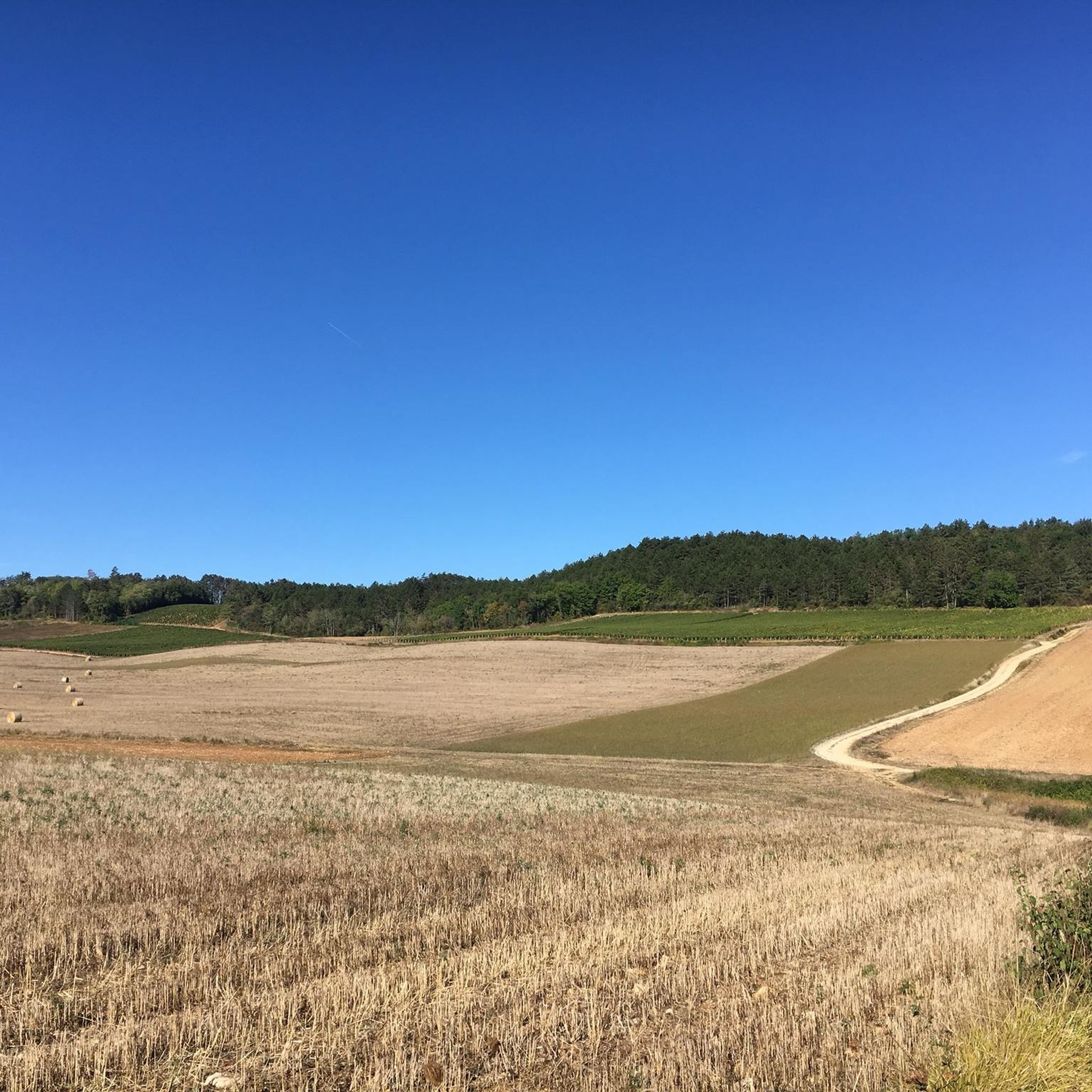
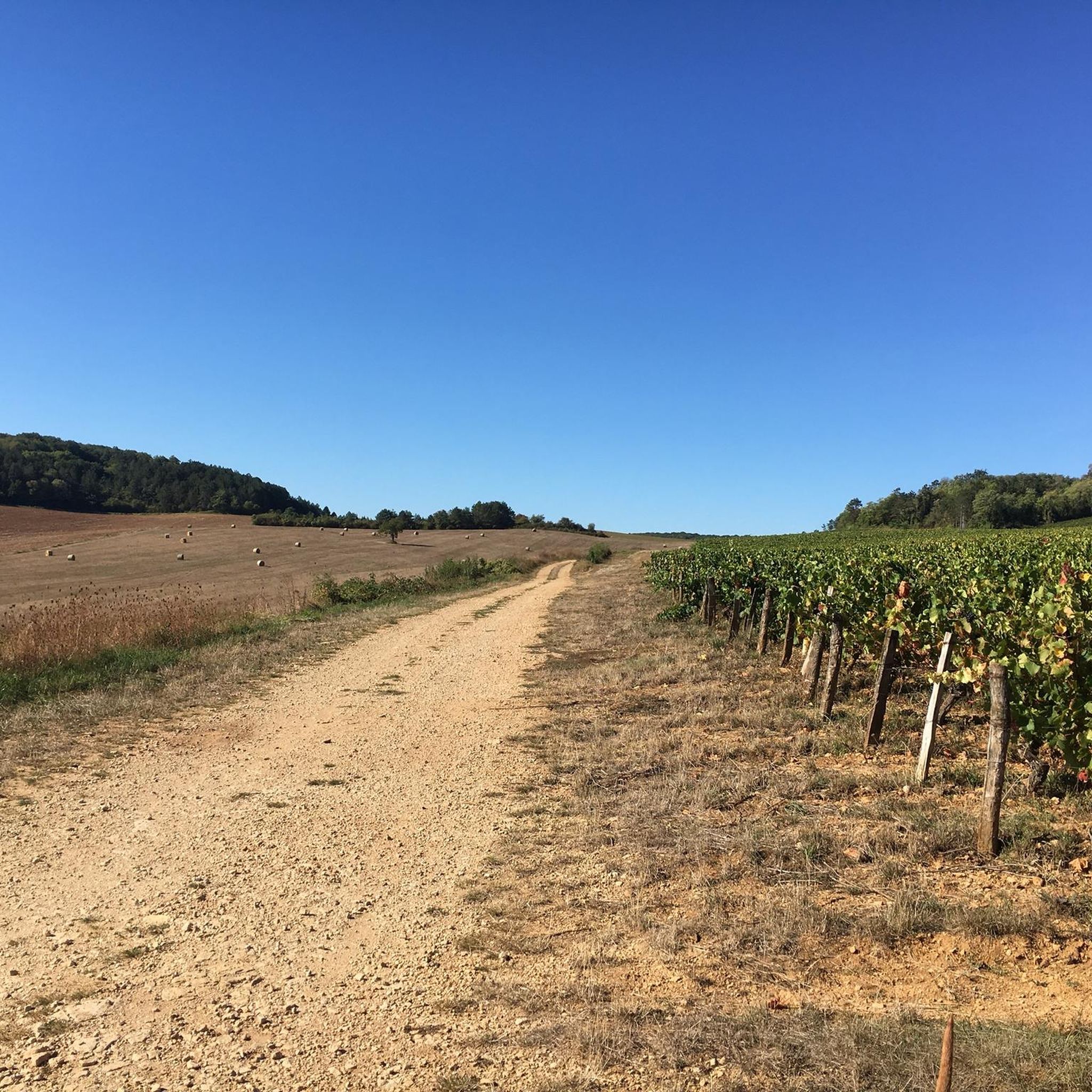
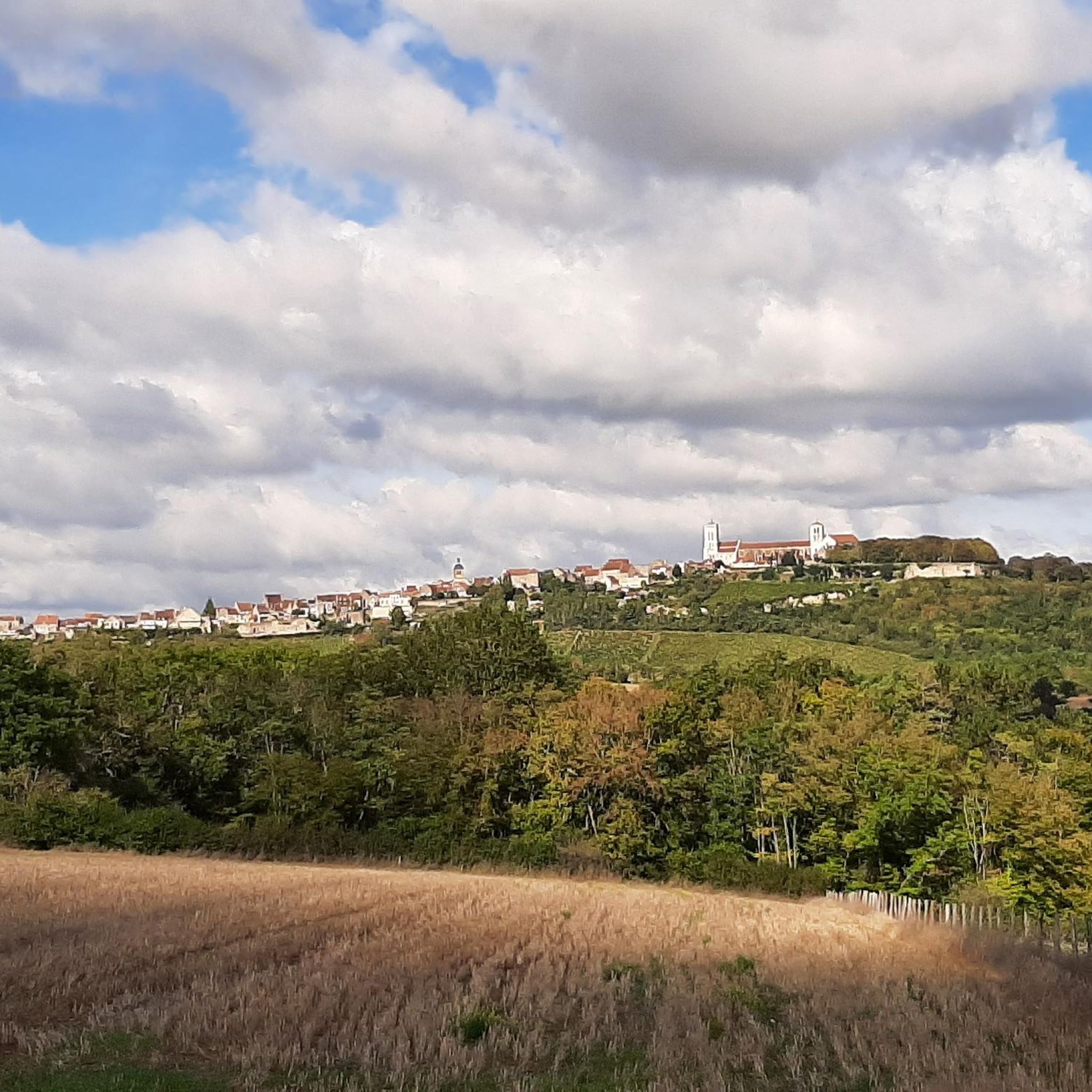
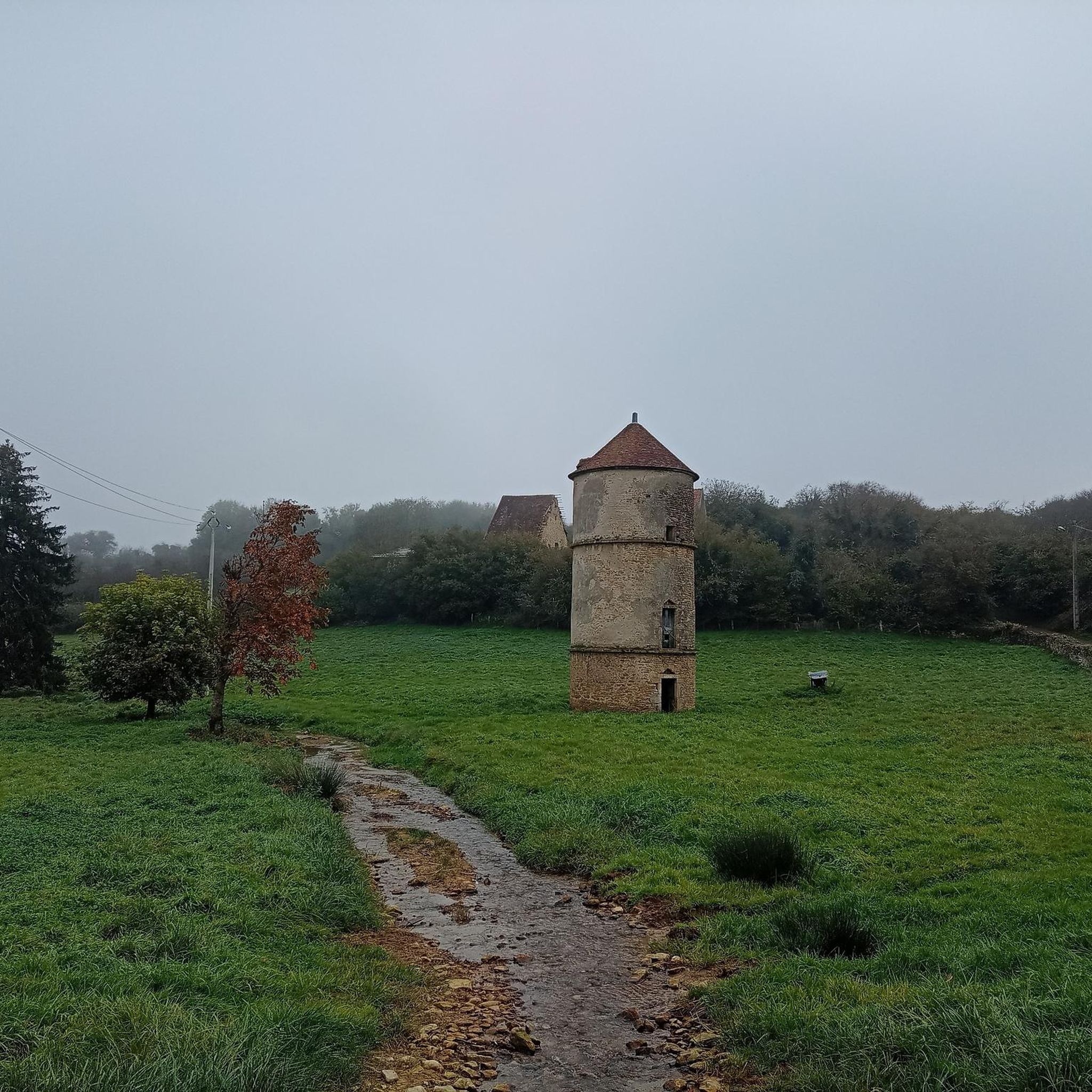
Tips from the Community

The hermitage of La Cordelle is the first Franciscan settlement in France. Located at the foot of the Vézelay hill, the hermitage of La Cordelle is today inhabited by three brothers who live the heart of the Franciscan mission there: fraternity and the attentive welcome of all, believers or not.
1
0

This church, dedicated to the Holy Cross (Latin: "Santa Croce"), derives its patronage from the cross on which Jesus Christ died. The veneration of the Holy Cross is largely based on Saint Helena, the mother of Emperor Constantine the Great (who, after his victory at the Milvian Bridge in Rome, recognized Christianity as a religion and ended the long period of persecution with the Edict of Toleration of Milan in 312). She made a pilgrimage to the Holy Land (Israel/Palestine) in the early fourth century and brought numerous relics back to Europe, including the "True Cross," on which Jesus Christ was crucified. Helena is therefore often depicted with a cross as an attribute. The Church celebrates the Feast of the Discovery, public presentation, and veneration of the Holy Cross—called the "Exaltation of the Holy Cross"—on September 14th.
1
0

View of the bridge and the village, take the small path to go down below and reach the small stone bridge
1
0

The view from above of the old stone bridge is worth it. You have to stop on the upper bridge.
3
0

Great section, exciting bridge and great view of Vezelay
3
0
Very worthwhile visit to this beautiful church
1
0

Very small chapel with a Franciscan monastery. The monastery was only returned a few years ago. The monks are trying to rebuild the monastery through a project
2
0

A true jewel of Burgundian Gothic art, the church of Saint Père sous Vézelay deserves a moment of attention. Built from the 13th to the 15th century and dedicated to the Virgin, it only became a parish church in the 16th century, succeeding the old Saint Pierre church which gave its name to the village and whose ruins can still be seen at the exit. south of the village. The 13th century bell tower, elegant and airy, 50m high, is visible for miles around. In the middle of the 19th century, the building was in a very advanced state of disrepair. However, Prosper Mérimée describes it as "a gothic cathedral in miniature". Viollet-le-Duc, then 26 years old, fell in love with the church of Saint Père, the restoration of which he launched in 1841. He worked until 1844 on the choir, the chapels and the nave. and in 1868, ends with the bell tower. However, due to a lack of resources, he practically does not intervene on the porch (or narthex). This part, which is the most striking because it evokes real stone lacework, was then restored by Boeswilwald between 1888 and 1889.
0
0
Frequently Asked Questions
What historical sites can I explore near Foissy-Lès-Vézelay?
The region is rich in history. You can visit the significant Archaeological Site Les Fontaines Salées, which features salt springs exploited since prehistoric times and Roman baths. Another prominent historical site is the Bazoches Castle, a 12th-century fortress that served as the base for military engineer Vauban. Additionally, the Pierre-Perthuis Stone Bridge, extensively restored, offers a glimpse into the area's past.
Are there any significant religious landmarks in the area?
Yes, the area is home to several important religious sites. Just a short distance away is the UNESCO World Heritage site, Vézelay Abbey / Basilica of Sainte-Marie-Madeleine, a monumental example of Romanesque architecture. You can also visit the Notre-Dame Church of Saint-Père, considered a masterpiece of Burgundy Flamboyant Gothic style, and the Cordelle Chapel, a Romanesque chapel marking where Saint Bernard preached the Second Crusade.
What natural attractions are there around Foissy-Lès-Vézelay?
Nature lovers will appreciate the proximity to the Morvan Regional Natural Park, known for its unspoiled countryside, green fields, and diverse flora and fauna. The Cure River also flows nearby, and for a unique natural experience, the Caves of Arcy-sur-Cure are approximately 17.3 kilometers away, offering impressive natural scenery.
What cultural experiences does Vézelay town offer?
Beyond its famous basilica, Vézelay town itself is a charming destination. You can wander through narrow streets, admire old stone houses, explore small shops and art galleries, and enjoy panoramic views. The area also has a long history of viticulture, offering opportunities to explore Vézelay Vineyards and enjoy local Chardonnay wine tastings. The Musée Zervos in Vézelay houses a collection of modern art, including works by Picasso.
Are there family-friendly attractions around Foissy-Lès-Vézelay?
Families can enjoy the Canal de Nivernais Towpath, a scenic cycle way suitable for all ages, featuring varied landscapes with locks and bridges. The Morvan Regional Natural Park also offers gentle walks and opportunities for nature observation. For a themed experience, Cardoland is located about 7.6 kilometers from Foissy-Lès-Vézelay.
Where can I go hiking near Foissy-Lès-Vézelay?
The region offers various hiking opportunities. You can explore trails like 'The 3 Bridges Loop Trail' or the 'Trail along the River Cure – Pierre-Perthuis Stone Bridge loop from Pierre-Perthuis'. For more options, including easy and moderate routes, consult the Hiking around Foissy-Lès-Vézelay guide.
Are there opportunities for cycling in the region?
Yes, cycling is a popular activity. The Canal de Nivernais Towpath is excellent for leisurely rides. For more challenging routes, you can find various road cycling and mountain biking trails. Explore options like 'Cousin Road – Château d'Island loop from Vézelay' for road cycling or 'View of Vézelay – Stairs are not rideable !!! loop from Saint-Père' for mountain biking in the Road Cycling Routes around Foissy-Lès-Vézelay and MTB Trails around Foissy-Lès-Vézelay guides.
What do visitors enjoy most about the attractions near Foissy-Lès-Vézelay?
Visitors frequently praise the historical significance and architectural beauty of sites like the Notre-Dame Church of Saint-Père, often described as 'simply impressive and amazing'. The scenic beauty of routes like the Canal de Nivernais Towpath is also highly appreciated, especially for its varied landscapes. The Pierre-Perthuis Stone Bridge is noted for its great photo opportunities and views.
What is the best time to visit the attractions around Foissy-Lès-Vézelay?
The region is beautiful throughout the warmer months. Spring and autumn offer pleasant temperatures for outdoor activities like hiking and cycling, with fewer crowds. Summer is ideal for enjoying the natural parks and cultural sites, though it can be busier. The vineyards are particularly picturesque during harvest season in early autumn.
Are there any charming villages or towns to visit nearby?
Absolutely. Beyond Vézelay, the wider region offers several charming places. Avallon, about 12 km away, is known for its medieval buildings. Noyers-sur-Serein, 34 km away, is recognized as one of France's 'Most Beautiful Villages'. Other notable towns include Clamecy (19 km) and Montreal (24 km), an unspoiled medieval village.
Can I find places for wild swimming near Vézelay?
While specific designated wild swimming spots are not detailed, the Morvan Regional Natural Park and the Cure River offer natural water bodies. It's advisable to research local regulations and safety conditions for any wild swimming activities, as conditions can vary.
Is the area around Foissy-Lès-Vézelay suitable for wildlife spotting?
Yes, the Morvan Regional Natural Park, with its diverse ecosystems including forests, wetlands, and green fields, provides excellent opportunities for wildlife spotting. Keep an eye out for various bird species, deer, and other local fauna while exploring the park's trails.
Most popular routes around Foissy-Lès-Vézelay

Get inspired with the komoot mobile app


Explore more
Still not found the Highlight you’re looking for? See guides of the top attractions in other regions:
