Attractions and Places To See around La Neuville-Aux-Joûtes - Top 20
Best attractions and places to see around La Neuville-Aux-Joûtes include a variety of historical sites and religious buildings. This region, situated near the French-Belgian border, offers insights into past conflicts and monastic life. Visitors can explore fortifications from the Maginot Line and significant religious structures. The area provides opportunities to discover local heritage and natural landscapes.
Best attractions and places to see around La Neuville-Aux-Joûtes
- The most popular attractions is Scourmont Abbey, a religious building where Trappist monks dedicate…
Last updated: July 2, 2026
Scourmont Abbey
Highlight • Religious Site
Translated by Google •
Tip by

Grand Marais East Casemate – Maginot Line
Highlight • Historical Site
Translated by Google •
Tip by

Sign up now to discover places like this
Get recommendations on the best single tracks, peaks, & plenty of other exciting outdoor places.
Sign up for free
Bloc de la Limite No. 551 (Maginot Line)
Highlight • Historical Site
Historical explanation: The purpose of the line was to protect France against a surprise attack such as that which had occurred in the Franco-Prussian …
Translated by Google •
Tip by

Canadian Prisoners Memorial, Momignies
Highlight • Monument
Translated by Google •
Tip by

Fortified Church of Saint-Nicolas of Signy-le-Petit
Highlight • Religious Site
Translated by Google •
Tip by
Sign up for free to discover even more attractions around La Neuville-Aux-Joûtes.
Sign up for free
Already have an account?
Start today with a free account
Your next adventure awaits.
Login or Signup
Popular around La Neuville-Aux-Joûtes
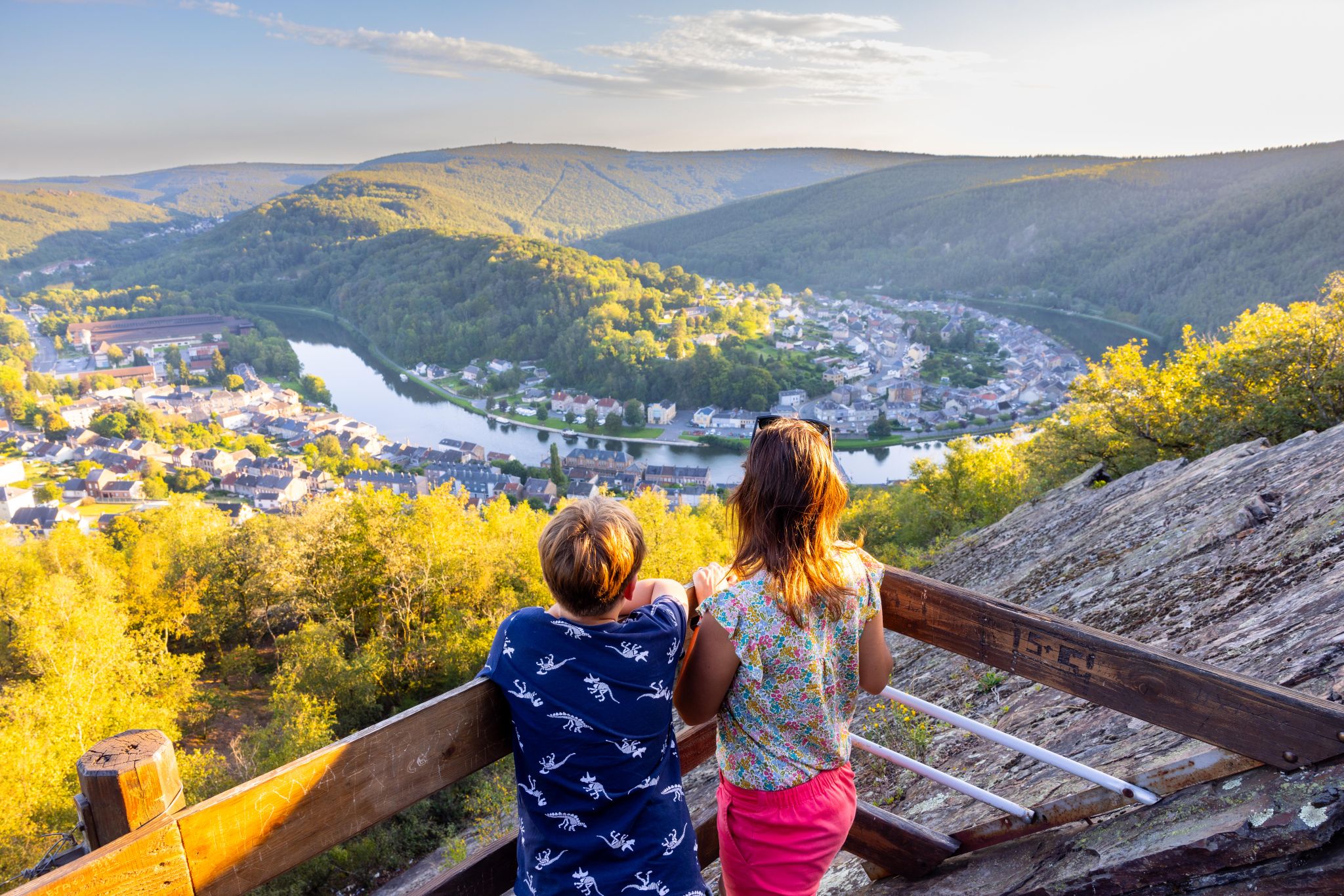
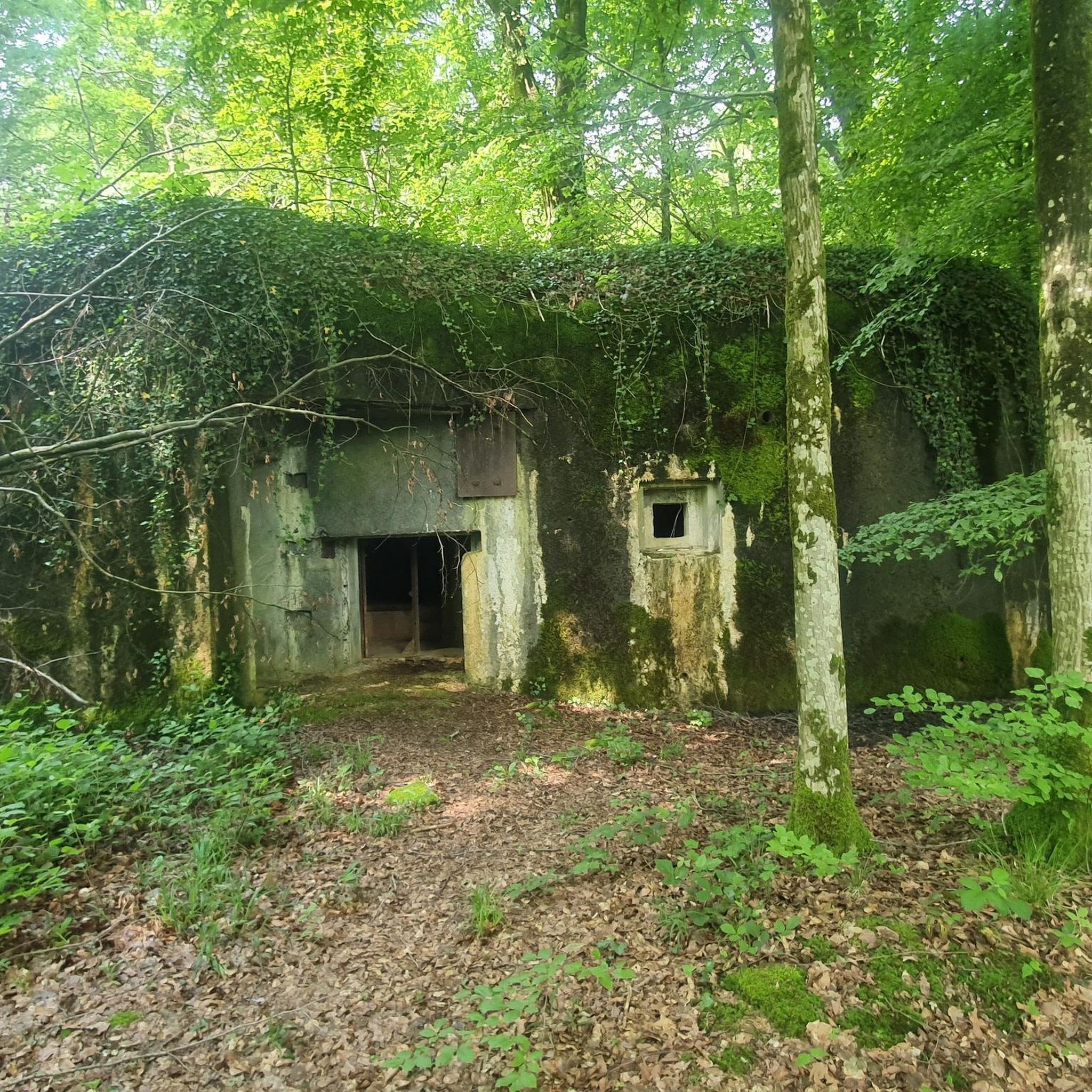
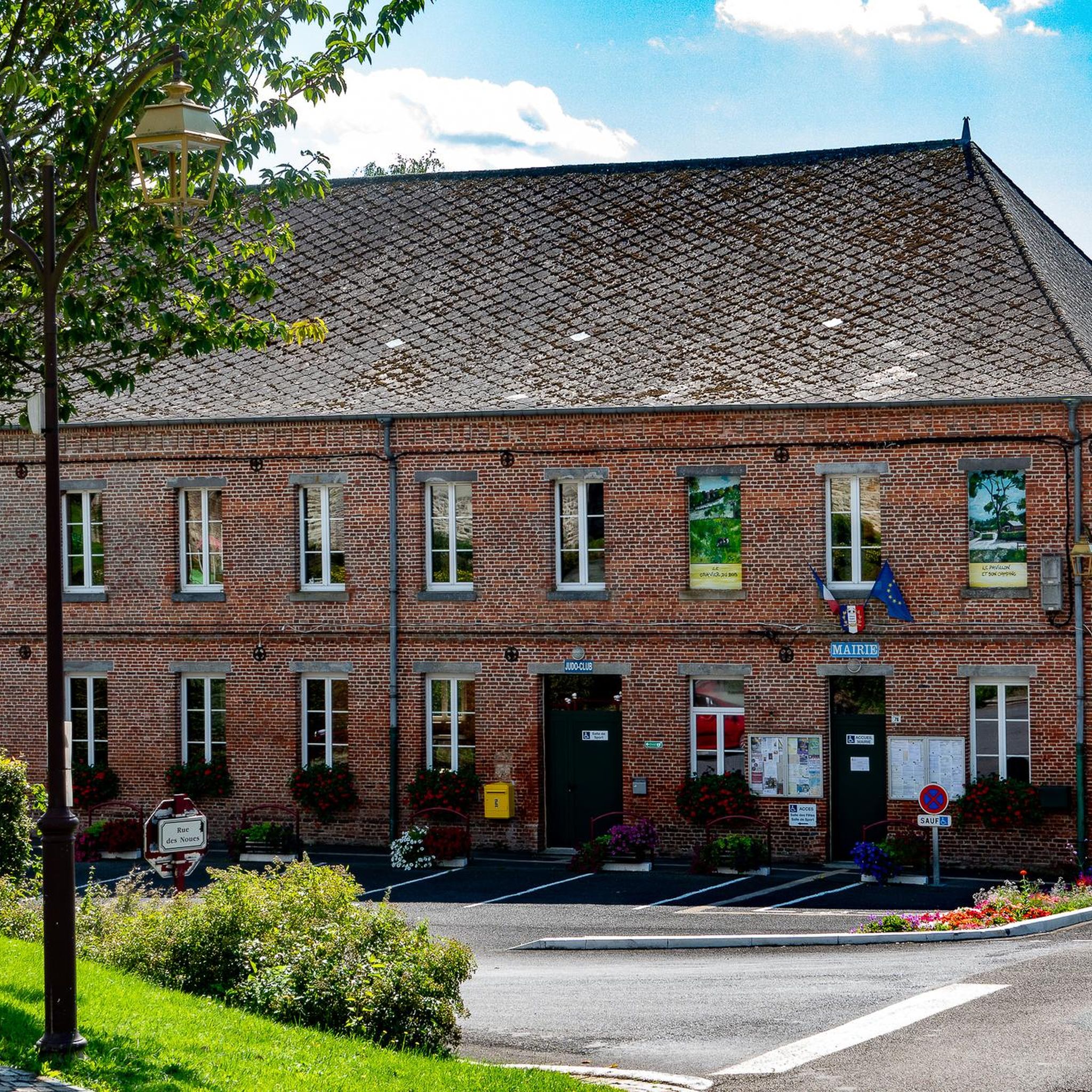
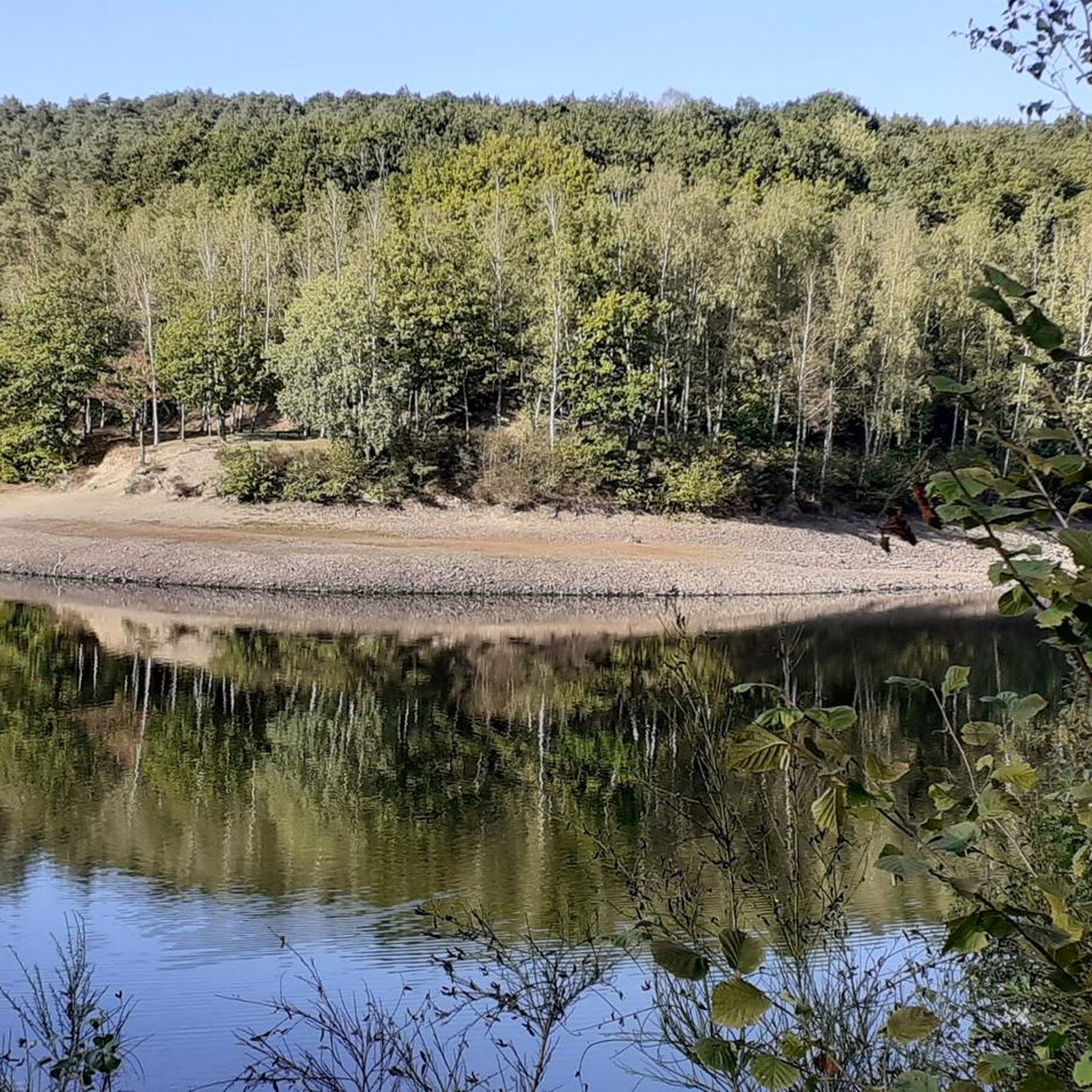

Other adventures around La Neuville-Aux-Joûtes

Tips from the Community

Interesting historical reminder.
3
0

The bunker is called " Bloc de limite No. 551
4
0

This casemate is typical of that encountered along the Maginot Line. This fortification line was built in the 1930s to prevent a German invasion. The casemates of the La Neuville-aux-Joutes forest mainly served as shelters for troops and locations for machine guns and light artillery.
0
0

Momignies is located on the French border west of Chimay. The village was crossed by a railway line which has now become a slow lane reserved for walkers and cyclists. On August 31, 1942, a convoy en route to Germany stopped in this small village. It was made up of three locomotives and thirty cattle cars carrying 1,500 prisoners, most of the Canadians having been taken prisoner during the Battle of Dieppe on August 19, 1942. It was very hot and the men were crowded together in inhumane conditions. The convoy will remain at the dock for ten hours. We can imagine that the prisoners will take advantage of the stop to heckle and shout their thirst and hunger! The villagers, attracted by the noise, rush to the station and quickly understand that they must help the unfortunate Allied soldiers. They will then negotiate with the Germans for long hours to finally obtain authorization to relieve the prisoners' misery by supplying them with water and food.
8
0
In recognition of the population of mummies towards the Canadian nation
8
0
The phenomenon of fortified churches and farms is typical of the Thiérache region. In the 16th century, the churches took over the role of protecting the population against the conquests of the French and the actions from Flanders. With cattle and all, people were sometimes locked up for weeks.
6
0
The Sint-Niklaaskerk is a very beautiful model of a fortified church on a spacious square with a music kiosk. The exterior is warlike in appearance, with a large square portico tower, dotted with embrasures, above the western portal, brick watchtowers at the corners of this tower, and other watchtowers on the arms of the transept. The walls of the tower are 3 m thick at the base and are made of quartz slate. The choir is equipped with a gatehouse that further reinforces the defensive vocabulary of this construction. The church was built at the end of the 17th century. After the previous one was burnt down by the Spaniards in 1636.
6
0

Silent witness to the Maginot Line. Historical explanation: The purpose of the line was to protect France against a surprise attack such as that which had occurred in the Franco-Prussian War of 1870, in which France had lost Alsace and part of Lorraine to Germany. When Alsace and Lorraine came fully back to France after the First World War, the old defenses were not only outdated, but also located too far from the new border. Moreover, France had lost so many soldiers in the First World War that the borders could not be adequately defended without additional measures. The French Minister of War Paul Painlevé was the driving force behind the line, but eventually his successor and war veteran André Maginot submitted the plan for construction to the French Parliament in 1930. His project costing 2.9 billion francs (today: 1.5 billion euros) took a heavy toll on the French economy, precisely at a time of economic crisis. However, defense against Germany was considered vital, especially when Adolf Hitler came to power. In addition, it provided 20,000 jobs and electrified the border areas. Source: https://nl.wikipedia.org/wiki/Maginotlinie
5
0
Frequently Asked Questions
What historical sites can I explore around La Neuville-Aux-Joûtes?
The region is rich in history, particularly related to past conflicts. You can visit fortifications from the Maginot Line, such as the Grand Marais East Casemate – Maginot Line and the Bloc de la Limite No. 551 (Maginot Line), which served as defense systems. Another significant historical site is the Canadian Prisoners Memorial, Momignies, commemorating a poignant event from World War II.
Are there any significant religious buildings to visit in the area?
Yes, the region features notable religious structures. The Scourmont Abbey is a Trappist monastery where monks dedicate themselves to prayer and manual labor, and it also has a brewery and cheese factory. Additionally, the Fortified Church of Saint-Nicolas of Signy-le-Petit is a beautiful example of a fortified church, typical of the Thiérache region.
What family-friendly attractions are available around La Neuville-Aux-Joûtes?
Several attractions are suitable for families. The Scourmont Abbey offers a glimpse into monastic life and its associated farm, brewery, and cheese factory. The Canadian Prisoners Memorial, Momignies provides an educational historical experience. The Fortified Church of Saint-Nicolas of Signy-le-Petit is also considered family-friendly, offering a unique architectural and historical insight.
Are there easy hiking trails near La Neuville-Aux-Joûtes?
Yes, there are easy hiking options. For a shorter, accessible walk, consider the 'Bunker grand marais ouest 3 loop from La Neuville-aux-Joûtes', which is approximately 4.1 km. You can find more details and other hiking routes in the Hiking around La Neuville-Aux-Joûtes guide.
What outdoor activities can I do near these attractions?
Beyond visiting the attractions, the area offers various outdoor activities. You can explore numerous cycling routes, such as the 'Scourmont Abbey – La Neuville-aux-Joûtes loop from Signy-le-Petit' (44.28 km, moderate). There are also running trails, including a 'Running loop from La Neuville-aux-Joûtes' (5.98 km, moderate). For more options, check the Cycling around La Neuville-Aux-Joûtes and Running Trails around La Neuville-Aux-Joûtes guides.
Are there any wheelchair-accessible attractions?
The Canadian Prisoners Memorial, Momignies is noted as being wheelchair accessible, offering an opportunity for all visitors to engage with this historical site.
What is the best time to visit the attractions around La Neuville-Aux-Joûtes?
The best time to visit is generally during the spring (April to June) and autumn (September to October) when the weather is mild and pleasant for exploring historical sites and enjoying outdoor activities. Summer (July to August) is also popular, though it can be warmer. Winter can be cold, but some attractions remain open.
Are there any viewpoints or scenic spots in the area?
While specific named viewpoints are not highlighted, the region's natural landscapes, particularly around the Maginot Line fortifications and the rural setting of Scourmont Abbey, offer scenic views of the French-Belgian border countryside. Exploring the hiking and cycling routes will lead you through picturesque areas.
What do visitors enjoy most about the attractions near La Neuville-Aux-Joûtes?
Visitors appreciate the deep historical insights offered by the Maginot Line sites, which serve as 'silent witnesses' to past conflicts. The serene atmosphere and unique products (brewery, cheese) of Scourmont Abbey are also highly valued. The blend of historical significance and the tranquil natural environment makes for a compelling visit, as evidenced by 68 upvotes and 90 photos shared by the komoot community.
Can I find cafes or pubs near the hiking trails?
The area around La Neuville-Aux-Joûtes is rural, but you can often find local establishments in nearby villages. For specific recommendations, it's best to check local listings or ask residents upon arrival, especially in larger towns like Signy-le-Petit or Chimay, which are often starting points for routes.
Are there any hidden gems or lesser-known spots worth visiting?
Beyond the main highlights, exploring the smaller villages and their local heritage can uncover hidden gems. The Fortified Church of Saint-Nicolas of Signy-le-Petit, while listed, is a fantastic example of the unique architecture of the Thiérache region and might be less crowded than other historical sites. Wandering off the main roads on a bike or foot can reveal charming landscapes and local history.
What kind of natural features can I expect to see?
The region is characterized by its rural landscape, featuring forests, fields, and small rivers. While there aren't prominent natural landmarks like large mountains or lakes directly mentioned, the area provides a peaceful, green environment ideal for outdoor activities. The setting around Scourmont Abbey, for instance, is nestled within a tranquil natural setting.
Most popular routes around La Neuville-Aux-Joûtes

Get inspired with the komoot mobile app


Explore more
Still not found the Highlight you’re looking for? See guides of the top attractions in other regions:
