Attractions and Places To See around Tourtoirac - Top 8
Best attractions and places to see around Tourtoirac, a village in the Dordogne region of Nouvelle-Aquitaine, France, offers a blend of historical landmarks, cultural sites, and natural features. The area is situated in the Périgord Vert, characterized by its forests, meadows, and rivers, including the Auvézère River. Visitors can explore a variety of sites, from ancient churches to unique museums and natural caves.
Best attractions and places to see around Tourtoirac
- The most popular attractions is La Loue / Coulaures, a settlement that is a pretty hamlet with a small restaurant. It serves as a good stopping point for travelers.
- Another must-see spot is Cubjac Bridge, a bridge located in a nice village. This bridge spans the Auvézère River, which flows through Tourtoirac.
- Visitors also love Château de Hautefort and Gardens, a castle that is a rare example of classical architecture in the Dordogne. Built from the 16th to the 17th century, it features French gardens extending into terraces.
- Tourtoirac is known for its historical landmarks, cultural sites, and natural features, including caves and rivers. The region offers a variety of attractions to see and explore, from Romanesque abbey churches to unique museums and accessible natural caves.
- The attractions around Tourtoirac are appreciated by the komoot community, with more than 15 upvotes and 4 photos shared by visitors.
Last updated: August 17, 2026
Château de Hautefort and Gardens
Highlight • Castle
During the Revolution, the castle was protected by the inhabitants of Hautefort, who repelled a revolutionary troop from Excideuil wanting to destroy it. At the beginning of the 20th century, the castle was in ruins, having lost its furniture, its woodwork and parquet floors. In 1929, it was bought by the Baron and Baroness de Bastard, who undertook a complete restoration. After the Baron's death in 1957, the Baroness continued the work alone. A fire in 1968 destroyed the central building, leaving only the charred exterior walls. Thanks to national and local generosity, as well as the support of personalities, Baroness de Bastard undertook a second restoration, even selling her works of art to finance the work.
The facades, frames, ceilings, decorations and rooms were reconstructed identically from photos. The woodwork of the Château de Kerlaudy was recovered and the castle was completely refurnished. In 1977, Baroness de Bastard moved back into the castle and opened it to visitors. In 1984, she created the Château de Hautefort Foundation, to which she donated the building, its estate and its furniture.
Today, the interiors not open to the public are still being restored. The French gardens, recreated by the baron and baroness, extend into terraces around the castle, with flowered boxwood embroidery beds and are classified as historic monuments. An English-style park of 30 hectares extends on the hill to the west of the castle.
Translated by Google •
Tip by

Hautefort
Highlight • Other
Translated by Google •
Tip by

Sign up now to discover places like this
Get recommendations on the best single tracks, peaks, & plenty of other exciting outdoor places.
Sign up for free
Path to Hautefort Castle
Highlight (Segment) • Other
Translated by Google •
Tip by

Cubjac Bridge
Highlight • Bridge
Translated by Google •
Tip by

La Loue / Coulaures
Highlight • Settlement
Translated by Google •
Tip by

Sign up for free to discover even more attractions around Tourtoirac.
Sign up for free
Already have an account?
Start today with a free account
Your next adventure awaits.
Login or Signup


Tips from the Community


The village and the Château de Hautefort are worth a little detour on the Flow Vélo route. At lunchtime, you can buy delicious cooked dishes at the butcher's shop "Levy" on rue Bertrand de Born and enjoy them in a small shaded square a few steps away on rue Bertrand Artigue.
0
0

Hautefort Castle, located on a rocky outcrop overlooking the town and village of Hautefort, is a rare example of classical architecture in the Dordogne. Built from the 16th to the 17th century on the foundations of an old castle, its architecture is reminiscent of the castles of the Loire. The construction, led by architects Nicolas Rambourg and Jacques Maigret, was intended for the family of the Marquis de Hautefort, close to the king and influential at Court, renowned for their generosity towards the poor. During the Revolution, the castle was protected by the inhabitants of Hautefort, who repelled a revolutionary troop from Excideuil wanting to destroy it. At the beginning of the 20th century, the castle was in ruins, having lost its furniture, its woodwork and parquet floors. In 1929, it was bought by the Baron and Baroness de Bastard, who undertook a complete restoration. After the Baron's death in 1957, the Baroness continued the work alone. A fire in 1968 destroyed the central building, leaving only the charred exterior walls. Thanks to national and local generosity, as well as the support of personalities, Baroness de Bastard undertook a second restoration, even selling her works of art to finance the work. The facades, frames, ceilings, decorations and rooms were reconstructed identically from photos. The woodwork of the Château de Kerlaudy was recovered and the castle was completely refurnished. In 1977, Baroness de Bastard moved back into the castle and opened it to visitors. In 1984, she created the Château de Hautefort Foundation, to which she donated the building, its estate and its furniture. Today, the interiors not open to the public are still being restored. The French gardens, recreated by the baron and baroness, extend into terraces around the castle, with flowered boxwood embroidery beds and are classified as historic monuments. An English-style park of 30 hectares extends on the hill to the west of the castle.
0
0

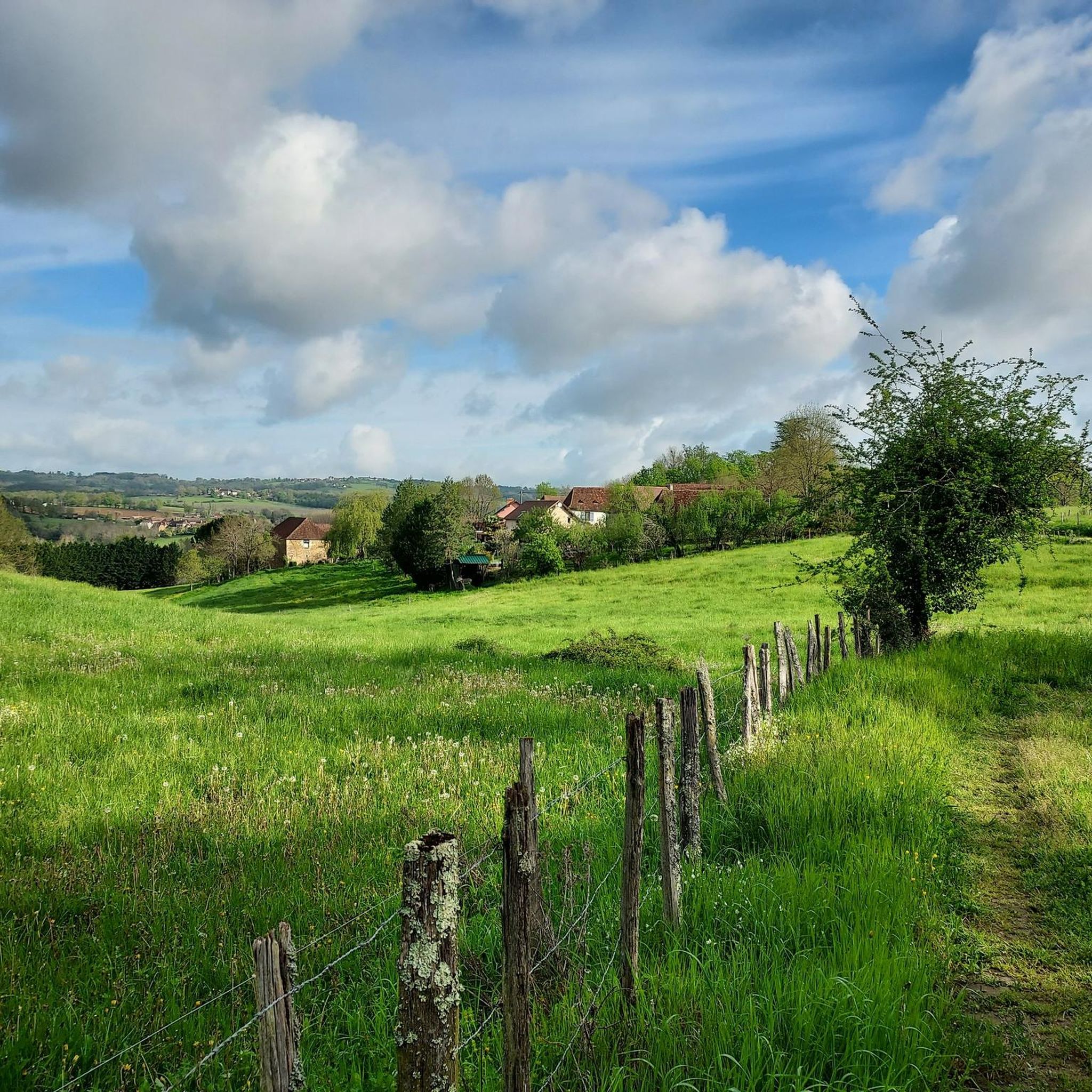
It’s Auvezre! And we often talk about the Auvezere Valley… go for a good walk, it’s magnificent there
1
0

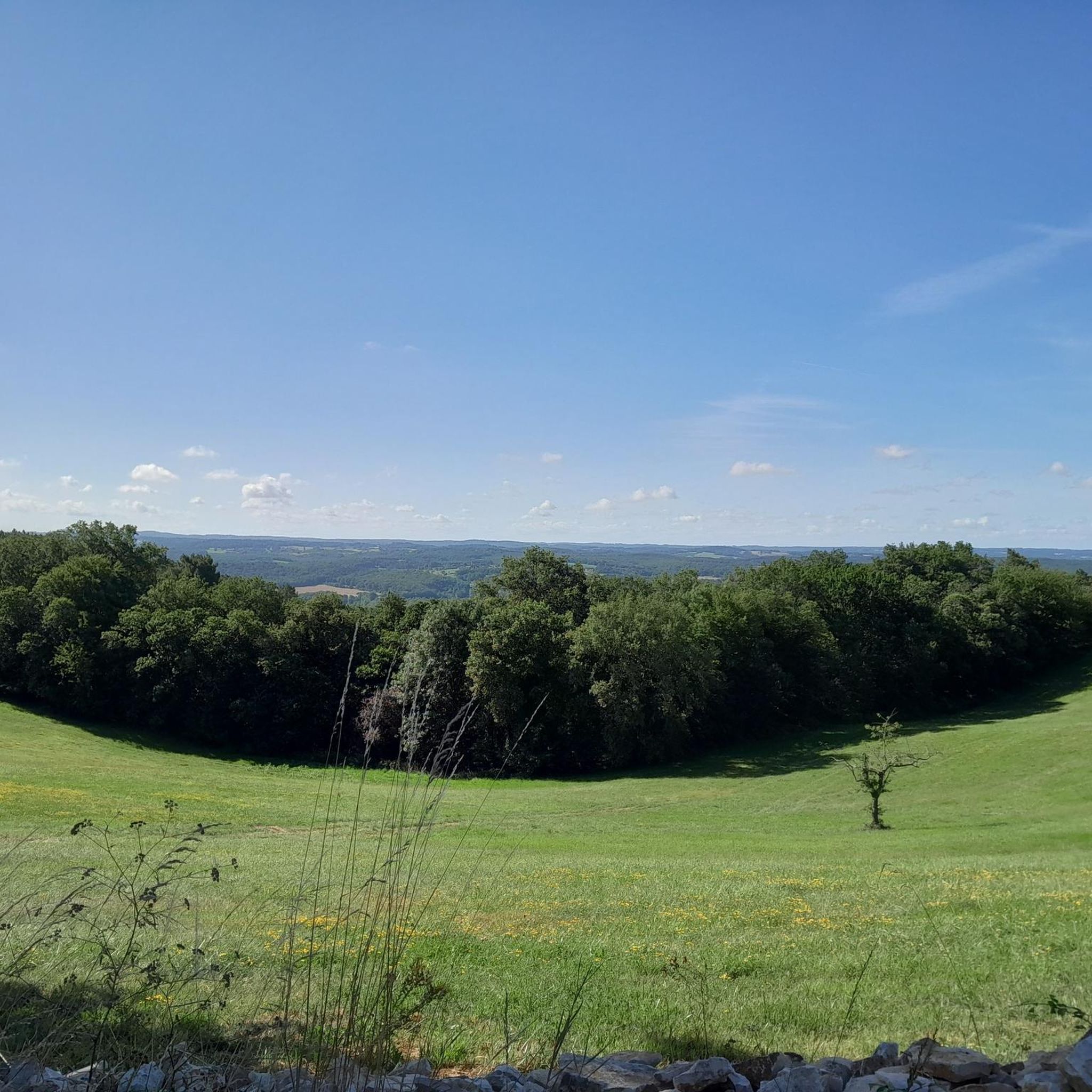
Uphill path to reach the castle of Hautefort. A very well maintained castle. The gardens are absolutely stunning. It's like being in a cartoon at times, the paths and the flowerbeds are cut with a line. But with original shapes and it's surprising.
2
0

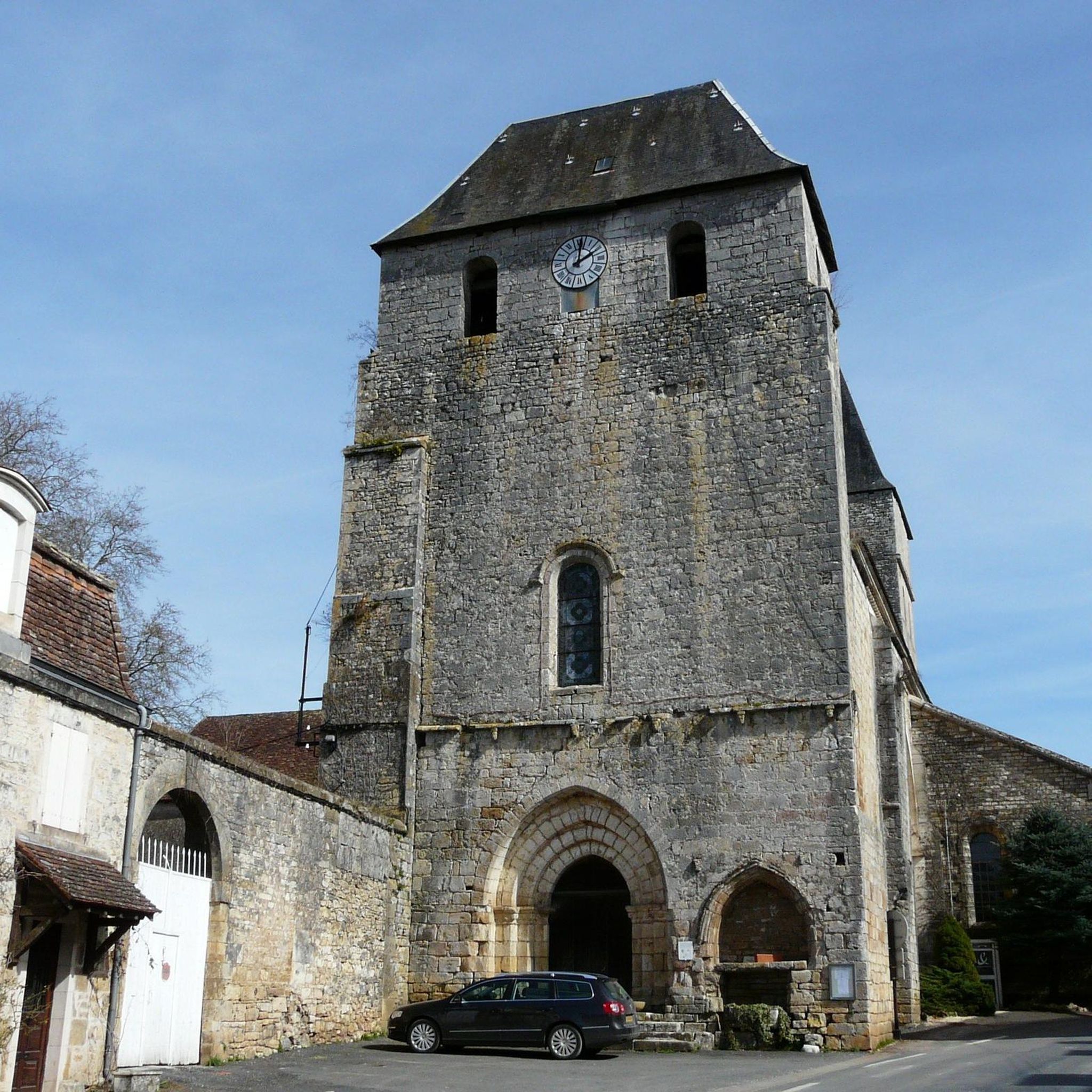
Nice village with a very nice bridge and a small bar
1
0
Frequently Asked Questions
What unique historical sites can I visit in Tourtoirac?
Tourtoirac is rich in history. You can explore the Abbey Church of Saint-Pierre-ès-Liens, a Romanesque church dating back to 1023, featuring a lapidary museum and impressive architecture. Another unique site is the Museum of the Kings of Araucania and Patagonia, dedicated to the adventurer Antoine de Tounens, who became king of the Mapuche tribes. His tomb, along with that of Achille I, can be found in the village cemetery.
What natural attractions are there to explore around Tourtoirac?
The most prominent natural attraction is the Grotte de Tourtoirac, a stunning cave system discovered in 1995. It offers several hundred meters of accessible pathways to admire concretions, columns, and unique formations. The Auvézère River also flows through Tourtoirac, providing picturesque settings for strolls. The village is situated in the Périgord Vert, known for its forests, meadows, and rivers.
Are there any family-friendly attractions in Tourtoirac?
Yes, several attractions are suitable for families. The Château de Hautefort and Gardens offers a fascinating historical experience with beautiful grounds. The Hautefort Museum of Medical History provides an educational and intriguing visit. The Grotte de Tourtoirac is also a great family option, offering an engaging natural wonder.
Which attractions are wheelchair accessible in Tourtoirac?
The Grotte de Tourtoirac is notably fully accessible to people with reduced mobility, including wheelchair users, making it an excellent choice for all visitors. Its pathways are designed to accommodate wheelchairs, ensuring everyone can enjoy the cave's beauty.
What is the best time to visit the Grotte de Tourtoirac?
The Grotte de Tourtoirac maintains a constant temperature of 13-14°C (55-57°F) year-round, making it a comfortable visit regardless of the season. However, checking the official website for specific opening hours and tour availability is recommended, especially during off-peak seasons. You can find more information at Sarlat Tourisme.
What outdoor activities can I do around Tourtoirac?
The region around Tourtoirac, part of the Périgord Vert, is ideal for various outdoor activities. You can find numerous trails for hiking, including easy loops like the 'Hiking loop from Saint-Raphaël'. There are also many cycling routes, such as the 'Hautefort – Hautefort Castle loop', and running trails like the 'Running loop from Tourtoirac'.
Are there any notable castles or historical buildings near Tourtoirac?
Absolutely. The magnificent Château de Hautefort and Gardens is a must-see, known for its classical architecture and stunning French gardens. While not open to the public, the 18th and 19th-century Manoir de la Farge is also visible from the edge of Tourtoirac, adding to the area's historical charm.
What do visitors enjoy most about the attractions around Tourtoirac?
Visitors frequently praise the beauty and historical significance of sites like the Château de Hautefort and Gardens, often highlighting its stunning gardens and well-maintained structure. The Grotte de Tourtoirac is appreciated for its natural formations and accessibility. The charming hamlet of La Loue / Coulaures is noted as a pleasant stopping point with a small restaurant, and the Cubjac Bridge is admired for its picturesque setting in a nice village.
Are there any easy walking trails around Tourtoirac?
Yes, for those looking for easier walks, there are several options. The 'Hiking loop from Saint-Raphaël' is an easy 4 km trail. Another accessible option is 'The Lovers' Cabin – Cabane des Amoureux loop from Temple-Laguyon', which is about 6 km. You can find more details on these and other trails in the hiking guide for Tourtoirac.
Can I find places to eat or relax near the attractions?
Yes, for instance, the hamlet of La Loue / Coulaures offers a small restaurant, making it a good spot to stop and refuel. The village where Cubjac Bridge is located also has a small bar, perfect for a quick break. For more options, exploring the main village of Tourtoirac will provide additional choices.
What is the Hautefort Museum of Medical History about?
Located in the 17th-century Hôtel-Dieu d'Hautefort, the Hautefort Museum of Medical History showcases the evolution of medicine through various themed rooms. Visitors can explore reconstructions of historical hospital rooms, exhibitions of liturgical vestments, and displays of pharmacy, biology, dental, radiography, gynecology, and obstetrics equipment from different eras. A 'Simples garden' also features plants used for medicinal purposes.
Are there opportunities for cycling around Tourtoirac?
Yes, the area offers several cycling routes for different skill levels. For example, you can try the 'Hautefort – Hautefort Castle loop from Tourtoirac' or the 'Excideuil Hospital loop from Tourtoirac'. These routes allow you to explore the scenic Périgord Vert region by bike. More detailed information and route options are available in the cycling guide for Tourtoirac.
Most popular routes around Tourtoirac

Get inspired with the komoot mobile app


Explore more
Still not found the Highlight you’re looking for? See guides of the top attractions in other regions:
