Attractions and Places To See around Rouffignac-Saint-Cernin-De-Reilhac - Top 20
Best attractions and places to see around Rouffignac-Saint-Cernin-De-Reilhac are concentrated in a region known for its rich prehistoric and historical significance. The area, situated in the Vézère valley, features numerous natural caves and rock shelters that have been inhabited for millennia. This landscape offers a blend of historical sites, natural monuments, and settlements. Visitors can explore a variety of outdoor attractions, including those related to human history and geological formations.
Best attractions and places to see around Rouffignac-Saint-Cernin-De-Reilhac
- The most…
Last updated: August 25, 2026
La Roque Saint-Christophe
Highlight • Historical Site
Translated by Google •
Tip by

Les Eyzies-de-Tayac
Highlight • Historical Site
Translated by Google •
Tip by
Sign up now to discover places like this
Get recommendations on the best single tracks, peaks, & plenty of other exciting outdoor places.
Sign up for free
Saint-Léon-sur-Vézère
Highlight • Other
Translated by Google •
Tip by
Abri de La Madeleine
Highlight • Cave
Translated by Google •
Tip by

Maison Forte de Reignac
Highlight • Castle
Source Wikipedia en.m.wikipedia.org/wiki/Tursac
Translated by Google •
Tip by

Sign up for free to discover even more attractions around Rouffignac-Saint-Cernin-De-Reilhac.
Sign up for free
Already have an account?
Start today with a free account
Your next adventure awaits.
Login or Signup
Popular around Rouffignac-Saint-Cernin-De-Reilhac
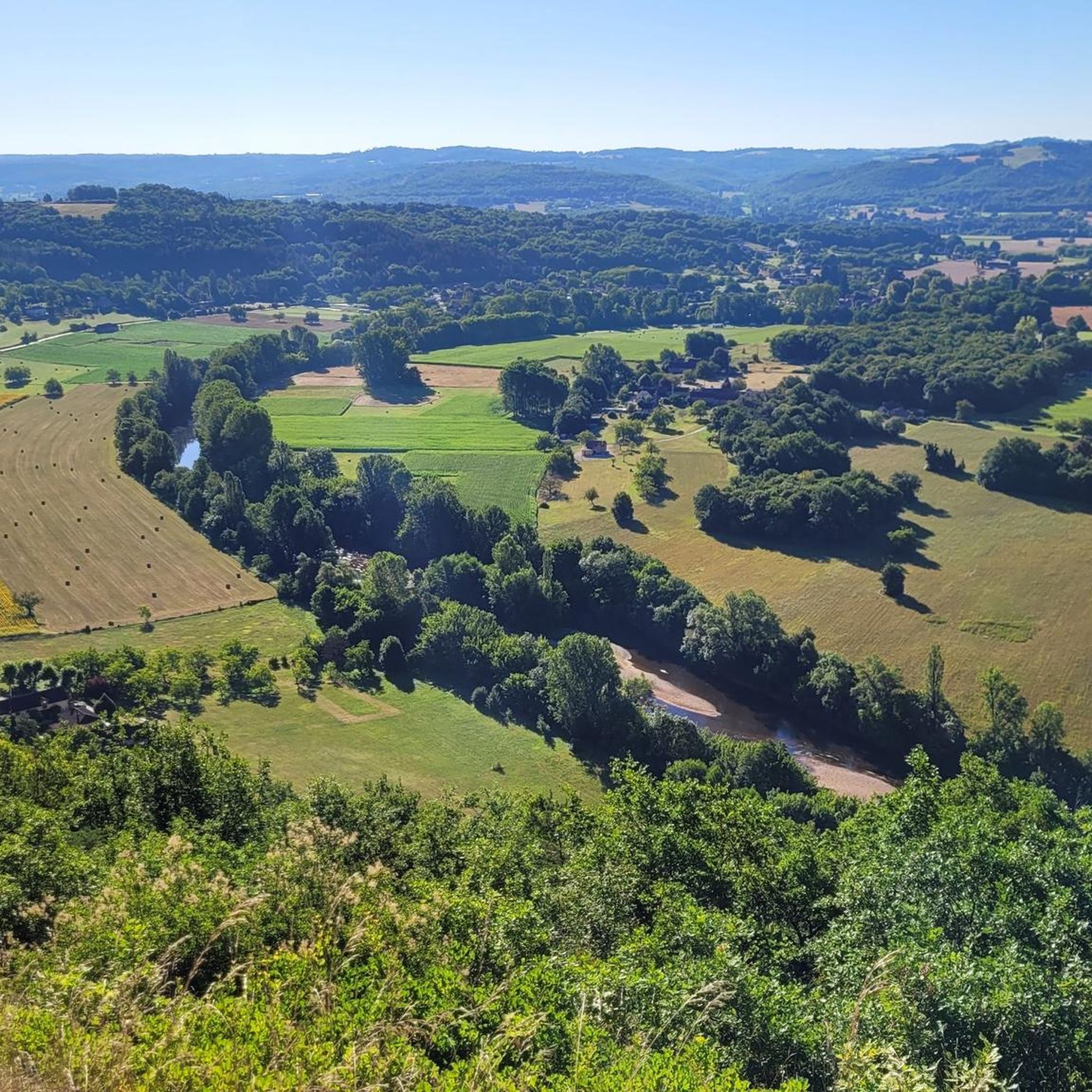
MTB Trails around Rouffignac-Saint-Cernin-De-Reilhac
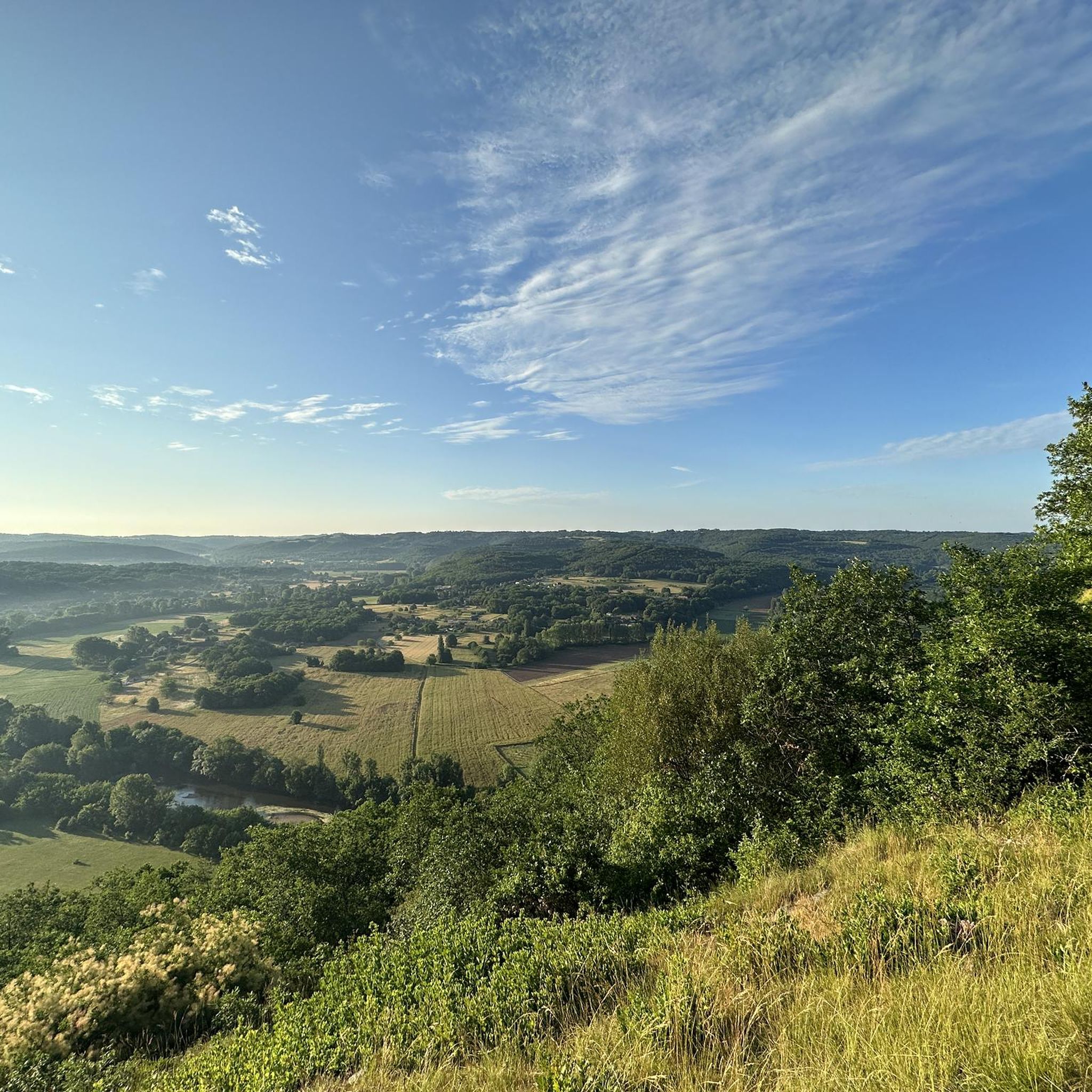
Hiking around Rouffignac-Saint-Cernin-De-Reilhac
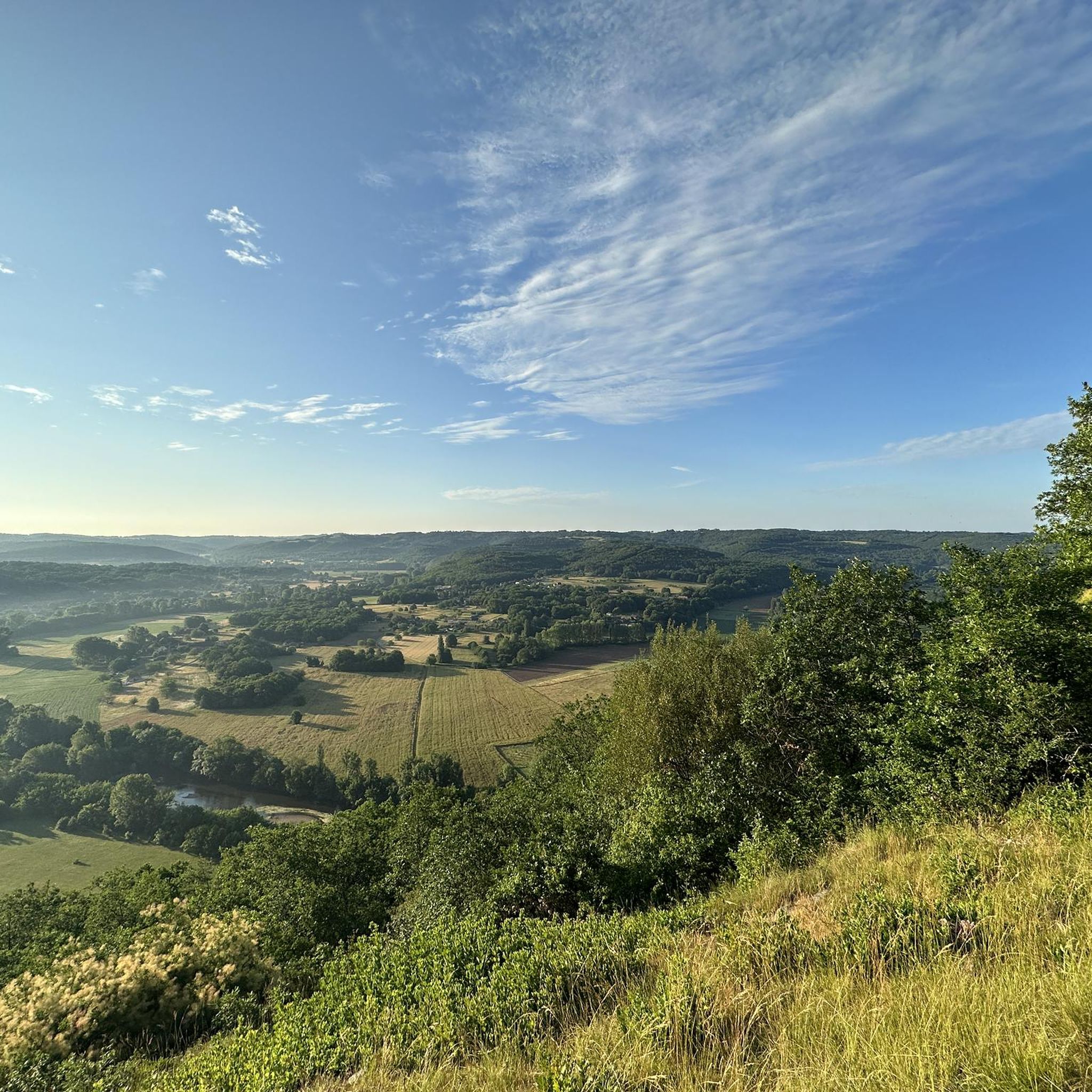
Cycling around Rouffignac-Saint-Cernin-De-Reilhac
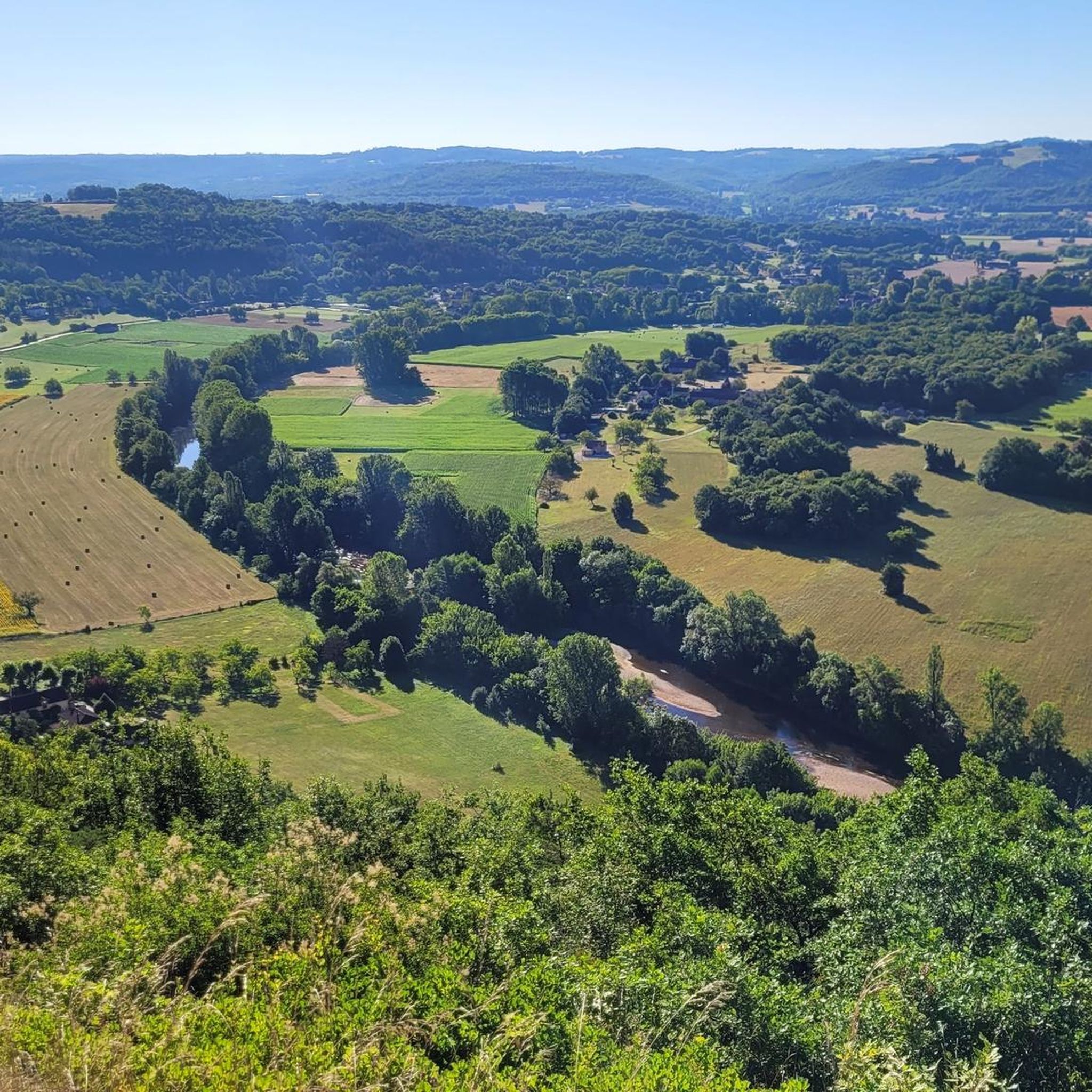
Road Cycling Routes around Rouffignac-Saint-Cernin-De-Reilhac
Running Trails around Rouffignac-Saint-Cernin-De-Reilhac
Gravel biking around Rouffignac-Saint-Cernin-De-Reilhac
Tips from the Community

Beautiful small village with a good variety of places to eat. Strongly recommend SmooVie Grigotheque and Le Dejeuner sur l’Herbe
0
0

This museum is certainly interesting, unfortunately we didn't have enough time
0
0
Impressive are the dwellings in the rocks and the houses from the rocks
0
0

Here we have the situation – previously completely unknown to me and therefore surprising – that MADELEINE, a Christian saint (the name is derived from the biblical "Mary Magdalene"), has become the namesake of an era from the proverbial "dim prehistory" (one to one and a half dozen millennia before the beginning of our era). To paraphrase it from Wikipedia, which can explain it better than I can: "The Magdalenian is an archaeological cultural stage in the younger part of the Upper Paleolithic in Central and Western Europe at the end of the last Ice Age. The Magdalenian was named in 1869 by Gabriel de Mortillet after the semi-cave La Madeleine in the Dordogne department. It spanned an approximate period from approximately 18,000 to 12,000 BC."
2
0

One of the most beautiful villages I know...
0
0

beautiful place and particularly worthwhile Romanesque church
0
1
Said to be the last intact rock castle in France.
0
0

Welcome to the capital of prehistory! This is the nickname given to this modest village which follows the course of the Vézère. It must be said that the extraordinary sites that you can visit are numerous. In addition to the very richly supplied national museum, I encourage you to go to the Pôle de la préhistoire. Building entirely dedicated to this science and free. Find out about all the prehistoric marvels that can be admired in and around the town. They are not missing. It is not without reason that the Vézère valley has been nicknamed the valley of man.
2
1
Frequently Asked Questions
What historical sites can I explore in the Rouffignac-Saint-Cernin-De-Reilhac region?
The region is rich in history, particularly prehistory. You can visit La Roque Saint-Christophe, a massive rock shelter inhabited since prehistoric times and later a medieval fortress. Another key site is Les Eyzies-de-Tayac, known as the "capital of prehistory," offering numerous sites and museums. Don't miss Maison Forte de Reignac, a unique fortified house built directly under a cliff.
Are there any unique historical dwellings or structures to visit?
Absolutely. The Maison Forte de Reignac is a remarkable fortified house from the 16th century, built directly into the cliff face. It was inhabited until the 20th century and now serves as a museum showcasing original furnishings. Similarly, La Roque Saint-Christophe features natural cavities that were converted into a medieval fortress.
Where can I learn more about the prehistoric past of the Vézère Valley?
The best place to delve into the region's prehistoric past is Les Eyzies-de-Tayac. This village is often called the "capital of prehistory" and hosts several museums and sites dedicated to the Paleolithic era. You can also explore the Abri de La Madeleine, a significant settlement site from the Magdalenian period.
What kind of outdoor activities can I do near these attractions?
The Rouffignac-Saint-Cernin-De-Reilhac area is excellent for outdoor enthusiasts. You can find numerous routes for road cycling, touring cycling, and hiking. For detailed routes and maps, check out the guides for Road Cycling, Touring Cycling, and Hiking around Rouffignac-Saint-Cernin-De-Reilhac.
Are there hiking trails near these attractions?
Yes, there are several hiking trails available. You can find easy to moderate routes like the Fleurac Route loop from Fleurac (6.2 km) or the L'Herm Castle loop from Château de l'Herm (4.6 km). For more options, including longer routes, explore the Hiking around Rouffignac-Saint-Cernin-De-Reilhac guide.
What do visitors enjoy most about the attractions in this region?
Visitors frequently praise the unique blend of natural beauty and deep historical significance. The impressive rock formations and the way ancient civilizations integrated with them, as seen at La Roque Saint-Christophe and Maison Forte de Reignac, are often highlighted. The rich prehistoric context of Les Eyzies-de-Tayac also leaves a lasting impression.
Are there any charming villages to visit in the area?
Yes, Saint-Léon-sur-Vézère is a particularly pretty village located in the Vézère valley. It boasts a beautiful Romanesque church, a lovely old town with craft shops, and even a swimming area, making it a delightful stop.
What natural features can I see around Rouffignac-Saint-Cernin-De-Reilhac?
The region is characterized by its natural caves and rock shelters. Sites like La Roque Saint-Christophe and Abri de La Madeleine are prime examples of these impressive geological formations that also served as ancient human habitats. The Vézère valley itself offers scenic views and natural landscapes.
Are there any family-friendly outdoor activities around Rouffignac-Saint-Cernin-De-Reilhac?
Many of the historical sites, such as La Roque Saint-Christophe and Maison Forte de Reignac, offer engaging experiences for families, combining history with unique settings. Additionally, the easier hiking routes listed in the Hiking guide are suitable for families looking to explore the natural surroundings.
What is the best time of year to visit Rouffignac-Saint-Cernin-De-Reilhac?
The spring and autumn months generally offer pleasant weather for exploring both the outdoor attractions and historical sites, with fewer crowds than in peak summer. Summer is also popular, especially for activities along the Vézère river, but can be warmer. Always check specific attraction opening hours, as some may have reduced schedules in the off-season.
Are there options for cycling in the area?
Yes, the region is well-suited for cycling. You can find various routes for both road cycling and touring cycling, taking you through scenic landscapes and past historical sites. Explore the Road Cycling and Touring Cycling guides for detailed route information.
Can I find cafes and restaurants near the main attractions?
Yes, you'll find dining options, especially in and around the more populated historical settlements. Les Eyzies-de-Tayac, being a significant hub, offers various choices. The charming village of Saint-Léon-sur-Vézère also has nice restaurants and craft shops.
Most popular routes around Rouffignac-Saint-Cernin-De-Reilhac
Most popular attractions around Rouffignac-Saint-Cernin-De-Reilhac

Get inspired with the komoot mobile app


Explore more
Still not found the Highlight you’re looking for? See guides of the top attractions in other regions:
