Attractions and Places To See around Taglio-Isolaccio - Top 20
Best attractions and places to see around Taglio-Isolaccio include a variety of natural and historical sites. This region in Corsica offers 20 distinct places to explore, ranging from waterfalls to historical bridges. The landscape features natural monuments and historical structures, providing diverse points of interest for visitors.
Best attractions and places to see around Taglio-Isolaccio
- The most popular attractions is Genoese bridge, a historical site that is noted for its beauty and the adjacent forest. This bridge is a…
Last updated: May 21, 2026
Genoese bridge
Highlight • Historical Site
Translated by Google •
Tip by

Bucatoggio Waterfall
Highlight • Waterfall
Translated by Google •
Tip by
Sign up now to discover places like this
Get recommendations on the best single tracks, peaks, & plenty of other exciting outdoor places.
Sign up for free
Ucelluline Waterfall
Highlight • Waterfall
Translated by Google •
Tip by

San Nicolao Church
Highlight • Other
Translated by Google •
Tip by

Church San Nicolu
Highlight • Other
Translated by Google •
Tip by

Sign up for free to discover even more attractions around Taglio-Isolaccio.
Sign up for free
Already have an account?
Start today with a free account
Your next adventure awaits.
Login or Signup
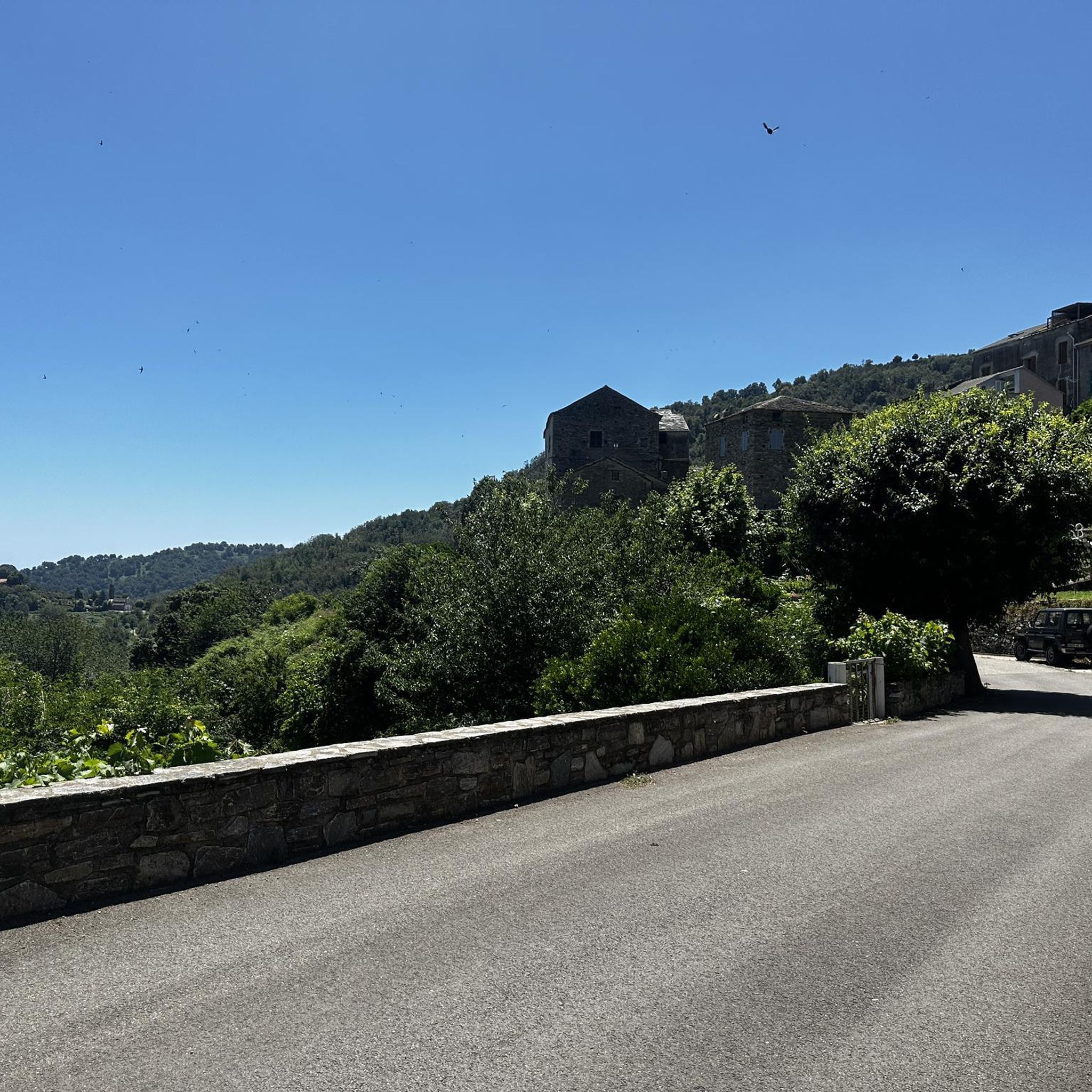
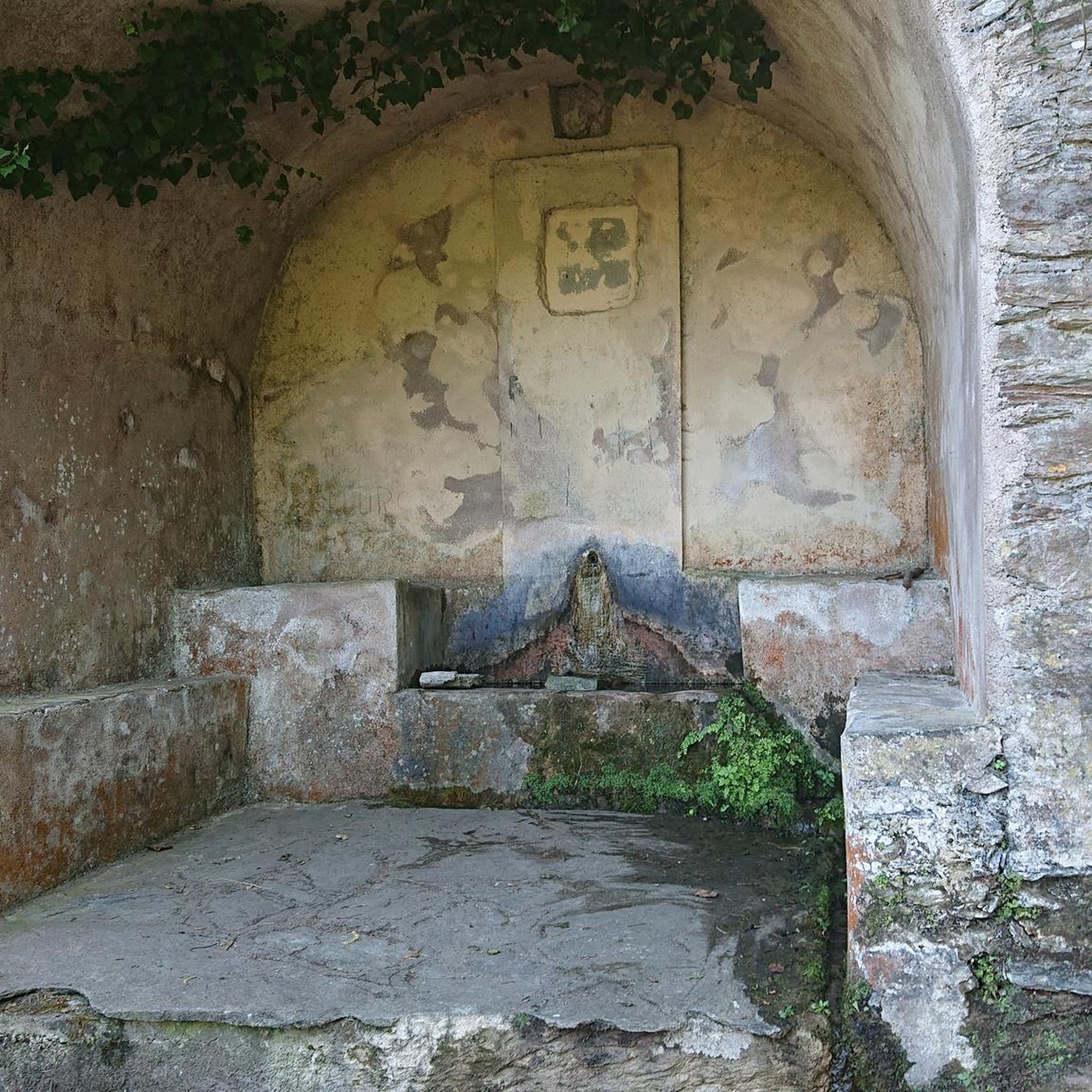
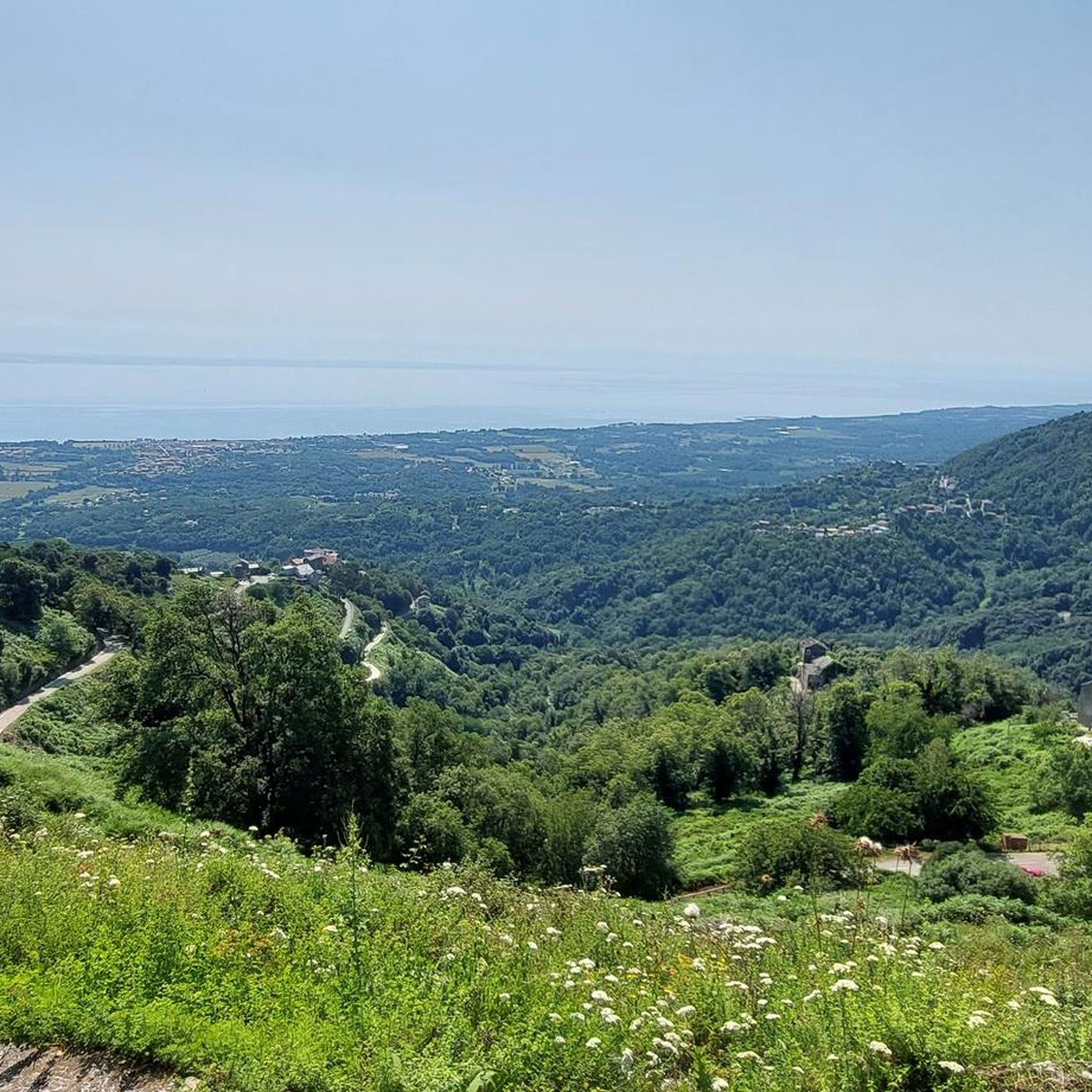

Tips from the Community

This church is one of the Baroque buildings found in Corsica. It is recognizable from afar with its distinctive bell tower, visible amidst the natural forest setting of the Costa Verde massif.
0
0

The church was begun at the beginning of the seventeenth century and completed in 1717. In 1740, embellishment works were carried out. The wall paintings were painted by Luigi Pollero in 1810. The main façade consists of two levels delimited by cornices and surmounted by a triangular pediment with three acroteria. On the first level, on either side of the portal, there are two niches that house the statues of Saint Nicholas and Saint Peter. The church ends in a semicircular apse. The bell tower rises at the junction of the apse and the right side façade. It has five floors that end in a dome surmounted by a cross. The interior consists of a nave and five richly decorated side chapels. On either side of the altar there are caryatid angels. Building dating from the first quarter of the 17th century (?), mentioned in the report of the pastoral visit of Msgr. Marliani, Bishop of Mariana and Accia, in 1646. It was restored in 1686 with the collaboration of master masons Lorenzo Chiglione and Giovanni Filippi. Rebuilt in 1717 and 1740. Main door dating from 1766. Painted decoration (investigated in the Palissy database) carried out by the painter Luigi Polleri in 1810, as shown by the date on the inside of the building. Restored in 1896.
1
0
The church was begun at the beginning of the seventeenth century and completed in 1717. In 1740, embellishment works were carried out. The wall paintings were painted by Luigi Pollero in 1810. The main façade consists of two levels delimited by cornices and surmounted by a triangular pediment with three acroteria. On the first level, on either side of the portal, there are two niches that house the statues of Saint Nicholas and Saint Peter. The church ends in a semicircular apse. The bell tower rises at the junction of the apse and the right side façade. It has five floors that end in a dome surmounted by a cross. The interior consists of a nave and five richly decorated side chapels. On either side of the altar there are caryatid angels. Building dating from the first quarter of the 17th century (?), mentioned in the report of the pastoral visit of Msgr. Marliani, Bishop of Mariana and Accia, in 1646. It was restored in 1686 with the collaboration of master masons Lorenzo Chiglione and Giovanni Filippi. Rebuilt in 1717 and 1740. Main door dating from 1766. Painted decoration (investigated in the Palissy database) carried out by the painter Luigi Polleri in 1810, as shown by the date on the inside of the building. Restored in 1896.
1
0

This church has a special location. Every time I cycled past it I just had to stop for a moment. Very beautiful. 👍🏻
0
0

The suggested route is basically manageable even for inexperienced hikers. In my opinion, you should definitely wear sturdy (ankle-high) shoes if you want to go further than the bathing area. The bridge is a fun way to start, the waterfall is of course (in August) completely crowded, the rest area at the chapel is pleasant and the view and landscape in general is great. The way back on the road is relatively risky with the Corsican traffic.
0
0
Beautiful old stone bridge. You can swim underneath. Next to it is a small ruin.
0
0
You can either go up next to the bridge or go down diagonally opposite and swim if you want. There is a tunnel on the other side of the bridge.
2
1

Frequently Asked Questions
What natural features can I explore around Taglio-Isolaccio?
The region is rich in natural beauty, particularly waterfalls. You can visit the Ucelluline Waterfall, known for its multiple cascades in a gorge-like valley, and the Bucatoggio Waterfall, which features a small lake and a larger waterfall further uphill. Both offer opportunities to enjoy Corsica's natural landscapes.
Are there historical sites to visit in Taglio-Isolaccio?
Yes, Taglio-Isolaccio offers several historical points of interest. The Genoese bridge is a significant historical landmark, noted for its beauty and the adjacent forest. Additionally, you can explore the San Nicolao Church, a beautiful 17th-century structure with impressive wall paintings and a distinctive bell tower, located in the nearby municipality of San-Nicolao.
What outdoor activities can I do near these attractions?
Beyond visiting the attractions, you can enjoy a variety of outdoor activities. There are numerous hiking trails, including moderate loops like the Isolaccio Village loop. For cyclists, there are challenging cycling routes, such as the View of Casinca Village loop. If you prefer running, you'll find several running trails along the Corsican East Coast Beach.
Are there hiking trails suitable for different skill levels?
Yes, the area around Taglio-Isolaccio offers hiking trails for various skill levels. For an easy walk, consider the Talasani loop from Talasani. If you're looking for moderate options, the Isolaccio Village loop or the Isolaccio Village – Shelter with panoramic view loop are great choices. More challenging routes like the In the mountain village of Velone – San Bartolomeu Chapel loop are also available for experienced hikers. You can find more details on komoot's hiking guide.
Can I find places for swimming near Taglio-Isolaccio?
Yes, the Ucelluline Waterfall is known to have spots for bathing in its upper part, offering a refreshing experience in a natural setting. The Bucatoggio Waterfall also features a small lake, which might be suitable for a dip depending on conditions.
What do visitors particularly enjoy about the attractions in Taglio-Isolaccio?
Visitors frequently praise the natural beauty and tranquility of the area. For instance, the Genoese bridge is appreciated for its picturesque setting and the adjacent forest. The Ucelluline Waterfall is highlighted for its magnificent views and the opportunity to swim in its clear, refreshing water. Many also enjoy the scenic drives to reach these spots.
Are there family-friendly attractions in the area?
The natural attractions like the Ucelluline Waterfall and Bucatoggio Waterfall can be enjoyable for families, offering opportunities for short walks and refreshing dips. The historical sites, such as the Genoese bridge, also provide interesting educational experiences in a beautiful outdoor setting.
When is the best time to visit Taglio-Isolaccio for outdoor activities?
The spring (April to June) and autumn (September to October) months are generally ideal for outdoor activities in Taglio-Isolaccio. During these periods, the weather is typically mild and pleasant, perfect for hiking, cycling, and exploring the natural and historical sites without the intense heat of summer. Summer (July and August) is also popular, especially for swimming, but can be very warm.
Are there any lesser-known spots or hidden gems worth discovering?
While the main attractions are well-loved, exploring the smaller villages in the Castagniccia region, such as San-Nicolao, can reveal charming historical churches like the San Nicolao Church, offering a glimpse into local heritage away from the more frequented paths. The journey along the narrow, winding mountain roads to reach places like the Ucelluline Waterfall also offers magnificent, often overlooked, views over the coastal plain.
Is public transport available to reach attractions around Taglio-Isolaccio?
Public transport options to reach specific attractions in the rural area around Taglio-Isolaccio are generally limited. It is highly recommended to have a car for convenient access to most natural and historical sites, as this allows for greater flexibility in exploring the region's diverse offerings.
What kind of historical architecture can I expect to see?
The region features notable historical architecture, particularly religious buildings and bridges. The San Nicolao Church, for example, showcases 17th-century design with intricate wall paintings and a distinctive five-story bell tower. The Genoese bridge is another excellent example of historical engineering, reflecting the island's past.
Most popular routes around Taglio-Isolaccio
Most popular attractions around Taglio-Isolaccio

Get inspired with the komoot mobile app


Explore more
Still not found the Highlight you’re looking for? See guides of the top attractions in other regions:
