Attractions and Places To See around Girondelle - Top 20
Best attractions and places to see around Girondelle include historical landmarks and natural features within this small commune in the Ardennes department of France. The area is characterized by its rural setting, offering glimpses into local heritage and natural beauty. Girondelle is traversed by the Sormonne river, which forms part of the regional natural park of the Ardennes, providing a landscape of forests and waterways.
Best attractions and places to see around Girondelle
- The most popular attractions is Old Forge…
Last updated: July 6, 2026
Stone Crusher Ruins of Maubert-Fontaine
Highlight • Historical Site
Translated by Google •
Tip by

Fortified Church of Saint-Nicolas of Signy-le-Petit
Highlight • Religious Site
Translated by Google •
Tip by

Sign up now to discover places like this
Get recommendations on the best single tracks, peaks, & plenty of other exciting outdoor places.
Sign up for free
Château de l'Échelle
Highlight • Castle
Translated by Google •
Tip by

Saint Martin Church
Highlight • Other
Aubigny-les-Pothées …
Translated by Google •
Tip by
Old Forge Pond
Highlight • Other
Translated by Google •
Tip by

Sign up for free to discover even more attractions around Girondelle.
Sign up for free
Already have an account?
Start today with a free account
Your next adventure awaits.
Login or Signup



Tips from the Community

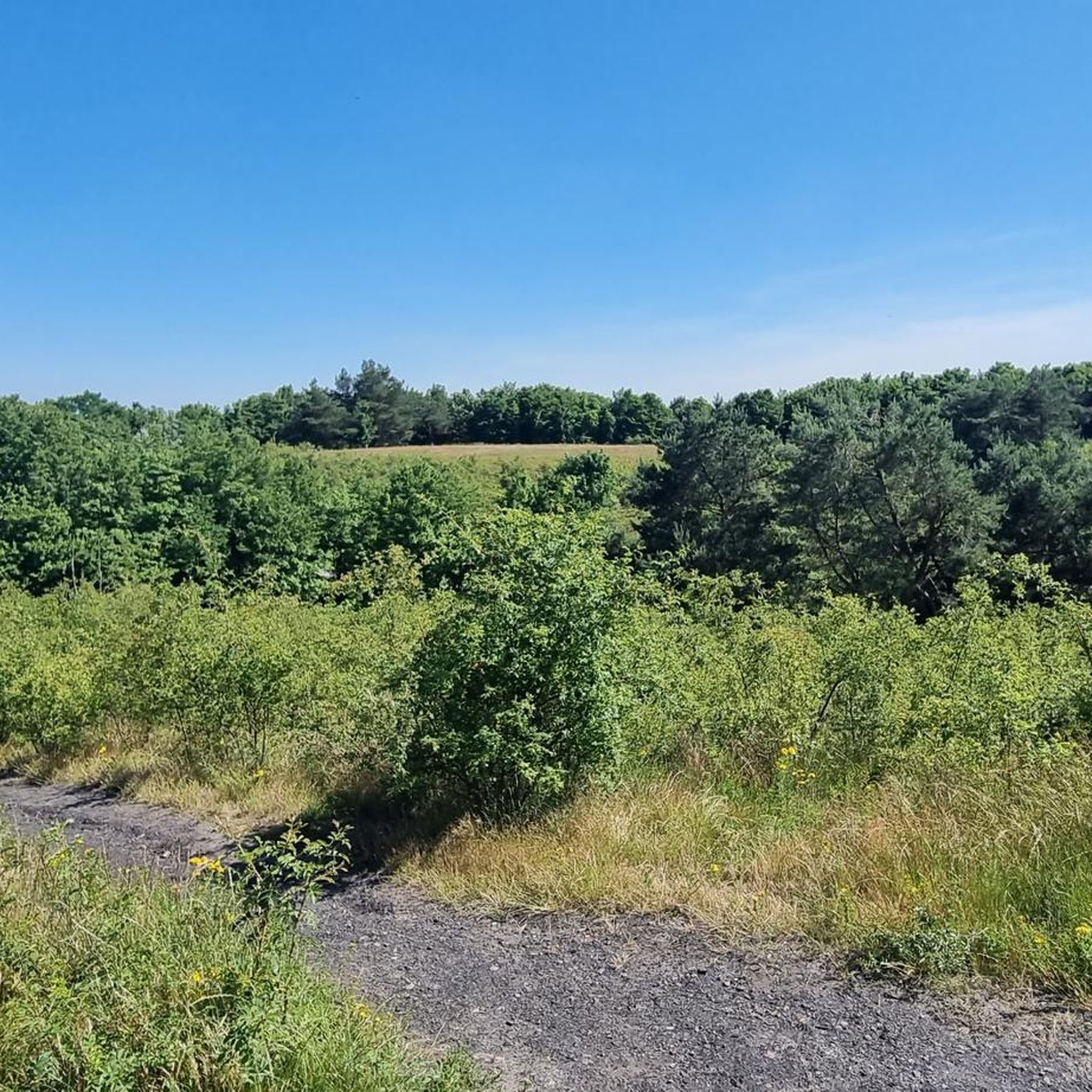
Very nice building with large picnic tables for a break
0
0

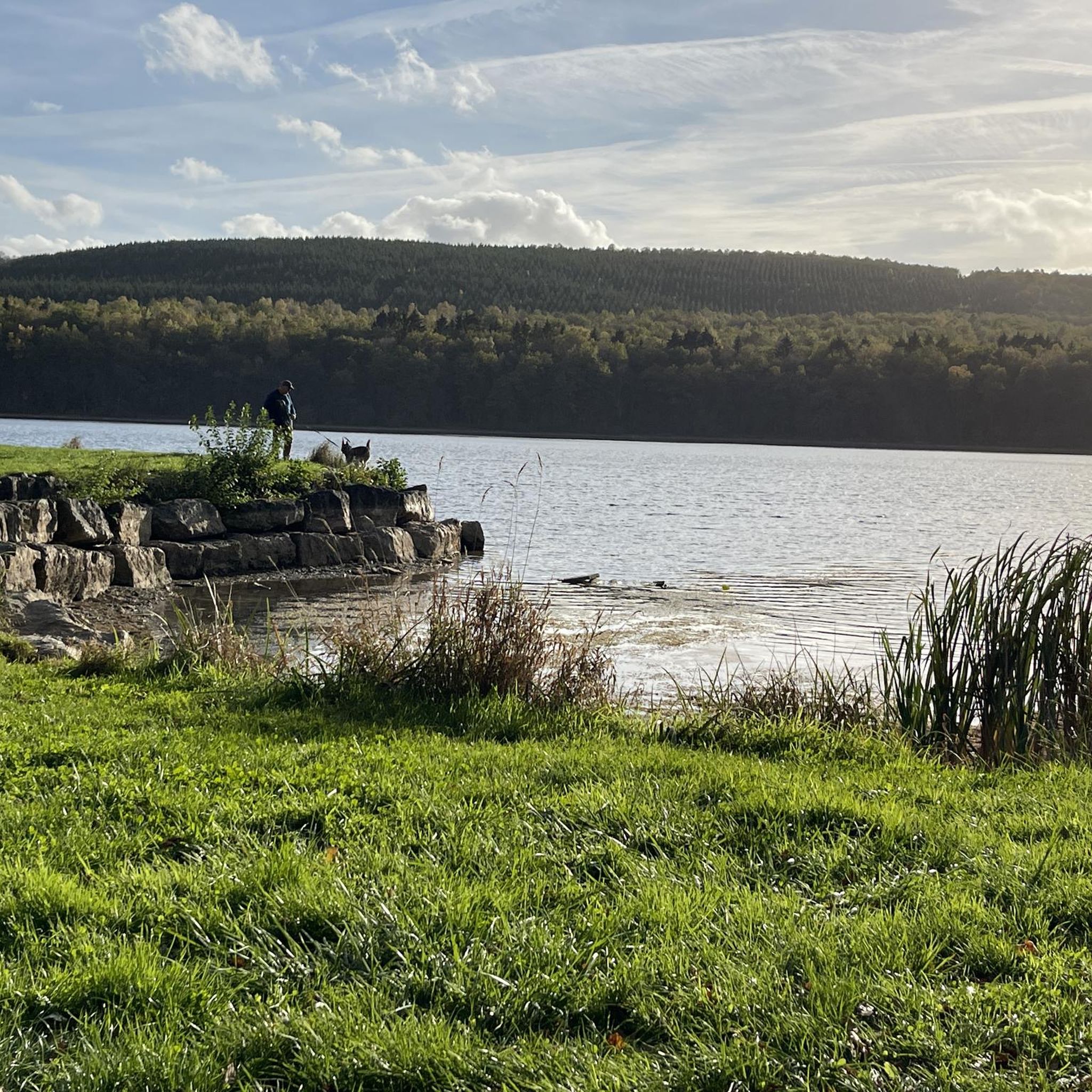
This is a beautiful lake surrounded by forests and meadows, where you can enjoy the tranquility of nature and wildlife. You can admire views of the lake and valley, and perhaps spot some wildflowers.
3
0

The phenomenon of fortified churches and farms is typical of the Thiérache region. In the 16th century, the churches took over the role of protecting the population against the conquests of the French and the actions from Flanders. With cattle and all, people were sometimes locked up for weeks.
6
0
The Sint-Niklaaskerk is a very beautiful model of a fortified church on a spacious square with a music kiosk. The exterior is warlike in appearance, with a large square portico tower, dotted with embrasures, above the western portal, brick watchtowers at the corners of this tower, and other watchtowers on the arms of the transept. The walls of the tower are 3 m thick at the base and are made of quartz slate. The choir is equipped with a gatehouse that further reinforces the defensive vocabulary of this construction. The church was built at the end of the 17th century. After the previous one was burnt down by the Spaniards in 1636.
6
0

Located in the heart of the territory of the commune of the Ardennes Thiérache, near the forest of Pothées, it was recognized by the Charter of Milon de Nanteuil in 1208. Crossed by the departmental road 8043 halfway between Charleville-Mézières and Hirson and 10 minutes from the A304 it is a lively town center with various shops, businesses, artisans and services. A dozen sports and cultural associations animate Maubert-Fontaine all year round. Maubert-Fontaine is home to many monuments: Saint Nicholas Church, with inside the war memorial, sculpted by a Mauberian, Henri Migeot; Fountain; the private high school, with its lime tree, which was requisitioned by the Germans as a hospital during the 14/18 war; the war memorial; the Stele of Saint Remi. From this, along the forest alley of the dead girl, we arrive at the crusher where in 1915 the Germans exploited important quarries. Several personalities originating from Maubert-Fontaine have passed through the history of France and their names have been given to certain places: Jardin Bidois, former Jean-Marie Carré college. Other important characters were part of Maubert's story, such as Nicolas de Caruel and Napoleon Bonaparte who came to rest at the Hôtel du Grand Turc on the night of Waterloo. The proximity of the forest allows beautiful walks with certain points of interest: the 2-legged oak and the oak of the Franco-Belgian friendship. In the town you will find various sports facilities for all ages: playground, multi-sports ground, petanque ground, fitness room, sports complex, fishing pond. Source: https://www-ardennes--thierache-com.translate.goog/fr/directory/entry/maubert-fontaine?_x_tr_sl=fr&_x_tr_tl=nl&_x_tr_hl=nl&_x_tr_pto=sc
2
0

Saint Martin, to whom the church of Aubigny-Les-Pothees is dedicated, is - next to Saint Nicholas - probably one of the most popular saints of all. The memorial day of the former officer in the Roman army is November 11th. On the night after the famous “coat sharing”, when he surrendered half his army cloak to a freezing beggar, Jesus Christ appears to him in a dream. He then converted to Christianity and was later elected Bishop of Tours (France) - initially against his will.
3
0

Two Merovingian cemeteries from the sixth and seventh centuries were discovered on the territory of the municipality. During the Hundred Years War the village was besieged by the Armagnaks. Aubigny-les-Pothées was burned to the ground in 1643 at the Battle of Rocroi. At the beginning of the First World War in 1914, the village church served as a simple hospital. The church was built in 1851. Source: Wikipedia
4
1
A first castle, probably founded in the 13th century, adjoined the Potées estate, which belonged to the Reims cathedral chapter. A group of Armagnacs settled there in the 15th century and over time spread across the region. Duke Antoine de La Marche, who was governor of Sedan from 1599 to 1640, became lord of L'Echelle through his marriage to Anne de Maucourt in 1594. He rebuilt the castle to give it a more up-to-date appearance. The square stilt in the northwest corner dates from this period. Antoine de La Marche des Contes died in September 1740 at the age of 74. On September 28, 1642, at dawn, Spanish troops sacked the village and attacked the castle. The walls of the castle still show the traces of the cannon balls. In 1730, L'Échelle Castle was acquired by the Reims Cathedral Chapter, and the building was subsequently rededicated as a farm. During the French Revolution, the building was sold to Simon Pottier, the hat maker from L'Echelle. He then handed over a large part of it to the community, installed the town hall as well as the school and the teachers' accommodation. Part of the residential buildings of the north wing have been converted into a school history museum, for the nostalgic community (the elementary school from the 1900s to 1960s), with the inkwell, the sergeant major pens (which preceded the pens), the slates, etc. Source: according to Wikipedia
4
1
Frequently Asked Questions
What natural attractions can I explore near Girondelle?
Girondelle is traversed by the Sormonne River, which is part of the regional natural park of the Ardennes, offering a landscape of forests and waterways. You can also visit the Old Forge Pond, a beautiful lake surrounded by forests and meadows, known for its tranquility and wildlife.
Are there historical sites to visit in and around Girondelle?
Yes, Girondelle and its surroundings are rich in history. You can see the Stone Crusher Ruins of Maubert-Fontaine, a historical site near the forest of Pothées where quarries were exploited in 1915. The village itself features the Église Saint-Nicaise, a church rebuilt after World War I, and a Monument aux Morts dedicated to fallen soldiers. Historical records also mention a former Château de Girondelle, though it no longer stands.
What kind of religious buildings can I find in the area?
The region features several significant religious structures. The Fortified Church of Saint-Nicolas of Signy-le-Petit is a notable example, built at the end of the 17th century with distinctive defensive architecture. In Girondelle, the Église Saint-Nicaise is a central cultural and historical landmark. Additionally, the Saint Martin Church in Aubigny-les-Pothées, built in 1851, is dedicated to Saint Martin, a popular saint in the region.
Are there any castles or châteaux nearby?
Yes, the Château de l'Échelle is a historical castle that dates back to the 13th century. It has a rich history, including being attacked by Spanish troops in 1642, with cannonball traces still visible on its walls. Part of it has been converted into a school history museum.
What outdoor activities are available for hikers near Girondelle?
The area offers various hiking opportunities. You can find routes like the 'Hiking loop from Maubert-Fontaine' (moderate, 11.1 km) or the 'Saint Peter's Church – Château de l'Échelle loop from L'Échelle' (easy, 4.7 km). For more options, explore the Hiking around Girondelle guide.
Can I go cycling around Girondelle?
Absolutely. There are several road cycling routes, such as the 'From Maubert-Fontaine to Chimay — loop between France and Belgium' (moderate, 75 km) or the 'Lac des Vieilles Forges – Lac de la Grande Terre loop from Maubert-Fontaine' (moderate, 42.4 km). For mountain biking, trails like the 'Vieilles-Forges Lake – Doby Pond Loop from Maubert-Fontaine' (moderate, 60.6 km) are available. Discover more in the Road Cycling Routes around Girondelle and MTB Trails around Girondelle guides.
Are there family-friendly attractions or activities in the Girondelle area?
Many attractions around Girondelle are suitable for families. The Stone Crusher Ruins of Maubert-Fontaine and the Fortified Church of Saint-Nicolas of Signy-le-Petit are categorized as family-friendly. The natural settings, like the Old Forge Pond, also offer peaceful environments for family outings.
What is the significance of the Croix de Chemin in Girondelle?
The Croix de Chemin à Girondelle, or roadside crosses, are common historical and cultural features in rural France. They often hold historical and ethnological significance, reflecting past religious practices and serving as places for public devotion or to commemorate events.
What do visitors enjoy most about the attractions around Girondelle?
Visitors appreciate the blend of historical landmarks and natural beauty. The tranquility of places like the Old Forge Pond and the historical depth of sites like the Fortified Church of Saint-Nicolas are frequently highlighted. The komoot community has shared many photos and given positive feedback, indicating a strong appreciation for the area's unique character.
What is the best time of year to visit Girondelle for outdoor activities?
The Sormonne River, which flows through Girondelle, experiences seasonal flow fluctuations, with high waters during winter and lower levels in summer. For hiking and cycling, spring and autumn generally offer pleasant temperatures and beautiful scenery. Summer is also suitable, especially for enjoying the natural features like the Old Forge Pond.
Are there any specific tips for visiting the Stone Crusher Ruins of Maubert-Fontaine?
The Stone Crusher Ruins of Maubert-Fontaine are located near the forest of Pothées. Visitors have noted that it's a very nice building with large picnic tables, making it a good spot for a break during your exploration of the area.
What is unique about the Fortified Church of Saint-Nicolas of Signy-le-Petit?
This church is a remarkable example of a fortified church, typical of the Thiérache region. Its exterior has a warlike appearance, featuring a large square portico tower with embrasures, brick watchtowers, and thick walls (3m at the base). These defensive elements were designed to protect the local population during conflicts in the 16th and 17th centuries.

Get inspired with the komoot mobile app


Explore more
Still not found the Highlight you’re looking for? See guides of the top attractions in other regions:
