The best road cycling routes around Champigny-La-Futelaye
4.5
(27)
577
riders
149
rides
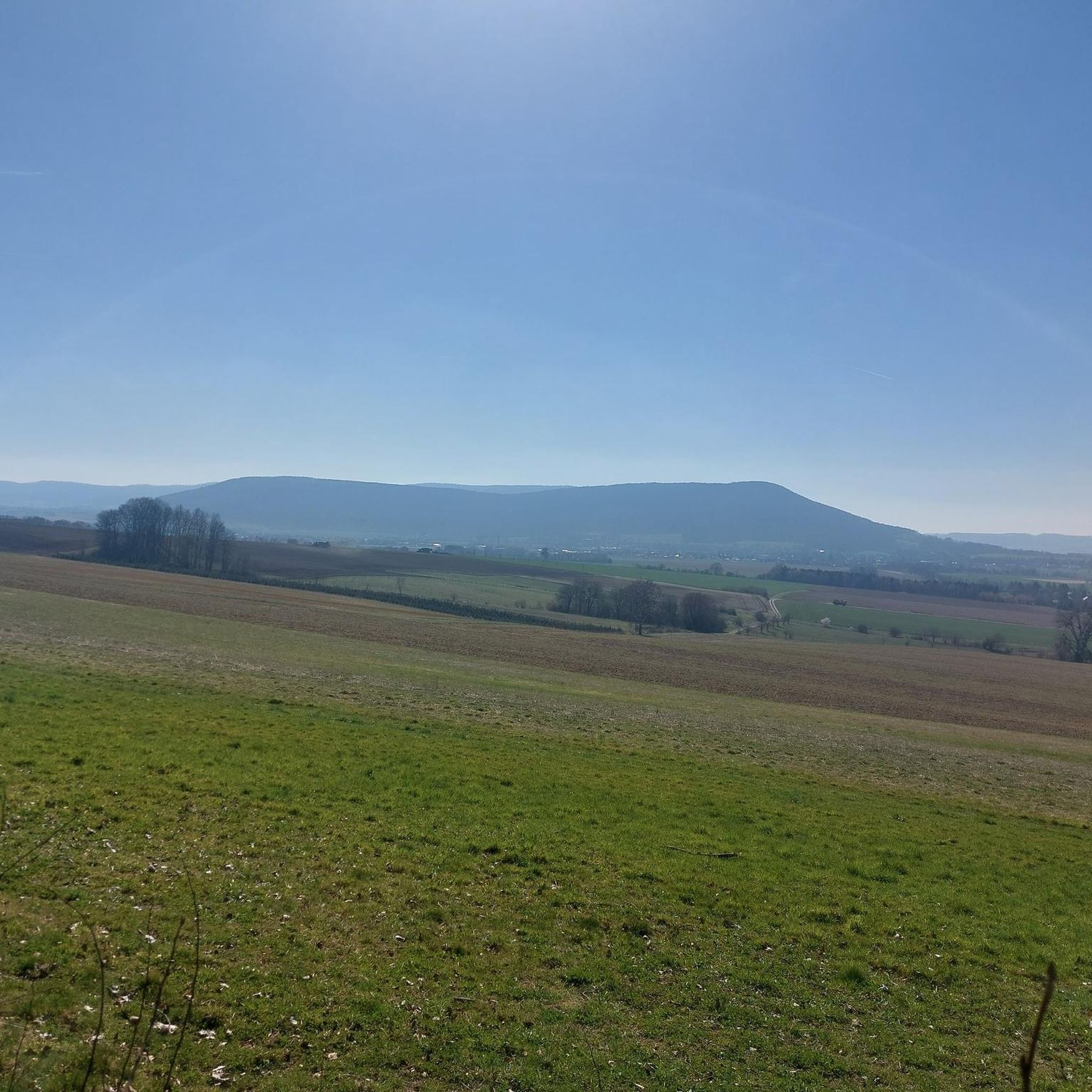
Road cycling routes around Champigny-La-Futelaye traverse the varied landscapes of the Eure department in France's Normandy region. The area features undulating roads and green valleys, offering diverse terrain for road cyclists. Routes often include scenic climbs, with elevation gains reaching over 700 meters on longer paths, providing a mix of challenges and picturesque countryside views.
Best road cycling routes around Champigny-La-Futelaye
- The most popular road cycling route is Saint Martin Church – Half-timbered Houses of Dreux loop from Champigny St.…
Last updated: November 1, 2026
12
riders
49.7km
02:00
210m
210m
Moderate road ride. Good fitness required. Mostly well-paved surfaces and easy to ride.
10
riders
Moderate road ride. Good fitness required. Mostly well-paved surfaces and easy to ride.

5.0
(1)
10
riders
33.6km
01:25
210m
210m
Easy road ride. Mostly well-paved surfaces and easy to ride.
9
riders
Moderate road ride. Good fitness required. Mostly well-paved surfaces and easy to ride.
4
riders
31.2km
01:24
220m
220m
Moderate road ride. Some segments of this route may be unpaved and difficult to ride.
Get access to more routes and recommendations from other explorers.
Already have an account?
Our route recommendations are based on thousands of hikes, rides, and runs completed by other people on komoot.
Start today with a free account
Your next adventure awaits.


Tips from the Community

Built in the 16th century and constructed from white stone from the Boncourt quarry, the church has a brown tile roof, accompanied by a bell tower and a belfry covered in slate. A small canopy, a vestibule, protects the sanctuary door, rebuilt in 1789. The bell was cast in the 17th century.
0
0
The construction of the original church of Sorel dates back to the 10th century. In 1113, this church was destroyed during the siege of the fortress of Sorel by the troops of Henry VIII of England coming from Normandy. Its identical reconstruction was unfortunately halted by a fire in 1134. The current church was rebuilt starting in the 13th century, with the chevet completed in the 15th century, and the first two bays of the nave and the northern seigneurial chapel in the 16th century. The bell tower was built in the 17th century by blinding a window. The building is constructed of flint, lime, and white stone on a sandstone base. The upper part is made of Vernon stone. The tiled roof is supported by a beautiful rafter frame whose tie beams are decorated with chimera heads, also called "howling devils." In the choir, the 19th-century altar recalls medieval sculptures. An interesting collection of stained-glass windows dating from 1850. After extensive renovations, masses have been celebrated again since 2007.
0
0
The first mention of the existence of the Church of Saint-Martin de Nonancourt is a 12th-century charter, but the original building probably dates back to the 7th or 8th century. The bell tower that now occupies the middle of the façade dates from the reconstructions of 1204. During the Hundred Years' War, the church was largely destroyed, like many buildings in the region. The side aisles, nave, and choir were rebuilt in the 16th century. The Chapel of the Virgin, also known as the Chapel of the Rosary, was also added. The Church of Saint-Martin contains numerous works of art, some of which are listed: neo-Gothic and Renaissance furnishings, including the centerpiece, the pulpit, a veritable wooden lacework; a variety of statuary, a 16th-century organ case and finally an enigmatic fresco discovered during recent works in 2001. The stained-glass windows of the church constitute a truly remarkable collection, both in terms of their number (26 in total) and their quality. The lower windows of the nave are the oldest pieces, dating from the 1500s, while the upper windows date from the 1520s and 1530s.
0
0

A very beautiful greenway It's an old railway line that has been covered over; it used to go all the way to Dreux. We love going there for cycling, and it's also ideal for walking and rollerblading.
0
0

A village full of character with a rich industrial past. Visit its church and the ruins of its castle. If you're interested in Calvados, a guided tour of the Morin winery is a must.
0
0

Built in the 15th century on the foundations of a chapel whose origins can be traced back to a papal bull from Pope Alexander in 1142, Saint Apollonia was worshipped there.
0
0
This brick and stone church, located near the castle, was built in two phases, from approximately 1500 to 1540. Construction periods: 4th quarter of the 15th century, first half of the 16th century
0
0
Frequently Asked Questions
How many road cycling routes are available around Champigny-La-Futelaye?
There are over 150 road cycling routes around Champigny-La-Futelaye, offering a wide variety of options for different skill levels. You'll find everything from easy loops to more challenging rides with significant elevation gains.
What kind of terrain can I expect on road cycling routes in this region?
The region around Champigny-La-Futelaye features varied landscapes with undulating roads and green valleys. Routes often include scenic climbs, with some longer paths having elevation gains of over 700 meters, providing a mix of challenges and picturesque countryside views.
Are there any easy road cycling routes suitable for beginners?
Yes, there are many easy road cycling routes. For example, the Bassin loop from Champigny-la-Futelaye is an easy 33.9 km path with a gentle elevation profile, offering views of the local basin and surrounding fields. Another easy option is the View of the Countryside – Notre-Dame Church of Le Cormier loop from Saint-André-de-l'Eure, which is 33.7 km long and leads through open countryside.
What are some notable landmarks or attractions I can see while cycling?
Many routes pass by historical and natural points of interest. You can cycle past impressive structures like Anet Castle or Château de Louye. The area also features the Eure Valley Greenway and the historic Abbaye du Breuil-Benoît, offering cultural exploration opportunities during your ride.
Are there any circular road cycling routes in the area?
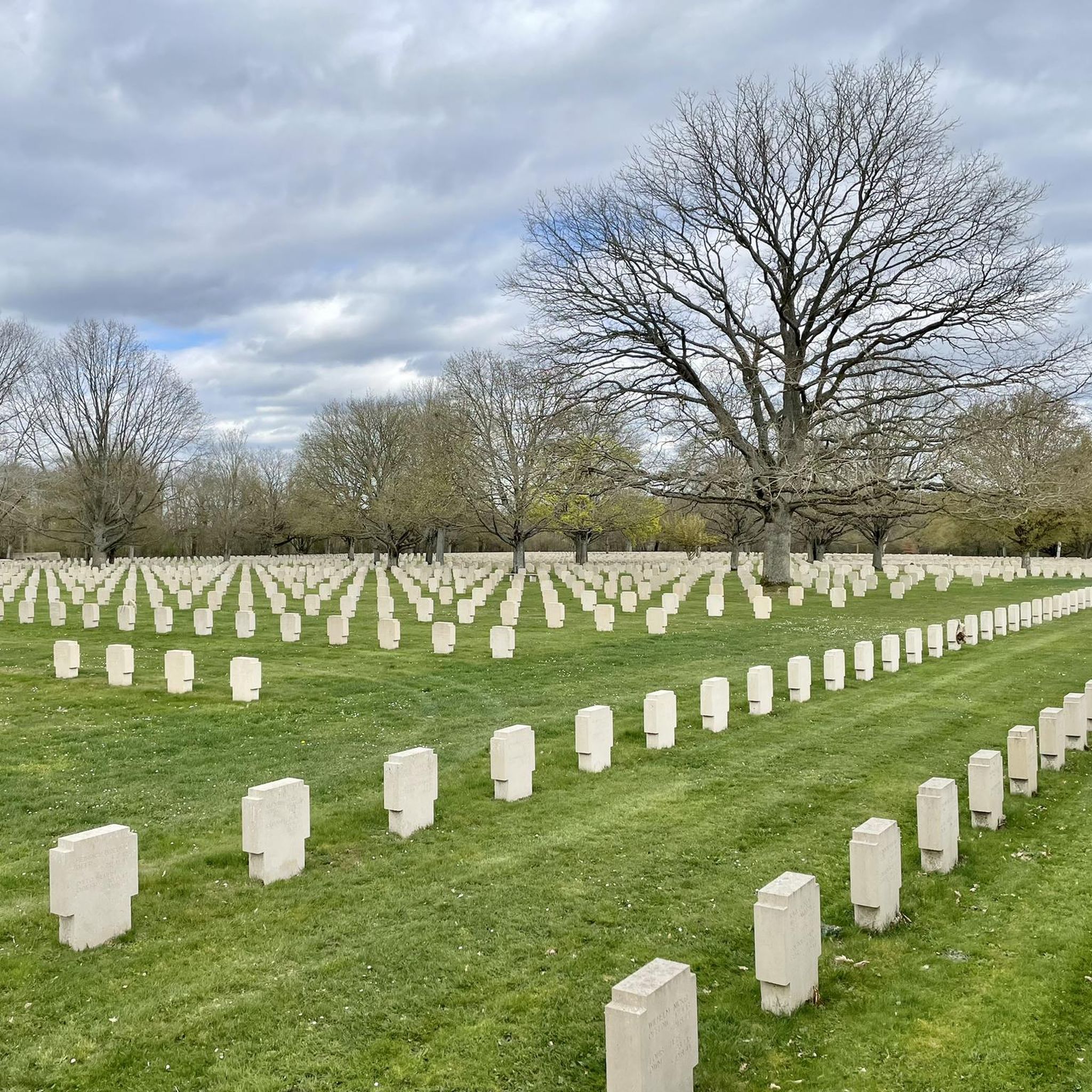
Yes, many road cycling routes around Champigny-La-Futelaye are designed as loops, allowing you to start and finish in the same location. An example is the Saint Martin Church – Half-timbered Houses of Dreux loop from Champigny St. André German War Cemetery, a moderate 76.5 km route traversing varied countryside and historical points.
What is the best time of year for road cycling in Champigny-La-Futelaye?
The Normandy region, where Champigny-La-Futelaye is located, generally offers pleasant cycling conditions from spring through early autumn. These seasons provide milder weather, making it ideal to enjoy the green valleys and picturesque countryside without extreme heat or cold.
Is Champigny-La-Futelaye suitable for family-friendly road cycling?
Yes, the region offers routes suitable for families. There are numerous easy and moderate paths with gentle elevation profiles, such as the Bassin loop from Champigny-la-Futelaye, which are ideal for a relaxed family outing. The varied terrain ensures options for different fitness levels.
Where can I find parking for road cycling routes?
Parking is generally available in and around the starting points of many routes, particularly in towns like Saint-André-de-l'Eure or Champigny-la-Futelaye itself. It's advisable to check specific route details on komoot for recommended parking spots near your chosen starting point.
Are there cafes or places to stop for refreshments along the routes?
Yes, the wider Normandy region is known for its charming villages and towns. While specific 'Accueil Vélo' certified establishments are more common in other parts of Normandy, nearby towns like Saint-André-de-l'Eure, Ezy-sur-Eure, and Ivry-la-Bataille host local markets and offer opportunities for refreshments and local experiences.
What do other road cyclists say about the routes in Champigny-La-Futelaye?
The road cycling routes around Champigny-La-Futelaye are highly rated by the komoot community, with an average score of 4.5 stars from over 20 reviews. More than 500 road cyclists have explored the area using komoot, often praising the varied terrain and scenic countryside views.
Can I use public transport with my bike to reach the cycling routes?
While specific 'public transport with bikes' options directly to Champigny-La-Futelaye might be limited, the broader Normandy region is increasingly cycling-friendly. For longer distances, regional trains in France often allow bikes, though it's best to check the specific train operator's policy and booking requirements for your journey.
Most popular routes around Champigny-La-Futelaye
Most popular attractions around Champigny-La-Futelaye

Get inspired with the komoot mobile app


Explore more
Browse the best Road cycling routes in other regions.
