Attractions and Places To See around Urou-Et-Crennes - Top 20
Best attractions and places to see around Urou-Et-Crennes, a commune in the Orne department of Normandy, France, offer a blend of historical landmarks and cultural sites. The area, historically comprising the distinct urban islands of Urou and Crennes, boasts a rich past evident in its architecture. Visitors can explore various man-made monuments and historical sites. The region provides a range of attractions for those interested in history and culture.
Best attractions and places to see around Urou-Et-Crennes
- The most popular…
Last updated: May 26, 2026
Château de Sassy
Highlight • Castle
Still inhabited, it houses the rich library of Chancellor Pasquier which contains 25,000 volumes and …
Translated by Google •
Tip by

Camp Celtique de Bierre
Highlight • Historical Site
Translated by Google •
Tip by

Sign up now to discover places like this
Get recommendations on the best single tracks, peaks, & plenty of other exciting outdoor places.
Sign up for free
Saint-Germain Church
Highlight • Other
Translated by Google •
Tip by
The Haras du Pin
Highlight • Historical Site
Translated by Google •
Tip by
Donjon de Chambois
Highlight • Castle
Visible from the outside. Free
Translated by Google •
Tip by
Sign up for free to discover even more attractions around Urou-Et-Crennes.
Sign up for free
Already have an account?
Start today with a free account
Your next adventure awaits.
Login or Signup



Tips from the Community

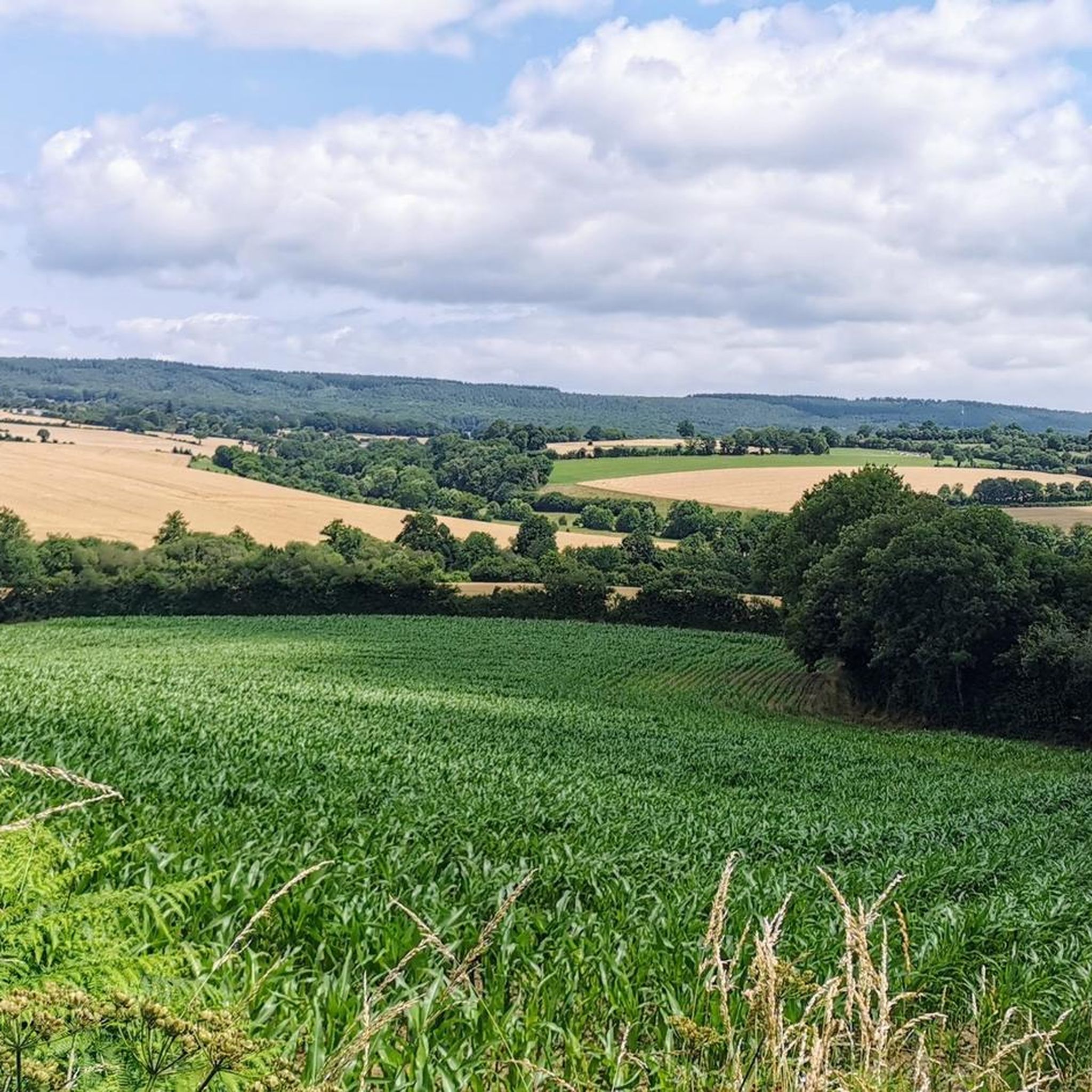
Magnificent site, especially with morning lighting, unfortunately closed to visitors and the tree-lined avenue is closed to the public.
2
0

The Church of Saint-Germain is an impressive church that was built from the 14th to the 17th century and features a mix of Gothic, Renaissance and classical architecture. You can admire the majestic north porch, the lantern tower, the large bell tower and the 15 chapels inside. The church also houses the remains of Blessed Marguerite de Lorraine-Vaudémont, a benefactress of Argentan. The church is open to the public all year round and hosts many concerts, including organ concerts during the International Organ Festival in summer.
3
0

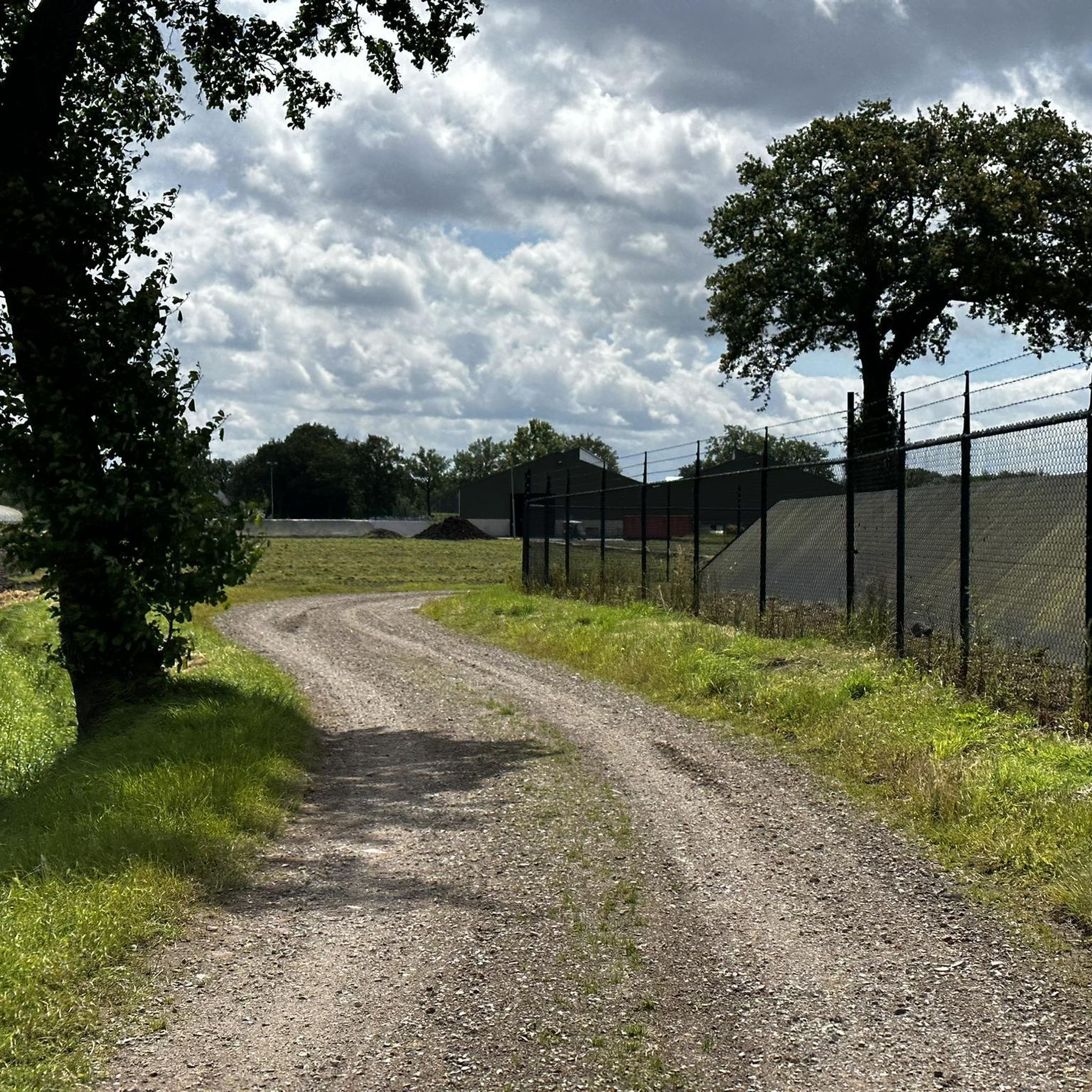
At this point, the hiking trail leads back seven or eight millennia into the history of the European continent and its settlement. The people of that era were able to build amazing buildings using only the work of their hands - and with (from today's perspective) seemingly primitive tools. So this ring wall - partly brick, partly made of stones - that protectively surrounded the "Camp Celtique de Bierre".
3
0
The Château de Sassy you see today was built in the 18th century. It belonged to a chancellor of France in 1850, but by far the most important person to have visited this castle was Queen Elizabeth II, in 1967, during a private visit to France. The castle has an astonishing French garden built in 1920.
1
0
This fortified site was built in the Middle Neolithic (5300-4400 BC), when agricultural practices were beginning to take hold. The camp is one of the largest in western France.
4
0

Opposite, a bakery with very good products for picnics or snacks.
0
0
A pretty and large domain where the horse is king.
0
0
Frequently Asked Questions
What historical and cultural sites can I explore in Urou-et-Crennes?
Urou-et-Crennes is rich in history. You can visit the impressive Saint-Germain Church, which showcases Gothic, Renaissance, and classical architecture. Another significant site is the Haras national du Pin, known as 'The Versailles of the Horse,' established by Louis XIV. Don't miss the 18th-century Château de Sassy with its vast library and beautiful tapestries, or the ancient Camp Celtique de Bierre, a fortified site dating back to the Middle Neolithic period. The Donjon de Chambois, a well-preserved 12th-century Romanesque building, is also a must-see.
Are there any family-friendly attractions around Urou-et-Crennes?
Yes, several attractions are suitable for families. The Haras national du Pin is a great option, offering a magnificent architectural and landscaped complex where the horse is king. The Château de Sassy is also listed as family-friendly, allowing visitors to explore its grand estate. Additionally, the Donjon de Chambois is a historical site that can be enjoyed by all ages.
What natural features or outdoor areas can I explore near Urou-et-Crennes?
While Urou-et-Crennes itself is rich in historical sites, the wider Orne region offers remarkable natural environments. The Orne estuary, though not directly in Urou-et-Crennes, is a significant natural pearl of the Normandy coast. It features unspoiled landscapes, diverse wildlife, signposted trails, vast sandy foreshores, and tidal flats, making it ideal for nature lovers. You can find more information about the Orne estuary on the Caen la Mer Tourisme website.
What kind of outdoor activities can I do near these attractions?
The area around Urou-et-Crennes offers various outdoor activities, especially cycling and mountain biking. You can find numerous routes for different skill levels. For cycling, explore options like the 'Château de Sassy – Sassy Castle loop from Argentan' or the 'Marguerite Tower – La Tour Coiffée loop from Argentan.' Mountain biking enthusiasts can try routes such as the 'Château des Ducs – Camp Celtique de Bierre loop from Argentan.' You can find more details on these and other routes in the Cycling around Urou-Et-Crennes, Gravel biking around Urou-Et-Crennes, and MTB Trails around Urou-Et-Crennes guides.
Are there hiking trails near the attractions in Urou-et-Crennes?
While specific hiking guides for Urou-et-Crennes are not listed, many of the cycling and gravel biking routes pass by or near key attractions, offering opportunities for walking or exploring on foot. For instance, routes like the 'Marguerite Tower – Camp Celtique de Bierre loop from Argentan' allow you to experience historical sites like the Camp Celtique de Bierre. You can explore these routes in the Cycling around Urou-Et-Crennes and Gravel biking around Urou-Et-Crennes guides for paths that might suit a hike.
What is the best time to visit Urou-et-Crennes attractions?
The Saint-Germain Church is open to the public year-round and hosts concerts, including organ concerts during the International Organ Festival in summer. Generally, the warmer months from late spring to early autumn (May to September) offer pleasant weather for exploring historical sites and engaging in outdoor activities like cycling and walking around the region.
What do visitors enjoy most about the attractions in Urou-et-Crennes?
Visitors frequently appreciate the rich history and architectural beauty of the region. For example, the Château de Sassy is admired for its magnificent site and French garden. The Camp Celtique de Bierre is noted for its ancient history, allowing visitors to step back thousands of years. The Haras national du Pin is praised as a beautiful and large domain where the horse is king. The Donjon de Chambois is valued as one of the best-preserved 12th-century Romanesque buildings in France.
Are there any hidden gems or lesser-known historical sites in the area?
Beyond the main highlights, the historical fabric of Urou-et-Crennes includes the Saint-Germain Church, which, while impressive, might be less widely known than the châteaux. The area also historically comprised two distinct villages, Urou and Crennes, each with their own religious heritage, such as the 16th-century Église Notre-Dame-de-la-Nativité d'Urou and Église Notre-Dame-des-Douleurs de Crennes. The commune of Urou also historically had its own Château d'Urou.
What are the difficulty levels of the attractions and nearby routes?
Many historical sites like the Château de Sassy and Haras national du Pin are generally accessible for all visitors. However, sites like the Camp Celtique de Bierre and Donjon de Chambois are marked as 'intermediate' in terms of exploration, suggesting some walking or uneven terrain. For outdoor activities, cycling routes range from 'easy' (e.g., 'Marguerite Tower – La Tour Coiffée loop from Argentan') to 'moderate' and 'difficult' for mountain biking (e.g., 'Château des Ducs – Technical Trail loop from Argentan').
Is there parking available at the main attractions?
While specific parking details for each attraction are not provided in the tips, major sites like the Haras national du Pin, being a large estate, typically offer visitor parking. For the Donjon de Chambois, there are small shops around, which often implies some nearby parking facilities. It is advisable to check the official websites of individual châteaux or historical sites for precise parking information before your visit.
Can I visit the Château de Sassy and what can I see there?
The Château de Sassy is an imposing 18th-century castle. While still inhabited, it houses the rich library of Chancellor Pasquier with 25,000 volumes, making it one of France's most important private libraries. You can admire beautiful furniture, various Gobelins and Beauvais tapestries, and a 15th-century altarpiece in its chapel. The castle also features an astonishing French garden built in 1920. Note that the tree-lined avenue is closed to the public, and it's best to check for current visitor access.
What is the significance of the Haras national du Pin?
The Haras national du Pin, often called 'The Versailles of the Horse,' is the first Royal Stud, established between 1715 and 1730 by Louis XIV to organize horse production in his kingdom. It is a magnificent architectural and landscaped complex spanning 1,100 hectares with symmetrical paths, making it the oldest French national stud farm. It's a significant site for equestrian history and a beautiful domain to explore.
Most popular routes around Urou-Et-Crennes
Most popular attractions around Urou-Et-Crennes

Get inspired with the komoot mobile app


Explore more
Still not found the Highlight you’re looking for? See guides of the top attractions in other regions:
