The best road cycling routes around Illiers-L'Évêque
4.2
(61)
867
riders
326
rides
Road cycling around Illiers-L'Évêque features a landscape characterized by the gentle undulations of the Norman countryside and the flat expanses of the Eure Valley. The region offers a mix of open fields, agricultural land, and scattered woodlands, with elevation gains typically remaining below 200 meters, presenting hills rather than mountains. Circular road cycling routes are common, traversing rural roads and quiet lanes.
Best road cycling routes around Illiers-L'Évêque
- The most popular road cycling route is Hilly loop in the Norman…
Last updated: July 2, 2026
4
riders
82.1km
03:28
440m
440m
Moderate road ride. Good fitness required. Mostly well-paved surfaces and easy to ride.
3.8
(4)
20
riders
35.1km
01:25
100m
100m
Moderate road ride. Great for any fitness level. Some segments of this route may be unpaved and difficult to ride.

Sign up for free
5.0
(1)
11
riders
51.3km
02:02
190m
190m
Moderate road ride. Good fitness required. Some segments of this route may be unpaved and difficult to ride.
5.0
(1)
9
riders
33.6km
01:25
210m
210m
Easy road ride. Great for any fitness level. Mostly well-paved surfaces and easy to ride.
7
riders
79.6km
03:14
370m
370m
Moderate road ride. Good fitness required. Mostly well-paved surfaces and easy to ride.
Get access to more routes and recommendations from other explorers.
Sign up for free
Already have an account?
Our route recommendations are based on thousands of hikes, rides, and runs completed by other people on komoot.
Start today with a free account
Your next adventure awaits.
Login or Signup


Tips from the Community


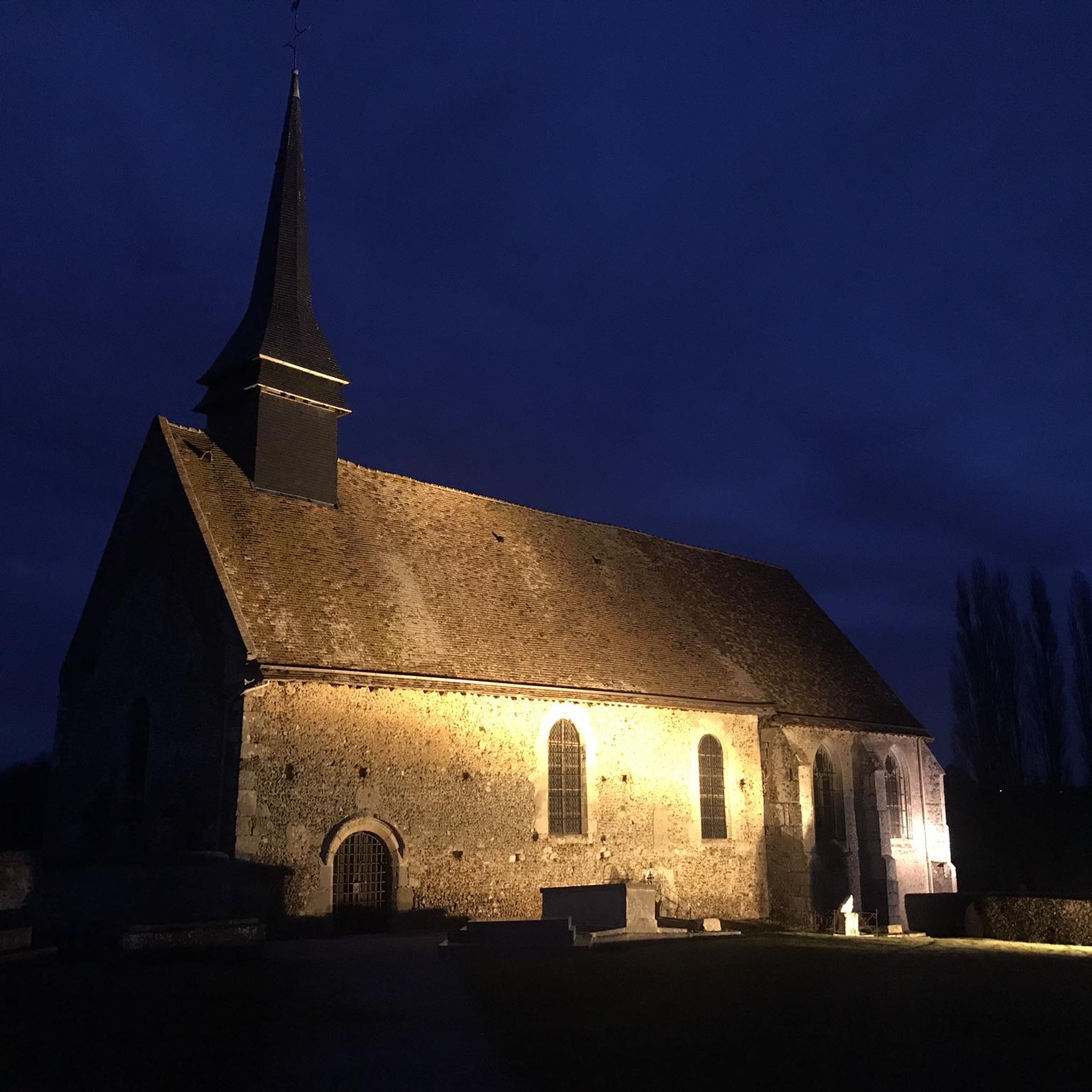
The construction of the original church of Sorel dates back to the 10th century. In 1113, this church was destroyed during the siege of the fortress of Sorel by the troops of Henry VIII of England coming from Normandy. Its identical reconstruction was unfortunately halted by a fire in 1134. The current church was rebuilt starting in the 13th century, with the chevet completed in the 15th century, and the first two bays of the nave and the northern seigneurial chapel in the 16th century. The bell tower was built in the 17th century by blinding a window. The building is constructed of flint, lime, and white stone on a sandstone base. The upper part is made of Vernon stone. The tiled roof is supported by a beautiful rafter frame whose tie beams are decorated with chimera heads, also called "howling devils." In the choir, the 19th-century altar recalls medieval sculptures. An interesting collection of stained-glass windows dating from 1850. After extensive renovations, masses have been celebrated again since 2007.
0
0


A very beautiful greenway It's an old railway line that has been covered over; it used to go all the way to Dreux. We love going there for cycling, and it's also ideal for walking and rollerblading.
0
0
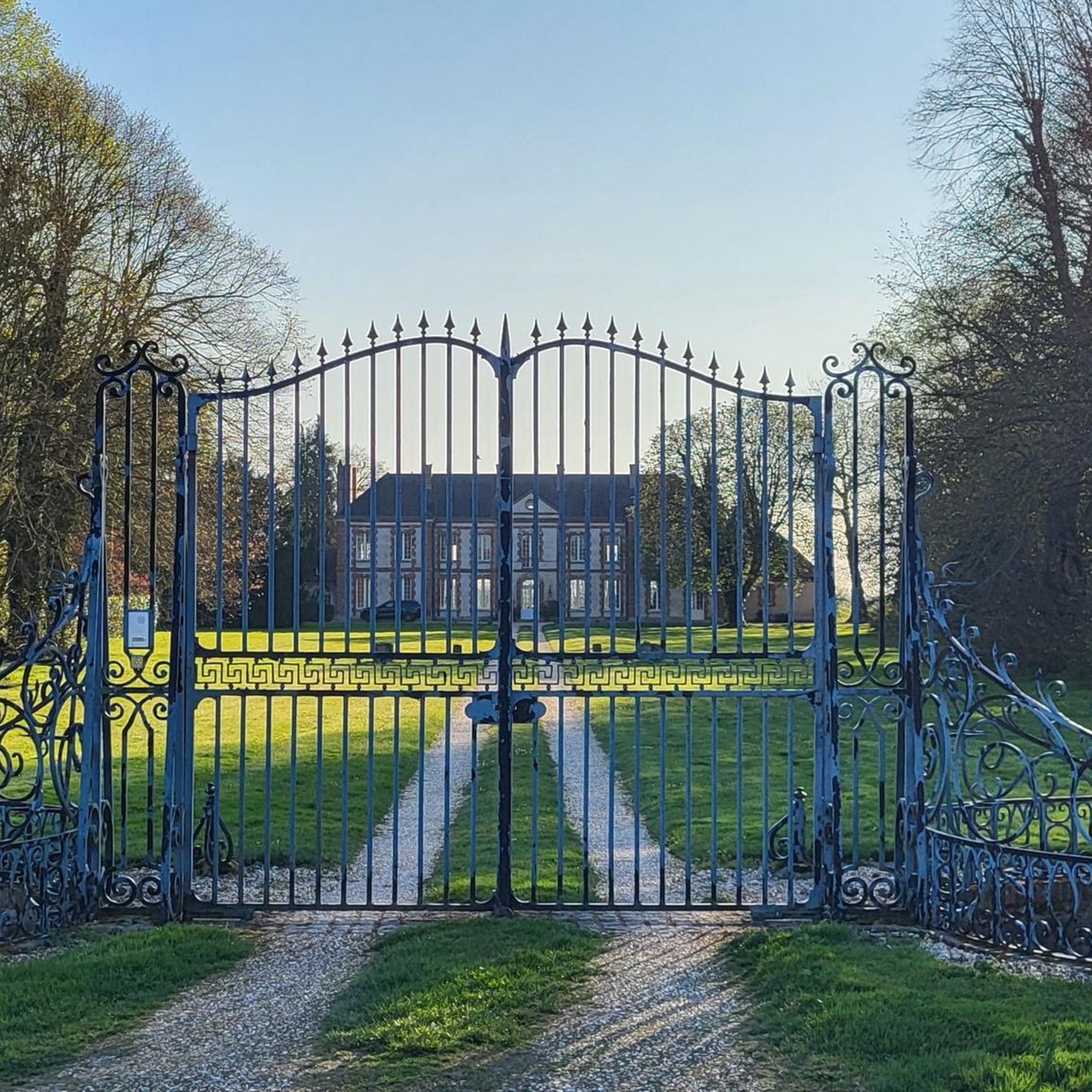
The parish, dedicated to Saint Germain, dates back to Merovingian times. Emma, daughter of Leutgarde and Thibaut-le-tricheur, having married William Ironarm, Count of Poitiers, founded the Abbey of Bourgueil, which she endowed with her Normandy possessions, inherited from her mother, widow of William Longsword. Coudres and Marcilly-la-campagne were included in this endowment. The two Marcillys had the same lords for a long time. Around 1060, Teudon, Lord of Marcilly, approved the gift of the land of Les Loges to the Abbey of Saint Père de Chartres by Robert des Loges. In 1107, Foulques de Marcilly, the second of the name, founded the Abbey of Breuil Benoit (near Marcilly-sur-Eure). By the Treaty made in 1194 between Philip Augustus and Richard the Lionheart, Marcilly was part of the King of France's estates, on the border with Normandy. We were ROYAL! In 1226, Fulk IV, Lord of Marcilly, gave the Monks of Saint Taurin an annuity on his mills in Marcilly. During the 15th-century invasion, the King of England granted Jean Yprès on August 27, 1419, all the lands that belonged to Fulk of Marcilly, "in default," that is, devoted to France. The coat of arms of the House of Marcilly was a chevron, but the color, as well as that of the background of the shield, are unknown. At the 1470 watch, Jehan Tailleman, Lord of Marcilly-la-campagne, appeared naked. Aged 90, he could not wear a harness, and his fiefdom was very small. It is discharged, on condition of providing a vougier. (13th century weapon, made of a sharp and asymmetrical blade fixed to the end of a handle)
0
0

A village full of character with a rich industrial past. Visit its church and the ruins of its castle. If you're interested in Calvados, a guided tour of the Morin winery is a must.
0
0


Beautiful site on the Eure, don't miss the tomb of Diane de Poitiers.
0
0
Frequently Asked Questions
How many road cycling routes are available around Illiers-L'Évêque?
There are over 290 road cycling routes available in the Illiers-L'Évêque region, offering a wide variety of options for all skill levels.
What kind of terrain can I expect on road cycling routes near Illiers-L'Évêque?
The region features the gentle undulations of the Norman countryside and the flat expanses of the Eure Valley. You'll encounter a mix of open fields, agricultural land, and scattered woodlands, with elevation gains typically remaining below 200 meters, presenting hills rather than mountains.
Are there easy road cycling routes suitable for beginners in Illiers-L'Évêque?
Yes, approximately 94 of the routes are classified as easy, making them ideal for beginners or those looking for a relaxed ride. An example is the Bassin loop from Champigny-la-Futelaye, which is 33.9 km long.
Are there more challenging road cycling routes for experienced riders?
While most routes are moderate, there are a few more challenging options available. The region's terrain, with its rolling hills, provides a good workout without extreme climbs. The Hilly loop in the Norman countryside is a moderate route that covers 82.1 km with over 440 meters of elevation gain.
What are the typical lengths of road cycling routes in the area?
Route lengths vary significantly. You can find shorter rides like the 33.9 km Bassin loop from Champigny-la-Futelaye, up to longer excursions such as the 82.1 km Hilly loop in the Norman countryside.
Are there circular road cycling routes around Illiers-L'Évêque?
Yes, circular road cycling routes are very common in the region. Many routes are designed as loops, traversing rural roads and quiet lanes, allowing you to start and end at the same point. Examples include the Marcilly-sur-Eure – Eure Valley Greenway loop and the Eure Valley Greenway – Anet Castle loop.
What historical sites or attractions can I see along the road cycling routes?
Many routes pass by interesting historical sites. For instance, the Eure Valley Greenway – Anet Castle loop leads past historical sites. You might also encounter highlights like Château de Louye, Sorel Castle, or The Donjon of Gilles, which is part of the The Donjon of Gilles – Cocherelle Dolmen loop.
Is parking available near the road cycling routes in Illiers-L'Évêque?
Given the rural nature of the area and the starting points often being in villages or near specific landmarks, parking is generally available. It's advisable to check the specific route details on komoot for recommended starting points and parking information.
What is the best time of year for road cycling in Illiers-L'Évêque?
The spring and autumn months typically offer the most pleasant conditions for road cycling, with milder temperatures and beautiful scenery. Summer can also be enjoyable, but it's wise to start earlier in the day to avoid the midday heat.
How do other cyclists rate the road cycling experience in Illiers-L'Évêque?
The road cycling routes around Illiers-L'Évêque are highly rated by the komoot community, with an average score of 4.2 stars from over 40 reviews. Cyclists often praise the quiet village roads, varied terrain, and scenic rural landscape.
Are there options for cafe stops or places to rest along the routes?
Many routes pass through charming villages where you can find local cafes or bakeries for a refreshment stop. Planning your route with komoot allows you to identify potential stops along the way, especially in larger villages or towns like Marcilly-sur-Eure.
Most popular routes around Illiers-L'Évêque
Most popular attractions around Illiers-L'Évêque

Get inspired with the komoot mobile app


Explore more
Browse the best Road cycling routes in other regions.
