Attractions and Places To See around Montcoy - Top 20
Best attractions and places to see around Montcoy include the historic Château de Montcoy, a prominent landmark built between 1670 and 1680. While direct attractions within Montcoy are limited, the surrounding Saône-et-Loire region offers a range of historical, cultural, and natural sites. The area features diverse landscapes, including the confluence of the Doubs and Saône rivers, and is known for its Romanesque heritage and vineyards. Visitors can explore a variety of sites, from ancient abbeys to museums and châteaux.
Best…
Last updated: July 6, 2026
Verdun-Ciel
Highlight • Settlement
Tip by

Chalon-sur-Saône
Highlight • Settlement
Translated by Google •
Tip by

Sign up now to discover places like this
Get recommendations on the best single tracks, peaks, & plenty of other exciting outdoor places.
Sign up for free
Rue du Chatelet
Highlight • Historical Site
Translated by Google •
Tip by

Nicéphore Niépce Museum
Highlight • Monument
Translated by Google •
Tip by
Musée Vivant Denon
Highlight • Historical Site
FREE ENTRANCE; Open every day …
Translated by Google •
Tip by
Sign up for free to discover even more attractions around Montcoy.
Sign up for free
Already have an account?
Start today with a free account
Your next adventure awaits.
Login or Signup



Tips from the Community

The striking bridge is a very beautiful eye-catcher
0
0

The entire city center is worth a visit
0
0

We found a nice bar on Rue du Pignon. They also serve good local food!
1
0

Rue du Chatelet is a pretty pedestrian street in the center of Chalon-sur-Saône. A beautiful place to stroll through the architectural heritage of the city.
0
0

Central square!! Chalon-sur-Saône [ʃa.lɔ̃.syʁ.soːn] is a French town in the Saône-et-Loire department in the Bourgogne-Franche-Comté region. With 45,031 inhabitants (as of January 1, 2021)[1], it is the largest town in the department, but not its administrative seat, but merely the seat of a sub-prefecture. After Dijon, Chalon is the second largest city in Burgundy. The inhabitants are called Chalonnais and Chalonnaises. The municipality received the "Four Flowers" award in 2022, which is awarded by the Conseil national des villes et villages fleuris (CNVVF) as part of the annual competition for flower-decorated towns and villages.[2]
1
0

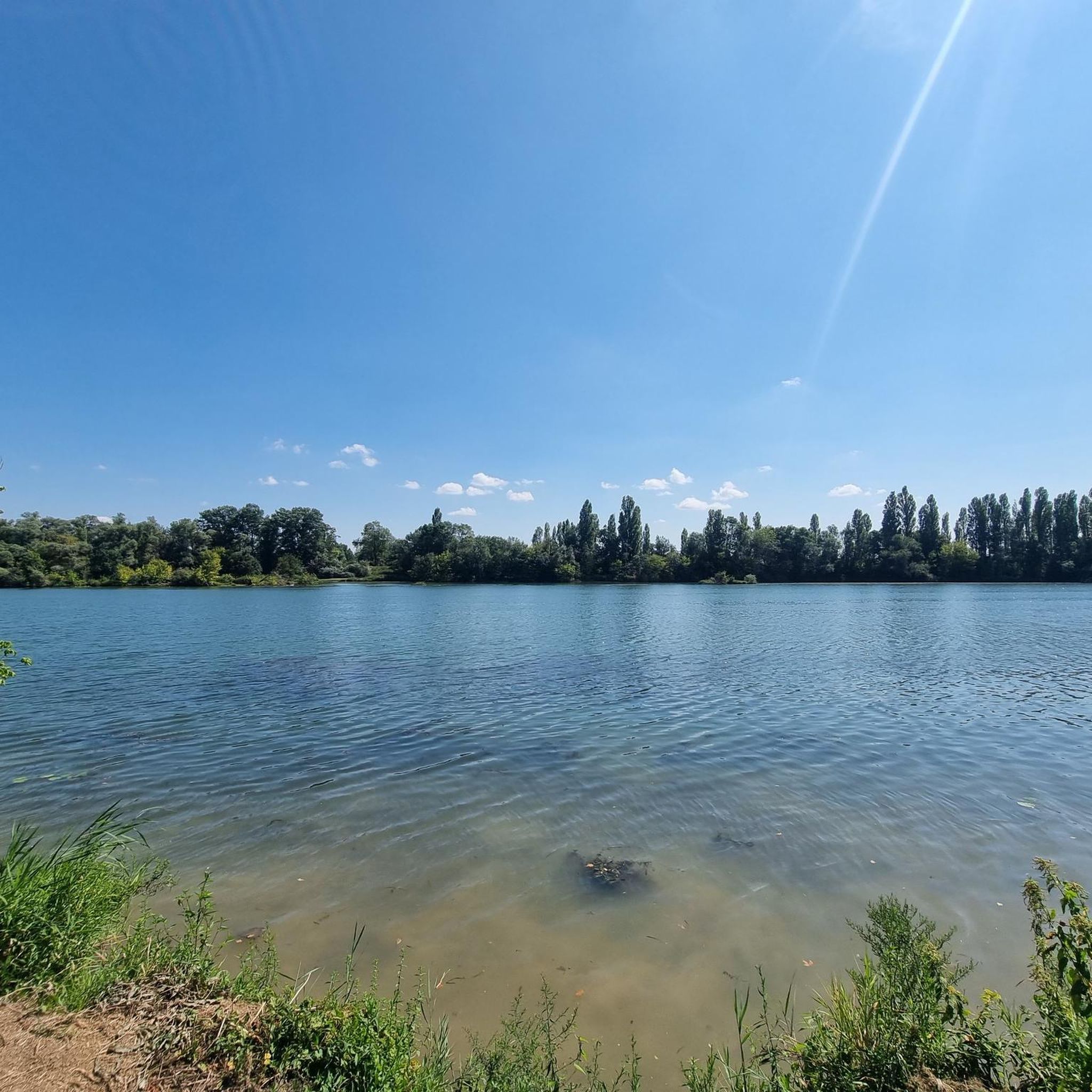
For a stopover and a little refreshment, I can recommend the "AU Bistro de la Capitainerie". Here you can sit nicely by the river Doubs before it joins the Saóne.
0
0
Frequently Asked Questions
What historical landmarks can I visit in Montcoy and its immediate vicinity?
Montcoy's most prominent landmark is the historic Château de Montcoy, built between 1670 and 1680. While its interiors boast 17th and 19th-century decor, the exterior and its 10-hectare landscaped park, featuring ancient oak trees and an ornamental pond, are accessible by appointment and during special events like European Heritage Days. You can find more information about the Château on Wikipedia or check for event access on culture.gouv.fr.
Are there any family-friendly attractions near Montcoy?
Yes, several attractions in the surrounding region are suitable for families. Chalon-sur-Saône offers the Nicéphore Niépce Museum, dedicated to the inventor of photography, which can be an engaging educational experience. The town also hosts the 'Chalon dans la rue' festival in July, featuring street performances. For a unique experience, the Hameau Duboeuf is the first vine and wine theme park, offering comprehensive insights into winemaking in an interactive way.
What natural features can I explore around Montcoy?
The region around Montcoy is rich in natural beauty. You can visit Verdun-Ciel, a pleasant town located at the confluence of the Doubs and Saône rivers, offering picturesque riverside scenery. The Saône River itself is a significant natural feature, providing opportunities for inland waterway trips. Further afield, the dramatic limestone escarpment of The Rock of Solutré is a natural landmark surrounded by vineyards, offering stunning views and archaeological significance.
Where can I find cultural and historical sites beyond Montcoy?
The Saône-et-Loire department is rich in cultural and historical sites. Chalon-sur-Saône, a short distance away, boasts an old town with half-timbered houses, the Saint Vincent Cathedral, and the Nicéphore Niépce Museum. The region is also known for its Romanesque heritage, including the ruins of Cluny Abbey, the magnificent Basilica of Paray-le-Monial, and the beautiful Priory of Anzy-le-Duc.
What outdoor activities are available near Montcoy, particularly cycling?
The region around Montcoy is excellent for cycling. The EuroVelo 6 cycling route follows the canal alongside the Saône river. You can find various cycling routes, including road cycling and touring bicycle options, in the area. For example, explore routes like 'The Saône – Chalon-sur-Saône loop' or 'Verdun-sur-le-Doubs – Saône River loop'. You can find detailed guides for these and more at Road Cycling Routes around Montcoy and Cycling around Montcoy.
Are there opportunities for hiking or running near Montcoy?
Yes, hiking and running are popular activities. Trails like the 'La Bressane' pedestrian hike pass through Montcoy and along the Saône riverbanks. For runners, there are several loops available, such as the 'Étang du Moulin loop from Bey' or the 'Running loop from Allériot'. You can discover more running trails and their difficulty levels in the guide Running Trails around Montcoy.
What is there to see in Chalon-sur-Saône, a nearby town?
Chalon-sur-Saône is a vibrant town known for its old town, featuring many half-timbered houses around Place Saint-Vincent and the Saint Vincent Cathedral. The central square, Rue du Chatelet, is framed by picturesque buildings and offers many cafes and restaurants. Don't miss the Nicéphore Niépce Museum, dedicated to the inventor of photography.
Are there any notable châteaux in the broader region apart from Château de Montcoy?
Beyond Montcoy, the region boasts other impressive châteaux. You can visit Château de Cormatin, known for its lavishly decorated rooms and well-maintained French-style gardens. Another significant site is Château de Pierre-de-Bresse, an imposing Renaissance-style castle also featuring extensive formal gardens.
What are the best places to experience local culture and markets?
For a taste of local life, visit Verdun-Ciel (Verdun-sur-le-Doubs), which hosts a lively farmers' market on its central square every Thursday. In Chalon-sur-Saône, the old town around Rue du Chatelet offers numerous cafes, restaurants, and antique shops, perfect for strolling and soaking in the atmosphere.
Can I learn about the region's wine heritage near Montcoy?
Absolutely. The Bourgogne region is renowned for its viticulture. You can visit the Vine and Wine Museum, located at Château de la Greffière in La Roche Vineuse, which provides insights into the region's winemaking history and processes. Additionally, the Hameau Duboeuf offers a comprehensive and interactive experience as the first vine and wine theme park.
What do visitors enjoy most about the attractions around Montcoy?
Visitors particularly appreciate the blend of historical richness and natural beauty. The charming old towns like Chalon-sur-Saône with its half-timbered houses and vibrant squares, and the peaceful confluence of rivers at Verdun-Ciel, are frequently highlighted. The historical significance of sites like the Nicéphore Niépce Museum and the architectural beauty of the Saint Vincent Cathedral also receive high praise.
Are there any archaeological sites to visit in the area?
Yes, the region holds archaeological significance. The Rock of Solutré, a dramatic limestone escarpment, is not only a natural landmark but also an important archaeological site. It contains evidence of the Solutrean culture, dating back approximately 20,000 years, making it a fascinating destination for those interested in prehistoric history.
Most popular routes around Montcoy

Get inspired with the komoot mobile app


Explore more
Still not found the Highlight you’re looking for? See guides of the top attractions in other regions:
