The best road cycling routes around Cressy-Sur-Somme
4.7
(3)
206
riders
18
rides
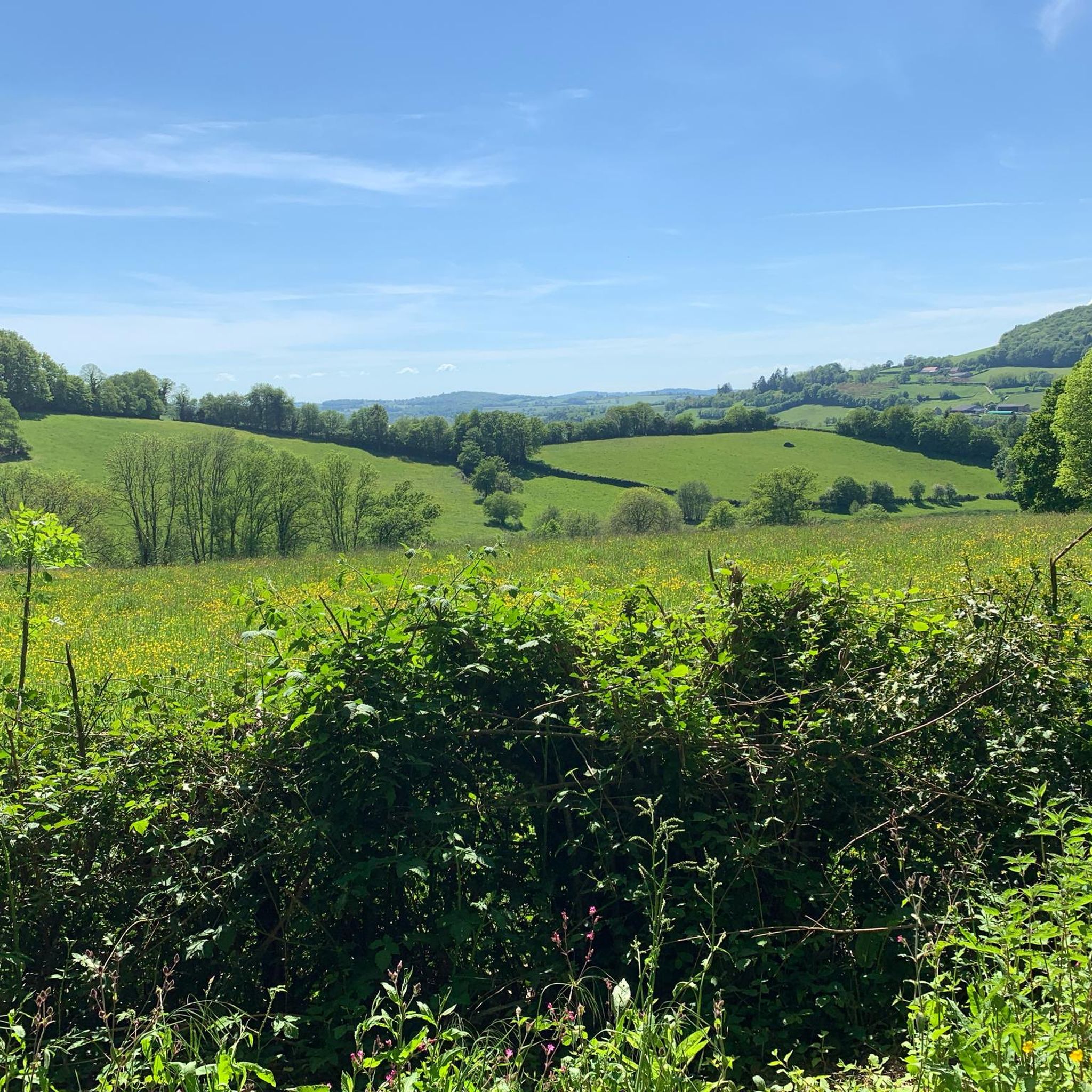
Road cycling routes around Cressy-Sur-Somme traverse a region characterized by varied terrain, from river valleys to areas with significant climbs. The broader Somme area features a mix of flat sections along waterways and more challenging routes with steeper ascents. Cyclists can expect to encounter diverse landscapes including marshlands, forests, and agricultural areas. The network of routes provides options for different abilities, though many local routes feature considerable elevation gain.
Best road cycling routes around Cressy-Sur-Somme
- The most popular road cycling route is Col des Montarons – Larochemillay Village Center loop from Cressy-sur-Somme, a 46.8 miles (75.3 km) trail that takes 3 hours 50 minutes to complete. This difficult route features a significant climb, characteristic of the region's more demanding rides.
- Another top favourite among local road cyclists is Vandenesse Castle – Moulins-Engilbert loop from Cressy-sur-Somme, a difficult 70.0 miles (112.7 km) path. This route offers a long-distance ride through the local landscape, potentially passing historical sites and charming villages.
- Local road cyclists also love the Digoin Canal Bridge – Digoin Canal Bridge loop from Cressy-sur-Somme, a 60.1 miles (96.7 km) trail leading through areas adjacent to waterways, often completed in about 4 hours 48 minutes.
- Road cycling around Cressy-Sur-Somme is defined by river valleys, agricultural plains, and areas with notable climbs. The network offers options for different ability levels, from routes along canals to those with significant elevation.
- The routes in Cressy-Sur-Somme are highly rated by the komoot community with an average score of 4.5 stars from over 2 reviews. More than 200 road cyclists have used komoot to explore Cressy-Sur-Somme's varied terrain.
Last updated: July 3, 2026
8
riders
92.5km
04:45
1,500m
1,500m
Hard road ride. Very good fitness required. Mostly well-paved surfaces and easy to ride.
7
riders
113km
05:03
1,070m
1,070m
Hard road ride. Very good fitness required. Mostly well-paved surfaces and easy to ride.

Sign up for free
7
riders
99.2km
05:00
1,380m
1,380m
Hard road ride. Very good fitness required. Mostly well-paved surfaces and easy to ride.
7
riders
103km
05:22
1,530m
1,520m
Hard road ride. Very good fitness required. Some segments of this route may be unpaved and difficult to ride.
7
riders
104km
05:38
1,730m
1,730m
Hard road ride. Very good fitness required. Some segments of this route may be unpaved and difficult to ride.
Get access to more routes and recommendations from other explorers.
Sign up for free
Already have an account?
Our route recommendations are based on thousands of hikes, rides, and runs completed by other people on komoot.
Start today with a free account
Your next adventure awaits.
Login or Signup



Tips from the Community


Here is the route for the ascent of the Col de la Croix de Messire Jean starting from La Tagnière
1
0
Nice climb, tough from Mesvres
0
0
The lordship of Uchon developed from the 11th century onwards thanks to the lords of Chateauvillain, notably with the construction of the Church of Saint Sebastian in the 12th century (now dedicated to Saint Roch), in which Jean de Chateauvillain placed the relics of Saint Sebastian upon his return from the Crusades. He is also responsible for the Calvary of the Cross of Messire Jean, located at the summit of the mountain and restored in 2021 (funded by the BROC and TRAD UCHON associations). Suffering heavy destruction during the Hundred Years' War, the village began a long decline, accentuated by the fragmentation of the barony of Uchon and the dismantling of the castle in the 16th century. However, at the turn of the 15th and 16th centuries, the site of Uchon experienced significant growth linked to the pilgrimage centered around the relics of Saint Sebastian, invoked to protect against the plague that was raging at the time. Faced with the influx of pilgrims from Autun, the church proved too small to accommodate crowds of up to 5,000 people. It was decided to build an oratory outside the church, housing an altar, to bring the faithful together for celebrations. The pilgrimage continued until the 18th century before disappearing at the turn of the French Revolution. The altar was then replaced by a Calvary, surmounted by a Virgin Mary, in the first half of the 20th century. Since December 9, 1929, the Oratory of Belle-Croix has been listed as a historic monument. The oratory, built on a granite mound like the nave of the neighboring church, is oriented (facing east). Raised in a cantilever on corbels, this monument surprises with its singular silhouette which is not without evoking the unstable balance of the "Pierre-qui-croule" not far from there. In addition, the spire of the oratory, surmounted by a metal cross, gives a beautiful dynamic to the whole. Square in plan, the oratory receives an octagonal base cap resting on squinches. The masonry is made of cut granite blocks, perhaps from the castle which was dismantled at the same time. The masonry details (moldings, chamfers, niches, squinches) demonstrate the care taken in the implementation. Inside, a finely sculpted sandstone Calvary, surmounted by a Virgin and Child, contrasts with the rusticity of the granite. The interior masonry of the oratory does not display any particular decoration apart from a stone running through it, on the west facade, forming a sculpted capital on the interior side and a cross in bas-relief on the exterior, probably a reused stone.
0
0

a very beautiful view.
0
0

Beautiful, recommended walk. Small problem: the indicated right turn at km 6.44 is a non-accessible private road. Simply continue and turn right at km 7.32 to find the proposed road again after +/- 150 m (uphill).
2
0

Pretty village typical of the region with several shops, cafes and restaurants. All that remains are the ramparts and two partially preserved buildings of the Moulins-Engilbert castle which dates from the 10th to the 15th centuries.
0
0
While this bridge allows you to cross the Aron River with a beautiful view of the river, when you look up you cannot ignore the statue of Notre-Dame du Nivernais which dominates from its abutment in the center of the city.
0
0
Frequently Asked Questions
How many road cycling routes are available around Cressy-sur-Somme?
There are over 15 road cycling routes available around Cressy-sur-Somme, offering a variety of distances and difficulty levels. The komoot community has explored these routes over 200 times, rating them highly with an average score of 4.5 stars.
What kind of terrain can I expect on road cycling routes near Cressy-sur-Somme?
The terrain around Cressy-sur-Somme is quite varied. You'll find flat sections, particularly along river valleys and canals, which are ideal for leisurely rides. However, the region also features areas with significant climbs, offering more challenging routes for experienced cyclists. Expect a mix of agricultural plains, marshlands, and forested areas.
Are there any challenging road cycling routes with significant climbs?
Yes, the region is known for routes with notable climbs. For instance, the Col des Montarons – Larochemillay Village Center loop from Cressy-sur-Somme is a difficult 75.3 km route with over 1,100 meters of elevation gain. Another challenging option is the Charbonnat Church – Mont d'Uchon loop from Cressy-sur-Somme, which covers 103.8 km with over 1,500 meters of ascent.
Are there any easier or more moderate road cycling routes suitable for beginners?
While many routes around Cressy-sur-Somme feature considerable elevation gain, the broader Somme region offers sections of larger cycling networks like the Véloroute Vallée de Somme, which are designed for ease of travel. These routes often follow river paths and canals, providing a more comfortable and scenic experience with fewer steep climbs. You can find more information on these dedicated cycle paths at France Vélo Tourisme or Somme Tourisme.
What natural features or landscapes can I see while cycling in the region?
The region boasts diverse natural beauty. You can cycle through tranquil river valleys, extensive marshes, and peat bogs, particularly along the Somme Valley. Notable natural sites include the Marais de Méricourt-sur-Somme and the Etangs de la Barette. Further afield, the Bay of Somme offers coastal landscapes with salt marshes, dunes, and cliffs. Forests like the forest of Crécy provide shaded routes, and you might even encounter the unique floating gardens of the Hortillonnages near Amiens.
Are there any historical or cultural attractions accessible by road bike?
Yes, the region is rich in history and culture. The Somme Valley is deeply connected to World War I history, with routes passing through significant areas. You can also explore charming towns and villages. For example, the Medieval quarter of Bourbon-Lancy is a notable historical site. Other points of interest include the Luzy Church and the town of Luzy itself.
Where can I find scenic viewpoints along the road cycling routes?
The Somme Valley features numerous belvederes, with 30 in total, offering exceptional panoramic views over the ponds and marshes. These viewpoints often include interpretive tables explaining the landscape's history. While specific viewpoints are not listed for every route, many routes traversing higher ground or riverbanks will naturally offer scenic vistas.
Is it possible to find circular road cycling routes around Cressy-sur-Somme?
Yes, many of the road cycling routes around Cressy-sur-Somme are designed as loops. Examples include the Vandenesse Castle – Moulins-Engilbert loop from Cressy-sur-Somme, a long 112.7 km ride, and the Digoin Canal Bridge – Digoin Canal Bridge loop from Cressy-sur-Somme, which is 96.7 km long and follows waterways.
What is the best time of year for road cycling in Cressy-sur-Somme?
The best time for road cycling in the Somme region is generally from spring to autumn. During these seasons, the weather is typically mild and pleasant, making for comfortable riding conditions. Summer offers longer daylight hours, but spring and autumn can provide beautiful scenery with fewer crowds and comfortable temperatures.
Are there any long-distance road cycling routes that pass through or near Cressy-sur-Somme?
Yes, the broader Somme area is part of several larger cycling networks. These include sections of the Eurovélo 6, the Tour de Bourgogne, the Loire à Vélo, the GTMC, and the Route de Saint-Jacques de Compostelle-GR13. The Véloroute Vallée de Somme, stretching approximately 160 km, is also accessible and provides a comfortable path along the Somme River and its canal.
What do other road cyclists enjoy the most about road cycling in Cressy-sur-Somme?
The area is highly rated by the komoot community, with an average score of 4.5 stars. Cyclists often praise the varied terrain, which offers both challenging climbs and scenic, flatter sections along waterways. The diverse landscapes, from river valleys and marshlands to forests, are also frequently highlighted as a key appeal.
Are there options for parking when accessing road cycling routes near Cressy-sur-Somme?
While specific parking details for every route start are not provided, towns and villages along the cycling networks, such as Bourbon-Lancy, typically offer public parking facilities. For routes along the Véloroute Vallée de Somme, amenities like bike parking are often available, and former lock-keepers' cottages are being renovated to welcome cyclists.
Can I find cafes or places to stop for refreshments along the road cycling routes?
Yes, the region is dotted with charming towns and villages where you can find cafes, restaurants, and local producers. The Véloroute Vallée de Somme, for example, is designed with amenities such as picnic areas, and towns like Amiens and Bourbon-Lancy offer cultural visits and local dining options, making it easy to refuel during your ride.
Most popular attractions around Cressy-Sur-Somme

Get inspired with the komoot mobile app


Explore more
Browse the best Road cycling routes in other regions.
