The best cycling routes around Collonge-En-Charollais
4.5
(133)
718
riders
66
rides
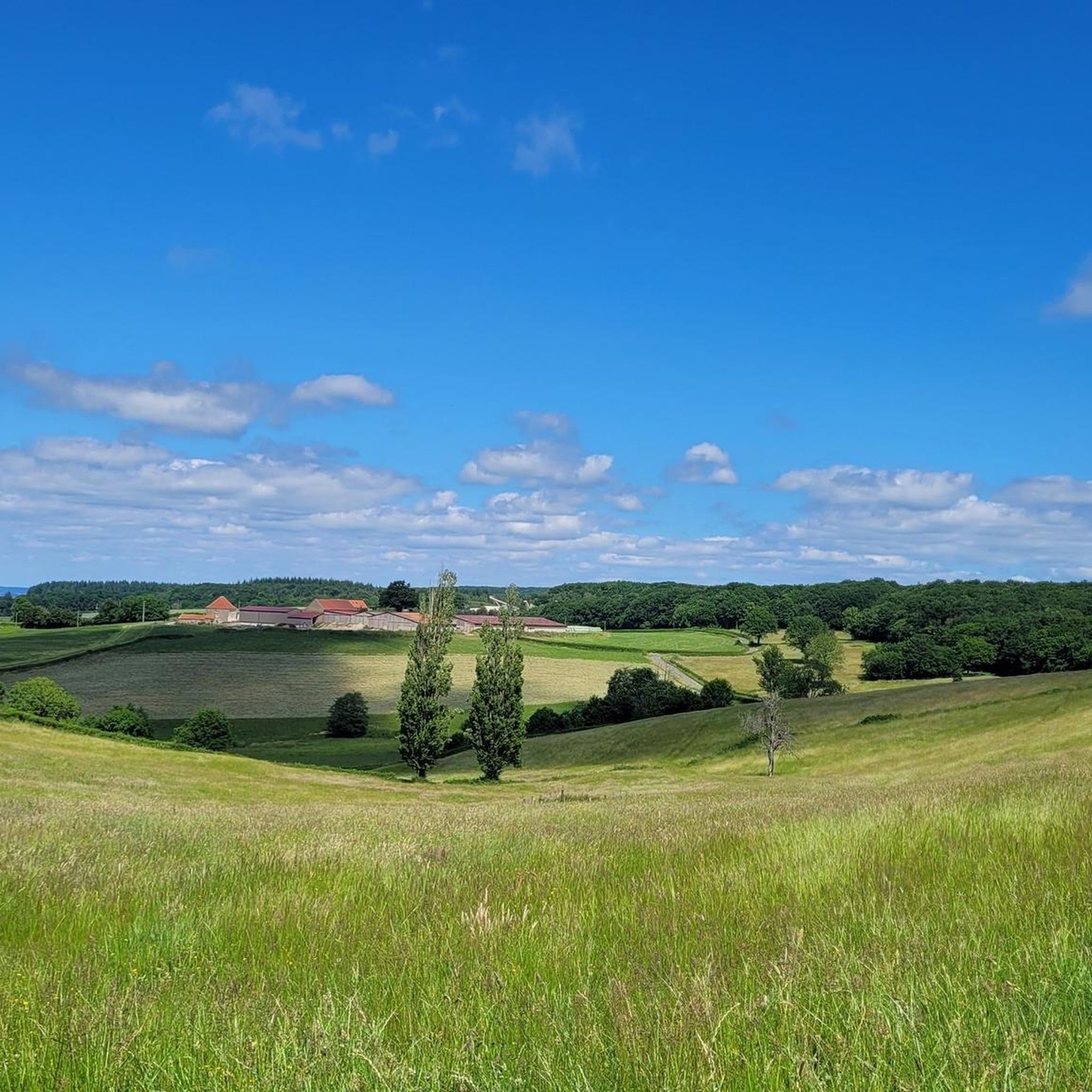
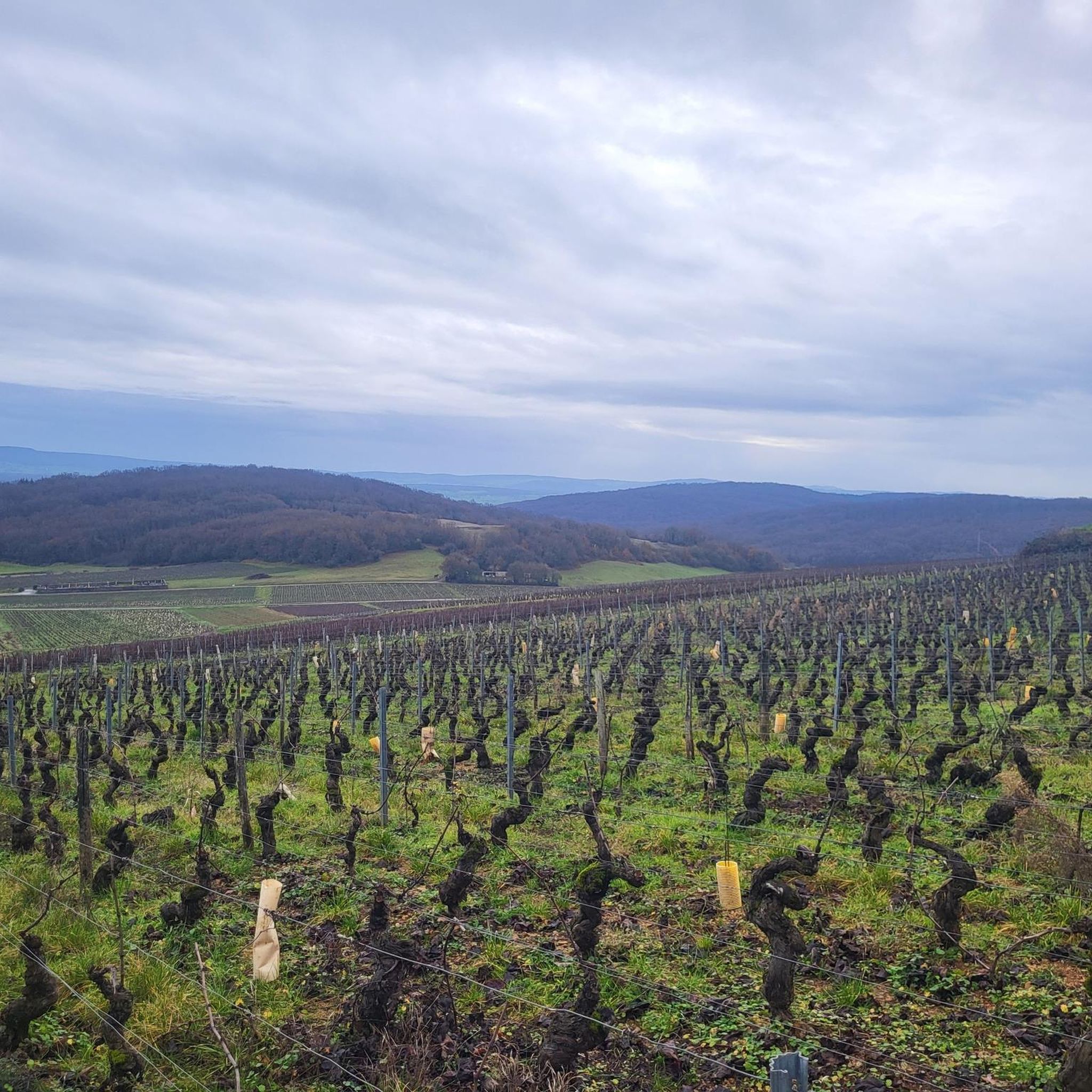
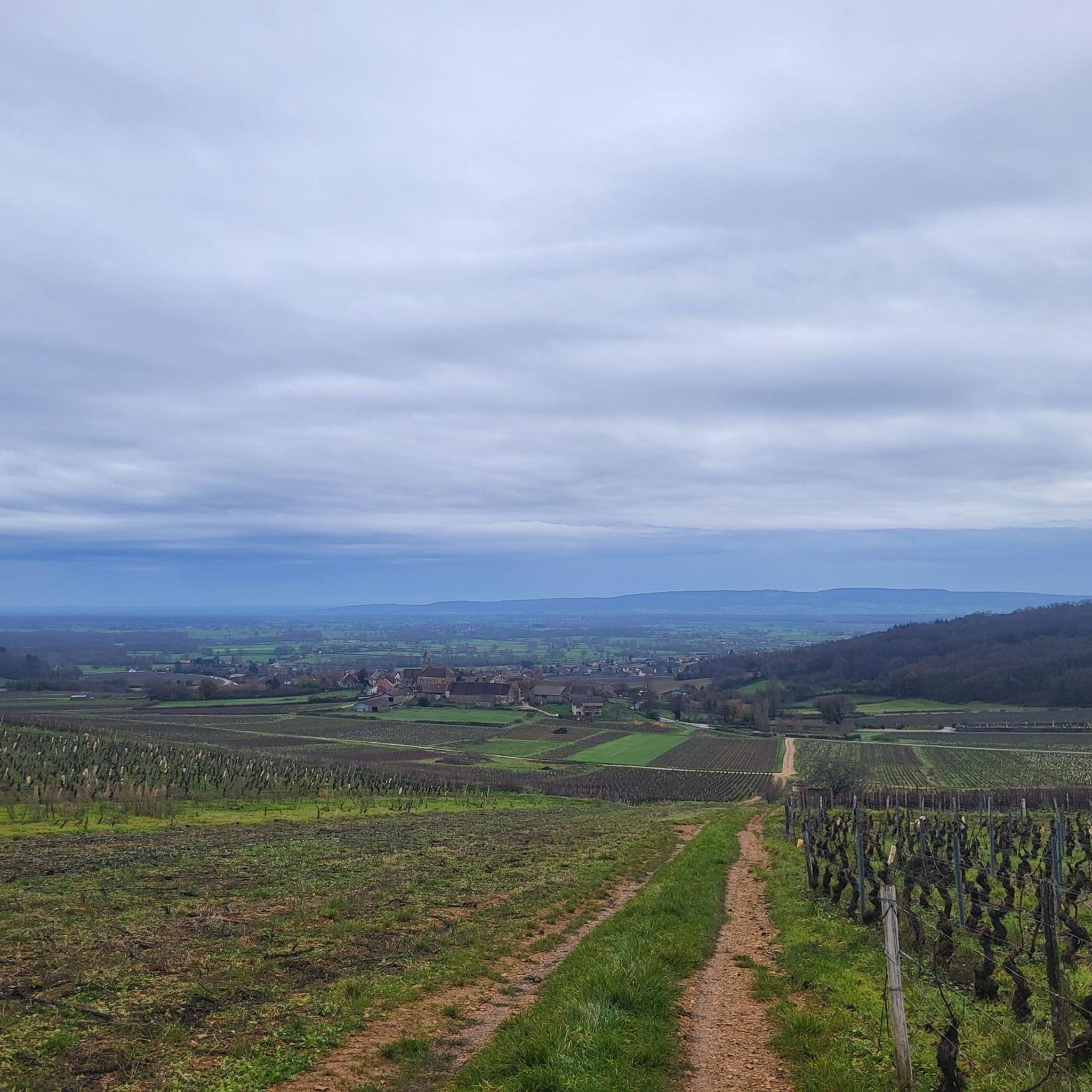
Touring cycling routes around Collonge-En-Charollais are situated in the Charolais region of Bourgogne-Franche-Comté, characterized by preserved natural spaces and significant forest cover. The area features diverse landscapes, including the Guye valley, limestone hills, and granite zones, providing varied terrain for cycling. Collonge-En-Charollais is located at the foot of Mont Saint-Vincent, offering routes with elevation changes, and boasts extensive forests covering 417 hectares. The region's strategic position provides access to broader cycling networks like Cycloroute 71 and the Tour de Bourgogne…
Last updated: July 6, 2026
4.0
(2)
5
riders
107km
06:49
950m
950m
Hard bike ride. Very good fitness required. Mostly paved surfaces. Suitable for all skill levels.
7
riders
22.3km
01:24
240m
240m
Moderate bike ride. Good fitness required. Mostly paved surfaces. Suitable for all skill levels.

Sign up for free
4
riders
27.7km
02:15
540m
530m
Hard bike ride. Very good fitness required. Mostly paved surfaces. Suitable for all skill levels.
4
riders
32.0km
02:03
410m
410m
Moderate bike ride. Good fitness required. Mostly paved surfaces. Suitable for all skill levels.
3.0
(1)
3
riders
33.1km
02:13
530m
530m
Hard bike ride. Very good fitness required. Mostly paved surfaces. Suitable for all skill levels.
Get access to more routes and recommendations from other explorers.
Sign up for free
Already have an account?
Our route recommendations are based on thousands of hikes, rides, and runs completed by other people on komoot.
Start today with a free account
Your next adventure awaits.
Login or Signup

Tips from the Community

The Halle ronde (the "round hall") in the French municipality of Givry was built between 1825 and 1830. It was designed by the regionally known architect Lazare Narjoux. It originally served as a grain hall (Halle au blé) to supply the surrounding mills and the population with grain. Due to its rare, circular design, the market hall has been classified as a historic monument since 1931.
0
0

It was built in 1825 by Lazare Narjoux and served the grain trade.
2
0
The ruins of the church of Saint-Hippolyte are located in the commune of Bonnay-Saint-Ythaire. The Romanesque church was built in the 11th century by the monks of the Abbey of Cluny. Fortification: In the 13th century (around 1214), the building was converted into a fortified church at the request of the monks to offer better protection. In the process, the church was partially transformed into a keep (Donjon). The building was severely damaged in the 15th and 16th centuries, and the nave of the church finally collapsed in the 18th century. Since 1913, the site has been a listed Monument historique.
1
0

a former railway line with many old stations along the route and the possibility to leave anywhere through the vineyards and forest
1
0

A superb Romanesque church. It's best to go on a cloudy day. When the sun is shining, it's harder to take pictures inside.
0
0


very beautiful in summer you can see Mont Blanc when the sky is clear.
0
0

The Voie Vert are great cycle paths. It's a shame that you can hardly see the landscape through the bushes and trees.
0
0
Frequently Asked Questions
How many touring cycling routes are available around Collonge-En-Charollais?
There are over 60 touring cycling routes around Collonge-En-Charollais, offering a wide range of options for exploring the region. These routes are highly rated by the komoot community, with an average score of 4.5 stars from over 100 reviews.
What kind of terrain can I expect on touring cycling routes in Collonge-En-Charollais?
The region offers diverse terrain, characterized by preserved natural spaces and significant forest cover. You'll find a mix of landscapes including the Guye valley, limestone hills, and granite zones. Collonge-En-Charollais is situated at the foot of Mont Saint-Vincent, so routes can feature varied elevation changes, alongside extensive forested sections.
Are there options for different skill levels, including easy or beginner-friendly routes?
Yes, the routes cater to various abilities. There are 6 easy routes and 32 moderate routes available. For a moderate option, consider the Étang de Burzy – Château de Joncy loop from Joncy, which is 13.9 miles (22.3 km) long and winds through varied landscapes near Joncy.
Are there challenging routes for experienced touring cyclists?
Absolutely. For experienced touring cyclists, there are 23 difficult routes. A notable challenging option is the Chalon-sur-Saône – Givry Town Hall Arch loop from Le Puley, a 69.7 miles (112.1 km) trail with over 1000 meters of elevation gain, offering extensive exploration of the Saône-et-Loire department.
Are there any long-distance touring cycling networks accessible from Collonge-En-Charollais?
Collonge-En-Charollais serves as a gateway to several extensive regional and European cycling networks. You can connect to the 680-kilometer Cycloroute 71, the broader Tour de Bourgogne à vélo network (1700 km), and even the EuroVelo 6 (Atlantic – Black Sea) route, which passes through the Charolais-Brionnais area. These networks often utilize greenways and low-traffic roads.
What are some interesting landmarks or places to see along the touring cycling routes?
While cycling, you can explore various points of interest. Nearby attractions include the historic settlement of Saint-Gengoux-le-National, the La Serrée Castle, and the Aire de loisir de la gare de Saint-Gengoux-le-National. The region itself is known for natural features like Mont Saint-Vincent and the unique geological site of La Mer de Pierre.
Are there any circular touring cycling routes around Collonge-En-Charollais?
Yes, many routes are designed as loops, allowing you to start and finish in the same location. For example, the Bike loop from Mont-Saint-Vincent is a 17.2 miles (27.6 km) trail leading through varied terrain. Another option is the Le Bois Deffendu loop from Joncy, a moderate 31.8 km route.
What is the best time of year for touring cycling in Collonge-En-Charollais?
The spring and autumn months generally offer the most pleasant conditions for touring cycling, with milder temperatures and beautiful scenery. Summer can also be enjoyable, especially when utilizing the extensive forested routes for shade. Always check the local weather forecast before heading out.
Are there places to find refreshments or accommodation along the routes?
While specific cafes or pubs are not detailed for every route, the broader cycling networks like the Tour de Bourgogne and EuroVelo 6 are well-equipped with "Accueil Vélo" certified accommodations and services. You'll find towns and villages along these routes, as well as connecting towns like Chalon-sur-Saône, Tournus, and Mâcon, which offer various amenities.
Is public transport available to access the cycling routes, especially with bikes?
To access the major touring routes like Cycloroute 71, Tour de Bourgogne à vélo, and EuroVelo 6, you would typically connect to nearby towns that directly intersect with the "Voies Vertes" and "Voies Bleues" networks. These larger hubs often have better public transport links, and some regional trains in France allow bikes, though it's always best to check specific train line policies and booking requirements in advance.
Are there any specific considerations for family-friendly touring cycling?
For family-friendly touring, look for the easier and moderate routes, particularly those that utilize dedicated greenways ("voies vertes") or low-traffic roads, which are common on sections of the Tour de Bourgogne à vélo and EuroVelo 6. These often have minimal elevation changes, making them suitable for all ages. The 6 easy routes in the area are a good starting point.
Where can I find parking for touring bikes near the trails?
While specific parking locations for every route are not listed, you can generally find parking in the towns and villages that serve as starting points for the routes or connections to the larger cycling networks. For instance, towns like Joncy, Le Puley, or Mary, which are starting points for some featured routes, would typically have public parking available.
What makes the Collonge-En-Charollais region unique for touring cyclists?
The region's uniqueness lies in its blend of preserved natural beauty, diverse landscapes, and strategic access to major cycling networks. You can experience the tranquility of extensive forests, the rolling terrain around Mont Saint-Vincent, and the cultural richness of the Charolais, all while being connected to renowned routes like the Cycloroute 71 and Tour de Bourgogne à vélo.
Most popular routes around Collonge-En-Charollais
Most popular attractions around Collonge-En-Charollais

Get inspired with the komoot mobile app


Explore more
Browse the best Cycling routes in other regions.
